

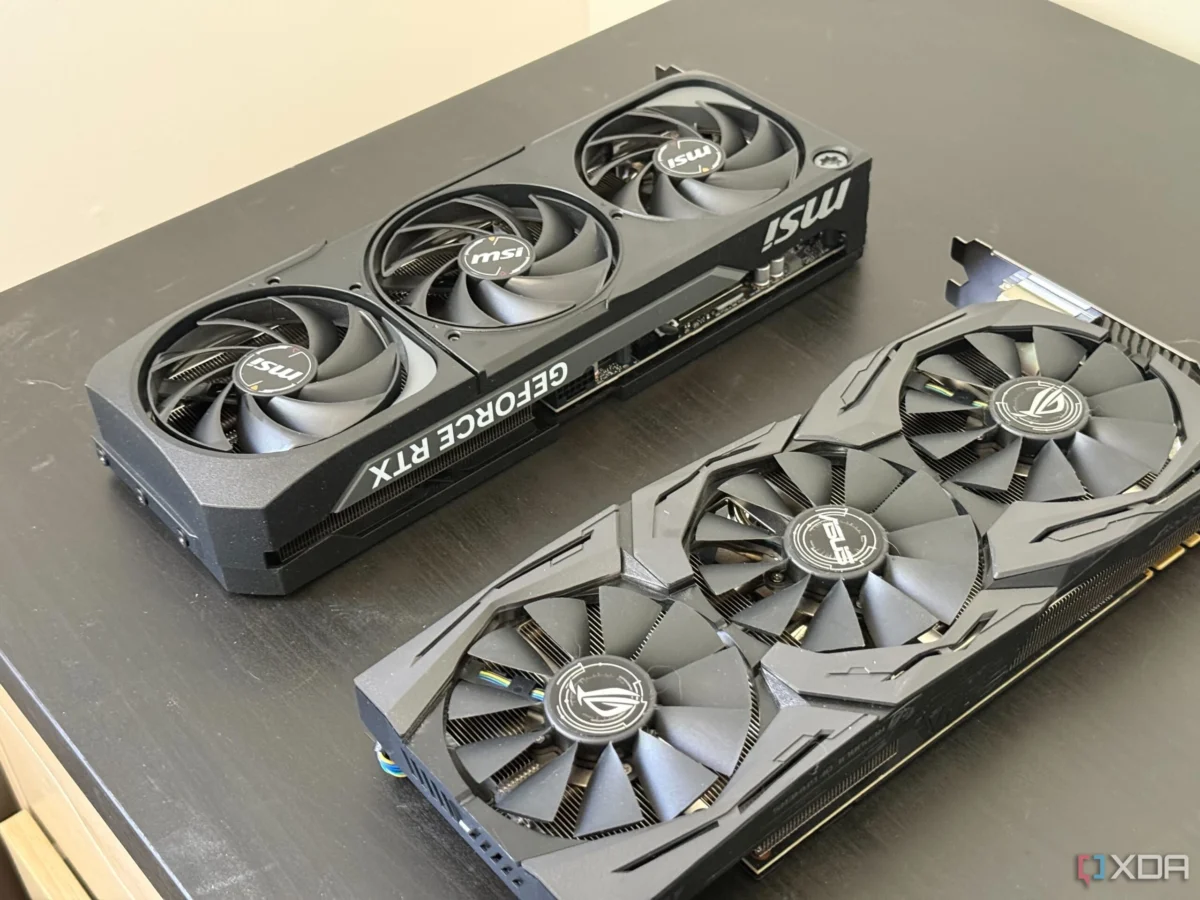
In the rapidly evolving landscape of PC hardware, where flagship graphics cards now command prices rivaling mid-range used vehicles and require their own dedicated power circuits, the idea of "good enough" has become a forgotten concept. As a hardware enthusiast and computer science student, I have spent years evangelizing the merits of the pre-owned market. It is a philosophy born from a desire to squeeze every ounce of value out of a build, a habit that started when I was ten years old and has since become a professional cornerstone.
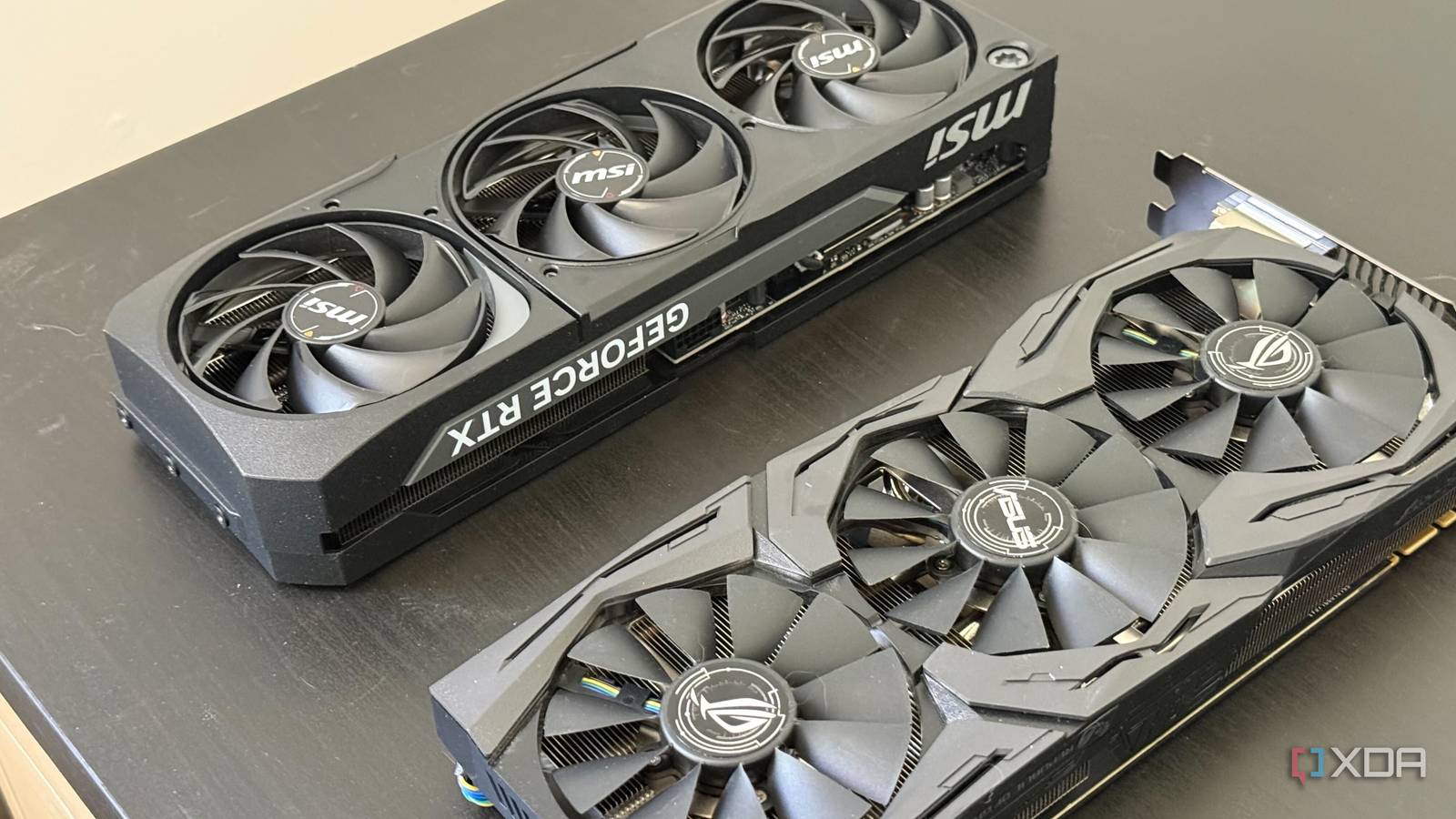
To prove that high-end gaming doesn’t always necessitate a four-figure investment, I decided to conduct a radical experiment. I pulled my modern, powerhouse workstation—driven by a Ryzen 7 7800X3D and an RTX 5080—apart and replaced the graphics heart with a piece of hardware that is approaching its tenth birthday: the Nvidia GeForce GTX 1070. This card, a legend of the Pascal architecture, was once the king of 1440p gaming. But in 2026, against the backdrop of modern, unoptimized, and resource-heavy titles, does it still have the stamina to compete?

The Challenge: A Study in Diminishing Returns
The GTX 1070 I pulled from my home lab had been repurposed for AI inference tasks, a testament to the card’s surprising longevity. However, transitioning from a state-of-the-art RTX 5080 to a Pascal-era card is not merely a performance hit; it is a fundamental shift in user experience.
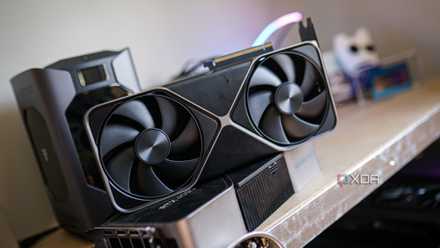
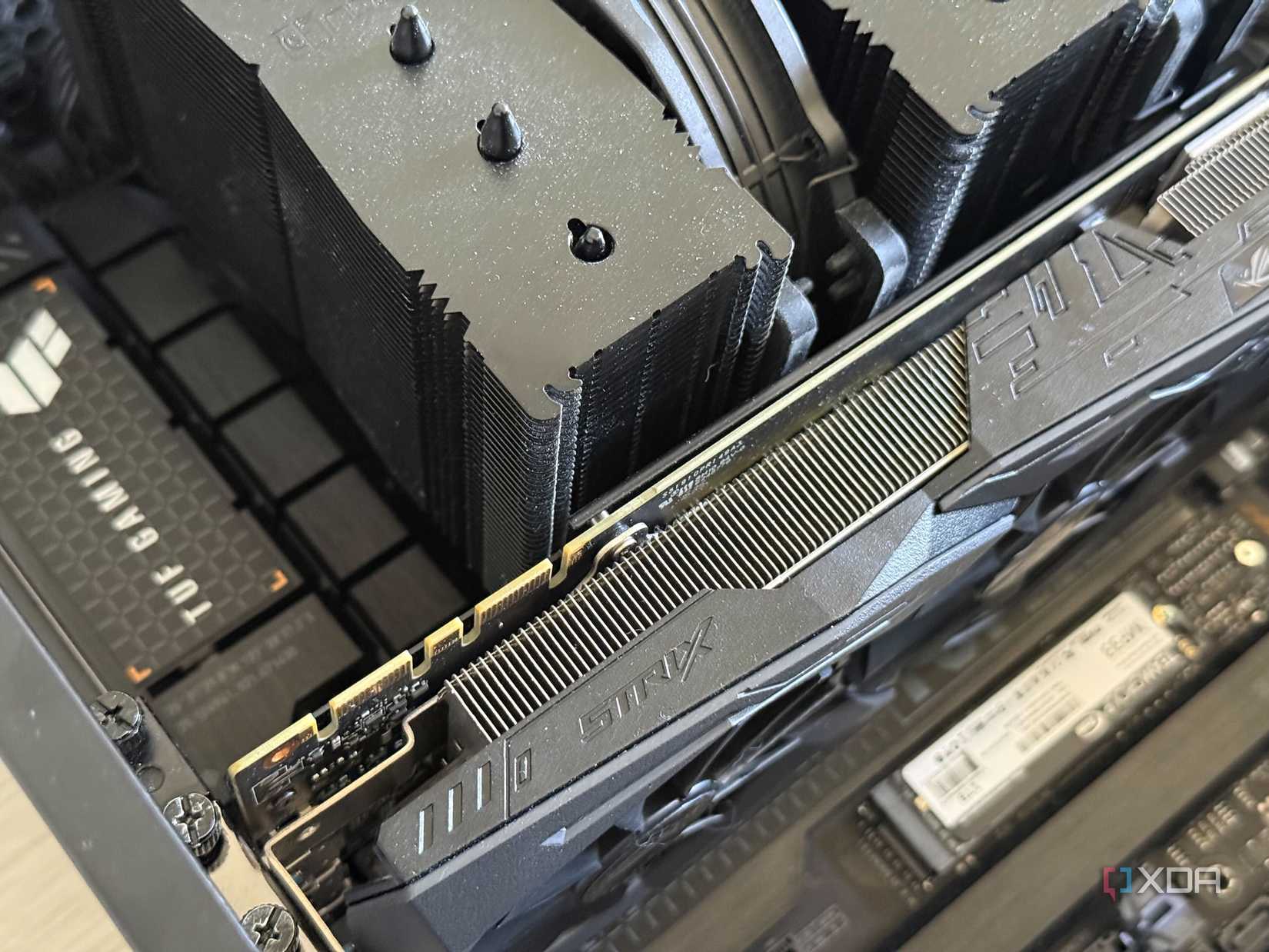
The installation process was a sobering reminder of how far hardware design has traveled. Physically, the 1070 felt like a toy compared to the massive, triple-fan behemoth of the 5080. It didn’t require an anti-sag bracket or a reinforced PCIe slot; it simply slotted in with a satisfying, nostalgic click. Yet, the software friction began immediately. My primary monitor—a 4K 240Hz OLED panel—proved to be an immediate point of contention. The 1070, designed in an era where 1080p high-refresh was the gold standard and 4K was a distant luxury, struggled to negotiate with the display. I was forced to roll back my Nvidia drivers to version 582.53, a manual intervention that highlighted the "old guard" status of the hardware.
Gaming Performance: The Reality of 2026
To understand how the card performs today, I tested it across three distinct titles: Escape From Tarkov (a CPU-bound, semi-optimized veteran), Battlefield 6 (a modern, graphically demanding multiplayer title), and Counter-Strike 2 (the gold standard for competitive, high-refresh gaming).
The Escape From Tarkov Experience
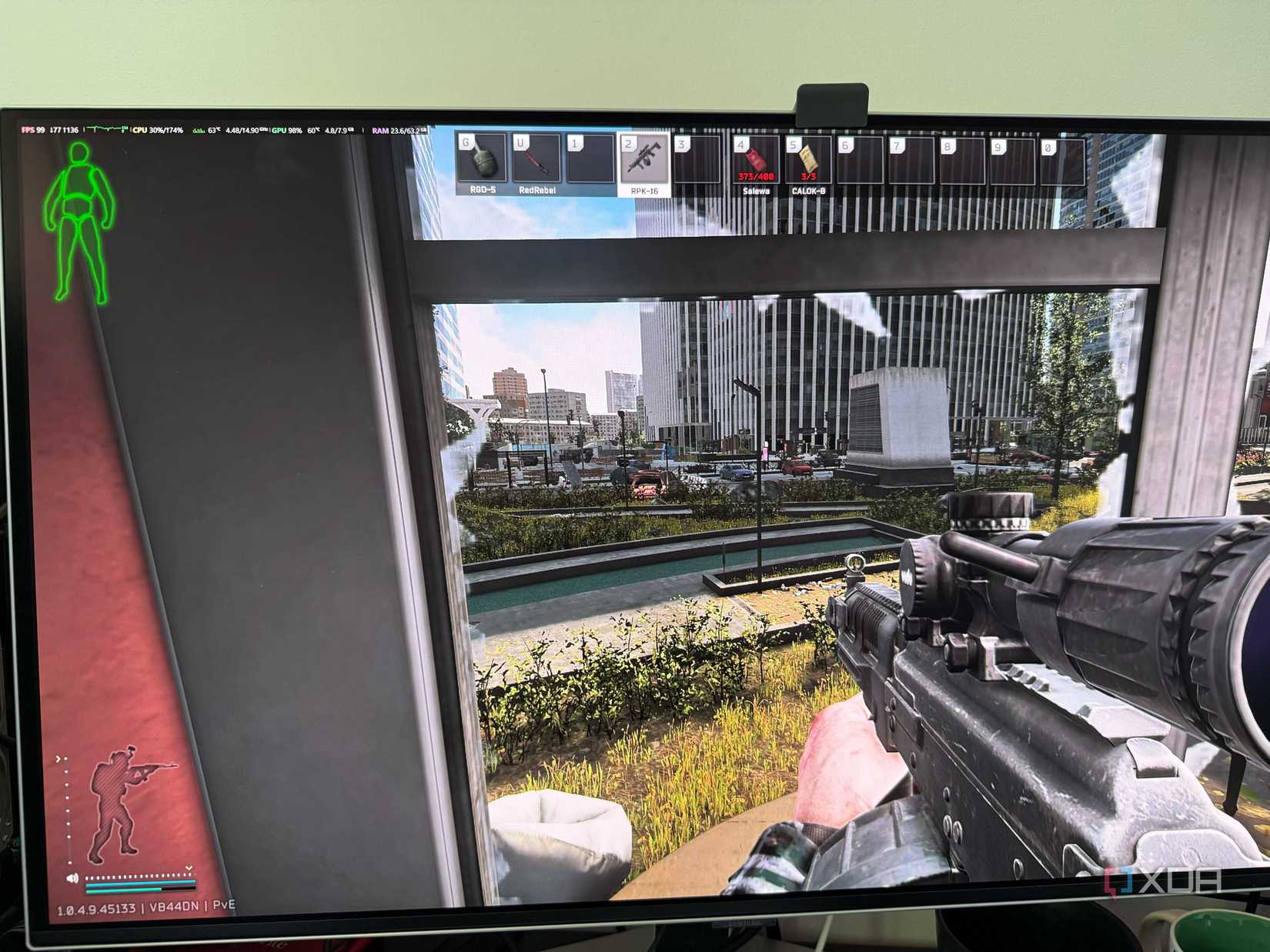
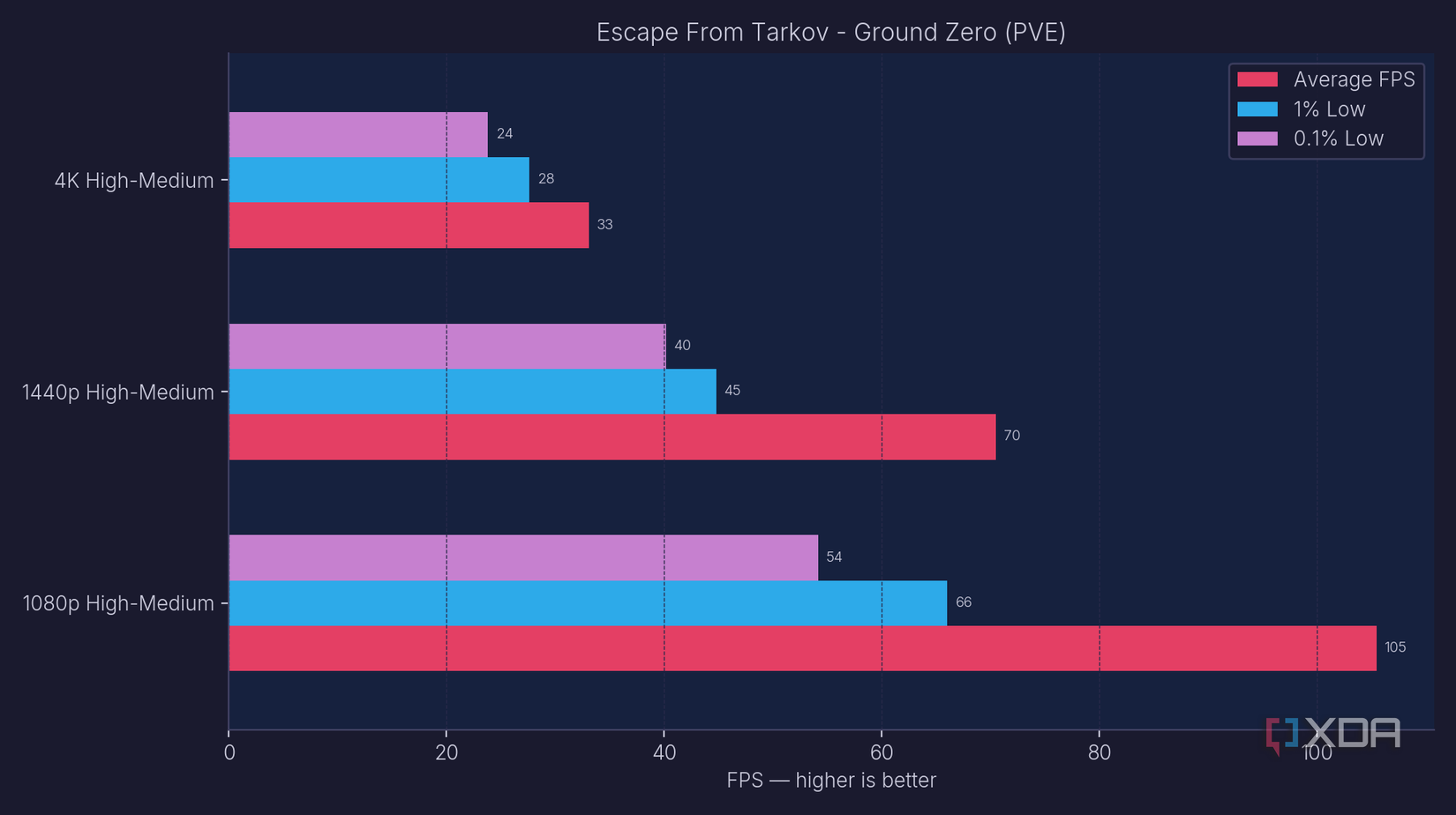
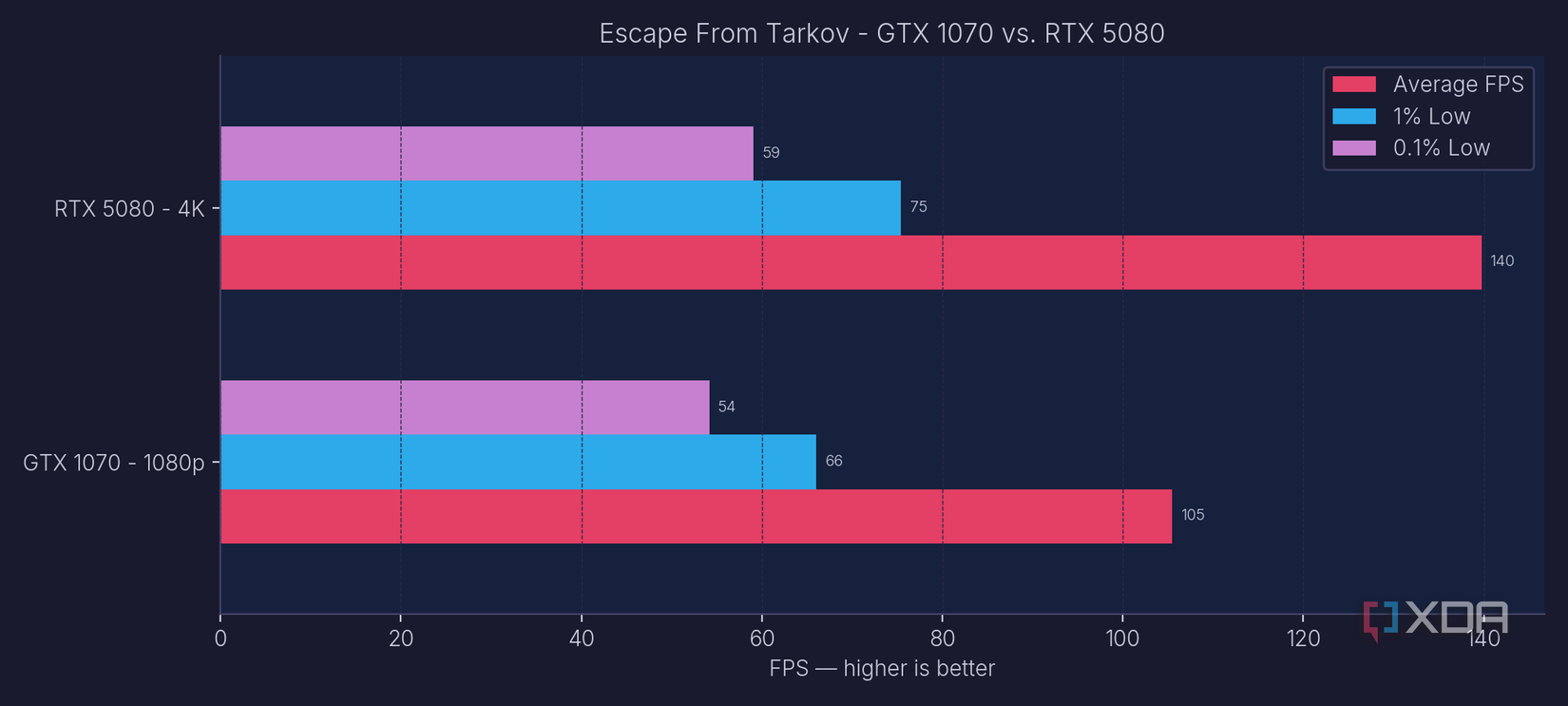
In Escape From Tarkov, a game that demands significant system overhead, the 1070 showed its age immediately at 4K resolution. With settings on a mix of High and Medium, the frame rate struggled to maintain a consistent 30 FPS. It was, for all intents and purposes, a slideshow. However, the narrative shifted entirely once I dropped the resolution to 1440p. Here, the card found its "sweet spot," pushing well over 60 FPS. While it lacks the fluid grace of the RTX 5080, it offered a surprisingly stable experience that felt indistinguishable from the "budget-conscious" rigs I built for friends during my early years of PC tinkering.
Battlefield 6: The Modern Gauntlet
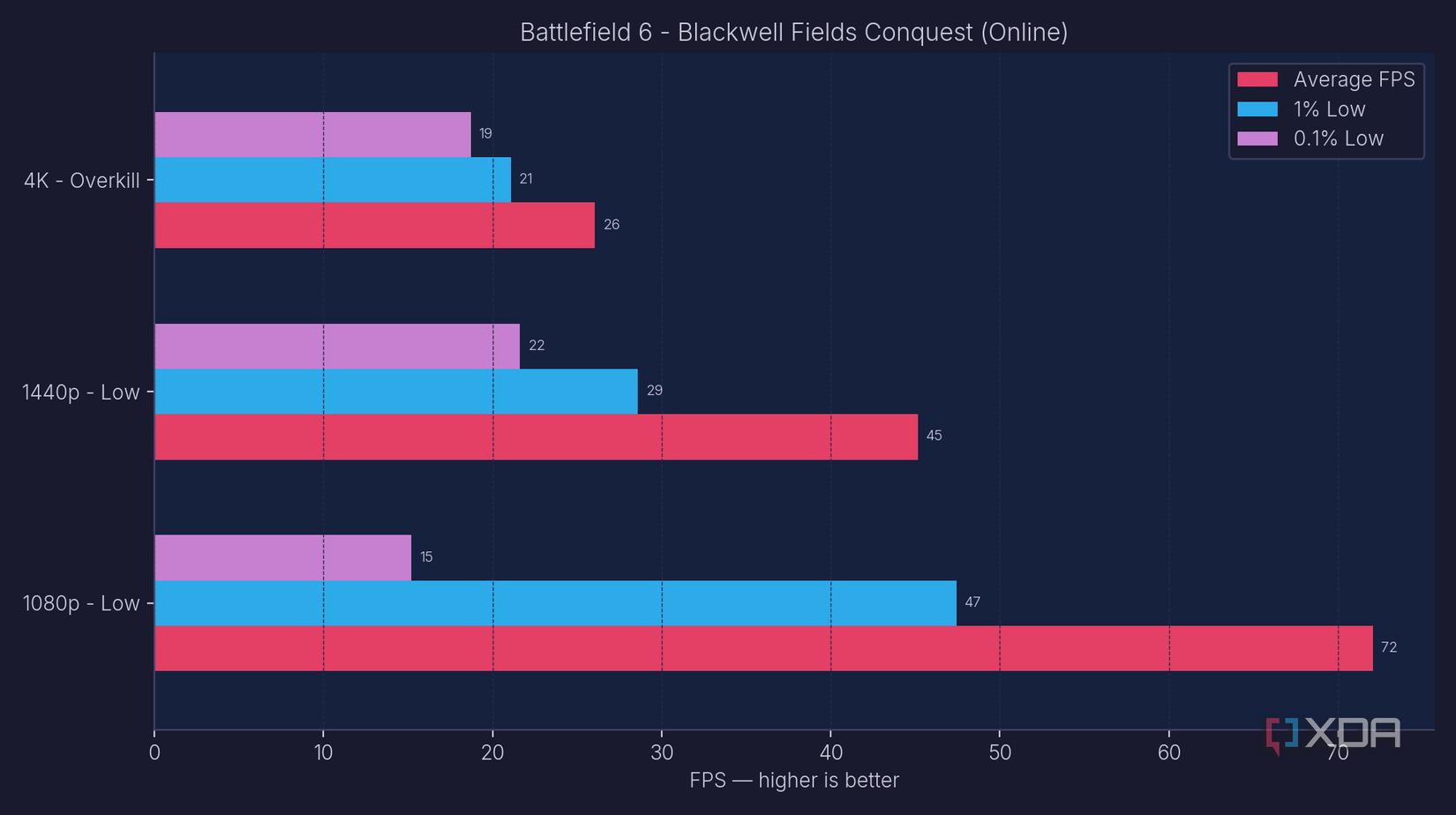
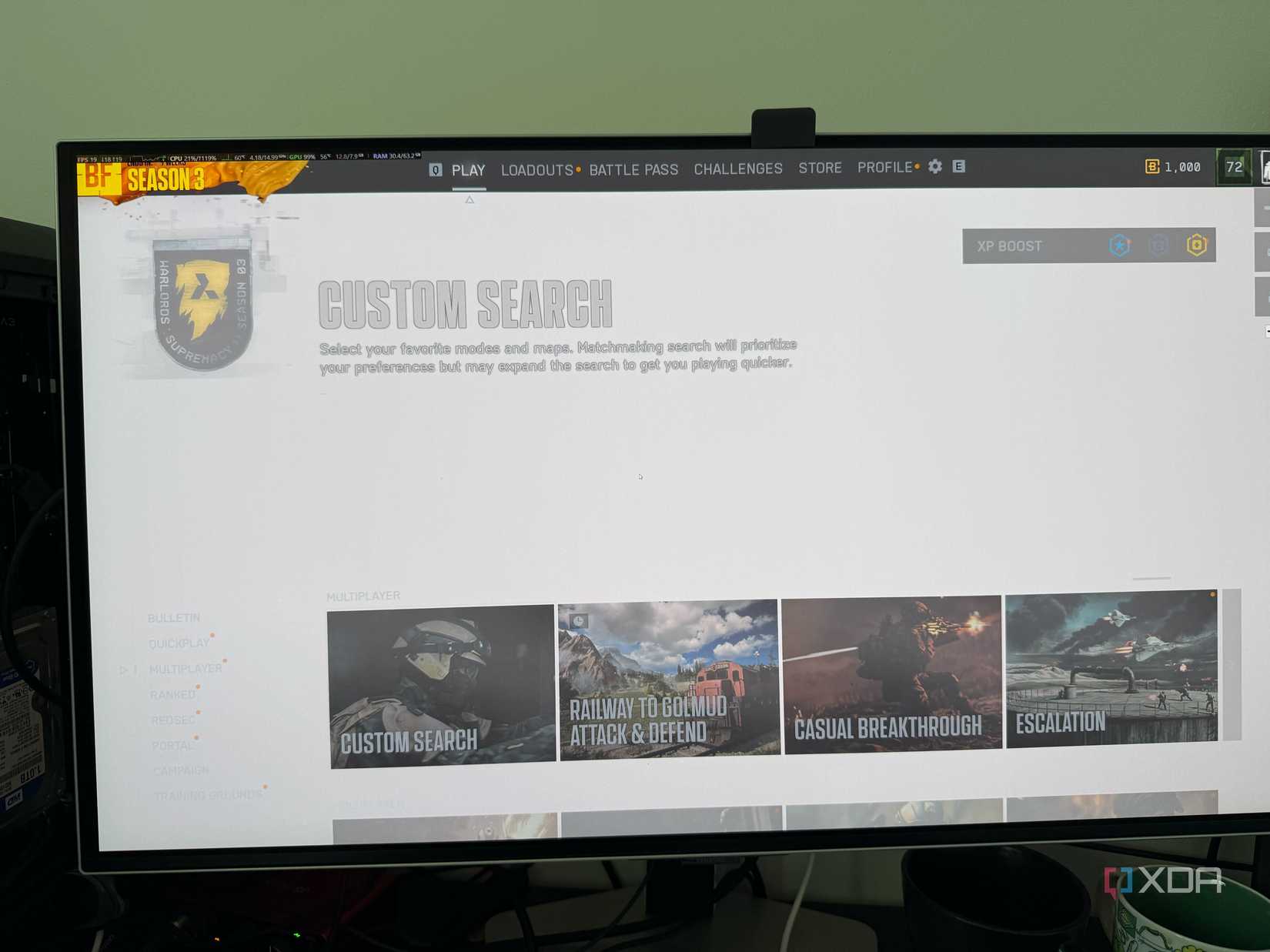
If Tarkov was a test of efficiency, Battlefield 6 was a stress test of pure graphical throughput. At high settings, the 1070 collapsed under the weight of modern textures and lighting effects, averaging 26 FPS. The 1% lows were erratic, leading to significant stuttering during heavy combat sequences. Only by dropping the resolution to 1080p and dialing back the graphical presets to "Low" was I able to achieve a playable 72 FPS average. The experience was functional, but it served as a stark reminder that modern game engines are increasingly reliant on features—like advanced ray tracing and AI-driven upscaling—that the Pascal architecture simply cannot handle.
Counter-Strike 2: The Comeback
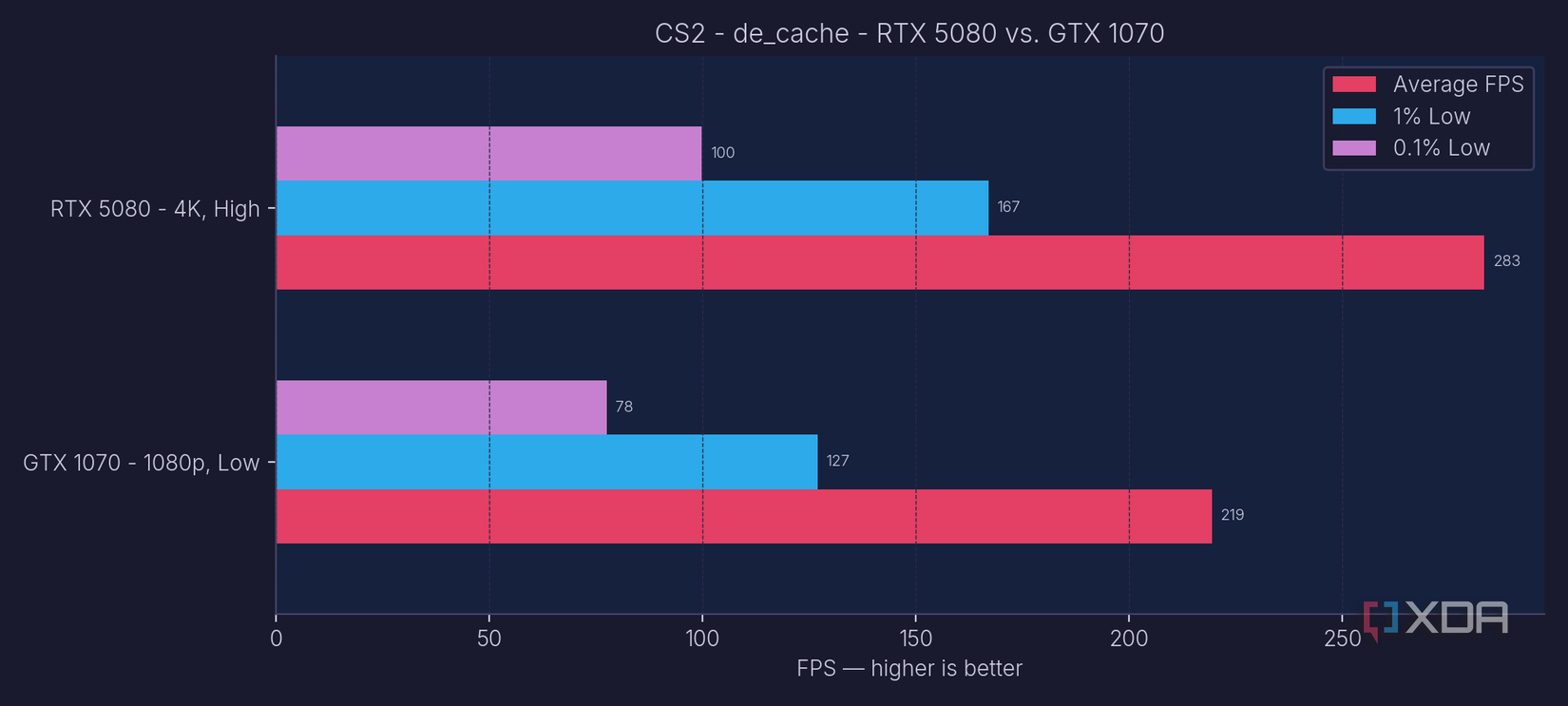
Perhaps unsurprisingly, Counter-Strike 2 performed the best. As a competitive title designed for accessibility and high frame rates, it allowed the 1070 to breathe. At 1080p, the frame rate soared well past my monitor’s refresh rate. For a user whose competitive gaming roots are firmly planted in the Counter-Strike ecosystem, the difference between the 1070 and the 5080 was negligible in terms of input latency and responsiveness.
Technical Limitations and Quirks
While the performance was often "playable," the daily experience was marred by technical limitations that would frustrate the average user.
- Multi-Monitor Headaches: I could not get my secondary 1440p display to function simultaneously with the 4K panel. Whether this was a driver incompatibility or a limitation of the Pascal display controller, it effectively killed my productivity workflow for the week.
- Refresh Rate Capping: The card proved unable to drive my 4K display at anything higher than 120Hz. While 120Hz is perfectly adequate for most, having spent nearly a decade at 240Hz, the "choppiness" was initially jarring, though I eventually adjusted.
- The Upscaling Wall: In Battlefield 6, I attempted to use software-based upscalers to bridge the performance gap, but the result was immediate and catastrophic screen artifacting. This suggests that the legacy drivers and the outdated hardware architecture struggle to interpret the modern, complex upscaling algorithms favored by current game developers.
The Implications: Is Pre-Owned Still Viable?
My experiment raises a critical question for the industry: At what point does a graphics card transition from "capable legacy hardware" to "e-waste"?
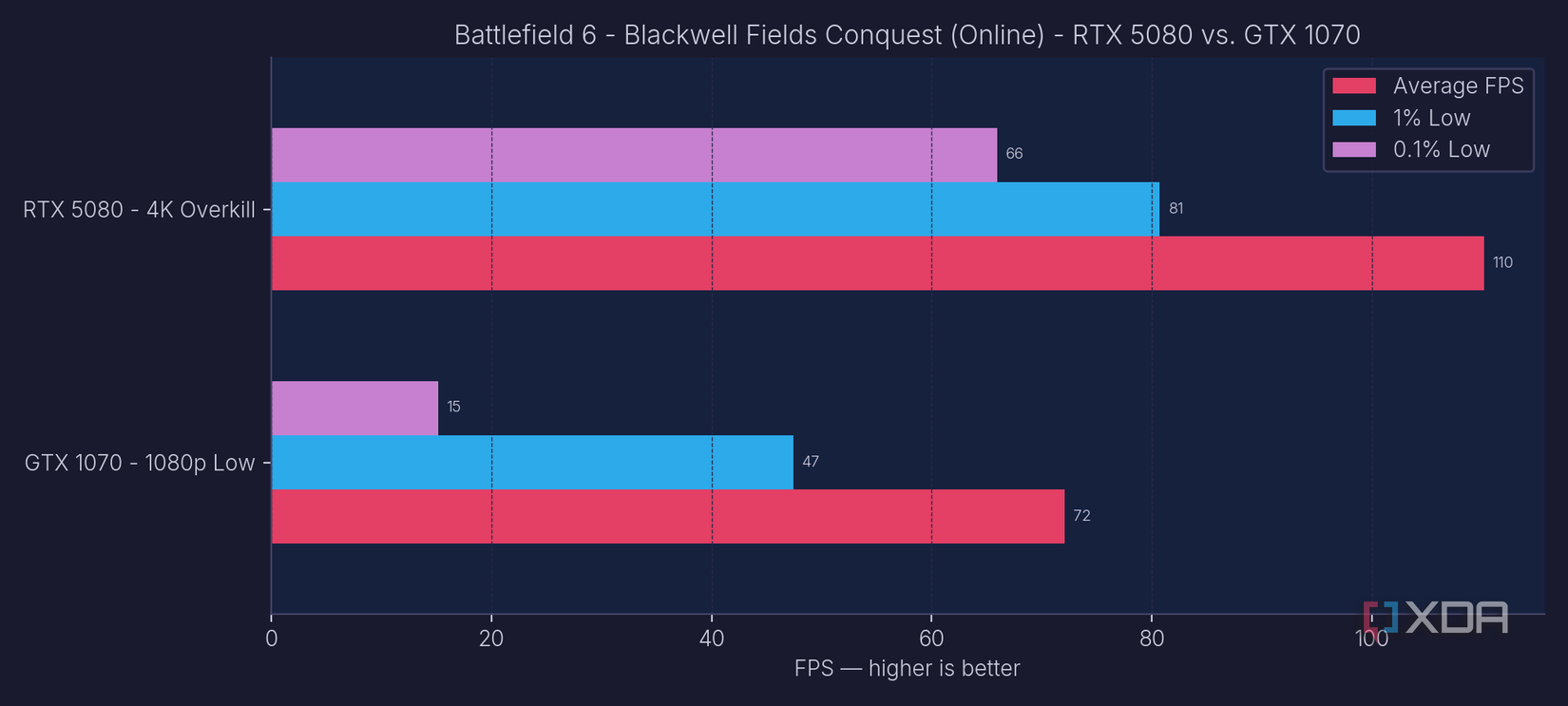
The GTX 1070 is currently in a twilight zone. It remains a fantastic entry-level card for esports titles and older AAA games from the 2015–2020 era. However, for anyone looking to play the latest titles at high resolutions or with modern visual fidelity, the hardware has effectively hit a brick wall. The lack of support for modern RT cores and the inability to effectively utilize AI-driven upscaling (like DLSS 4.0 or similar) means that the card is physically incapable of rendering modern graphical pipelines.
From a market perspective, the "pre-owned" narrative is shifting. While the GTX 1070 remains a testament to Nvidia’s engineering at the time, buying one in 2026 as a primary GPU is a gamble. You are trading visual fidelity and access to modern features for a lower price point. For the student or the budget-constrained gamer, this is a fair trade. But for the enthusiast, the "Pascal Paradox" is clear: the card is a hero of the past, but it cannot be the foundation of the future.
Conclusion: A Salute to the Old Guard
Spending a week with the GTX 1070 was a humbling experience. It forced me to move away from the "ultra-settings-at-all-costs" mentality and return to the roots of PC gaming: tuning settings, adjusting resolutions, and prioritizing frame time over pixel density.
If you are currently running a Pascal-era card, there is no immediate need to panic—provided your expectations are aligned with the hardware’s age. It will continue to run Counter-Strike, League of Legends, and Valorant with ease. But if you are tempted to upgrade, the market is currently filled with mid-range options that offer significantly more longevity. My experiment proved that while you can still game on a decade-old card, the experience requires a level of patience and compromise that most modern gamers have long since outgrown.
The GTX 1070 may be ready for retirement, but its legacy as one of the most reliable, capable, and enduring pieces of silicon ever produced remains secure. It served its time, and in my case, it even managed to remind me why I fell in love with PC hardware in the first place: the ability to tinker, to adapt, and to make the most of what you have.












No comments yet. Be the first to join the conversation!