

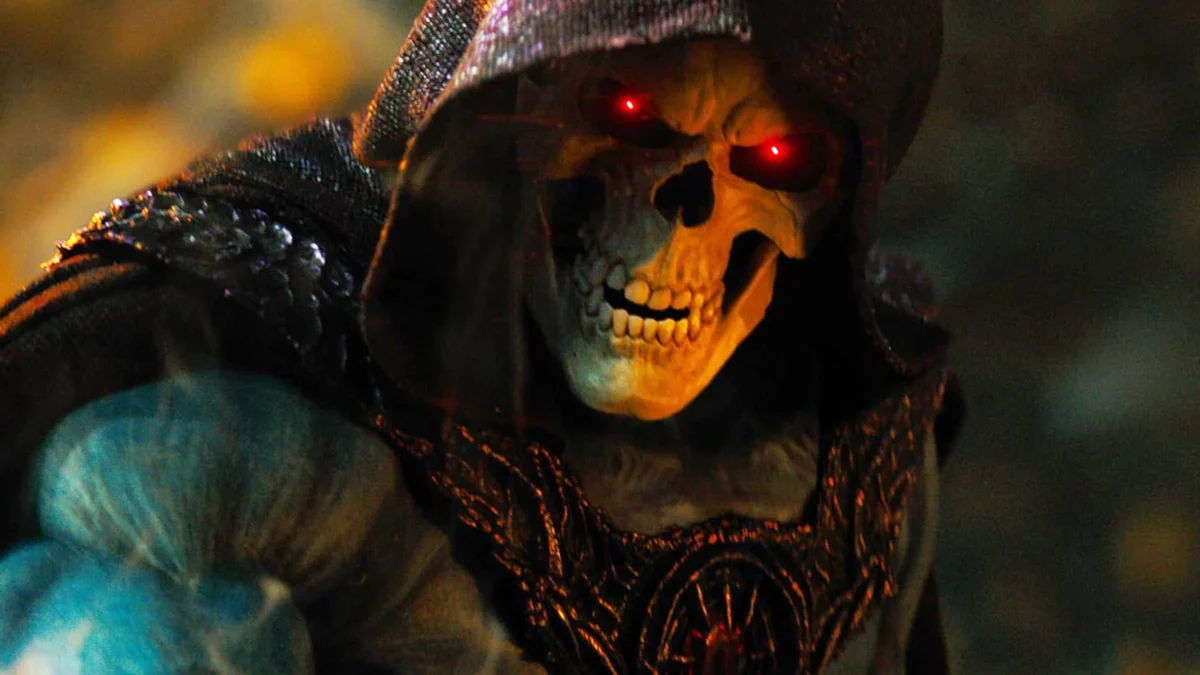
As the release date for Amazon MGM Studios’ high-stakes live-action Masters of the Universe adaptation approaches, one glaring omission has become the subject of intense industry speculation: the total absence of its primary antagonist, Jared Leto, from the promotional trail. With a reported budget of $175 million and a massive intellectual property legacy on the line, the silence from one of the film’s biggest stars has raised eyebrows, sparked internal questions at the studio, and reignited debates about the intersection of star power, box office viability, and personal controversy in modern cinema.
The Disappearing Act: A Marketing Void
The production of Masters of the Universe has been a long-gestating odyssey. After being discarded by Netflix, the project found a new home at Amazon, where it was handed to director Travis Knight—a filmmaker known for his ability to balance spectacle with heart, as seen in Bumblebee. The cast is undeniably A-list, anchored by Nicholas Galitzine as Prince Adam/He-Man and supported by talent like Camila Mendes and Idris Elba.
Yet, the presence of Jared Leto, an Academy Award winner for Dallas Buyers Club and a massive social media influencer, should be a cornerstone of the film’s publicity. Instead, Leto has been effectively invisible. He was absent from the film’s recent premiere, skipped the high-visibility stage at CinemaCon, and has maintained a total blackout regarding the film across his personal social media channels.
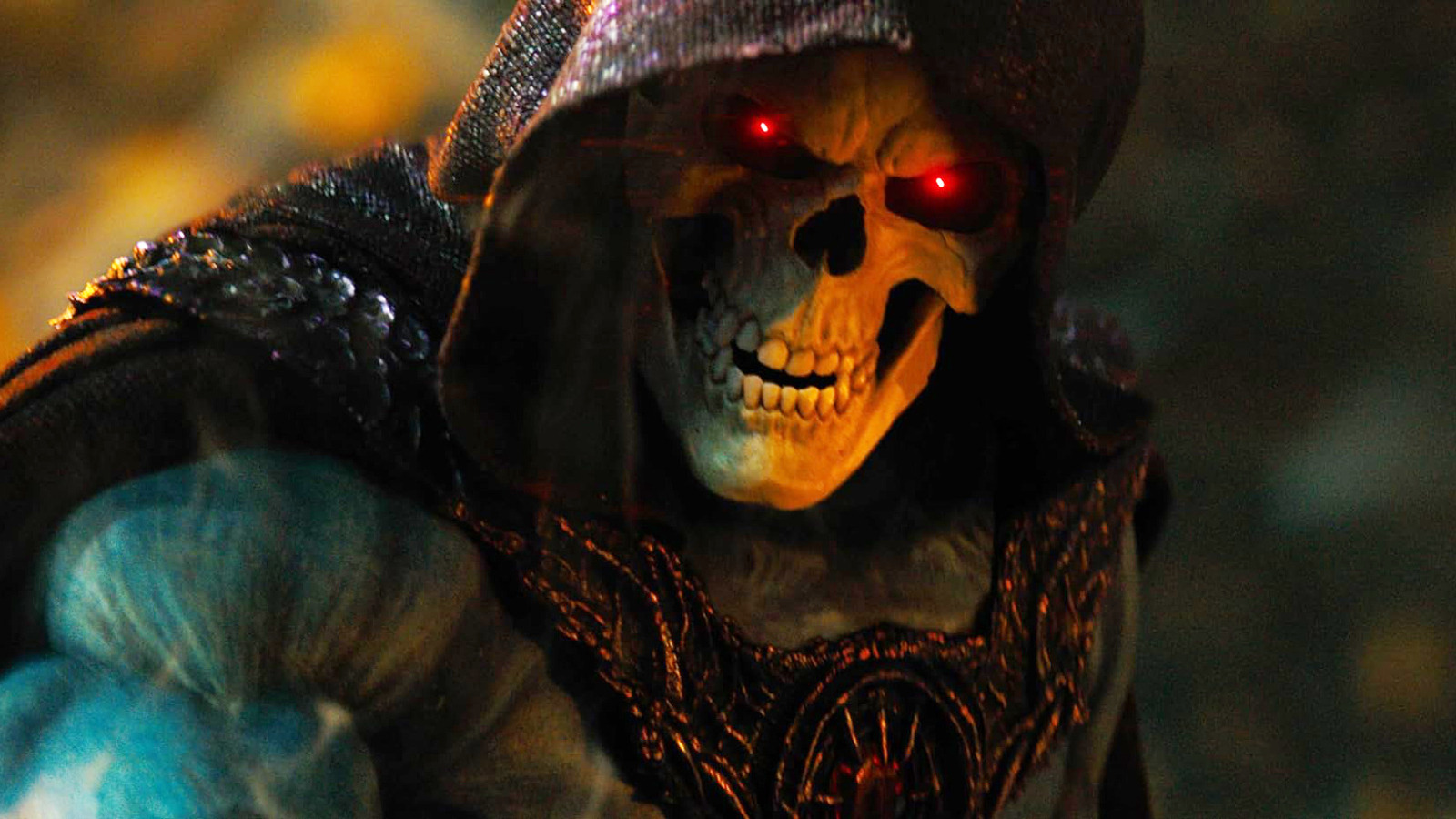
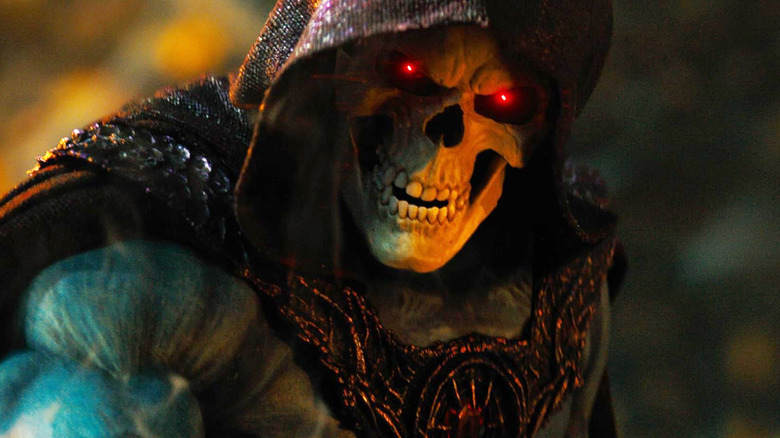
While a report from Puck highlights that Leto’s voice was briefly teased in a trailer, his physical transformation into the iconic Skeletor is so heavily obscured by CGI and prosthetics that the star’s recognizable features are entirely absent. This raises a critical question: If the studio is paying a reported $5 million for his involvement—a fee that presumably includes promotional obligations—why is he nowhere to be found?
A Chronology of Declining Returns
To understand the friction surrounding Leto’s involvement, one must look at the recent trajectory of his career. The industry’s relationship with Leto has shifted from viewing him as a "prestige draw" to labeling him a "box office liability."
The Decade of Disappointment
- 2016 – The Peak: Suicide Squad stands as the last major commercial success of Leto’s career, grossing $749 million globally. However, the film was a critical failure, and his portrayal of the Joker remains one of the most polarizing performances in recent comic-book history.
- 2017 – The Warning: Blade Runner 2049 was a critical darling but a commercial catastrophe, earning only $276 million against an exorbitant $185 million budget. It served as a grim indicator that Leto’s presence could not move the needle for high-concept, expensive projects.
- 2022 – The Morbius Effect: Sony’s Morbius became a meme-worthy symbol of studio desperation. Despite Sony’s attempts to frame the film as profitable, the critical drubbing and the subsequent box-office performance solidified the narrative that Leto’s name did not guarantee an audience.
- 2023–2025 – The Pattern Continues: Recent years have seen a string of underwhelming performances, including The Little Things, House of Gucci, and Disney’s Haunted Mansion, which failed to recoup its substantial budget.
- 2025 – The Final Straw: The release of Tron: Ares cemented the perception of Leto as "box office poison." As one of the biggest flops of 2025, it signaled to studios that audiences were no longer willing to show up simply because the actor was on the poster.
The Financial Stakes: Why Amazon is Worried
Amazon MGM Studios is not just looking for a theatrical hit; they are looking to establish a franchise that will drive subscriptions for Prime Video. With a $175 million production budget, the financial runway for Masters of the Universe is narrow.
Current tracking data from Box Office Theory suggests a domestic opening in the $25 million to $35 million range. This is a precarious position for a blockbuster of this scale. To put this in perspective, the film is expected to be soundly defeated in its opening weekend by a spoof sequel, Scary Movie, which is tracking to double the MOTU numbers.
The studio is essentially facing a "buyer’s remorse" scenario. They hired a high-priced actor to leverage his massive social media following for promotion, but because he is not participating, the studio is left paying a premium for an asset they cannot use. When combined with public discourse on platforms like X (formerly Twitter), where fans have expressed frustration that Leto’s casting "drags down" an otherwise visually impressive project, it becomes clear that the actor has become a net negative for the film’s public perception.
The Shadow of Controversy
Beyond the box office, there is the undeniable weight of personal reputation. In June 2025, an Air Mail exposé renewed focus on long-standing allegations of impropriety against Leto, featuring accounts from multiple women. While Hollywood has a long, regrettable history of looking past such behavior when an actor remains a reliable moneymaker, the calculus changes when the actor is no longer profitable.
In the eyes of studio executives, an actor who brings both commercial risk and public relations baggage is a liability. The fact that Leto is not promoting the film may stem from a mutual desire to minimize exposure: the studio wants to avoid having him face the press, and the actor may be distancing himself from a project he reportedly feels no personal attachment to.
Implications for the Future
The Masters of the Universe situation serves as a microcosm of a larger shift in the entertainment industry. The era of the "unquestionable movie star" is waning, replaced by a data-driven focus on IP and brand loyalty.
Can the Film Recover?
Despite the "Leto problem," there is a glimmer of hope. Early critic reactions have been surprisingly positive, praising the film’s tone, the performance of Nicholas Galitzine, and the creative vision of director Travis Knight. For Amazon, the strategy moving forward is clear: lean into the quality of the film, highlight the rest of the ensemble cast, and hope that the strength of the He-Man brand can overcome the lack of enthusiasm from its villain.
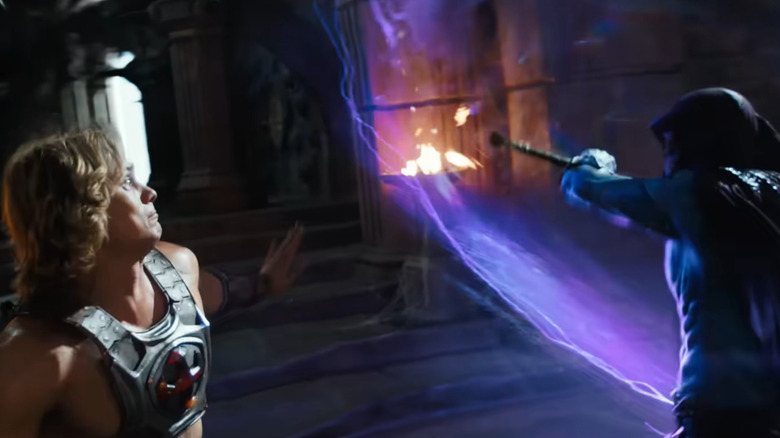
The official synopsis sets the stage for a classic hero’s journey:
After being separated for 15 years, the Sword of Power leads Prince Adam (Nicholas Galitzine) back to Eternia where he discovers his home shattered under the fiendish rule of Skeletor (Jared Leto). To save his family and his world, Adam must join forces with his closest allies, Teela (Camila Mendes) and Duncan/Man-At-Arms (Idris Elba), and embrace his true destiny as He-Man — the most powerful man in the universe.
As the release date of June 5, 2026, approaches, the focus remains on whether the film can stand on its own merits. The mystery of the missing Skeletor will likely remain a footnote in the production’s history, but it serves as a stark reminder that in the modern blockbuster landscape, a star’s biggest role is often their ability to sell the movie—and if they fail to do that, the studio may just learn to move on without them.











No comments yet. Be the first to join the conversation!