

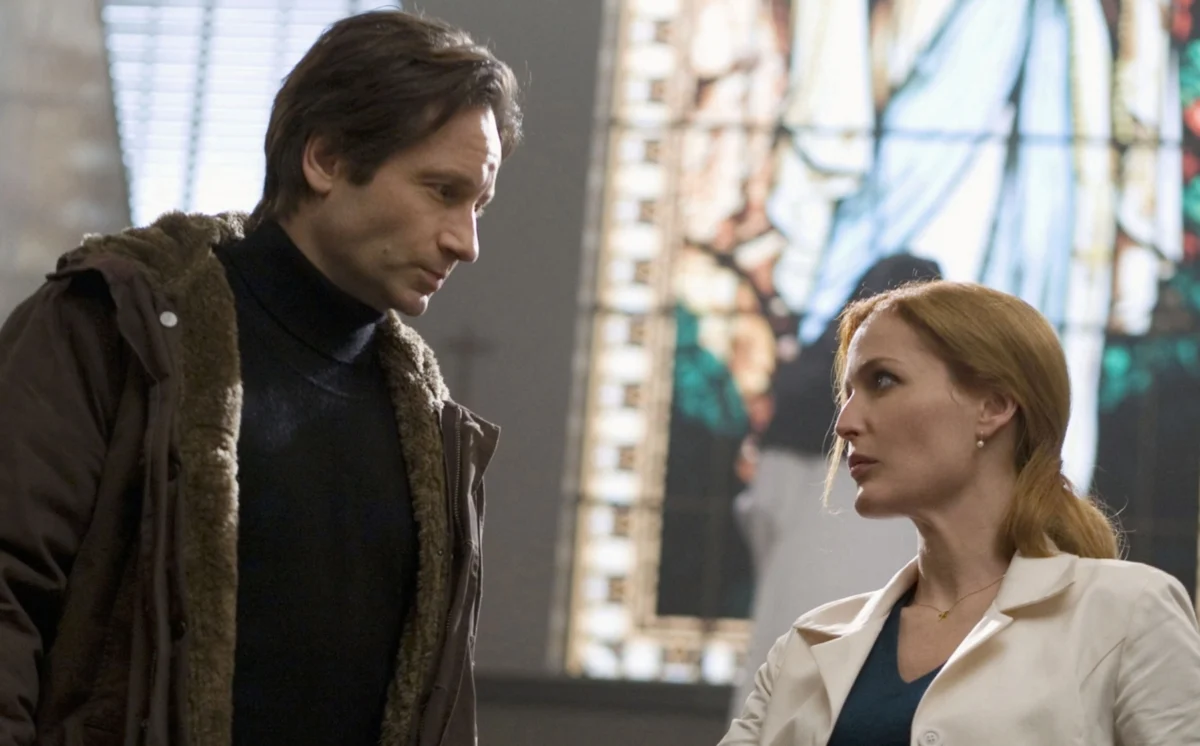
In a move that has sent shockwaves through the dedicated fan base of one of television’s most iconic franchises, Disney has officially announced the upcoming release of a long-rumored "Director’s Cut" of the 2008 feature film, The X-Files: I Want to Believe. Scheduled to arrive on Disney+ on June 11, the announcement marks a significant turning point for the film, which has spent nearly two decades as the "black sheep" of the X-Files cinematic universe.
The revelation came via a surprise press release from the studio, confirming that series creator Chris Carter has finally been given the green light to present his definitive vision of the standalone thriller. While details remain shrouded in the kind of mystery that would make Fox Mulder proud, the industry is buzzing with anticipation regarding the scope of the restoration and the potential for a tonal shift in a movie that, for many, failed to capture the supernatural essence of the original series.
A Legacy of Compromise: The History of the 2008 Cut
To understand the weight of this announcement, one must look back to the production climate of the late 2000s. When The X-Files: I Want to Believe hit theaters in July 2008, expectations were sky-high. The series had concluded its nine-season run on Fox in 2002, and fans were desperate for a return to the chemistry between David Duchovny’s Fox Mulder and Gillian Anderson’s Dana Scully.
However, the final product was met with a lukewarm critical reception and a polarized audience. While some appreciated the "Monster of the Week" approach, which eschewed the dense mythology of the show for a grounded, grit-heavy procedural, many felt the film lacked the eerie, otherworldly atmosphere that defined the show’s peak.
The root of this disconnect, as it turns out, was a protracted struggle between Carter’s creative instincts and the studio’s desire for commercial accessibility. In a revealing 2025 interview on David Duchovny’s podcast, Fail Better, Carter laid bare the frustrations of the era. He spoke candidly about his battle with the brass at 20th Century Fox, who were adamant that the film maintain a PG-13 rating to maximize its theatrical reach.
"I made it too scary, basically, and I was told so by the brass at Fox," Carter admitted. The process of satisfying the studio’s demands became a grueling cycle of cutting and altering. Even after stripping away the most intense sequences to satisfy the studio, the film was still flagged by the ratings board, forcing further compromises. Carter noted that the constraints of the time were ironically tighter for cinema than for the network television environment that birthed the show.
Chronology of the "Rescued" Project
The journey to this Director’s Cut has been anything but linear.
- 2008: The X-Files: I Want to Believe is released in theaters, featuring a PG-13 cut that Carter describes as a shadow of his original intent.
- 2008–2009: The DVD release includes an "Extended Cut," which adds a few minutes of character-focused footage but fails to address the fundamental tonal issues or the intensity of the horror elements.
- 2016–2018: The show enjoys a successful, albeit polarizing, two-season revival on Fox. During this time, discussions regarding the legacy of the second film gain traction among fans on social media.
- 2025: During the Fail Better podcast, Chris Carter publicly signals his desire to "go back and make the scary movie that I always intended."
- June 11, 2025: Disney+ is set to host the exclusive premiere of the fully realized Director’s Cut, effectively "rescuing" the project from its compromised theatrical state.
Analyzing the Structural Shifts: What to Expect
While the studio has been tight-lipped about the exact runtime and specific scenes included in the new cut, insiders suggest that the changes will be more than just "extra footage."
The original 2008 film operated in a space similar to David Fincher’s Se7en or Jonathan Demme’s The Silence of the Lambs. It was a bleak, snowy, and clinical meditation on faith and science. If the rumors are true, Carter intends to push this tone to its breaking point. By restoring scenes involving the film’s more visceral horror elements—elements that were previously sanitized to achieve the PG-13 rating—the Director’s Cut could potentially reframe the film as a much darker, more mature entry in the X-Files canon.
Critics of the original film frequently cited its "disjointed" pacing and "underdeveloped" plot points. A primary question remains: can a Director’s Cut fix the film’s core structural flaws? If the additional footage provides the necessary character beats that were stripped out to keep the runtime lean for multiplexes, we may find that the film’s perceived "lack of development" was merely a symptom of the editing room floor.
Official Responses and Creative Vision
The creative community has largely reacted with excitement. In the world of modern media, where "Director’s Cuts" are often synonymous with redemption arcs—think the Zack Snyder’s Justice League phenomenon—fans are hopeful that this release will elevate I Want to Believe from a forgotten curiosity to a cult classic.
Chris Carter’s own comments on the project underscore that this is not a cynical attempt at a re-release. "It’s not just doing a director’s cut to do a director’s cut," Carter emphasized. "It’s really kind of bringing to life something that for me was on the page and never got to the screen."
For Disney, the move is a strategic one. By leaning into the nostalgia of the 90s and 2000s, the studio is curating its library to cater to the aging but loyal millennial and Gen X audience that grew up with the show. Integrating a "definitive version" of an X-Files film into the Disney+ ecosystem serves to increase the platform’s prestige and provides a compelling reason for subscribers to revisit the entire X-Files back catalog.
Implications for the Franchise and Industry
The implications of this release extend beyond the X-Files fandom. It sets a precedent for how studios might treat "compromised" works from the late 90s and early 2000s. As streaming platforms look for ways to differentiate their content libraries, the "Director’s Cut" model offers a high-value, low-cost method to generate buzz for legacy titles.
Furthermore, this release reopens the conversation about the future of the X-Files brand. With constant rumors of potential reboots or spin-offs, a successful re-evaluation of I Want to Believe could provide the momentum needed for Disney to greenlight new, high-budget projects within the franchise.
For the die-hard "X-Philes," the wait is almost over. On June 11, the truth—or at least the version of it that Chris Carter originally envisioned—will finally be on display. Whether this version manages to silence the critics or simply adds another layer to the complex, decades-long history of the show, one thing is certain: the conversation surrounding Mulder and Scully’s second big-screen outing has been irrevocably changed.
As we approach the release date, the question is no longer whether I Want to Believe was a failure, but rather whether it was simply a masterpiece waiting for the right conditions to emerge. By allowing the creator to strip away the artifice of studio mandates, Disney may have inadvertently given us the best possible epilogue to one of television’s greatest mysteries.











No comments yet. Be the first to join the conversation!