


In the hyper-connected digital landscape of 2026, social media has evolved far beyond a marketing channel. For the modern enterprise, every post, comment, and direct message represents a potential legal, financial, or reputational liability. As regulatory bodies tighten their grip on digital communications, the ability to "move fast and break things" is no longer a viable corporate strategy—it is a recipe for catastrophic fines and brand erosion.
To navigate this complexity, organizations are turning to specialized social media compliance tools. These platforms serve as the essential guardrails that allow enterprises to maintain an active, engaging social presence while adhering to the stringent requirements of industries like finance, healthcare, and government.

The Regulatory Landscape: Why Compliance is No Longer Optional
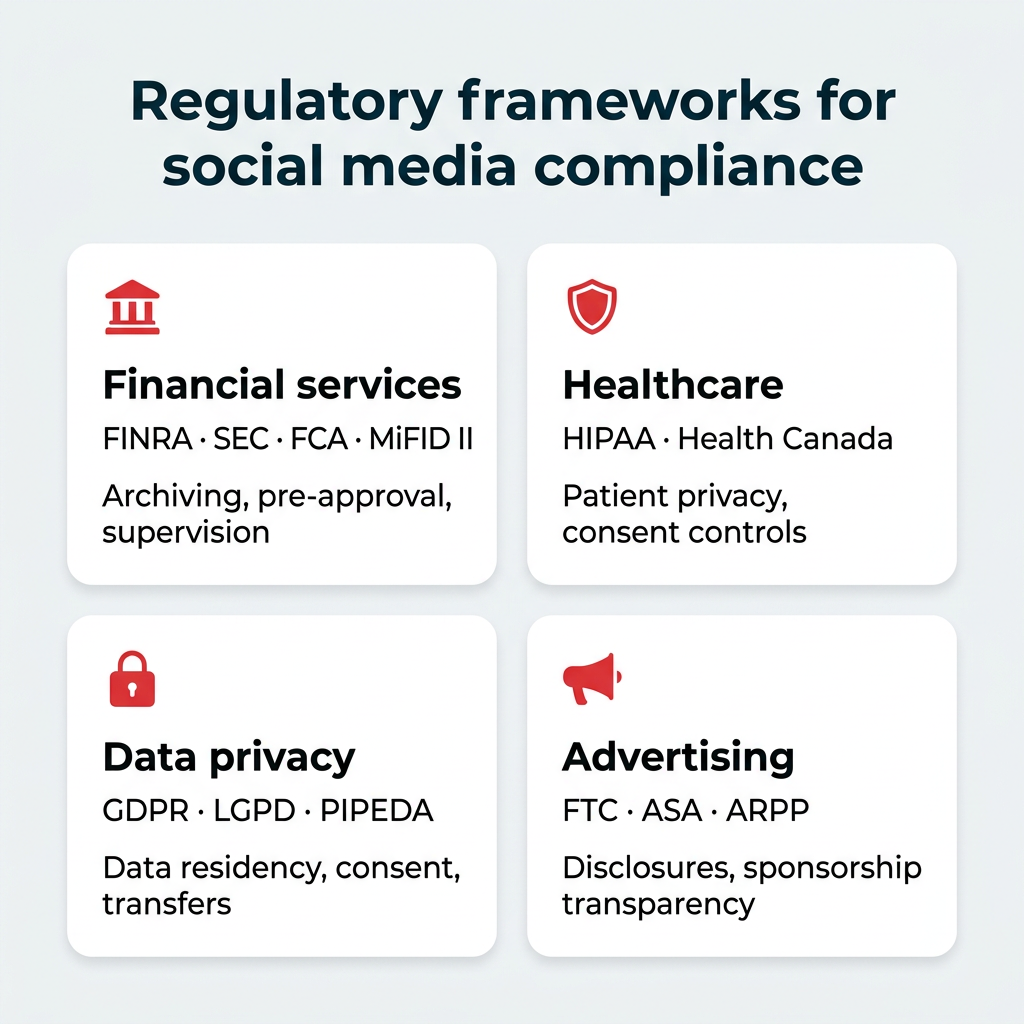
The urgency surrounding social media compliance is driven by a surge in global regulatory enforcement. Financial services firms, for instance, are under the constant watchful eye of the SEC, FINRA, the FCA, and MiFID II. The consequences of negligence are severe; recently, a brokerage firm was slapped with a $350,000 fine for failing to monitor influencer activity.
In the healthcare sector, the stakes are even more personal. HIPAA violations involving the exposure of protected health information (PHI) can trigger penalties reaching into the millions of dollars. The 2025 incident involving a Santa Barbara clinic—where staff posted unauthorized content featuring patients—serves as a stark reminder. While the organization avoided a federal fine, the reputational damage and the immediate necessity of internal investigations underscored the need for robust, automated compliance controls.

Furthermore, with global data privacy regulations like the GDPR, LGPD, and PIPEDA, the physical location of data storage and the integrity of consent management have become cornerstones of legal operation. Gartner projects that enterprises will spend over $30 billion by 2028 solely to combat misinformation and ensure digital content integrity, highlighting that compliance is now a board-level priority.
Core Pillars of Compliance: How Specialized Tools Differ
While generic social media management platforms are excellent for scheduling and engagement, they lack the "hard-coded" governance required for the enterprise. A dedicated compliance tool operates as a defensive layer between the marketing team and the public.
1. Multi-Tiered Approval Workflows
In a regulated environment, content cannot go live without a paper trail. Compliance tools provide automated, mandatory review gates. A post drafted by a social media manager must be digitally signed off by legal or compliance officers before it can be published. This ensures that no piece of content—or even a comment reply—reaches the audience without official vetting.
2. Tamper-Proof Archiving
Regulatory audits require an immutable record of all communications. Compliance platforms provide "WORM" (Write Once, Read Many) storage, ensuring that every post, edit, deletion, and engagement is logged in a timestamped, tamper-proof archive. This is critical for meeting FOIA (Freedom of Information Act) requirements in the public sector or demonstrating regulatory adherence during a surprise FINRA examination.

3. Automated Risk Detection
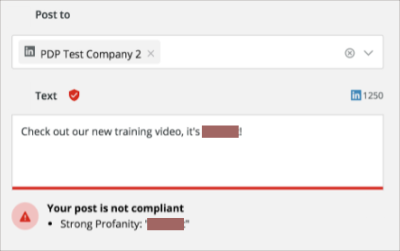
Modern compliance platforms use lexicon-based screening and AI to monitor incoming and outgoing content. If a team member drafts a post containing forbidden financial advice or potentially offensive language, the system flags it in real-time, preventing the error before it occurs.
The Role of AI in Modern Governance
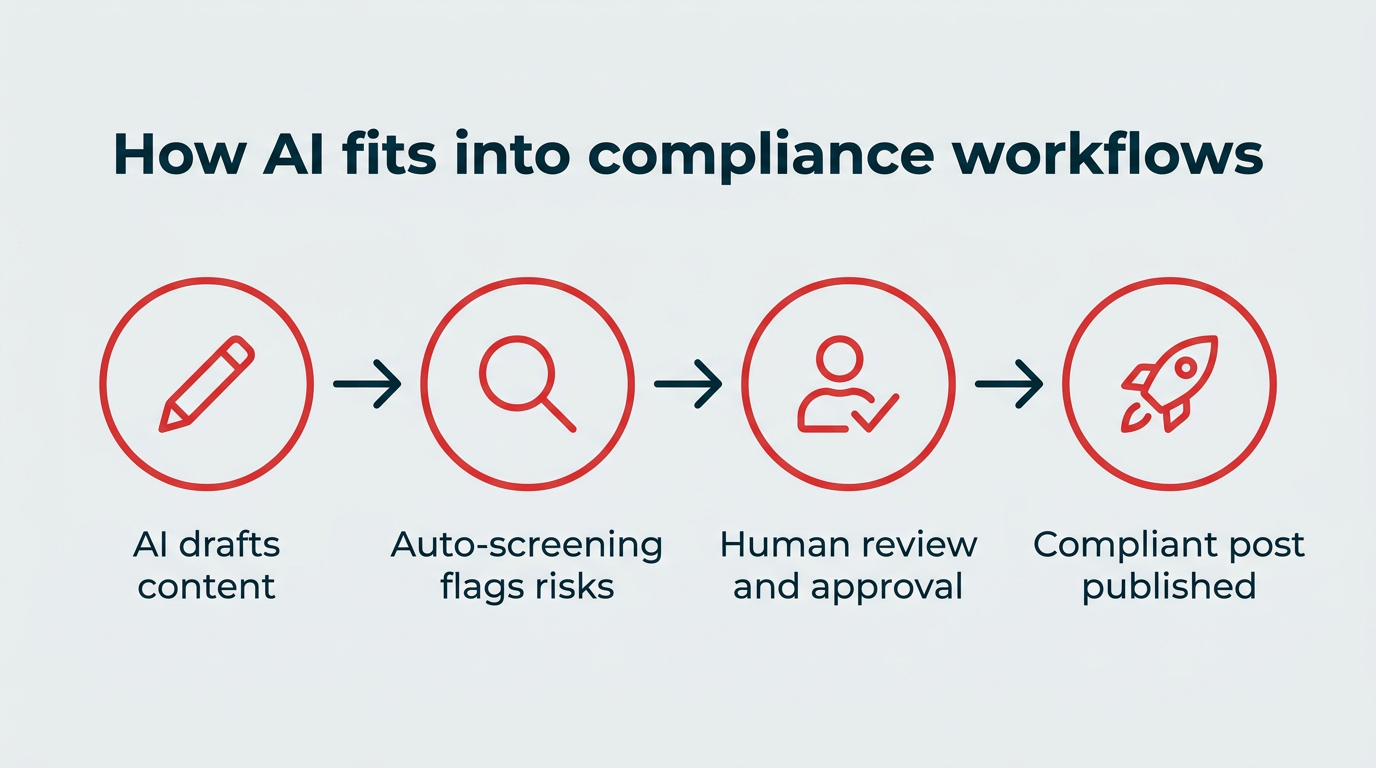
Artificial Intelligence is both a tool and a challenge for compliance teams. On one hand, AI-powered systems can now scan thousands of social interactions per hour, identifying sentiment shifts or potential policy violations that would be impossible for a human team to monitor manually.
However, the rise of generative AI also creates "hallucination risks." Enterprises utilizing AI to draft social content must ensure that these tools are integrated into a secure, human-in-the-loop workflow. Platforms like Hootsuite, which combine content creation AI (OwlyWriter) with enterprise-grade approval workflows and Proofpoint integration, demonstrate the "best practice" approach: use AI to increase speed, but never bypass the governance layer.
A Chronology of Compliance Evolution
The path toward the current, highly regulated social media environment has been steady and deliberate:

- 2010–2015: Social media was largely treated as an unregulated "wild west." Marketing teams operated with minimal oversight, and few firms maintained archives of their social presence.
- 2016–2020: High-profile data scandals (such as the Cambridge Analytica incident) forced a massive shift in privacy expectations. The GDPR came into effect, and regulatory bodies began to view social media as a "record of communication" equivalent to email or phone calls.
- 2021–2024: The "Influencer Era" triggered a wave of FTC crackdowns regarding transparency and sponsored content disclosures. Companies were held responsible for the behavior of their third-party partners.
- 2025–Present: We have entered the "AI Governance Era." The focus has shifted from simple archiving to proactive, automated risk mitigation, with AI being used to detect misinformation, bias, and regulatory breaches in real-time.
Strategic Selection: Matching Your Needs to the Right Platform
Choosing a compliance tool requires an honest assessment of your organizational risk profile.
| Industry | Primary Requirement | Recommended Tooling Strategy |
|---|---|---|
| Financial Services | Archiving & Supervision | Hootsuite + Proofpoint + Smarsh/Global Relay |
| Healthcare | Privacy & HIPAA Compliance | Hootsuite + Strict Approval Workflows |
| Public Sector | Audit Trails (FOIA) | MirrorWeb or Pagefreezer |
| Global Enterprise | Scale & Multi-Region Governance | Sprinklr |
Deep Dive: Leading Platforms
- Hootsuite: The industry standard for balancing productivity with compliance. Its strength lies in its ability to integrate with specialized third-party compliance tools while providing a user-friendly interface for day-to-day operations.
- Sprinklr: The heavy-hitter for Fortune 500 companies. It offers massive scalability, capable of monitoring 30+ networks and managing complex global governance frameworks.
- Proofpoint: Essential for regulated firms. It excels at pre-publish review and content classification, acting as the "security guard" for your publishing pipeline.
- Red Oak: A niche, high-performance tool specifically built for the nuances of financial compliance (FINRA/SEC).
Implications: The ROI of "Doing It Right"
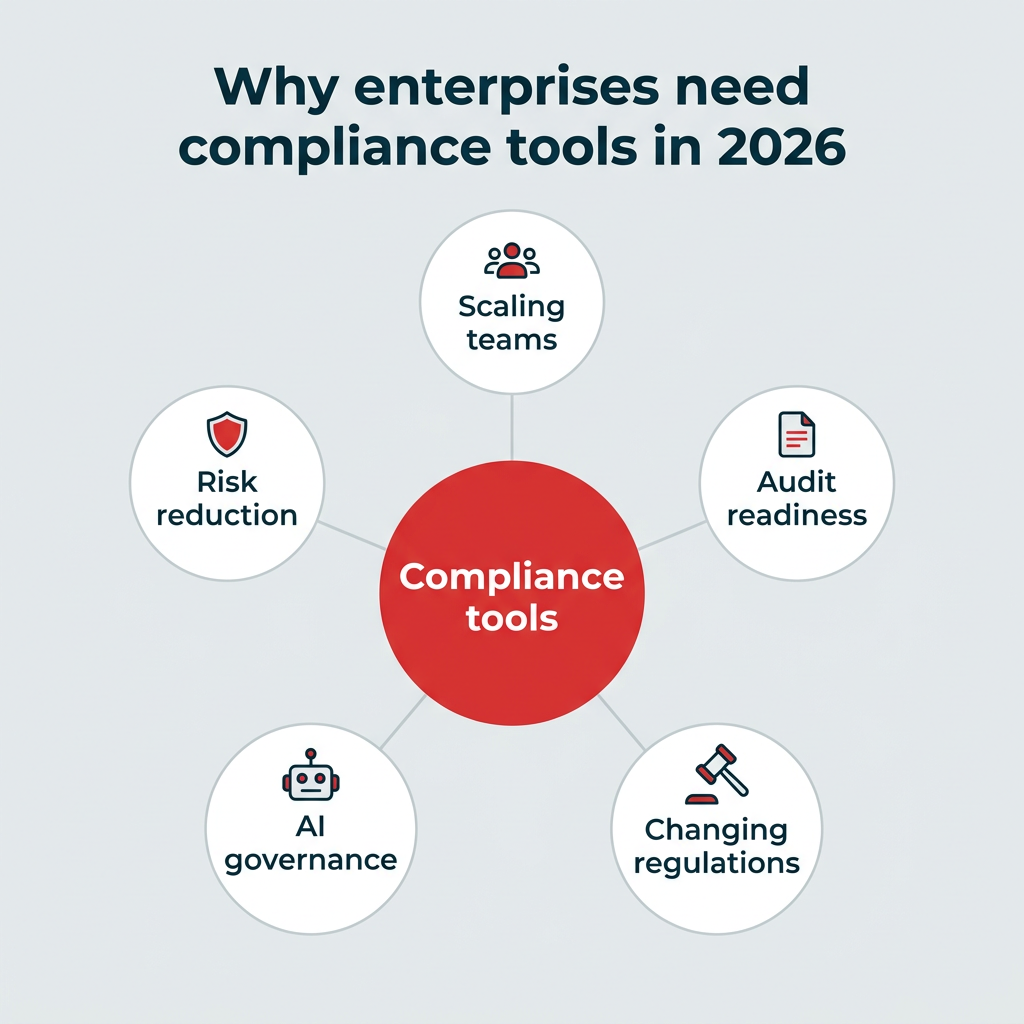
Many executives view compliance as a "cost center." This is a fundamental misunderstanding of the modern digital landscape. The true return on investment for a robust compliance strategy is the preservation of brand equity.
When a brand communicates factual, accurate, and compliant information, it builds trust. In an era where misinformation is rampant, being the "source of truth" is a competitive advantage. Furthermore, the cost of implementing a compliance tool is a fraction of the cost of a single major regulatory fine or the multi-million dollar expense of a brand-damage recovery campaign.
As Jason Sanders, Senior Digital Marketing Lead at UBC, notes: "The true measurement isn’t just avoiding fines. It’s about ensuring our audience receives factual information so they can make informed decisions. When you do it right, your leading indicator should be the absence of negative feedback."
Final Recommendations for Enterprises
To successfully implement a social media compliance strategy in 2026, organizations should:
- Conduct a Risk Audit: Identify which regulations apply to your specific industry and where your current "blind spots" exist.
- Formalize Policies: Ensure your internal social media policy is not just a document, but a set of enforceable rules integrated into your software.
- Invest in Integrated Tooling: Avoid "siloed" solutions. Your management platform should talk to your archive platform seamlessly.
- Prioritize Training: Technology is only half the battle. Regular training for employees—ranging from social media managers to the C-suite—is vital to maintaining a culture of compliance.
In conclusion, the era of "move fast and break things" is over. The era of "move fast and stay compliant" has arrived. By embracing the right tools and fostering a culture of accountability, enterprises can leverage the power of social media to connect with their audiences while insulating themselves from the risks of the digital age.











No comments yet. Be the first to join the conversation!