Dwi Wanna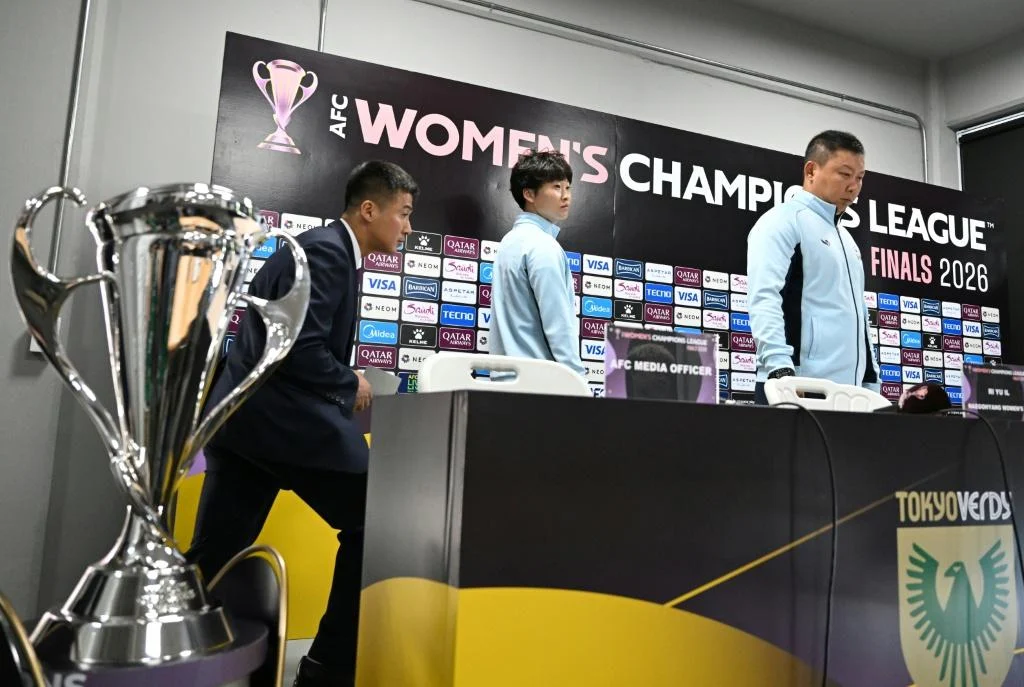
SUWON, South Korea — In a rare moment of sporting diplomacy that has transcended the frigid political climate of the Korean Peninsula, the North Korean women’s football team, Naegohyang FC, is preparing for the inaugural Asian Women’s Champions League final in Suwon. Their presence in the South—the first such visit by a North Korean sports team in eight years—has become a focal point of intense public interest, marking a fleeting, high-stakes intersection of athletics and geopolitical symbolism.
As Naegohyang prepares to face Japan’s Tokyo Verdy Beleza this Saturday, the air surrounding the team is thick with both competitive intensity and the weight of cross-border relations.
The Context: A Rare Incursion into the South
The arrival of Naegohyang FC at Incheon International Airport last week was met with a spectacle rarely seen in recent years. Surrounded by throngs of journalists and citizens holding signs of welcome, the players represented a brief thaw in the long-standing hostility between Pyongyang and Seoul.
The team’s journey to the final was secured through a high-profile victory against the local favorites, Suwon FC Women, in the semifinals. The match, played under torrential rain at the Suwon World Cup Stadium, was a sell-out; all 7,087 tickets were claimed within hours of their release. The atmosphere inside the stadium was unique, with civic groups supported by Seoul’s Unification Ministry cheering for both sides, turning a standard regional club match into a display of potential reconciliation.
Addressing the Narrative: The "Rough" Controversy
Despite the diplomatic goodwill, the team has faced criticism regarding their style of play. Some players from opposing teams and segments of the South Korean public have characterized Naegohyang’s playstyle as "rough," a label that coach Ri Yu Il vehemently disputes.
Speaking at a press conference on Friday, Ri addressed the accusations with a mix of professional detachment and firm defense of his squad’s integrity. "Since coming here, I have heard the expression ‘rough match’ being used several times," Ri noted. "First of all, I don’t really understand what that means. Since football is a game played according to rules and with referees present, I don’t really know what that expression implies."
The semifinal against Suwon saw three Naegohyang players and two Suwon players booked with yellow cards. While the match was physical, it remained largely free of unsportsmanlike conduct or major flashpoints. Ri emphasized that his team is focused on tactical discipline rather than aggression, hoping the final will be governed strictly by the letter of the law.
Chronology of the Tournament Run
The Naegohyang journey to the final has been a narrative of resilience and tactical growth.
- Group Stage (Myanmar): The team faced their upcoming opponents, Tokyo Verdy Beleza, early in the tournament. In that encounter, the Japanese side dominated, securing a 4-0 victory. This result serves as a stark reminder of the challenge awaiting the North Koreans in the final.
- Semifinal (Suwon): The team demonstrated significant improvement, defeating Suwon FC Women in a tense, weather-affected match. Captain Kim Kyong Yong, the standout performer of the tournament, scored the decisive winning goal, signaling that Naegohyang had adjusted to the pressure of playing in the South.
- The Final (Suwon): Saturday’s clash represents the culmination of the tournament, pitting the disciplined, high-pressing North Korean side against the technically proficient Japanese champions.
Supporting Data: North Korea’s Footballing Prowess
The emergence of Naegohyang on the international stage is not a fluke. Women’s football remains a pillar of North Korea’s national sporting identity, consistently outperforming the men’s national team.
Currently, North Korea sits at 11th in the FIFA women’s world rankings, a testament to the country’s robust, state-sponsored athletic development programs. In contrast, the North Korean men’s team is ranked 118th. This disparity highlights the specific strategic investment Pyongyang has made in women’s sports, viewing them as a crucial vehicle for national prestige on the global stage.
"We have accumulated considerable experience and lessons from the matches so far," said team captain Kim Kyong Yong. "In this match, we will make full use of the strong mental fortitude unique to Korean women, our high collectivist spirit, and various game strategies to ensure we become victors."
Official Responses and Tactical Outlook
Both coaching staffs are acutely aware of the stakes—not just for the title, but for the psychological momentum of their respective programs.
Coach Naoki Kusunose of Tokyo Verdy Beleza has warned against complacency. Despite his team’s resounding 4-0 win in the group stage, he remains wary of the "power and skill" displayed by the North Korean side. "We beat them in the first round, but it won’t be easy to do that again," Kusunose told reporters. "We will need to take maximum care, or we will be overpowered."
For his part, Ri Yu Il views the final as a developmental milestone. "I hope this final serves as a valuable opportunity for our team to develop into a stronger and more excellent team," Ri said. "I believe this is a goal just as important as winning the championship." This statement underscores a broader North Korean philosophy: that every international engagement is a chance to refine their "collectivist spirit" and demonstrate the efficacy of their training methodologies.
Implications for Future Diplomacy
The presence of Naegohyang in Suwon carries weight far beyond the pitch. In a region where communication channels between North and South are often severed, sports diplomacy remains one of the few conduits for engagement.
The Role of Civic Support
The involvement of civic groups backed by the Unification Ministry suggests a coordinated effort by the South Korean government to use the tournament as a platform for dialogue. By hosting the North Korean delegation, Seoul is attempting to keep the door open for future athletic and cultural exchanges, despite the lack of formal diplomatic progress.
The "Collectivist Spirit"
Observers have noted that Naegohyang’s playstyle—characterized by high-intensity pressing and rigid tactical adherence—is a direct reflection of the "collectivist spirit" mentioned by Captain Kim. While some Western observers might find the team’s discipline robotic, others see a level of synchronization that is rare in modern women’s football.
The Future of the Asian Women’s Champions League
This tournament is the inaugural iteration of the Asian Women’s Champions League, and the success of the event—marked by the inclusion of a North Korean side—positions it as a significant rival to established leagues in Europe and North America. Should the tournament continue to facilitate such cross-border participation, it could evolve into a vital pillar of stability in East Asian relations.
Conclusion: A Match of More Than Just Points
As Saturday’s final approaches, the focus remains on the tactical battle between Tokyo’s technical precision and Naegohyang’s mental and physical resilience. Yet, for the spectators, the media, and the political observers watching from the sidelines, the match represents a fragile opportunity.
Whether Naegohyang FC lifts the trophy or falls to Tokyo Verdy Beleza, their presence in Suwon has already achieved a secondary, perhaps more lasting victory: a temporary normalization of contact in a region defined by isolation. The players themselves appear focused on the game, but the world is watching for the message their presence sends—a reminder that even amidst the most rigid geopolitical walls, the spirit of competition can occasionally find a way to bridge the divide.
The final whistle on Saturday will not only crown a champion but will also close a chapter on a rare, high-stakes visit that has once again highlighted the unique, complex, and often unpredictable role that North Korean sports play on the global stage.
© 2026 AFP


 Neng Nana
 Asro
Asro