Muslim
For many fitness enthusiasts, the squat and the lunge serve as the twin pillars of lower-body development. These compound movements are fundamental for building muscle, increasing functional strength, and enhancing metabolic output. However, despite their effectiveness, they are also two of the most commonly butchered movements in the gym. Whether due to restricted ankle mobility, tight hip flexors, or a lack of core stability, many people find themselves unable to execute these exercises through a full range of motion.
If you are looking to bridge the gap between being "stiff" and being strong, there is a specialized movement gaining traction among personal trainers and physical therapists: the platypus walk. This dynamic mobility drill is designed to open the hips, prime the glutes, and prepare the lower body for the rigors of heavy lifting.
The Science of the Movement: What is a Platypus Walk?
At its core, the platypus walk is a variation of the classic "duck walk," but with a specific focus on structural alignment and hip engagement. To perform the movement, you sit into a deep, wide-stance squat. From this low position, you place your hands behind your head, retract your shoulder blades, and begin to "walk" forward while maintaining a perfectly vertical torso. You then reverse the movement, walking backward to your starting point.
Unlike the traditional duck walk—which often forces the torso forward and places undue stress on the knees—the platypus walk keeps the hips slightly higher, with the thighs roughly parallel to the ground. This specific positioning forces the quadriceps to work under sustained tension while the wide stance recruits the adductors (inner thighs) and the gluteus medius (outer glutes). By keeping the chest "proud" and the shoulder blades squeezed together as if holding a pen between them, you turn a lower-body exercise into a full-body engagement drill that challenges your core and upper-back stability simultaneously.
Chronology of the Drill: From Rehab to Performance
Historically, exercises involving deep squatting walks were relegated to the realm of competitive weightlifting and martial arts conditioning. Over the last decade, however, the fitness industry has undergone a paradigm shift. We have moved away from "static stretching"—the practice of holding a reach for 30 seconds before a workout—and toward "dynamic mobility."

In the early 2010s, elite strength coaches began incorporating walking-based squat variations as a means to "unlock" hips that had been tightened by excessive sitting. The logic was sound: if you cannot perform a deep, controlled squat, adding weight to a barbell is a recipe for injury. By integrating the platypus walk as a primary warm-up, coaches found that athletes could reach greater depths in their back squats within a single session. Today, it is a staple in high-performance programs, including Hyrox training and functional fitness bootcamps, serving as both a diagnostic tool and a muscle-builder.
Supporting Data: Why Mobility Matters
Lower-body mobility is not merely a concern for the elderly; it is a critical fitness marker that begins to decline as early as age 35. For sedentary individuals, the lack of movement leads to "adaptive shortening" of the hip flexors and weakening of the posterior chain. Even for highly active individuals, the repetition of singular movement patterns—like running or cycling—can lead to muscle imbalances and joint instability.
The platypus walk addresses these issues through a concept known as active mobility. Unlike passive stretching, which simply elongates a muscle, active mobility forces the joints to move through their full range of motion under tension. This builds "strength at length."
Consider these three primary benefits:
- Ankle Dorsiflexion: By forcing the heel to strike the ground first during the walk, the exercise improves the mobility of the ankle joint, which is the most common limiting factor in a deep squat.
- Glute Activation: The wide stance forces the glutes to stabilize the pelvis, effectively waking up the "sleeping" muscles that are often underutilized during prolonged periods of sitting.
- Thoracic Engagement: By placing the hands behind the head or holding a weight overhead, the movement forces the upper back (thoracic spine) to maintain an upright position, preventing the "hunch" that plagues many gym-goers.
Progressive Loading: How to Scale the Intensity
One of the most common misconceptions in fitness is that "mobility work" is easy. While it is beginner-friendly, it is also infinitely scalable. For those new to the movement, performing the walk with only your bodyweight is sufficient to feel the burn in the quads and glutes.

However, once you have mastered the form, you can employ the principle of progressive overload. This does not always mean adding more weight. You can increase the volume by:
- Increasing the Time Under Tension: Perform the walk for 60 seconds instead of a set number of steps.
- Adding Resistance: Hold a dumbbell or a kettlebell in a goblet position at the chest. As you progress, you can hold a weight plate behind your head, which adds a significant challenge to your upper-back stabilizers.
- The Overhead Variation: This is the "gold standard" of the movement. By holding a weight overhead with locked-out arms, you are forced to maintain perfect posture. If your chest drops forward, you lose the weight. It is an immediate biofeedback mechanism that ensures your form remains perfect.
Expert Perspective: Integrating the Drill into Your Routine
As a personal trainer, I have found that the most common mistake with the platypus walk is the "ball-of-the-foot" landing. Many people, feeling the intensity in their quads, instinctively shift their weight forward onto their toes. This is counterproductive; it removes the engagement from the glutes and shifts the stress to the knees. Always focus on landing with the heel.
Furthermore, it is vital to distinguish between mobility and stretching. Stretching is a static endeavor, often used to recover after a session. Mobility is a dynamic, active process. I recommend performing 3 to 4 sets of 15-20 steps as a warm-up. This serves as a "neurological primer," sending signals to your brain that it is time to recruit your lower-body musculature.
Implications for Longevity
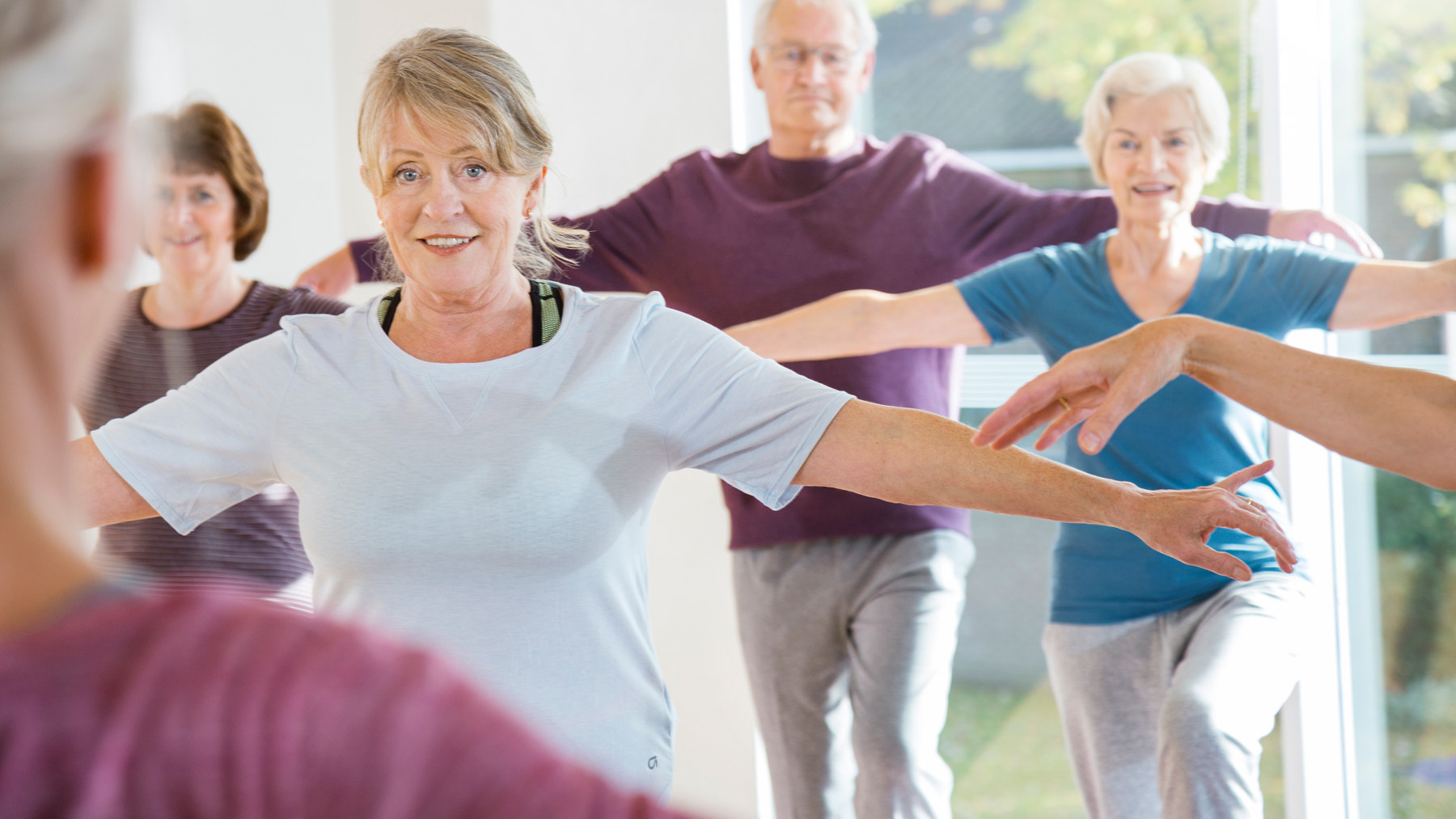
The long-term implications of incorporating movements like the platypus walk are significant. We live in a society that is increasingly sedentary, which creates a "use it or lose it" scenario for our joints. By the time many people reach their 50s, the inability to squat, lunge, or balance effectively can lead to a loss of independence.
Prioritizing strength training and active mobility at any age is the best insurance policy against injury. By training your body to be resilient, you are not just preparing for your next gym session—you are preparing for the decades ahead.
If you have been feeling "stiff" or if your squats have plateaued, the solution is rarely to "push harder." Instead, it is to move better. The platypus walk is an elegant, highly effective way to do exactly that. Start with your bodyweight, focus on your posture, and watch as your lower-body mechanics—and your overall strength—begin to transform.
Summary Checklist for Success
- Posture: Keep the chest proud and the shoulder blades retracted.
- The Landing: Always lead with the heel to protect the knees and improve ankle mobility.
- The Depth: Keep the thighs parallel to the ground; do not let the hips rise too high or drop into a full "ass-to-grass" squat, as this changes the muscle recruitment pattern.
- The Consistency: Perform this as a warm-up 3-4 times a week to see cumulative improvements in your hip range of motion.
The next time you head to the gym, skip the static quad stretches. Get down into the squat, keep your back straight, and walk like a platypus. Your joints—and your future self—will thank you.


 Neng Nana
 Sagoh
Sagoh