

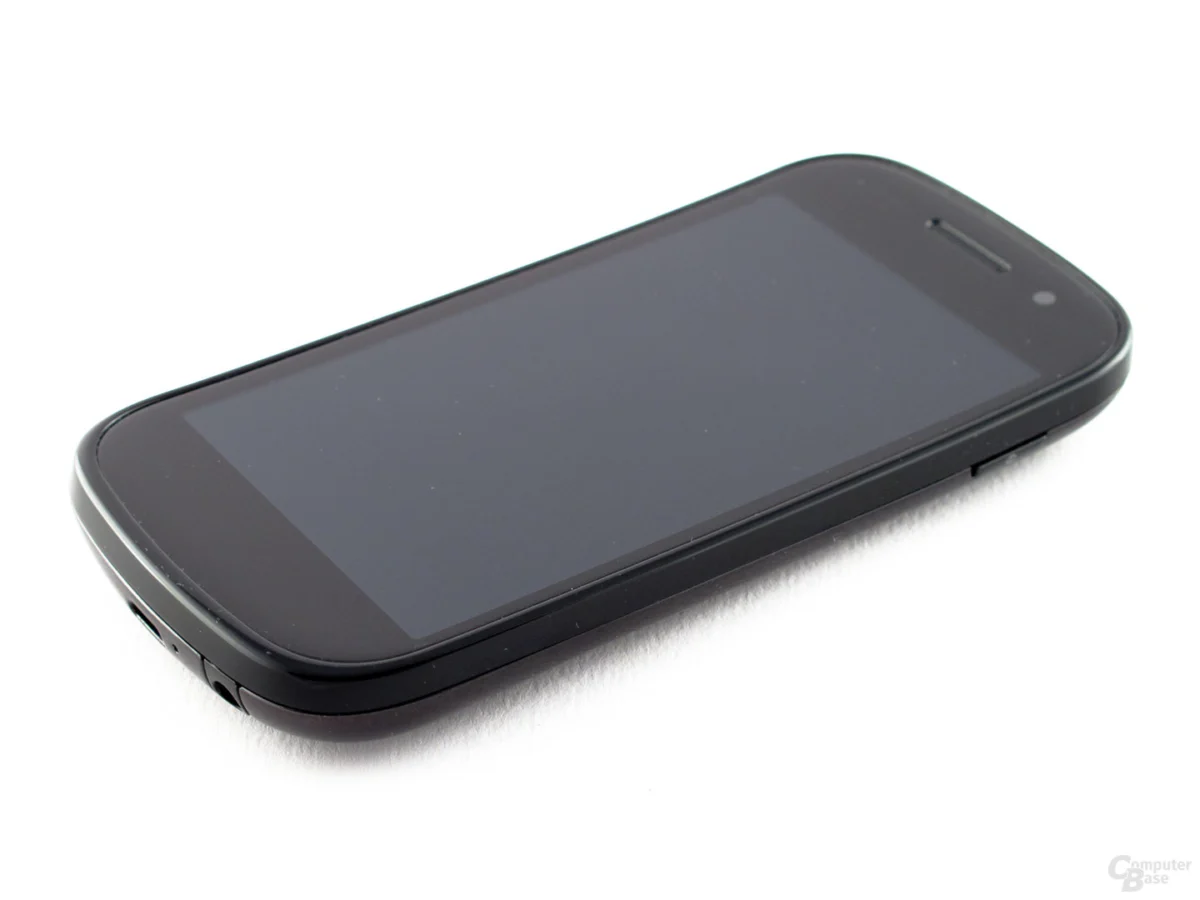
After the commercial disappointment of the Nexus One, Google found itself at a crossroads. The search giant’s initial foray into hardware had been an experimental, direct-to-consumer attempt to disrupt the mobile market. When it failed to gain significant traction, Google pivoted. The result was the Nexus S—a collaborative effort with Samsung that sought to refine the "pure Android" experience and establish a new benchmark for what a smartphone could be.
Released in late 2010, the Nexus S served as the flagship vehicle for Android 2.3 "Gingerbread." Today, we look back at the device that defined an era of clean software, while simultaneously highlighting the hardware compromises that defined the early Android landscape.
Main Facts: The "Clean" Experience
The defining characteristic of the Nexus S was its software philosophy. In an age where smartphone manufacturers were obsessed with "skinning" Android—overlaying complex, often sluggish custom user interfaces like Samsung’s TouchWiz or HTC’s Sense—the Nexus S offered a breath of fresh air.
It was the quintessential "Google Phone." Users received the latest Android updates directly from the source, free from carrier bloatware and unnecessary pre-installed applications. For enthusiasts, this was the primary selling point. It transformed the device from a mere communication tool into a platform for pure mobile software development and unadulterated user experience.
Chronology: From Experiment to Mainstream
To understand the Nexus S, one must look at the timeline of Google’s hardware evolution.
- January 2010: Google launches the Nexus One, manufactured by HTC. It is lauded for its innovation but hampered by a complex, limited sales model and underwhelming carrier support.
- December 2010: The Nexus S is officially unveiled, representing a strategic shift. Google partners with Samsung, a company already gaining dominance in the Android ecosystem via its Galaxy S line.
- Early 2011: The device reaches global markets. Regional variations emerge, creating confusion among consumers—specifically regarding the display technology.
- 2011–2012: The Nexus S receives updates through Android 4.1 Jelly Bean, cementing its status as a developer favorite, despite its aging hardware.
Supporting Data: Hardware Specifications and Compromises
Under the hood, the Nexus S was a mixed bag. Developed in tandem with Samsung, the device’s physical design was unmistakably reminiscent of the Samsung Galaxy S, utilizing a familiar plastic-heavy chassis.
Performance and Display
The device was powered by a Samsung-designed SoC (System-on-Chip) featuring a 1.0 GHz Cortex-A8 processor and a PowerVR SGX540 GPU. While competent for the time, the 512 MB of RAM quickly became a bottleneck as software requirements grew.
The display was perhaps the most controversial aspect of the hardware. The 4-inch screen featured a resolution of 800 x 480 pixels. However, global distribution created a split: while some markets received the vibrant Super-AMOLED panels, the German market (and others) were relegated to Super-LCD technology. Samsung marketed the device’s "concave" (curved) glass design as a protective measure against scratches, a unique aesthetic choice that added 129 grams to the device’s 123.9 x 63.0 x 10.9 mm frame.
Storage and Connectivity
The device offered 16 GB of internal storage. In a modern context, this seems quaint, but at the time, the absence of an SD card slot was a significant point of criticism. While connectivity standards were fully supported—meeting the industry requirements for 3G and Wi-Fi—the multimedia experience lagged. The 5-megapixel camera produced pale, blue-tinted photos, and video recording was capped at a disappointing 480p, lagging behind competitors who had already transitioned to 720p or 1080p standards.
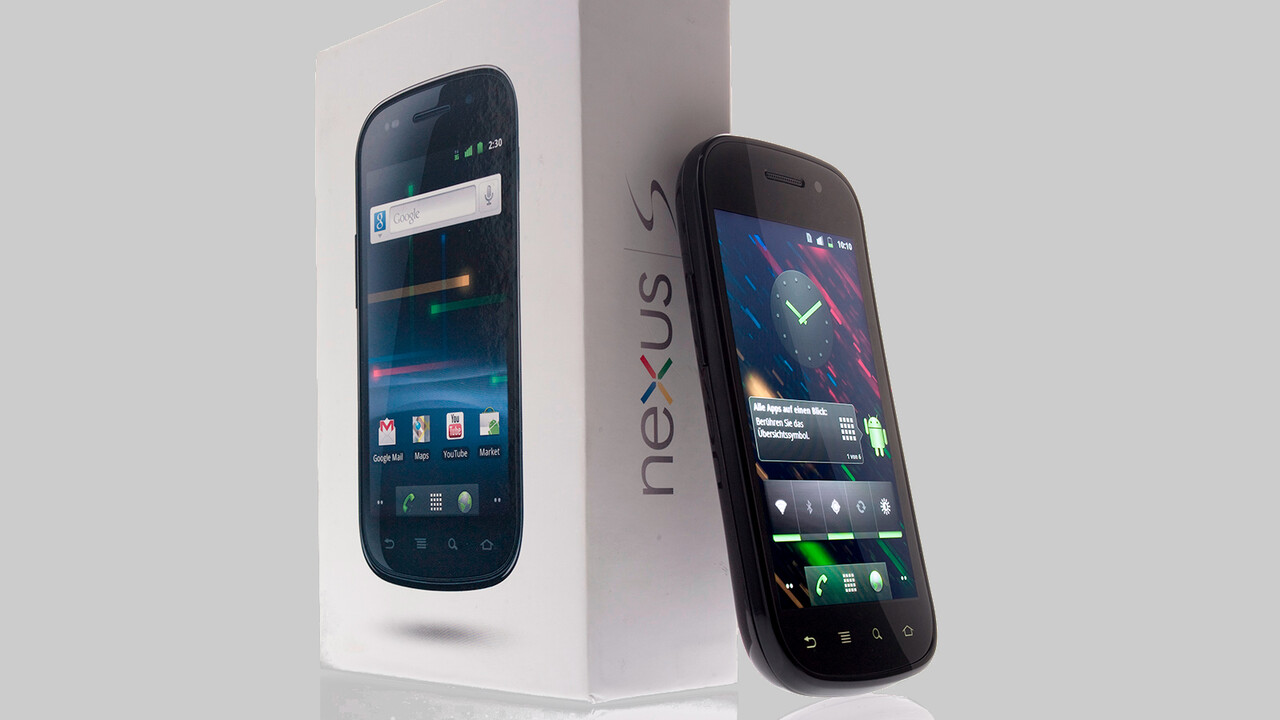
Official Responses and Industry Reception
At the time of its release, the industry response was lukewarm. Google’s intent was not to create a mass-market blockbuster but to provide a reference device for the Android ecosystem.
Samsung and Google positioned the device as the pinnacle of the "Gingerbread" experience. However, critics were quick to point out the device’s lack of elegance. The extensive use of plastic, the absence of physical buttons (replaced by somewhat unreliable capacitive sensors), and the lack of a status LED for notifications were cited as ergonomic failures.
"The device is only ‘OK’ in the daily grind," noted testers at the time. The lack of a notification LED was particularly frustrating for power users, who found it impossible to check for missed calls or charging status without waking the screen—a screen that struggled significantly with readability under direct sunlight.
Implications: The Nexus Legacy
The Nexus S was never meant to be a high-volume seller; it was a strategic anchor for Google. By iterating on the Nexus One, Google learned that hardware manufacturing required more than just a powerful processor; it required a focus on premium materials, display consistency, and thoughtful ergonomic design.
The Shift in Strategy
The implications of the Nexus S were felt in subsequent generations. Google realized that relying solely on a partner’s existing design (the Galaxy S) led to a lack of brand identity. The later Nexus devices—like the Galaxy Nexus, the Nexus 4, and the Nexus 5—saw Google taking a more active role in industrial design.
Lessons Learned
- Software Purity is a Product: The Nexus S proved that there was a significant, albeit niche, market for "stock" Android. This eventually paved the way for the Google Pixel line.
- Hardware Consistency Matters: The regional discrepancies between Super-AMOLED and Super-LCD screens caused brand friction. Google later prioritized consistency in panel quality across global markets.
- The Mid-Range Trap: At a launch price of approximately 350 Euros, the Nexus S sat in a precarious middle ground. It wasn’t cheap enough to be a budget champion, nor was it premium enough to challenge the high-end flagships of the day.
Conclusion: A Milestone, Not a Masterpiece
Looking back after 15 years, the Nexus S serves as a fascinating case study in mobile history. It was the device that taught Google how to play the hardware game. While it was often criticized for its uninspired plastic build and lackluster camera performance, its historical significance cannot be understated.
It provided developers and enthusiasts with a stable, reliable platform that remained relevant for years thanks to Google’s prompt software support. The Nexus S wasn’t the "perfect" smartphone, but it was the necessary evolution that allowed Google to eventually transition from a software-first company to the hardware powerhouse we see today. It proved that for many users, the most important feature of a smartphone isn’t the number of megapixels or the quality of the casing—it is the fluidity and integrity of the software that brings the device to life.
For those who lived through the "Gingerbread" era, the Nexus S remains a nostalgic reminder of a time when the smartphone industry was still figuring out how to balance hardware ambition with software simplicity. It remains a cornerstone in the archives of Android’s long and storied journey.









No comments yet. Be the first to join the conversation!