Nana
Nana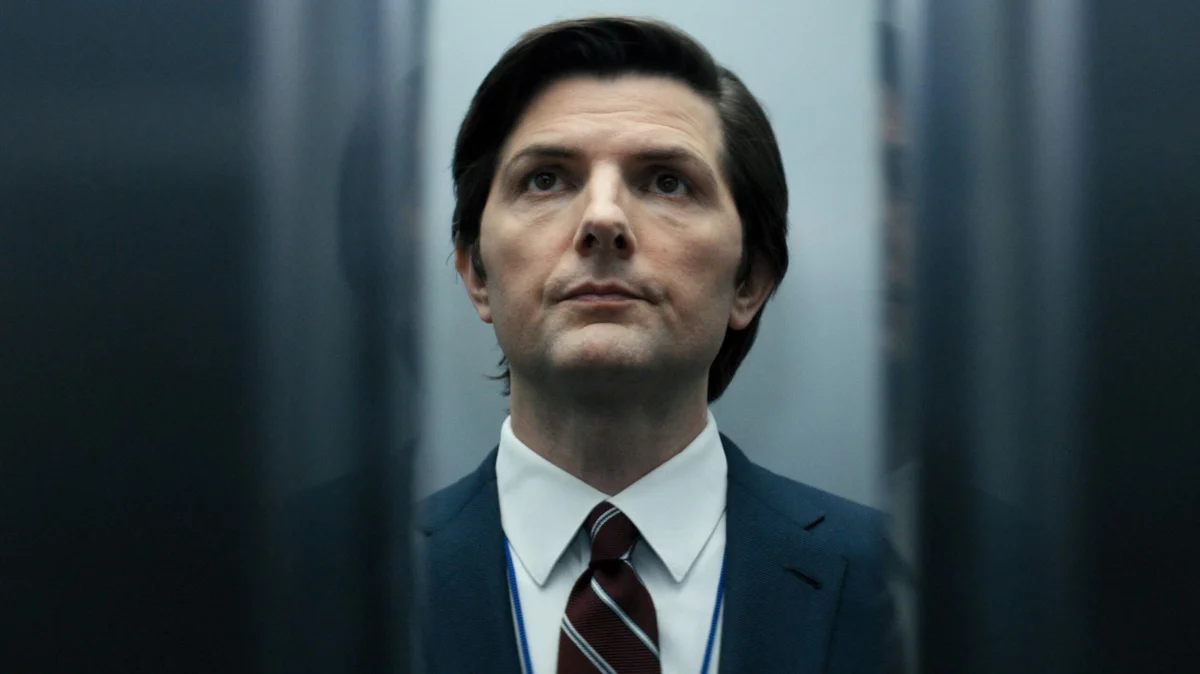
In the landscape of modern streaming, brand identity is often defined by a specific "vibe." HBO is synonymous with prestige, gritty anti-heroes, and complex power dynamics; Netflix is defined by its sheer volume and rapid-fire cultural trends; and Apple TV+, while known for its high-budget, polished aesthetics, has recently become the subject of a curious, growing fan observation. Across the internet—most notably on subreddits dedicated to the platform—users have begun to track a statistically suspicious recurrence: the "depressed, grieving widower" as the central engine of the streamer’s most acclaimed storytelling.
While narrative tropes are as old as storytelling itself, the frequency with which Apple TV+ utilizes the trauma of a dead spouse to catalyze its protagonists is becoming impossible to ignore. Critics and viewers alike are now questioning whether this is merely a coincidence of modern drama writing or a deliberate, foundational pillar of the Apple TV+ "house style."
The Genesis of the Trope: From Disney to the Digital Age
To understand why this pattern feels so jarring, one must first look at the history of narrative shortcuts. For decades, Walt Disney Animation became famous for its reliance on the "dead parent" trope. From the tragic loss of Bambi’s mother to the absent parents in Cinderella, The Little Mermaid, and Beauty and the Beast, the absence of a parental figure was the classic mechanism used to thrust young protagonists into maturity and independence. Similarly, the superhero genre—exemplified by Batman, Spider-Man, and Superman—has long relied on the trauma of lost guardians to justify the hero’s quest for justice.
However, Apple TV+ has pivoted away from the parental void and toward the spousal one. In this "Apple Widower Universe," the protagonist is rarely a child coming of age; they are an adult in the prime of life whose existence has been fundamentally shattered by the loss of a partner. This shift changes the tone of the content significantly. While the "dead parent" trope is often a catalyst for adventure, the "dead spouse" trope in Apple TV+ programming is almost exclusively a catalyst for existential dread, clinical depression, and psychological fragmentation.
Chronology of Grief: Mapping the Apple Widower Universe
The sheer density of this narrative device within the Apple TV+ library is what has caught the attention of its audience. The following series serve as the primary pillars of this recurring theme:
1. Shrinking
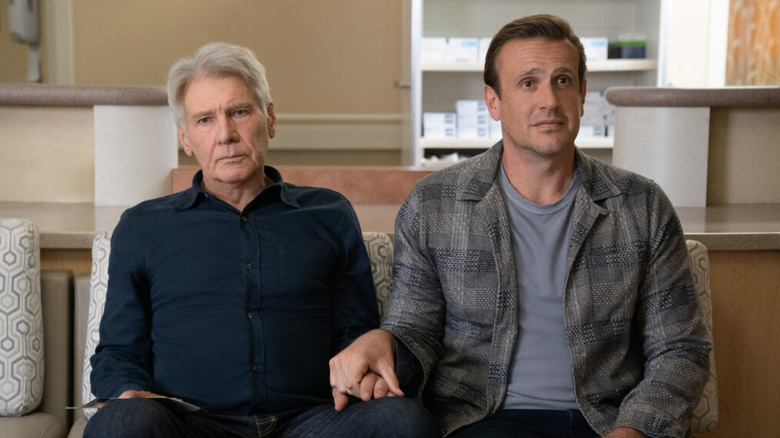
Perhaps the most direct exploration of this theme, Shrinking features Jason Segel as Jimmy Laird, a therapist who is unable to process the death of his wife in a drunk-driving accident. The entire premise of the show—Jimmy’s radical, boundary-crossing approach to therapy—is a direct manifestation of his unresolved grief.
2. Severance
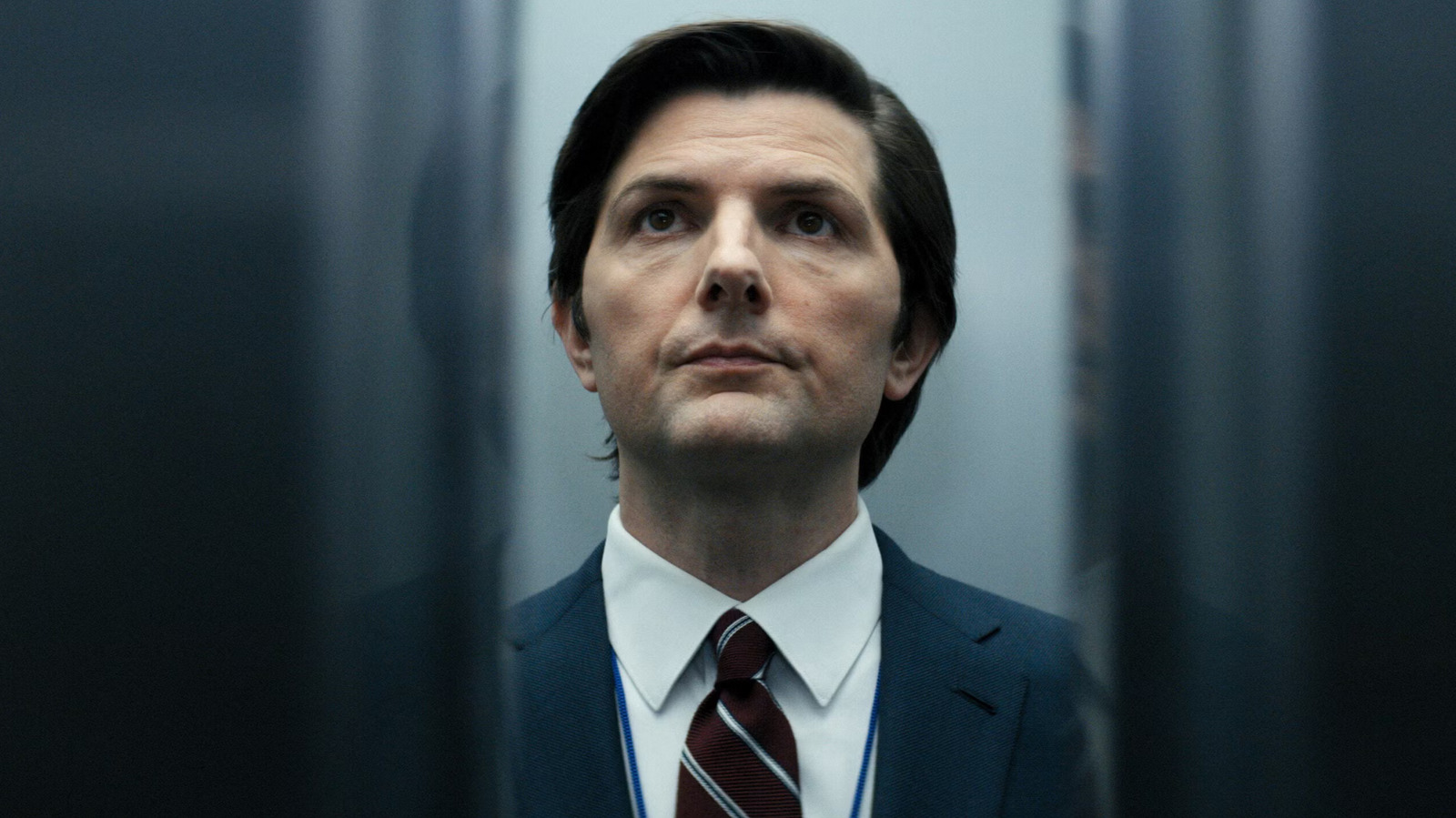
In this mind-bending workplace thriller, Mark Scout (Adam Scott) works at the Lumon Corporation. The narrative reveal that Mark has undergone the "severance" procedure specifically to escape the crushing pain of his wife Gemma’s death for eight hours a day provides the show with its emotional backbone. Even as the series evolves into a complex sci-fi mystery, the specter of the dead wife remains the central anchor of the protagonist’s motivation.
3. Pluribus
In a more immediate and visceral example, the pilot episode of Pluribus forces the audience to witness the death of the protagonist’s spouse, Helen (Miriam Shor). Rhea Seehorn’s character, Carol, spends the series navigating a global cataclysm while simultaneously drowning in the aftermath of her partner’s loss.
4. Silo
While not the primary focus of every character, the series establishes the weight of loss early on. Patrick Kennedy (Rick Gomez) is just one of many denizens of the subterranean silo whose life is defined by the memory of a lost spouse, grounding the high-concept sci-fi in a relatable, albeit bleak, human reality.
5. Widow’s Bay
The title itself acts as a meta-commentary on the trend. Tom Loftis (Matthew Rhys), the mayor of the town, is haunted by the death of his wife, Lauren. The show leans into the Gothic, mournful atmosphere that has become a hallmark of the streamer’s drama department.
6. Your Friends & Neighbors
Even in shows where the widower is not the primary focus, the trope appears as a background element. The character played by James Marsden in this series is a widower, a detail that feels less like a narrative necessity and more like an established trope within the "Apple DNA."
7. Foundation
Even in the grand, galaxy-spanning epic based on Isaac Asimov’s work, the showrunners couldn’t resist the pull of the trope. Hari Seldon (Jared Harris) is defined by the murder of his wife, Yanna, adding a layer of personal vendetta to the mathematical machinations of the series.
Writerly Shorthand or Structural Strategy?
Why does Apple TV+ return to this well so frequently? From a screenwriting perspective, the "dead spouse" trope is a "handy-dandy" tool for instant character depth. When a writer needs to establish a character who is emotionally unavailable, prone to risk-taking, or seeking a major life change, the death of a spouse provides an immediate, universally understood shorthand for profound sadness.
"It is the quickest way to create a ‘blank slate’ character," notes media analyst Sarah Jenkins. "By stripping away the spouse, you remove the character’s primary support system and their tether to a ‘normal’ life. It forces the protagonist into a vacuum where they must reinvent themselves. It’s effective, but when every show on a platform uses the same mechanism, it starts to feel like a formula rather than a creative choice."
The pattern is so pervasive that it has become a point of self-awareness for the audience. The discussion on platforms like Reddit suggests that viewers are beginning to view these shows with a "bingo card" mentality, waiting to see if a new series will reveal a tragic backstory involving a drunk driver or a mysterious, untimely demise.
Implications for the "Prestige TV" Brand
The prevalence of this trope raises questions about the long-term sustainability of the Apple TV+ brand. While the streamer has earned high praise for the technical quality of its shows, critics are beginning to point toward a certain "sameness" in tone. If the majority of a platform’s tentpole dramas are rooted in the same brand of melancholy, it may lead to audience fatigue.
Furthermore, there is a socio-cultural implication to this trend. By consistently centering narratives on the "widower’s journey," the platform is implicitly reinforcing a specific kind of storytelling that prioritizes individual, internal suffering over external community building. While these shows often feature talented casts and high-concept premises, the emotional engine remains largely static.
Official Responses and Creative Outlook
To date, Apple TV+ has not issued a formal statement regarding the "Apple Widower" observation, and it is unlikely they would. In the world of prestige television, writers and showrunners typically defend their narrative choices as organic to the specific stories they are telling. However, as the platform expands its reach into genres like comedy, horror, and space opera, the recurrence of the widower trope suggests that this is a top-down creative preference—a desire for "grounded, emotional stakes" that keeps coming back to the same source of pain.
Whether this trend will continue remains to be seen. As the platform enters its next phase of content production, it faces a crossroads: continue to lean into the melancholic, character-driven dramas that established its critical reputation, or diversify its emotional palette. For now, however, the "Apple Widower" remains the unofficial mascot of the streaming service—a testament to the idea that in the world of high-end television, there is no grief quite as compelling to a writer as the loss of a spouse.
As audiences continue to consume these series, the question is not whether the trope is "bad," but whether it is beginning to overshadow the unique qualities of the individual shows. When the audience stops watching for the plot and starts watching to see which character will lose their partner next, the narrative has moved beyond tragedy and into the realm of a predictable, recurring motif.


 Dwi Wanna
 Reynand Wu