


The anime industry, long a bridge between Japanese creative output and a global audience, is currently navigating a period of significant internal and external tension. As streaming giants like Crunchyroll face the dual pressures of a burgeoning AI revolution and an increasingly vocal fan base demanding fidelity to source material, the art of localization has become a primary battlefield. The latest flashpoint in this ongoing debate centers on the third season of the popular isekai series, Reborn as a Vending Machine, I Now Wander the Dungeon.
Recent findings suggest a widening chasm between the platform’s subtitle localization—which has trended toward more literal accuracy—and its in-house English dubbing department, which critics argue continues to employ liberal, slang-heavy rewrites reminiscent of the "localization-at-any-cost" era of the late 1990s.
Main Facts: A Disconnect in Translation Philosophy
The controversy surrounds Season 3 of the anime adaptation of Hirukuma’s light novel series. While the premise of the show is inherently whimsical—revolving around a vending machine otaku reincarnated as a sentient machine named Boxxo in a fantasy world—the recent English dub has drawn fire for what viewers describe as "activist fanfiction" and "nonsensical slang."

At the heart of the issue is Episode 3, titled "A Stay in Enemy Territory." In this episode, a pivotal revelation regarding the Snow Spirit Sulream and a character named Ash is framed through Boxxo’s internal monologue. Comparisons between the Japanese-to-English subtitles and the English dub script reveal substantial departures from the original intent. Where the subtitles provide a direct translation of Boxxo’s realization of a deception, the dub inserts modern Western colloquialisms, including terms like "marking out," "ick factor," and "whack," alongside references to "Russian novels" and "after-school specials."
This discrepancy highlights a fundamental disagreement in the industry: Should localization be an invisible bridge that preserves the author’s cultural and linguistic intent, or a creative adaptation that reinterprets the story for a specific demographic?
Chronology of the Controversy
The friction regarding Crunchyroll’s localization practices did not emerge in a vacuum. To understand the current backlash against Reborn as a Vending Machine, one must look at the timeline of events leading up to Season 3.

The Rise of the Sentient Vending Machine
Reborn as a Vending Machine, I Now Wander the Dungeon began as a light novel series before being adapted into an anime by Studio Gokumi and AXsiZ. The first season established a dedicated following, praised for its unique take on the "isekai" (reincarnation) genre. Boxxo, voiced by Jun Fukuyama in Japanese and Garrett Storms in English, became a cult favorite for his limited yet resourceful interactions with the world.
The AI Threat and Subtitle Evolution
In early 2024, the anime community began discussing the potential for Artificial Intelligence to replace human translators. Reports suggested that Crunchyroll and other platforms were exploring AI-driven workflows to speed up subtitle production. This threat seemingly incentivized subtitle teams to demonstrate their value through high-quality, faithful translations that captured nuances AI might miss.
The Season 3 Divergence
As Season 3 premiered in 2026, fans noticed a sharp contrast. While the subtitles remained grounded in the original Japanese script, the English dub script for Episode 3 began circulating on social media due to its jarring use of 21st-century Western slang in a medieval fantasy setting. The inclusion of the wrestling term "marking out" and the social media term "ick factor" sparked immediate debate among purists and casual viewers alike.

Supporting Data: A Comparative Analysis of Dialogue
To illustrate the extent of the changes, it is necessary to examine the specific dialogue shifts identified in Season 3, Episode 3. These examples demonstrate the dub team’s move away from the "tragic" tone of the original script toward a more cynical, slang-oriented narrative.
Example 1: The Revelation of a Farce
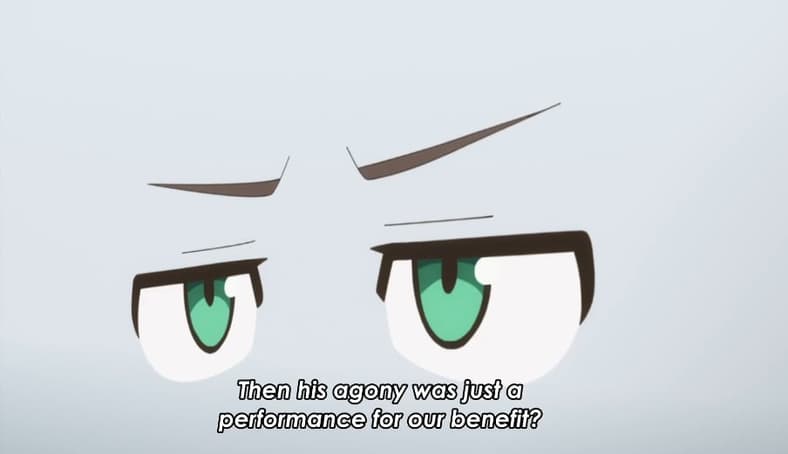
In a scene where Boxxo realizes that a character’s suffering was a staged performance:
- Original/Subtitle Translation: "Then his agony was just a performance for our benefit?"
- English Dub Script: "Meaning the munchkin went method and totally had us marking out."
The use of "munchkin" (a derogatory or diminutive term for a child) and "marking out" (a professional wrestling term for a fan believing a staged event is real) fundamentally alters the character’s voice, moving it from contemplative to colloquial.

Example 2: Addressing Predatory Behavior
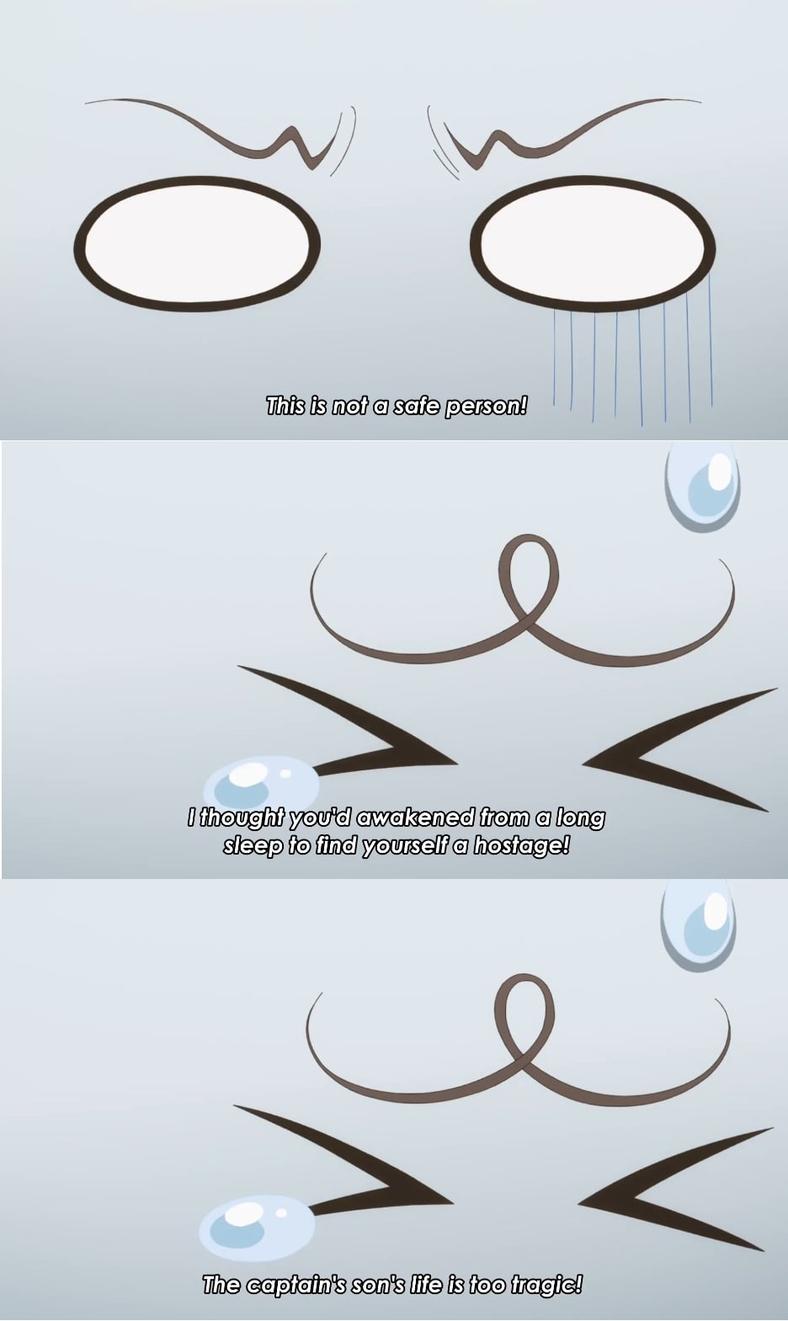
When Boxxo observes the Snow Spirit Sulream’s motives toward the Captain’s son, Ash:
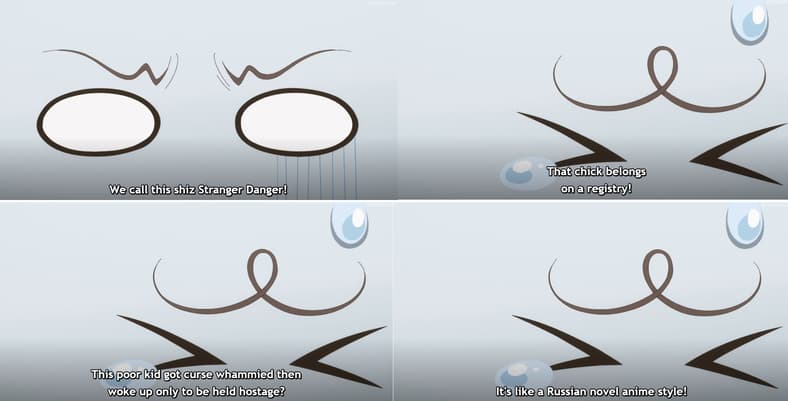
- Original/Subtitle Translation: "This is not a safe person! I thought you’d awakened from a long sleep to find yourself a hostage! The captain’s son’s life is too tragic!"
- English Dub Script: "That chick belongs on a registry! This poor kid got curse whammied then woke up only to be held hostage! It’s like a Russian novel, anime style!"
Critics argue that the reference to a "registry" (implying a sex offender registry) and "Russian novels" are hyper-localized Western concepts that do not exist within the world-building of the anime, breaking the viewer’s immersion.
Example 3: Rationalizing the "Ick Factor"
As Boxxo tries to process the bizarre interaction between the characters:
- Original/Subtitle Translation: "Wait he seems to respect Sulream, too… Oh! Since snow people are children until they become adults, maybe this isn’t as bad as it seems? Wait forget that line of thought! What am I gonna do?!"
- English Dub Script: "Why does he seem to respect that walking after-school special? Oh, lifeline! Since snow people until they suddenly become adults, maybe the ick factor is reduced? I did not just think that! This is whack!"
The dub replaces the character’s internal panic with a series of tropes, including "after-school special," "lifeline," and "ick factor," which are linguistic markers of modern American internet culture.
Official Responses and Industry Context
As of this report, Crunchyroll has not issued a specific statement regarding the dialogue in Reborn as a Vending Machine Season 3. However, the platform has historically defended its localization teams, citing the need to make content "relatable" and "accessible" to a broad English-speaking audience.
The industry at large remains divided. Organizations like the Screen Actors Guild (SAG-AFTRA) and various dubbing unions have emphasized the "human element" of localization as a defense against AI. However, critics within the anime community, such as those at Bounding into Comics, argue that if human localizers use their positions to insert "activist fanfiction" or dated slang, they undermine the very argument for human-led translation.

The trend of "creative localization" is not unique to this series. Similar controversies have recently touched titles like Oshi no Ko and Blue Box, where characters were given lines referencing "cancel culture" or "feminism" that were absent from the original Japanese text.
Implications: The Future of Anime Localization
The controversy surrounding Boxxo’s English voice carries several long-term implications for the anime industry and its consumers.
1. The Sub vs. Dub War 2.0
For decades, the "Subs vs. Dubs" debate was primarily about the quality of voice acting. Today, it has evolved into a debate about textual integrity. As dub scripts continue to deviate significantly from subtitles, more viewers may migrate toward subtitles to ensure they are experiencing the story as intended by the Japanese creator.
2. The Acceleration of AI Adoption
If the primary value of a human localizer is to provide a faithful and nuanced translation, then scripts that lean heavily into slang and personal editorializing may ironically accelerate the adoption of AI. Streaming platforms looking to cut costs may view AI as a "safer" bet for maintaining neutrality and fidelity, free from the creative whims of individual scriptwriters.
3. Cultural Erasure vs. Adaptation
There is a fine line between making a joke "work" in English and erasing the cultural context of the original work. By inserting Western-specific concepts like "after-school specials" and "registries" into a Japanese fantasy setting, localizers risk alienating the core fanbase that watches anime specifically for its unique cultural perspective.
4. Preservation of Authorial Intent
Ultimately, the debate rests on the rights of the original author. When a scriptwriter rewrites a character’s internal monologue to include modern slang, the author’s original voice is often lost. In the case of Reborn as a Vending Machine, a story about a man’s obsession with the mechanics and service of vending machines, the shift toward cynical, street-smart dialogue in the English dub may fundamentally misrepresent the protagonist’s earnest and eccentric nature.
As Season 3 continues, the eyes of the industry remain on Crunchyroll. Whether the platform will adjust its localization guidelines in response to fan feedback—or continue to double down on "creative" rewrites—will likely set the tone for the next generation of anime dubbing.









No comments yet. Be the first to join the conversation!