

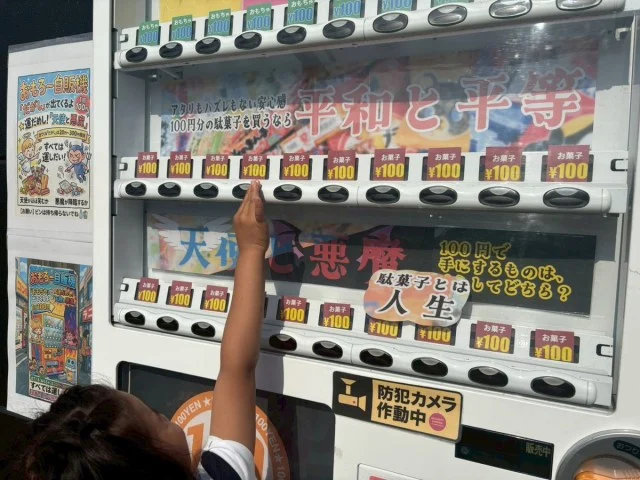
In a world increasingly dominated by digital convenience and highly predictable retail experiences, the quiet streets of Oyama City, Tochigi Prefecture, hide a relic that defies modern consumer logic. It is a vending machine, but not the kind that offers a chilled green tea or a steaming cup of coffee. This machine is a gambler’s parlor, a treasure chest, and a philosophical experiment all wrapped in weathered, coin-operated metal.
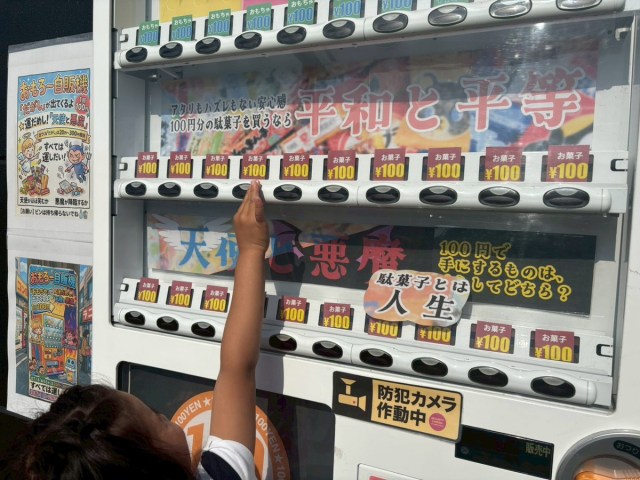
Marked by cryptic labels like “Peace and Equality” and “Angels and Demons,” this singular machine has become a local curiosity, drawing the attention of those who still find joy in the tactile, uncertain thrill of the 100-yen (US$0.63) surprise. As we discovered during our recent excursion, this machine represents far more than a simple transaction; it is a fading chapter in Japan’s storied history of eccentric vending culture.
The Anatomy of the Unknown: Main Facts
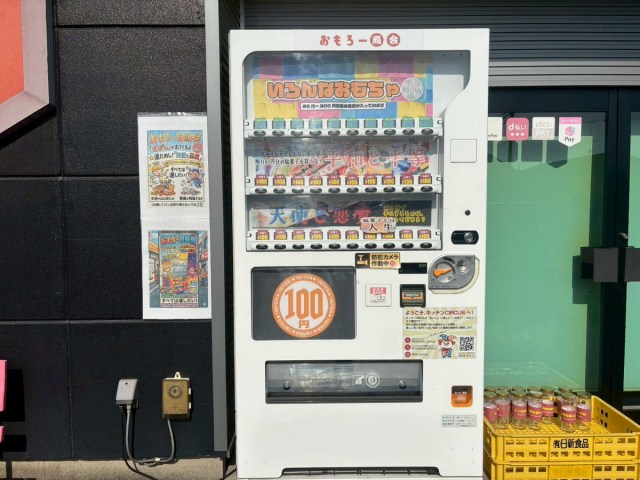
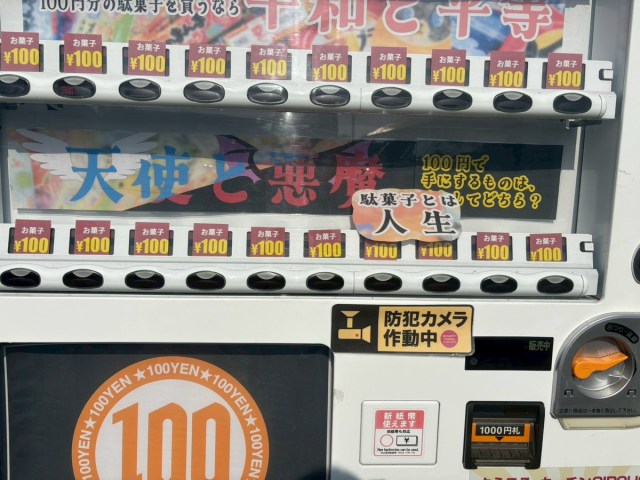
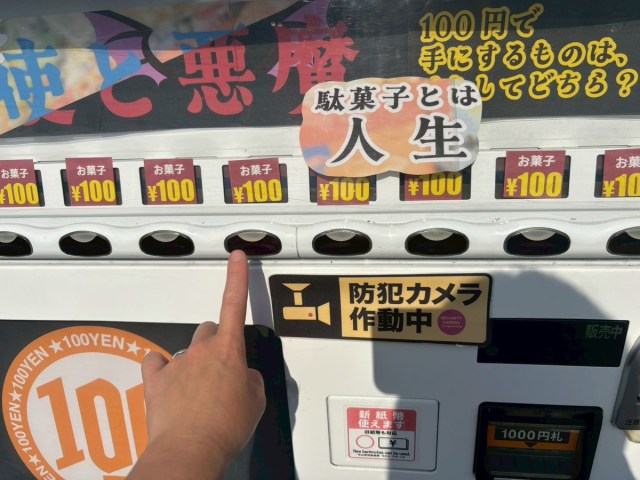
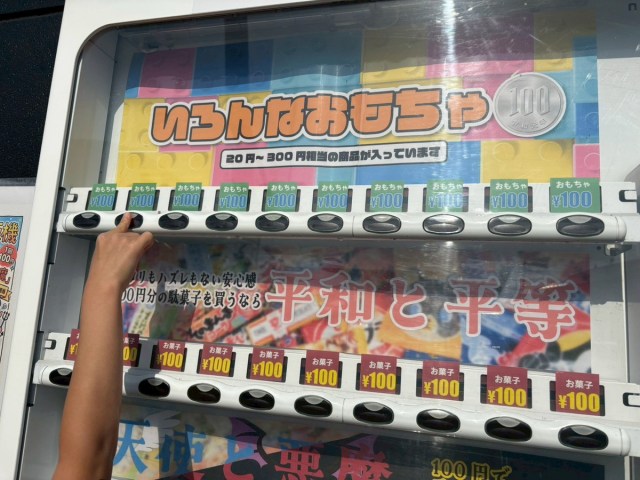
At first glance, the machine appears unassuming, standing silently against the backdrop of a black building in Oyama. However, the signage—promising items ranging in value from 20 to 300 yen—immediately signals that this is not a standard beverage dispenser.
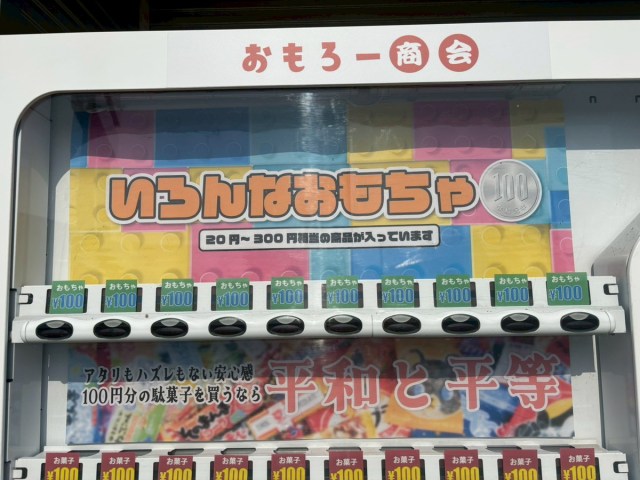
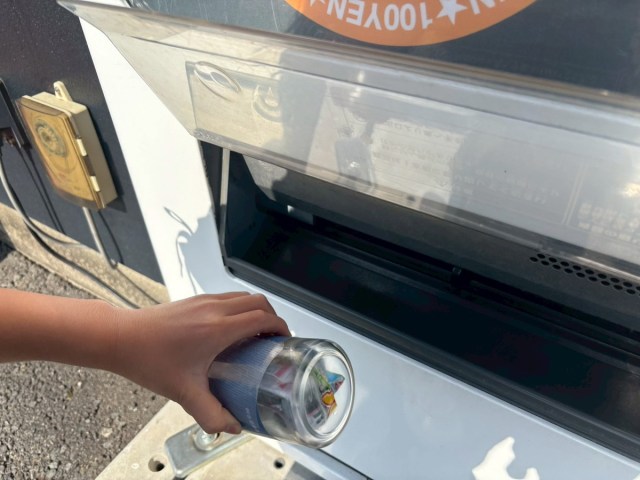
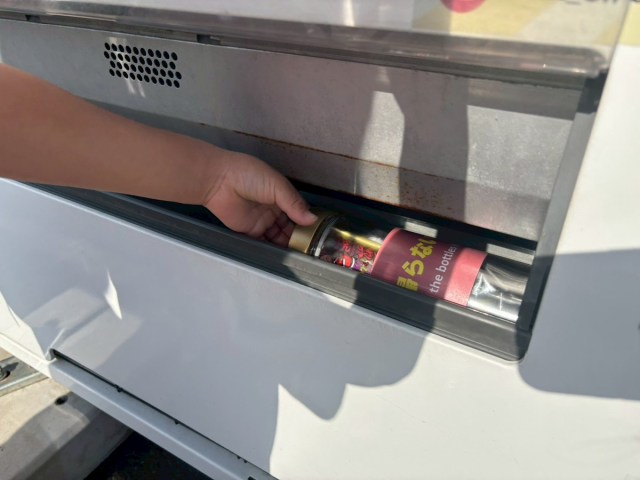
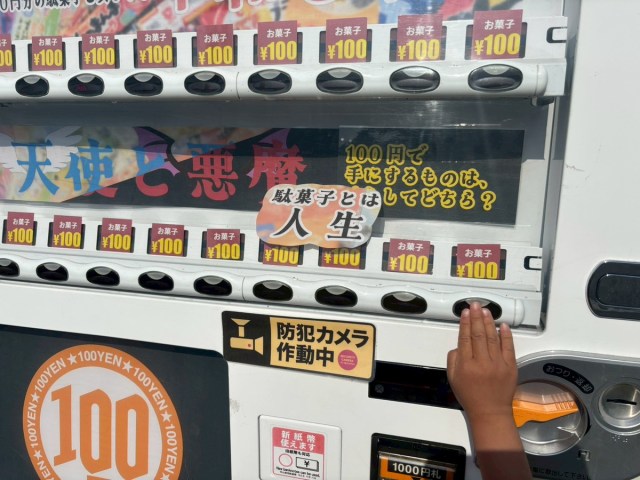
The machine is operated and maintained by Ad Promote Co., Ltd., a company that has gained a cult following for its “Omoro” (a play on omoshiroi, meaning “interesting”) machines. Unlike the uniform shelves of a supermarket, this machine offers a randomized lottery of goods. Customers select a category—ranging from general "toys" to more abstract themes like "Peace and Equality" and "Angels and Demons"—and wait with bated breath as a cylinder clatters into the retrieval tray.
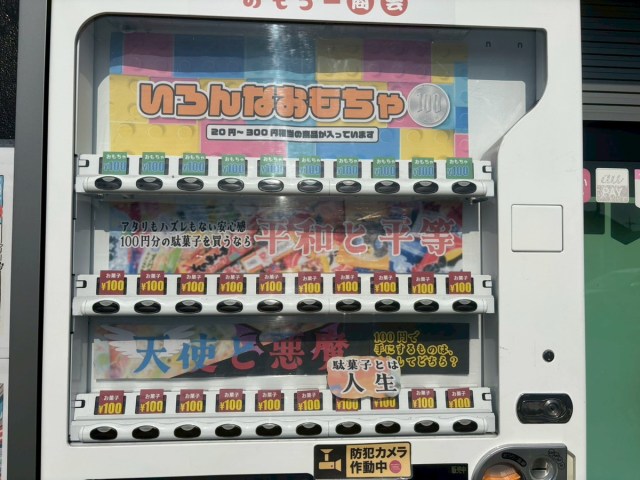
The fundamental allure of the machine lies in its transparency regarding its lack of transparency. It acknowledges the gamble, inviting the user to pay for the "experience" of discovery rather than the utility of the product.
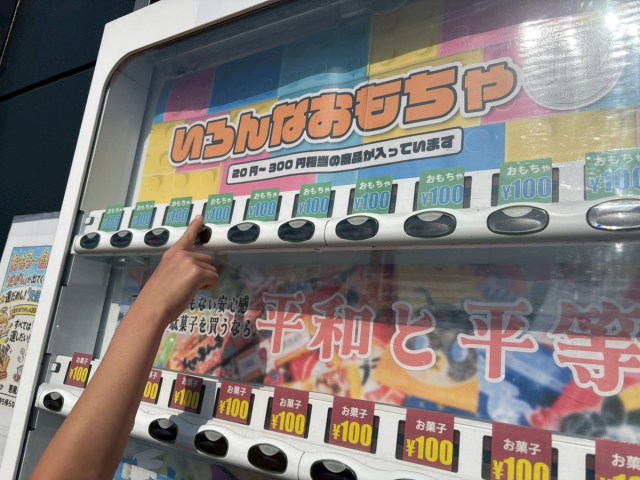
A Chronology of Discovery: The "Angels and Demons" Experience
Our reporter, Natsuno Futon, visited the machine in May 2026, accompanied by her children. The process of engaging with the machine became an afternoon-long narrative of trial, error, and eventual triumph.
The Initial Attempt
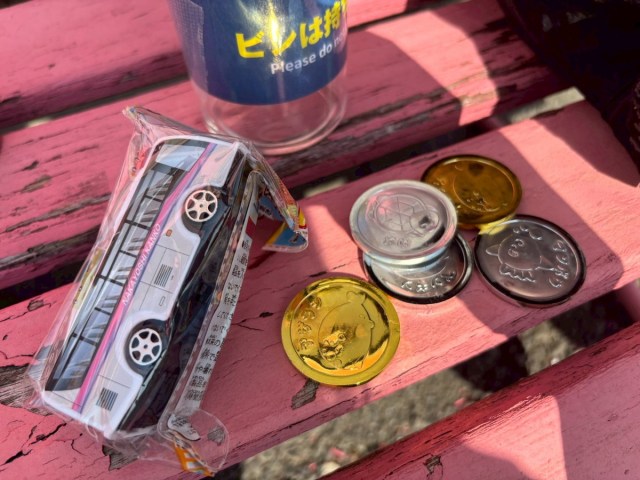
The journey began with the top row, marked simply as “toys.” With a 100-yen coin deposited, the machine whirred to life, releasing a cylinder containing a small toy car and five plastic coins. While perhaps a letdown for an adult, the sheer randomness of the output set the stage for the sessions that followed.
The Search for Peace and Equality
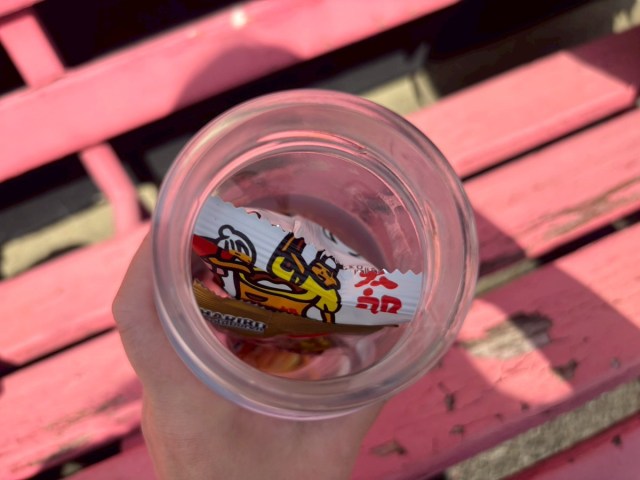
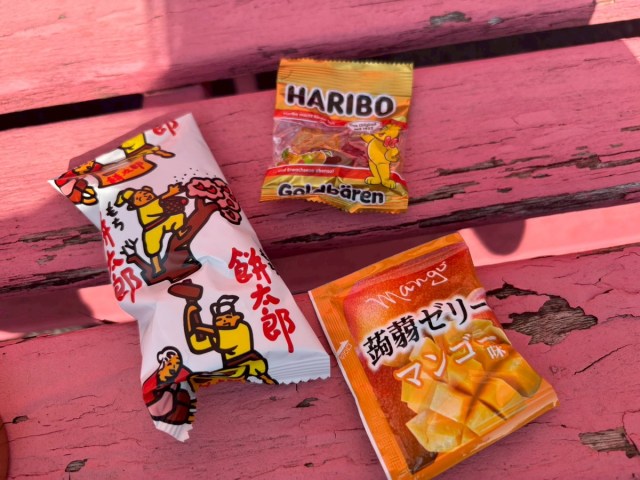
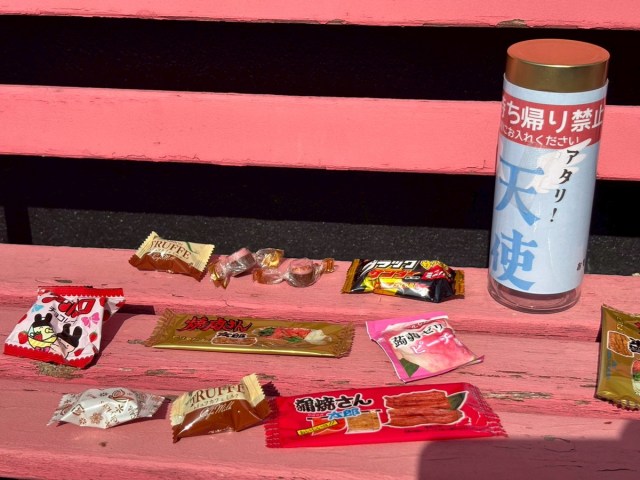
The second row, labeled "Peace and Equality," promised "sweets." Upon activation, the canister revealed a nostalgic collection: Mochitaro (classic crunchy rice cracker chunks), a piece of mango jelly, and a small bag of Haribo gummy candies. It was a modest, charming haul that felt like a fair trade for the price of admission.
The Descent into Darkness
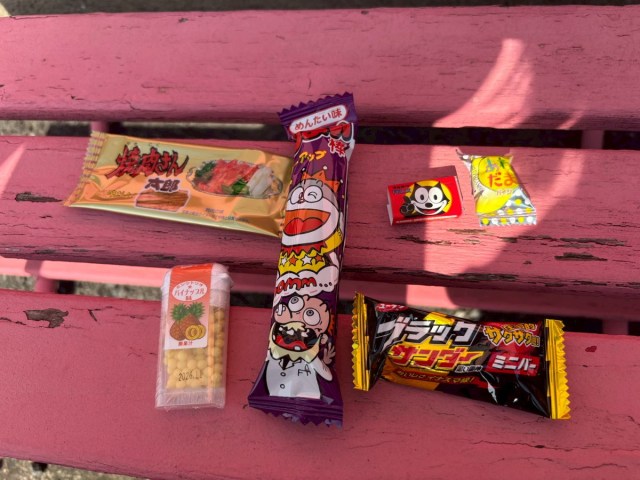
Determined to see if the "Angels and Demons" category lived up to its ominous billing, the next selection was made. The result was ambiguous: a collection of six cheap candies, including a pack of Black Thunder chocolate. The dark, intense branding of the snacks suggested a "demonic" edge, though the value remained firmly in the "pretty good deal" territory.
The Final Revelation
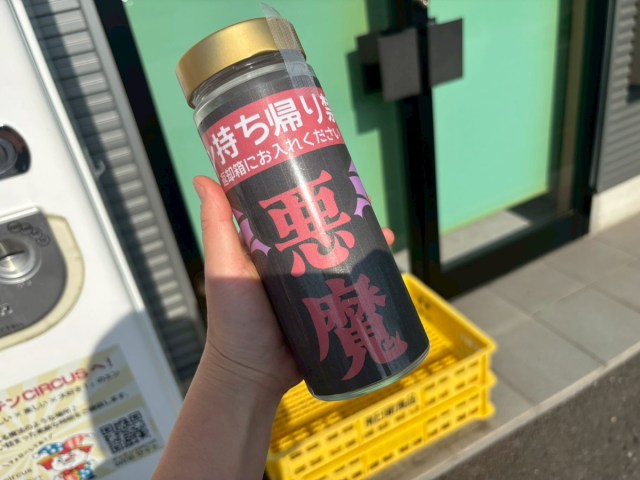
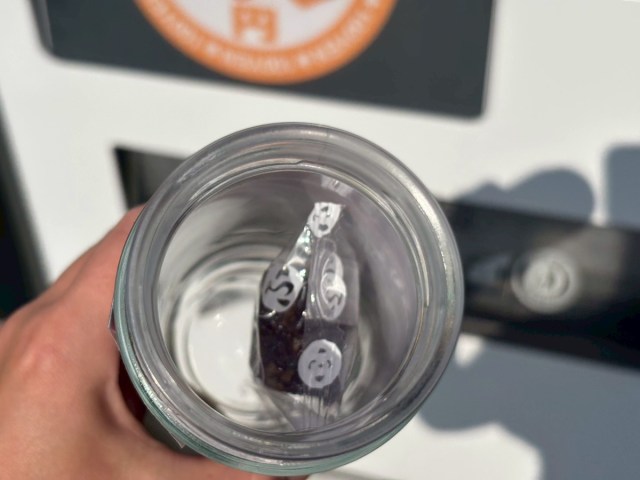
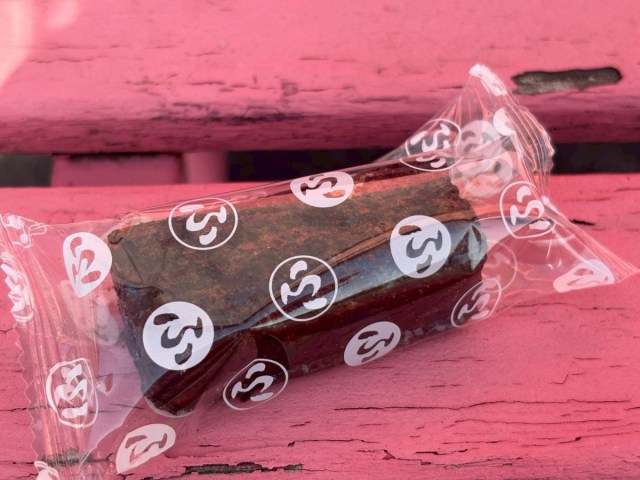
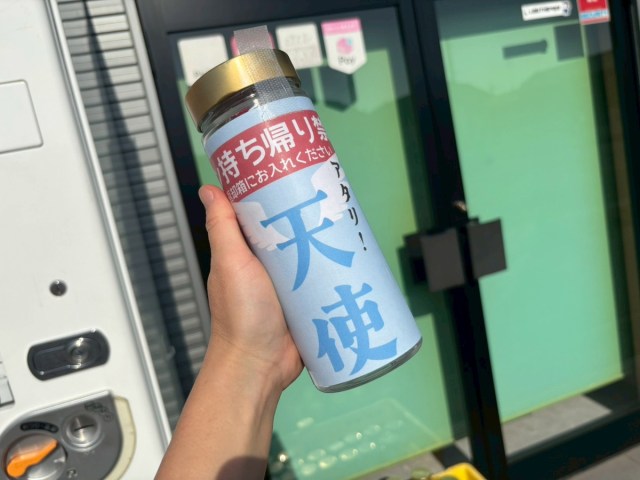
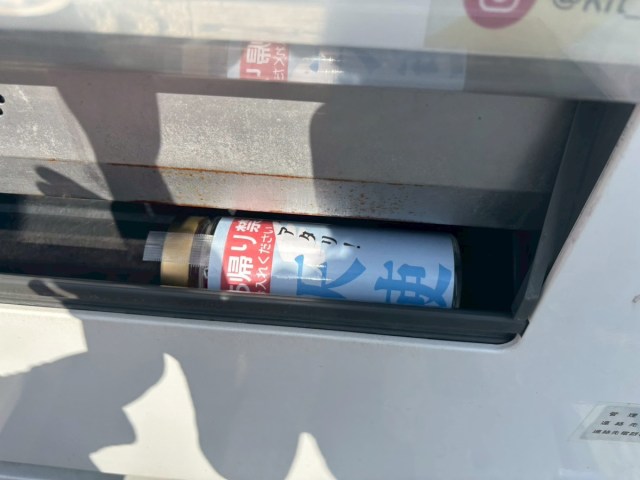
The turning point came when a button press resulted in a canister boldly labeled “Devil.” Inside, the disappointment was sharp: a single puffed wheat snack. This "merciless" result heightened the tension. However, the final attempt proved to be the climax of the trip. A "win!" labeled canister dropped, containing a selection that felt undeniably like an "angelic" reward—a bounty of value clearly exceeding the 100-yen investment.
The progression—from the mundane to the cruel, and finally to the triumphant—felt orchestrated, as if the machine were reading the emotional arc of its users.
Supporting Data: Value and Utility
When evaluating the worth of the machine’s output, one must shift their metrics. If one were to calculate the cost-per-gram of the Mochitaro or the market value of a singular plastic toy car, the numbers would likely not favor the consumer. However, the "value" here is calculated through entertainment utility.
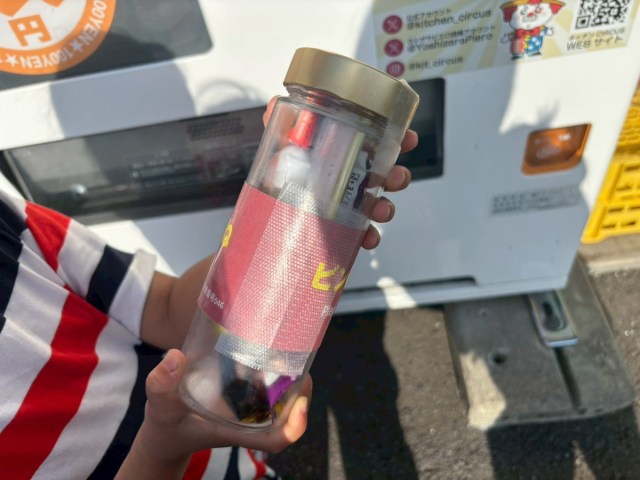
Across six total attempts, the haul included:
- Toys: A plastic car and toy coins; two Iwako erasers and a dinosaur egg.
- Sweets: Mochitaro crackers, mango jelly, Haribo gummies, Black Thunder bars, and various assorted candies.
The total expenditure of 600 yen (approx. $3.80) yielded a significant volume of snacks and small collectibles. More importantly, it provided a shared experience for a parent and children that lasted nearly an hour. In the context of modern entertainment—where a single mobile game microtransaction or a standard snack from a convenience store provides fleeting satisfaction—the "Omoro" machine offers a lingering sense of adventure.
Official Responses and Corporate Context
According to information provided by Ad Promote Co., Ltd., the "Omoro" series of machines has officially ceased operations as of January 2026. The machine in Oyama, which was functioning as of our May 2026 visit, is, for all intents and purposes, a "living fossil."
The company has not released a statement regarding the potential for future revivals of this specific model, suggesting that the "Angels and Demons" machine is likely the final, functional remnant of a dying breed. This scarcity has transformed the machine from a local quirk into a destination for fans of Japan’s "weird vending machine" subculture.
Implications: The Death of the Analog Mystery
The existence of this machine in 2026, when almost every aspect of our lives is optimized by algorithms and predictive commerce, is a profound anomaly.
The Psychology of the Unknown
Behavioral economists have long noted that the "variable reward" schedule—the same mechanism used in slot machines—is the most effective way to maintain engagement. By labeling the rows with abstract, poetic concepts like "Peace and Equality," the operator leverages human curiosity. We are not just buying snacks; we are buying a conversation with fate.
The Cultural Significance of "Dagashi"
The use of dagashi (cheap, nostalgic snacks) in these machines taps into a deep-seated Japanese cultural appreciation for the past. Dagashi culture is rooted in the Showa-era experience of children pooling their small change to buy sweets at corner shops. By digitizing this experience into a mechanical dispenser, Ad Promote has successfully preserved a slice of mid-20th-century social interaction in a 21st-century format.
The Future of "Omoro" Machines
As the last of these machines begins to succumb to maintenance issues and the inevitable march of time, it leaves a void in the landscape of urban exploration. There is a palpable sadness in realizing that the next generation may never know the specific, clattering sound of a plastic cylinder falling into a tray, promising either a "Devil" or an "Angel."
Conclusion
The "Angels and Demons" vending machine in Oyama City stands as a testament to the idea that commerce does not always have to be about utility. Sometimes, it is about the story. For 100 yen, a user isn’t just purchasing a snack; they are purchasing a momentary escape from the rigid predictability of modern retail.
If you find yourself in Tochigi, it is highly recommended to make the pilgrimage to the black building in the Awamiya district. As of now, the machine is still standing—a silent, metallic sentinel waiting to offer one last surprise to the curious traveler. It is a reminder that in a world of infinite data, sometimes the most valuable thing we can find is a little bit of mystery.
Location Information:
- Name: Omoro Vending Machine
- Address: Tochigi-ken, Oyama-shi, Awamiya 1-13-41
- Status: Last known operational machine of its kind.
- Website: omoroshokai.com












No comments yet. Be the first to join the conversation!