

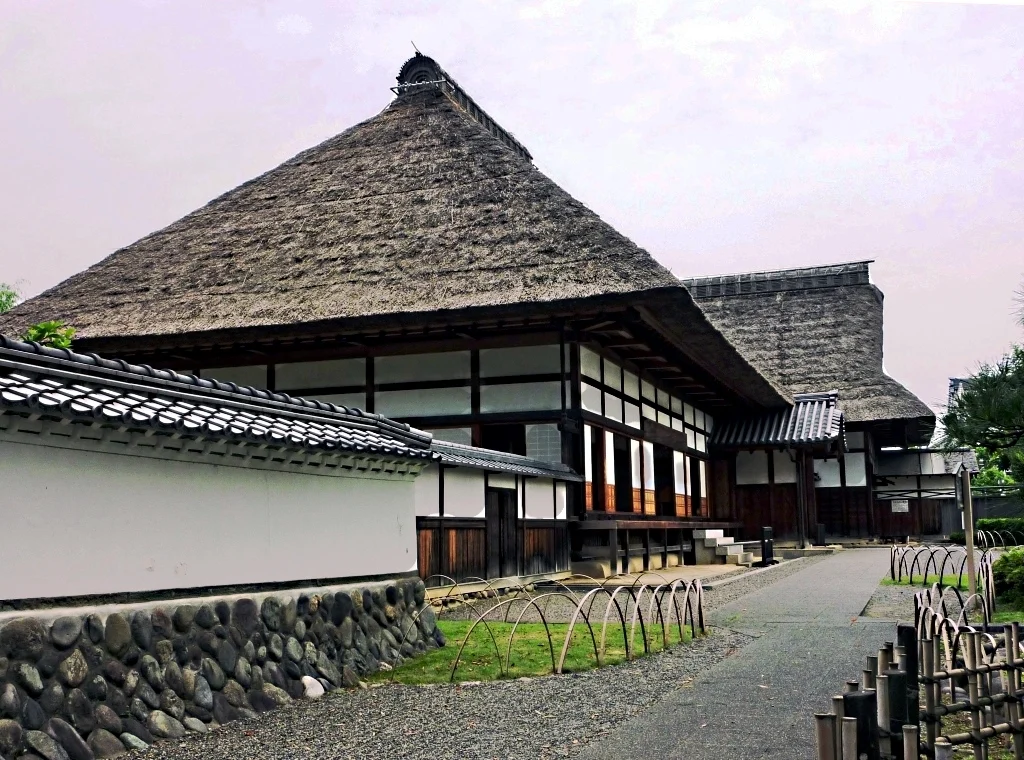
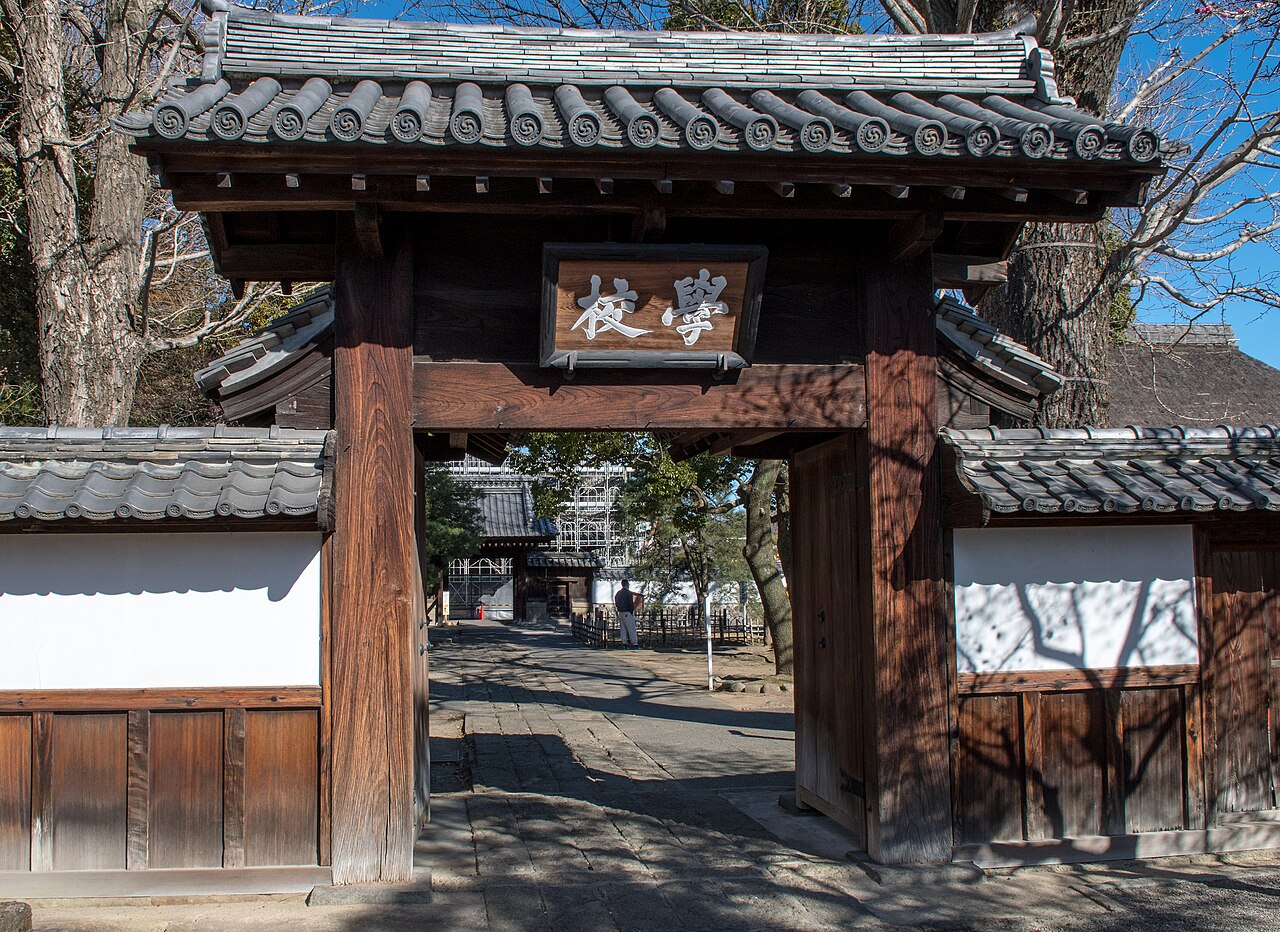
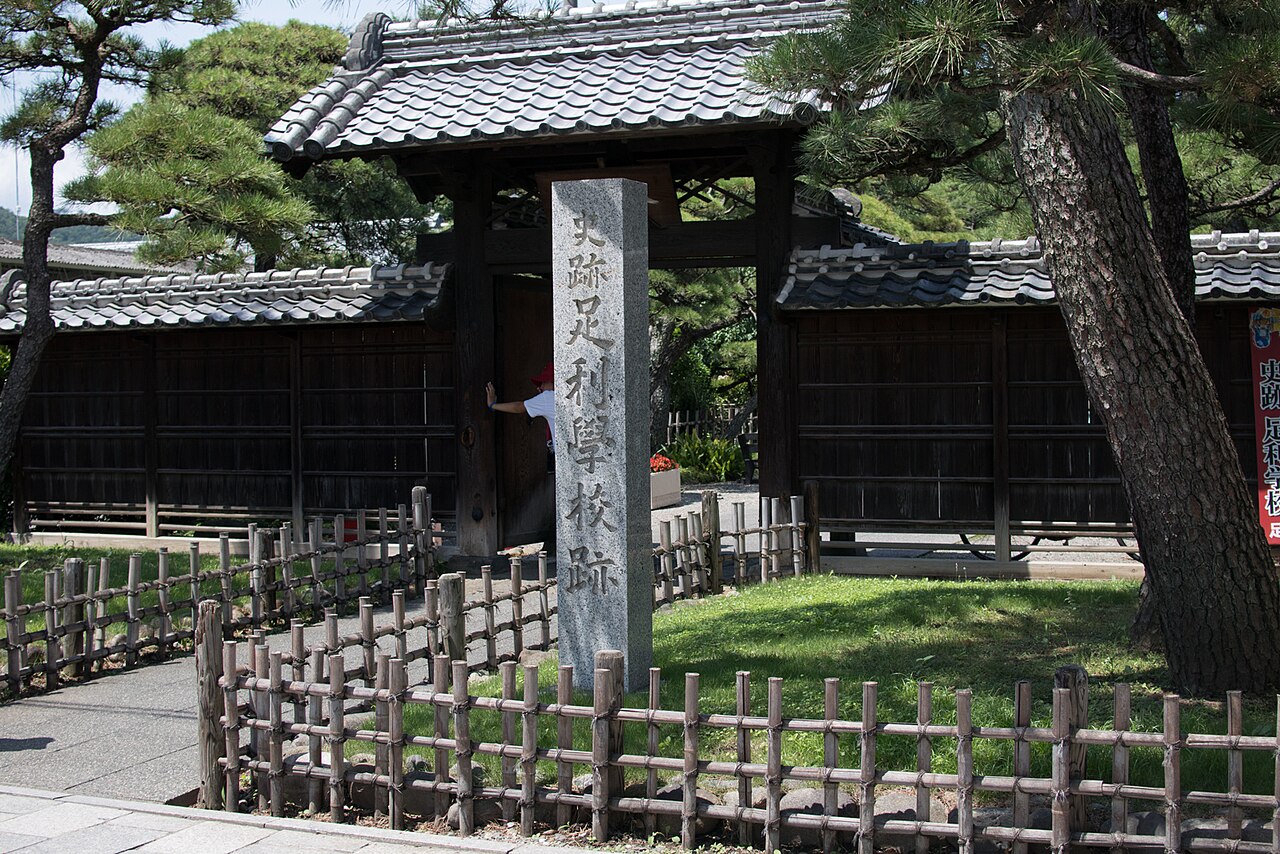
Deep in the Tochigi Prefecture, nestled within the quiet city of Ashikaga, lies a site of profound historical significance that remains remarkably overlooked by the international travel circuit. Ashikaga Gakko (足利学校) stands not merely as a collection of wooden halls and stone plinths, but as the oldest academic institution in Japan. With roots extending back to the 9th century, this “university” predates the iconic halls of Oxford, Cambridge, and Bologna, serving as a testament to the endurance of East Asian intellectual tradition.
Main Facts: A Millennium of Learning
The significance of Ashikaga Gakko cannot be overstated for historians and scholars of the humanities. Founded around 839–842 CE, the institution has maintained a near-continuous, albeit periodically shifting, presence in the landscape of Japanese education. By the mid-16th century, the academy served as the preeminent center for Confucian study, boasting a student body of 3,000—a figure that rivaled the most prestigious academies in contemporary China and far exceeded the enrollment of European universities during the same period.
In 1549, the renowned Jesuit missionary Francis Xavier famously described the academy in a letter to Rome as "the largest and most famous academy in Eastern Japan." This endorsement from an outsider highlights the school’s reach during its golden age. Today, the site functions as a beautifully preserved historical park, allowing visitors to walk the same grounds where samurai, monks, and scholars once debated the Four Books and Five Classics.
Chronology: From Origins to Restoration
The history of Ashikaga Gakko is a narrative of rise, decline, and meticulous preservation.
The Early Centuries (839–1432)
While traditional accounts often credit figures like the scholar-poet Ono no Takamura with the school’s founding, documentary evidence anchors the institution firmly in the mid-9th century. Following the tumultuous Heian and Kamakura periods, the school faced a decline in prestige and physical condition.
The Great Revival (1432)
The modern identity of the school was forged in 1432 by Uesugi Norizane, a powerful lord of the Shimotsuke Province. Recognizing the school’s potential, Norizane invited elite Zen scholar-monks from the Engaku-ji temple in Kamakura to reform the curriculum. He donated his vast, private library—containing rare Song Dynasty Confucian texts—which became the foundation of the school’s academic supremacy.
The Peak and the Meiji Transition
The school reached its zenith under the patronage of the Hojo clan in the 16th century. However, the winds of change brought by the Meiji Restoration in 1868 proved fatal to the traditional system. The Japanese government, in its rush to modernize and adopt Western educational models, effectively abolished the Confucian academic structure. The school closed its doors, and its precious library was dispersed across various institutions, including the Tokyo National Museum.
The Modern Resurrection (1990)
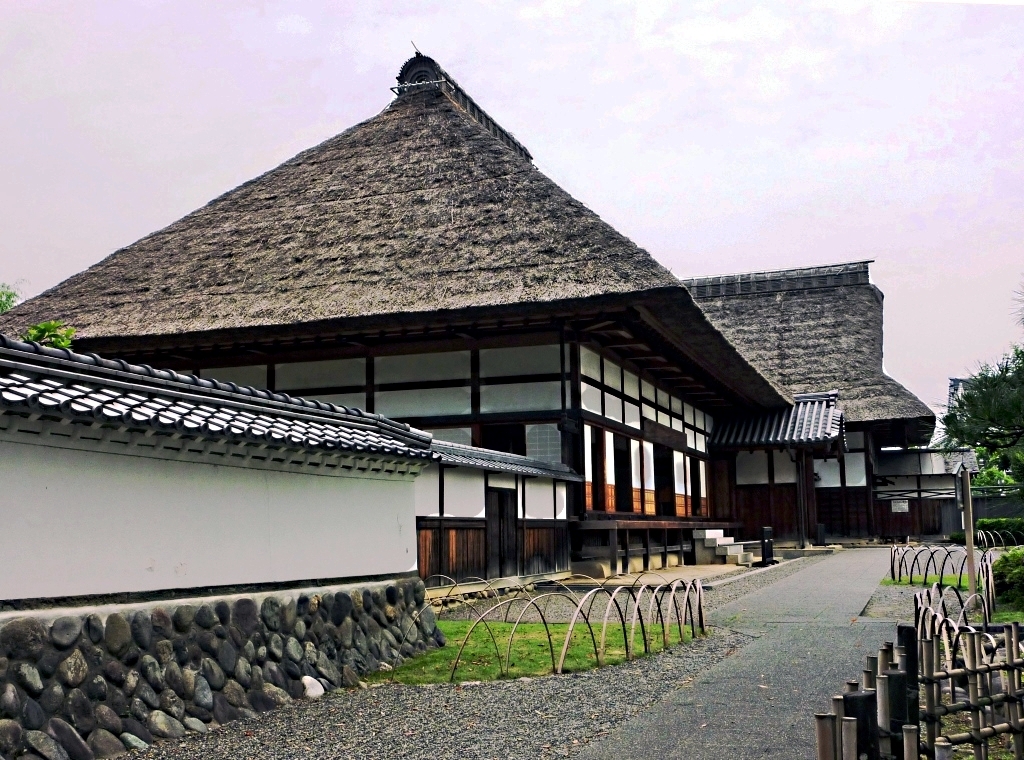
Following decades of neglect, the site was granted status as a National Historic Site in 1928. It was not until 1990, however, that a massive archaeological and architectural undertaking restored the campus to its 17th-century Edo-period layout. Using original joinery techniques and period-accurate materials, the current compound stands as an authentic reflection of Japan’s intellectual zenith.
Supporting Data: The Curriculum of the Elite
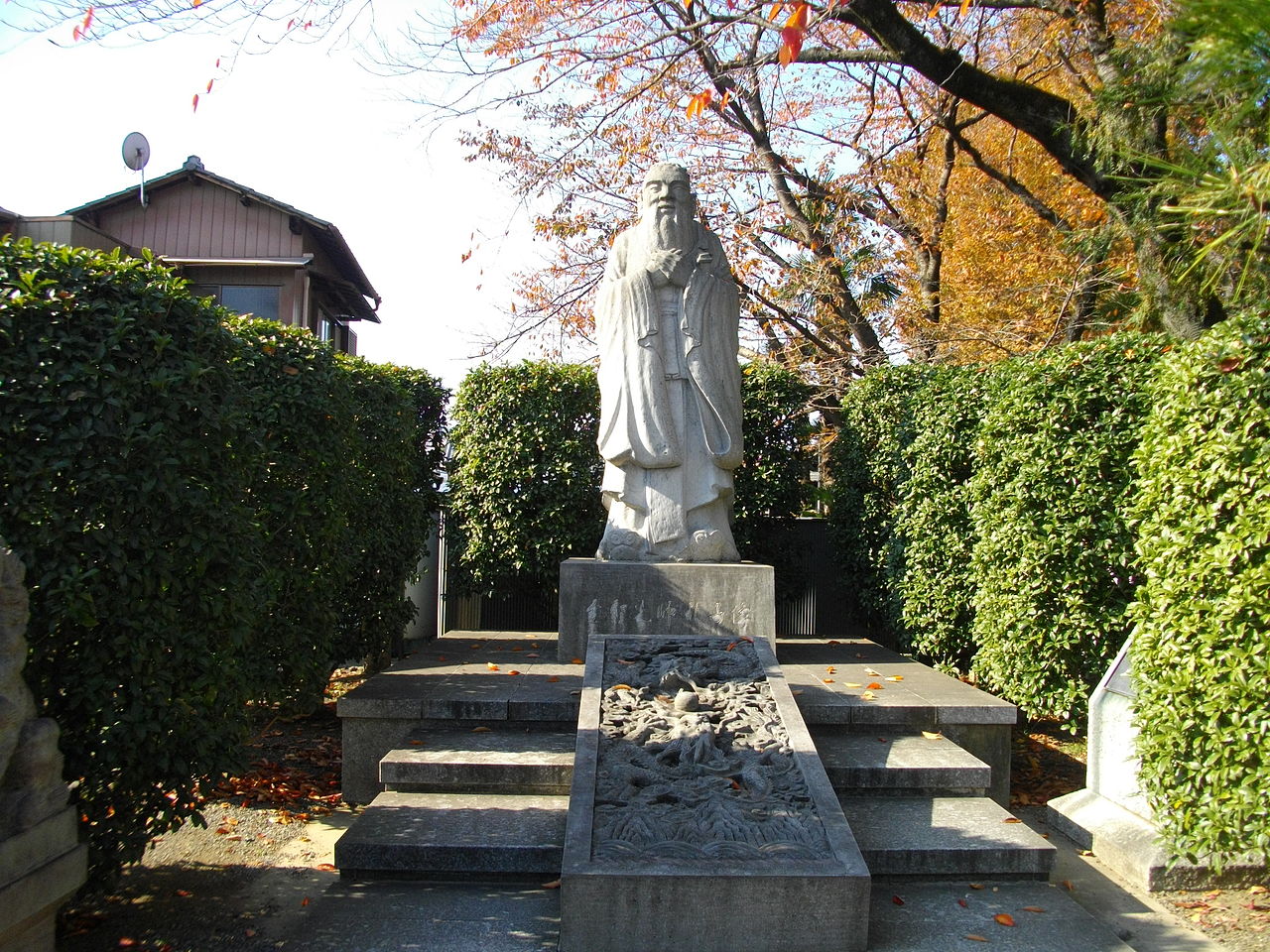
Ashikaga Gakko was not a monastery, though its teachers were Zen monks. The institution drew a hard line between religious training and academic pursuit. While Zen provided the moral framework, the curriculum was strictly secular and Confucian:
- Core Texts: The Four Books and Five Classics formed the bedrock of education.
- Practical Arts: Students were trained in the I Ching (Book of Changes) for divination, as well as Chinese medicine and military strategy.
- The Library: The collection was, at its height, the most comprehensive repository of Chinese classics in Japan. Today, the library wing displays high-quality facsimiles that represent the original breadth of knowledge, from advanced mathematics to philosophical treatises.
Official Responses and Preservation Ethics
The Japanese government and the local Ashikaga municipal authorities have adopted a "living museum" philosophy toward the site. Unlike many heritage sites that are roped off behind glass, Ashikaga Gakko remains an active participant in cultural transmission.
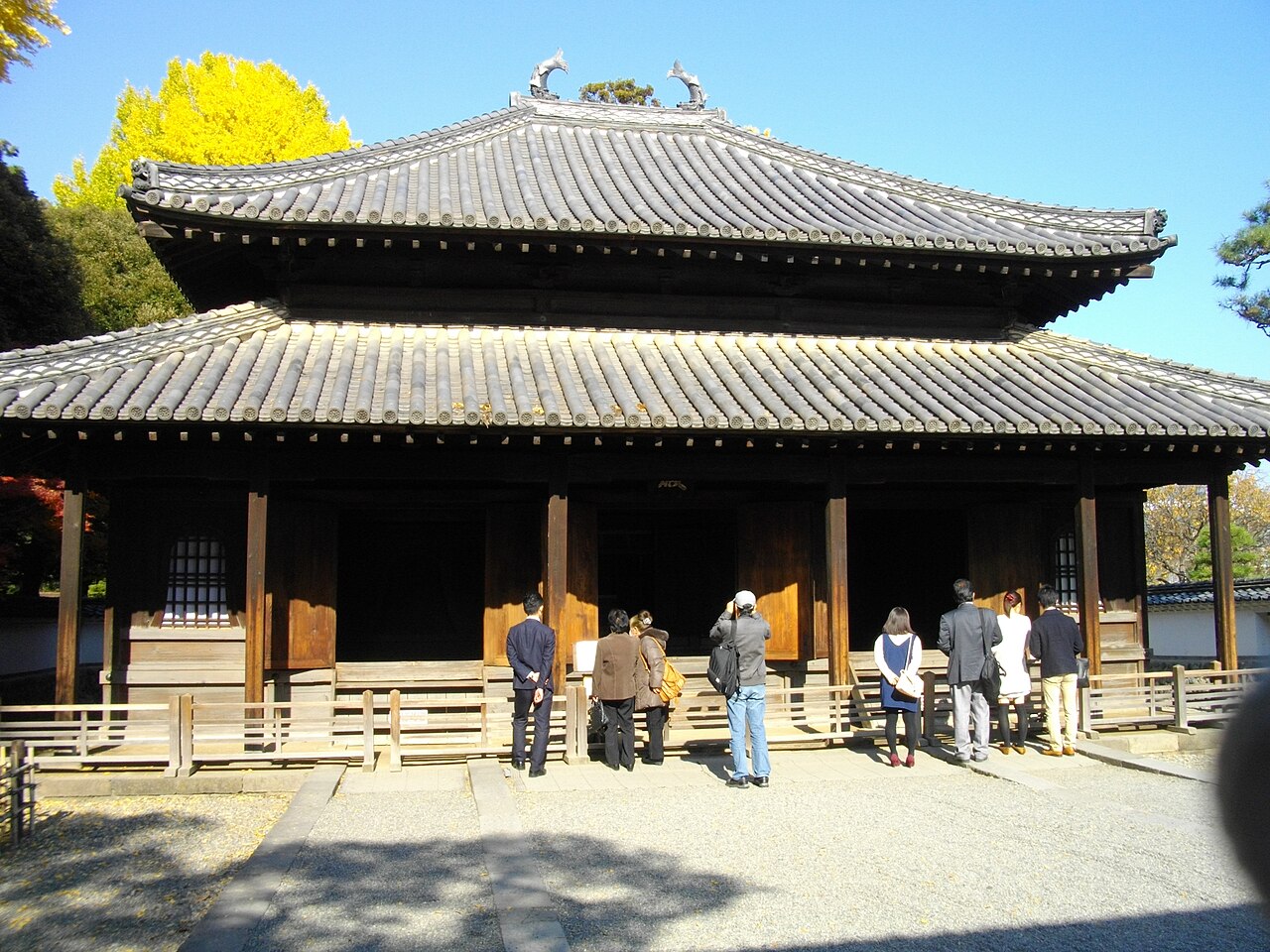
The most notable example of this is the sekiten ceremony—the traditional Confucian rite performed every spring and autumn. This is not a performance for tourists, but a deeply held ritual involving white-robed scholars, classical music, and traditional offerings. Officials have expressed that the goal is to maintain the "continuity of scholarly spirit." By allowing the public to observe these rites, the institution bridges the gap between historical curiosity and living heritage.
Implications for Global Education
The existence of Ashikaga Gakko challenges the Eurocentric narrative that the "university" is an exclusively Western invention. As scholars increasingly look toward the East to understand the development of global knowledge systems, Ashikaga Gakko provides a crucial case study in institutional longevity.
The "Analects" Read-Aloud Sessions
Perhaps the most striking implication of the school’s survival is the Analects read-aloud program. By inviting the public to read and chant passages from the Analects of Confucius, the school continues the exact pedagogical practices used 500 years ago. This provides a rare, tangible link to the past that few sites worldwide can offer. For the contemporary student, it serves as a reminder that the pursuit of wisdom has always been a communal, disciplined, and rigorous endeavor.
An Educational Pilgrimage
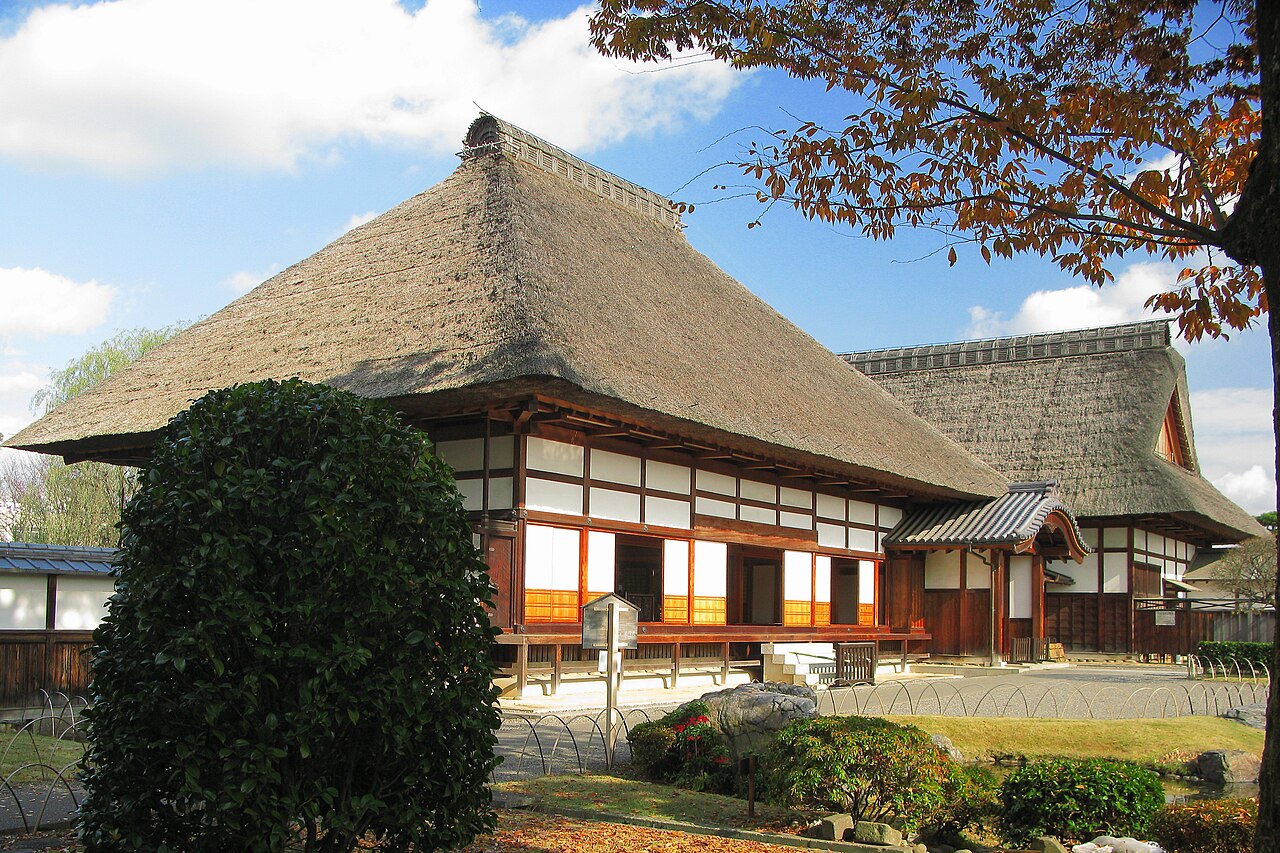
For educators and humanities scholars, visiting Ashikaga Gakko is akin to a pilgrimage. It is a site where the geometry of the architecture—the Hojo residence hall, the Koshibyo temple, and the Zen-inspired Northern Garden—serves the singular purpose of reflection and intellectual growth. The fact that this institution, which once shaped the minds of Japan’s political and intellectual elite, remains standing is a triumph of cultural stewardship.
A Guide for the Modern Visitor
For those planning to visit, the experience is best understood as a quiet immersion into pre-modern Japan.
- Logistics: The site is easily accessible from Tokyo via the Tobu Isesaki Line to Tobu-Ashikagashi Station. A 90-minute commute brings you from the hyper-modernity of Asakusa to the quietude of the Gakko grounds.
- Synergy: A trip to the school is best combined with a visit to the neighboring Banna-ji Temple. Together, they represent the dual pillars of local history: the religious and the intellectual.
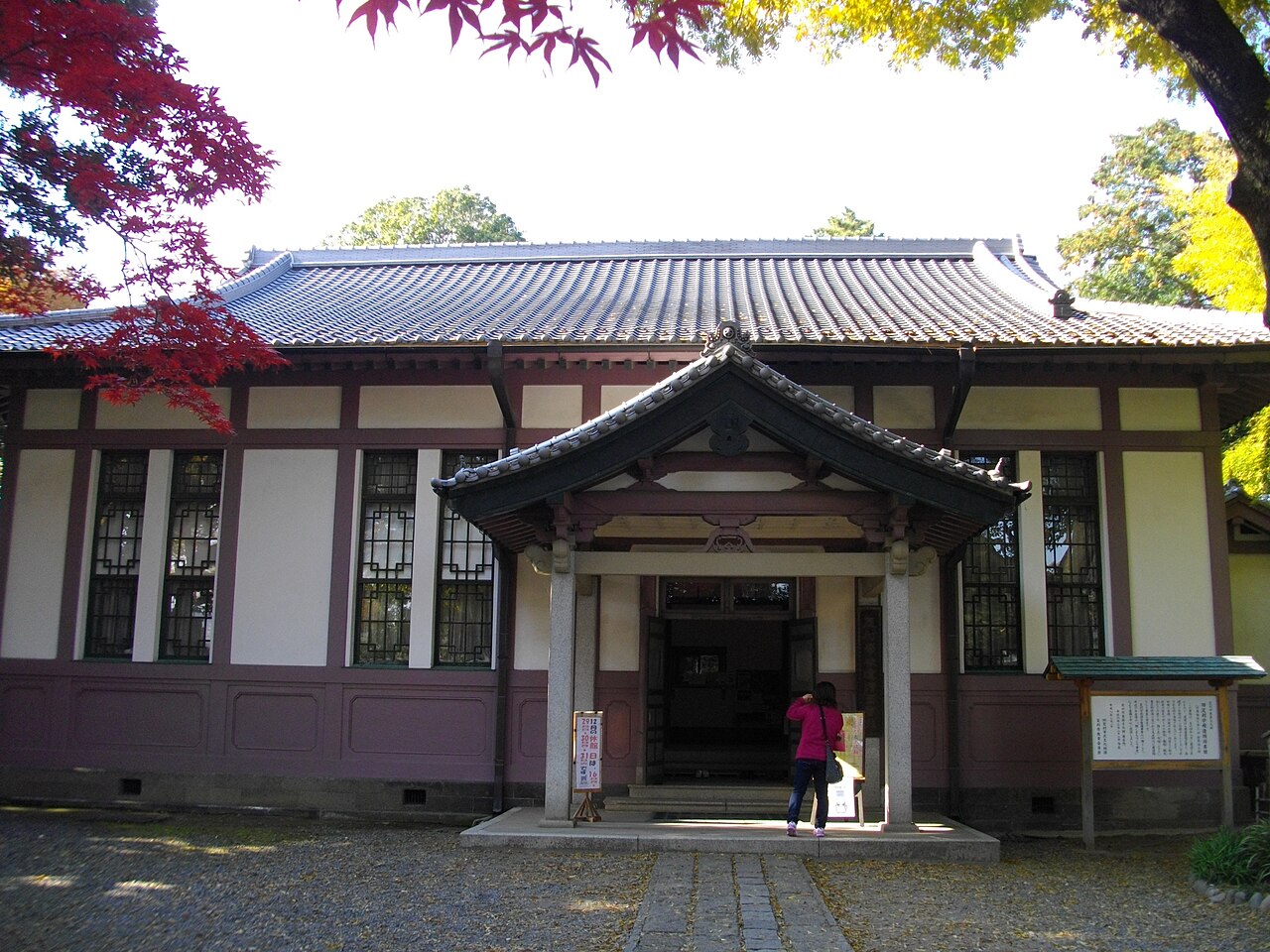
- Timing: While the school is open year-round, the autumn season (late October to early November) is widely considered the peak experience. The turning of the Japanese maples (momiji) against the dark, weathered timber of the 17th-century structures provides a visual harmony that is quintessentially Japanese.
Conclusion
Ashikaga Gakko is a profound reminder that history is not always found in the grand, bustling capitals of the world. Sometimes, it is hidden in a small city, preserved by the dedication of local scholars and the resilience of a culture that deeply respects its intellectual lineage. Whether you are a student of history, a lover of architecture, or simply a traveler seeking a moment of genuine connection with the past, the "oldest academic institution in Japan" offers an experience that is as intellectually enriching as it is aesthetically peaceful. It stands as a beacon of learning, silent for long stretches of the day, yet perpetually echoing with the wisdom of the masters who walked its halls centuries ago.












No comments yet. Be the first to join the conversation!