Neng Nana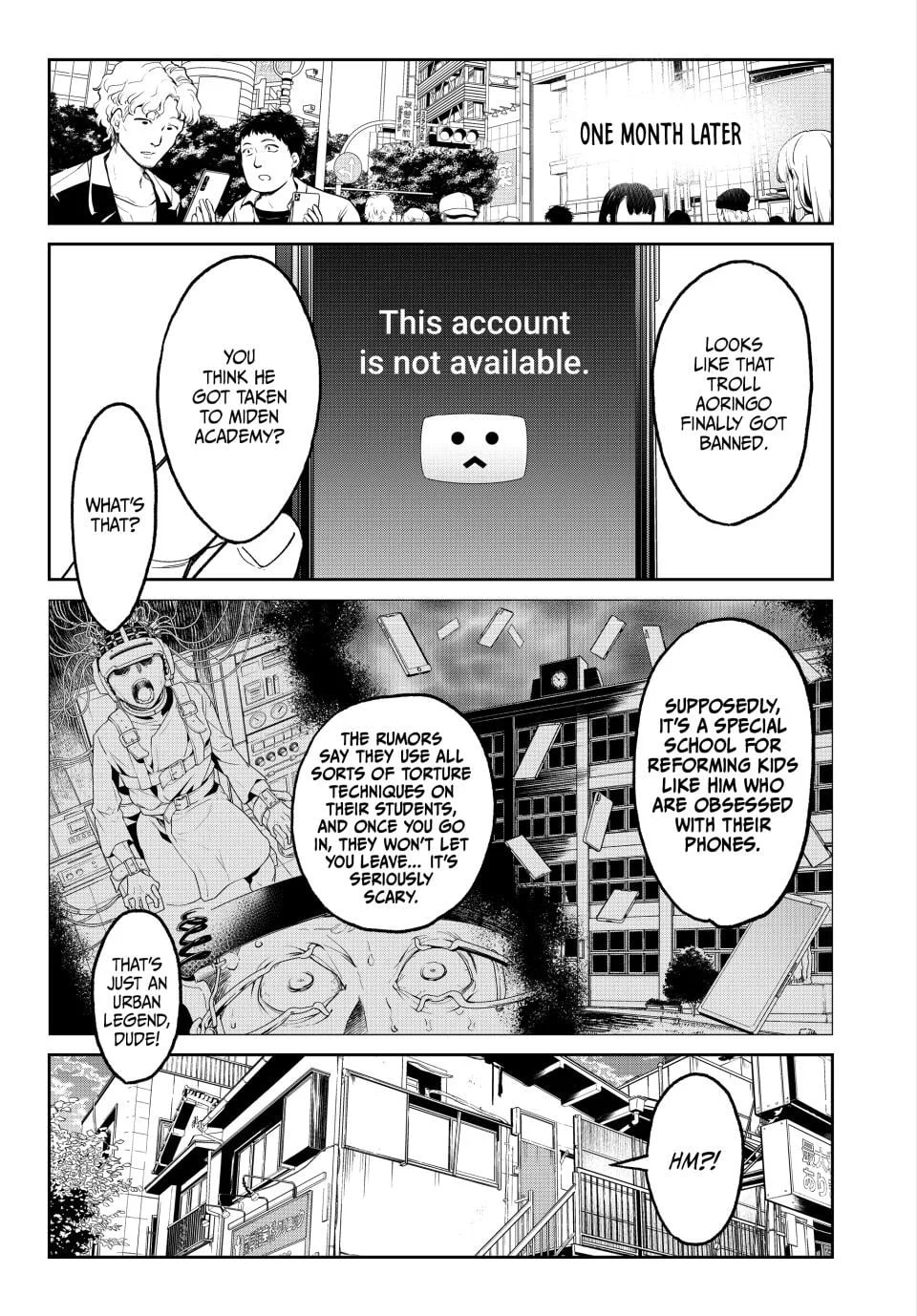
The global anime industry is currently grappling with a widening schism between audiences and the professionals responsible for translating and localizing content. While localization has always required a degree of creative interpretation to bridge cultural gaps, a recent string of controversies has brought the practice under intense scrutiny. The latest flashpoint in this ongoing debate is the English-language dub and subtitle track for Dead Account, a 2026 anime adaptation of Shizumu Watanabe’s popular manga.
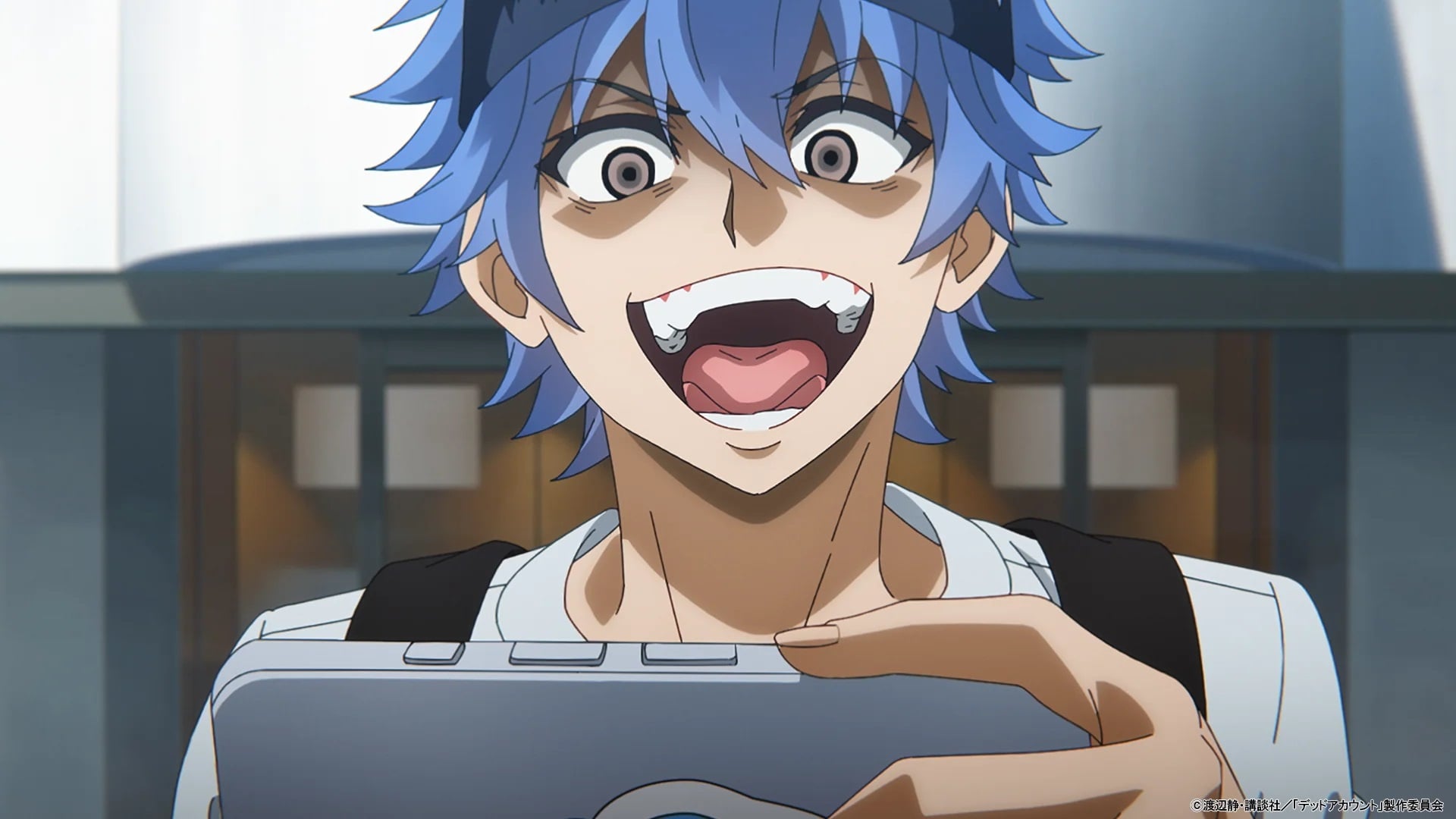
Critics and fans alike have pointed to Dead Account as a prime example of what is being termed "hyper-localization"—the practice of stripping away original Japanese dialogue in favor of fleeting, internet-centric slang and Western memes. As Crunchyroll continues to raise membership fees, the quality of its in-house localizations has become a central grievance for a subscriber base that increasingly demands fidelity to the original source material.
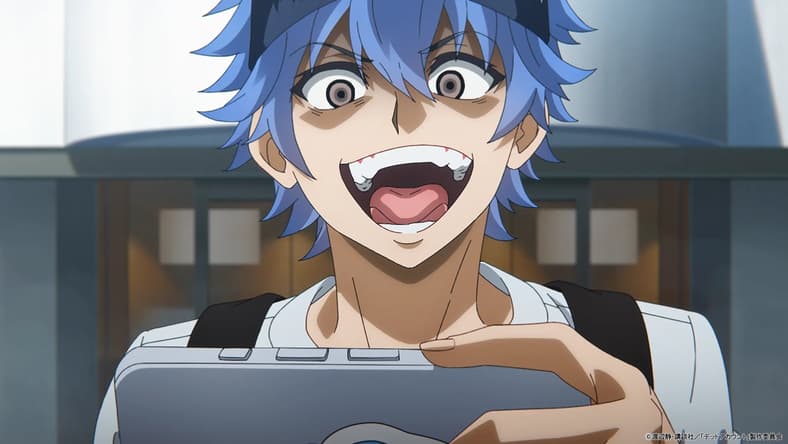
Main Facts: The Controversy Surrounding ‘Dead Account’
Dead Account, based on the manga by Shizumu Watanabe, is a modern supernatural thriller that explores the intersection of social media and the paranormal. The story follows exorcists at Miden Academy who hunt "ghost accounts"—the digital remains of deceased individuals that have been possessed by aberrations. These entities can only be defeated through "cyberkinesis," a smartphone-based exorcism power.

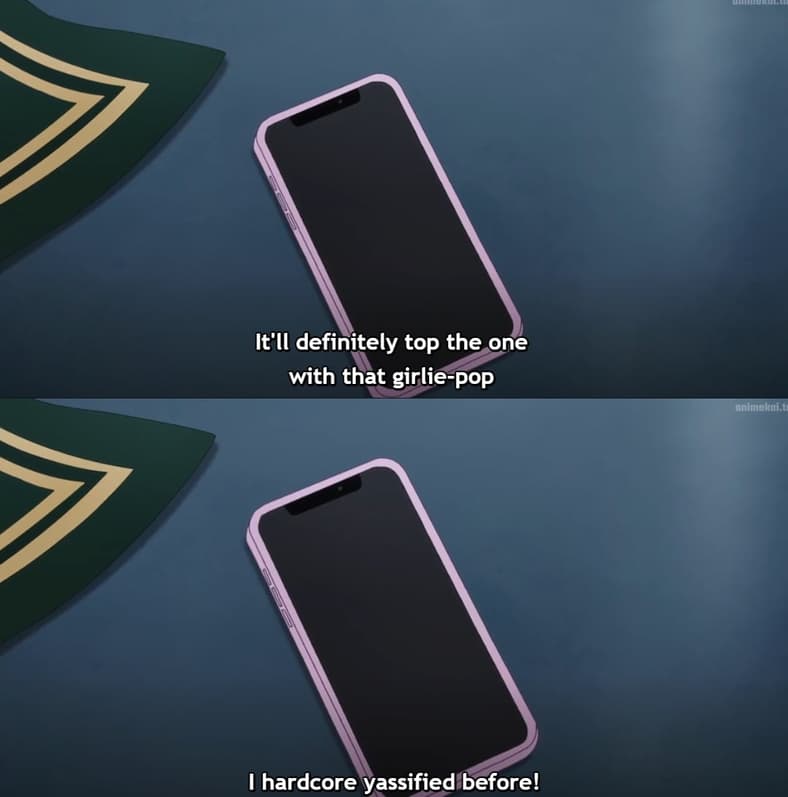
The controversy stems from Crunchyroll’s decision to infuse the English script with "Zoomer" (Generation Z) internet slang, such as "cope," "seethe," "mald," "slay," and "yassified." These terms do not appear in the original Japanese dialogue nor in the official English manga translation provided by Kodansha.
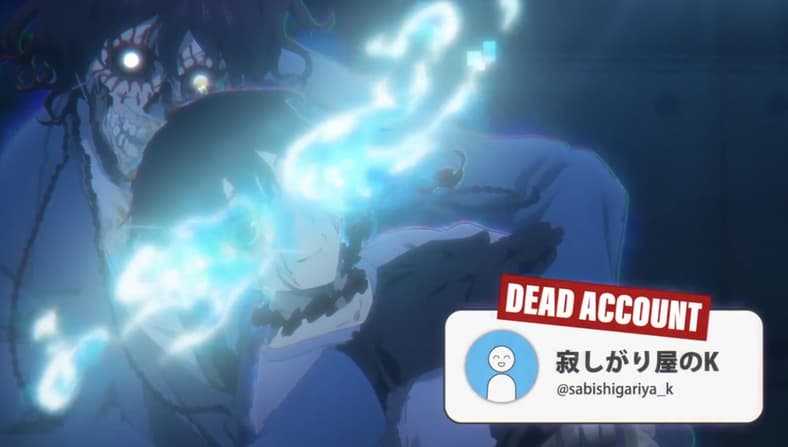
The backlash centers on three primary concerns:
- Loss of Character Intent: The inserted slang alters the personalities of the characters, making them feel like Western internet archetypes rather than Japanese students.
- Premature Aging of Content: Slang that is popular in 2024–2026 is likely to feel severely dated within a few years, potentially harming the long-term rewatch value of the series.
- Divergence from Official Canon: By deviating from the established Kodansha manga translation, the anime creates a fragmented experience for fans who follow both the literature and the show.
Chronology: From Manga Success to Localization Backlash
The journey of Dead Account from the page to the screen has been marked by a shift in tone that caught many fans off guard.
- 2023: Shizumu Watanabe begins the serialization of Dead Account. The manga receives praise for its unique take on the exorcist genre, utilizing social media themes as a vehicle for horror. Kodansha begins its official English localization, maintaining a tone that balances modern tech-savviness with traditional shonen storytelling.
- Early 2026: SynergySP releases the anime adaptation of Dead Account. The show is picked up by Crunchyroll for international distribution.
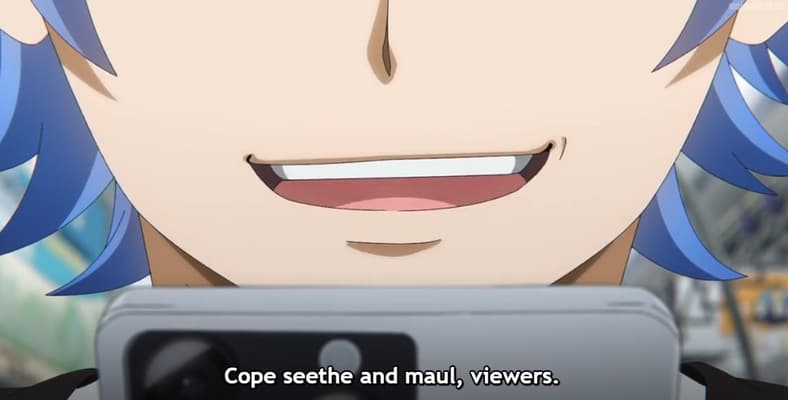
- Premiere Week: The first episode, "The Ultimate Flamebaiter," debuts. Viewers immediately notice a discrepancy between the Japanese audio and the English dub/subtitles. The protagonist, Soji Enishiro, is heard using the phrase "Cope, seethe, and mald," a common internet taunt, where the original text focused on "rage" and "heat" within the chat.
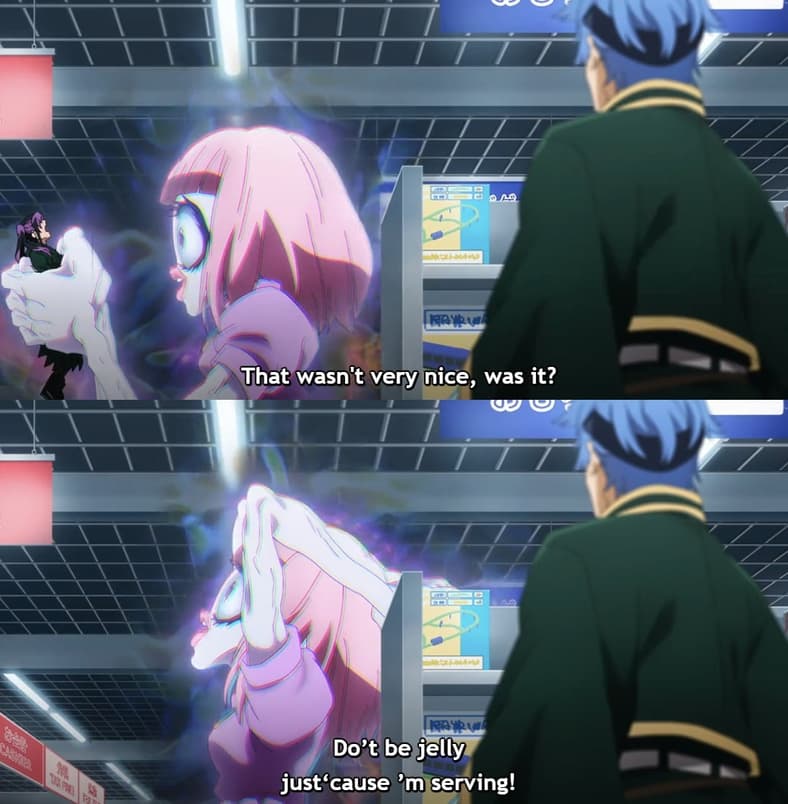
- Mid-Season (Episode 4 & 5): The localization choices become more aggressive. Characters begin using phrases like "girlie-pop," "yassified," and "serving." Social media platforms like X (formerly Twitter) and Reddit become hubs for side-by-side comparisons between the Kodansha manga panels and the Crunchyroll script.
- Present Day: The controversy has reignited a broader conversation about Crunchyroll’s localization policies, particularly following their recent price hikes, leading to calls for "faithful translation" over "transformative localization."
Supporting Data: A Comparative Analysis of Scripts
To understand the depth of the changes, one must look at the specific instances where Crunchyroll’s in-house team deviated from the source material.
Episode 1: The Introduction of "Cope and Seethe"
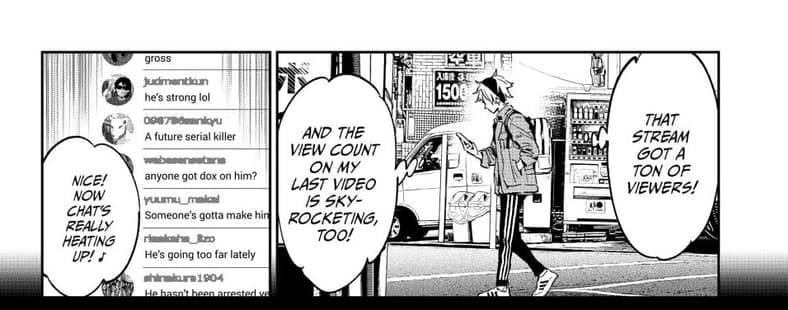
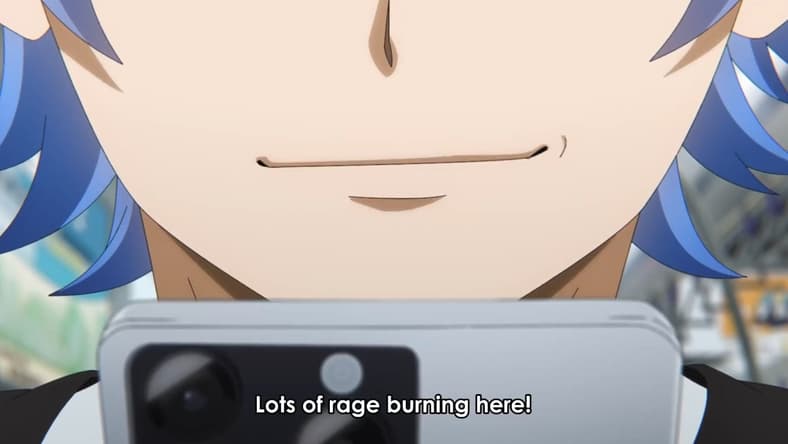
In the series premiere, Soji Enishiro, a "flamebait" streamer, watches his chat erupt in anger.
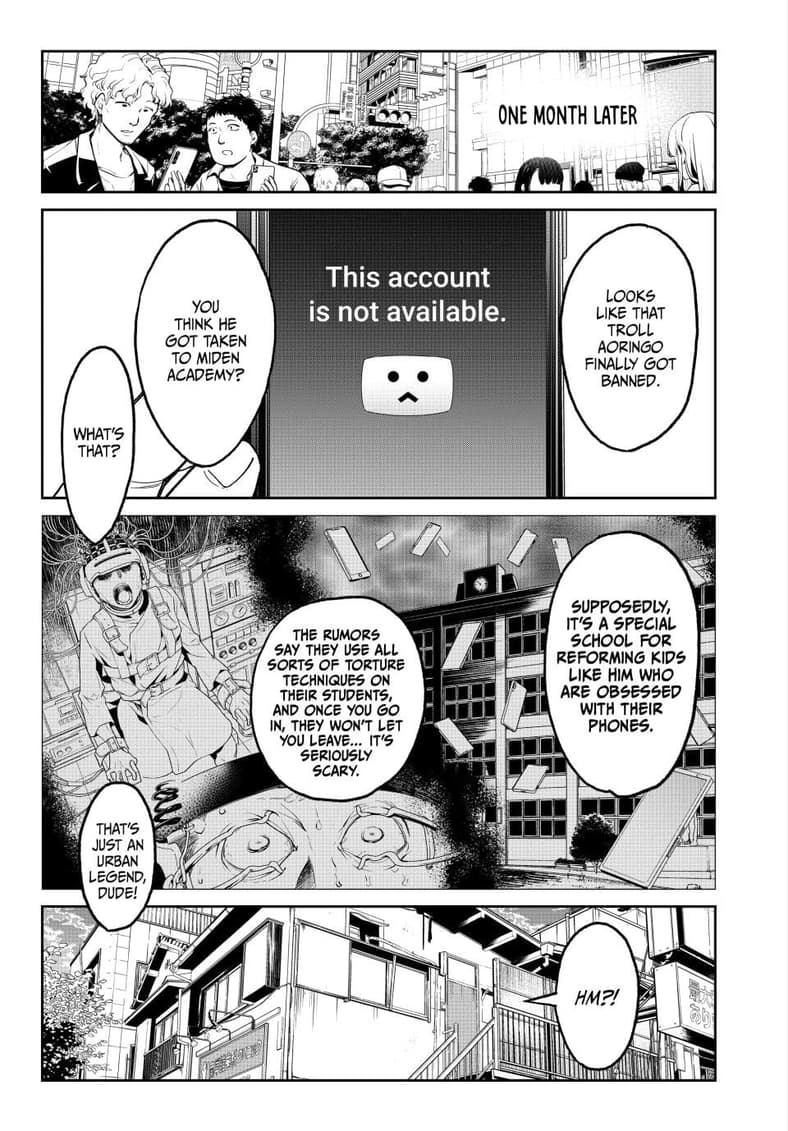
- Manga (Kodansha): "Nice! Now chat’s really heating up!"
- Anime Subtitles (Crunchyroll): "Lots of rage burning here."
- Anime Dub (Crunchyroll): "Cope, seethe, and mald, viewers!"
The dub script replaces a generic observation about "heat" (a metaphor for engagement) with a specific, aggressive meme format. While Soji is an antagonistic protagonist, critics argue that the meme-speak makes the character feel like a caricature of a Western "4chan" or "Twitch" troll rather than the specific Japanese "enjo" (flame) culture Watanabe intended.
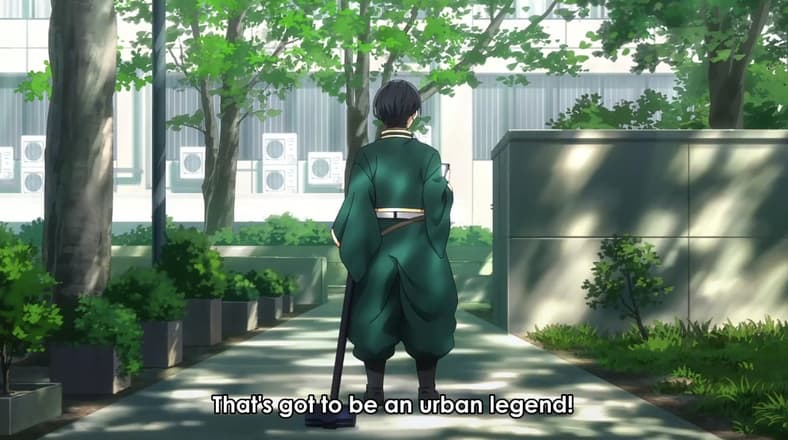
Episode 4: The "Yassification" of Horror
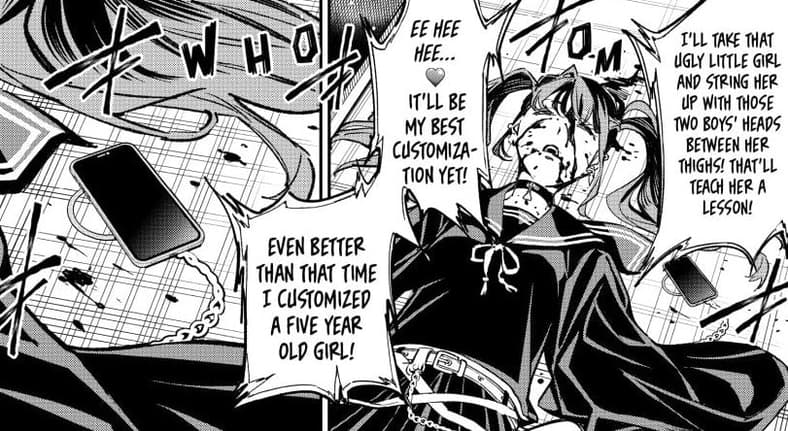
The most widely cited example occurs in Episode 4, "The Worst Trio Possible." The exorcists encounter a mid-level ghost account named Kirika-chan, a vanity-obsessed spirit.
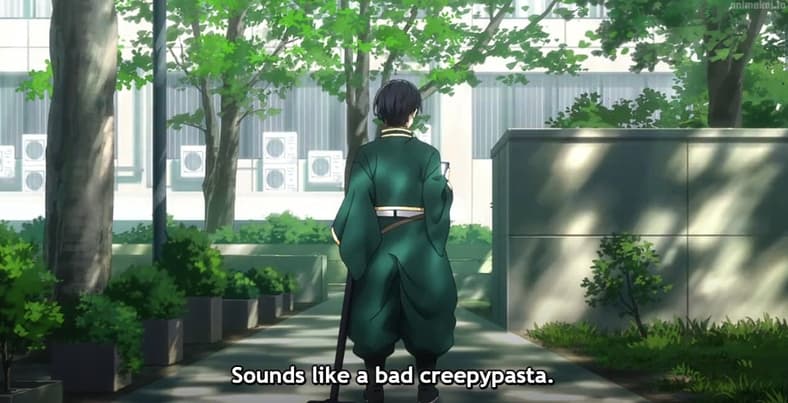
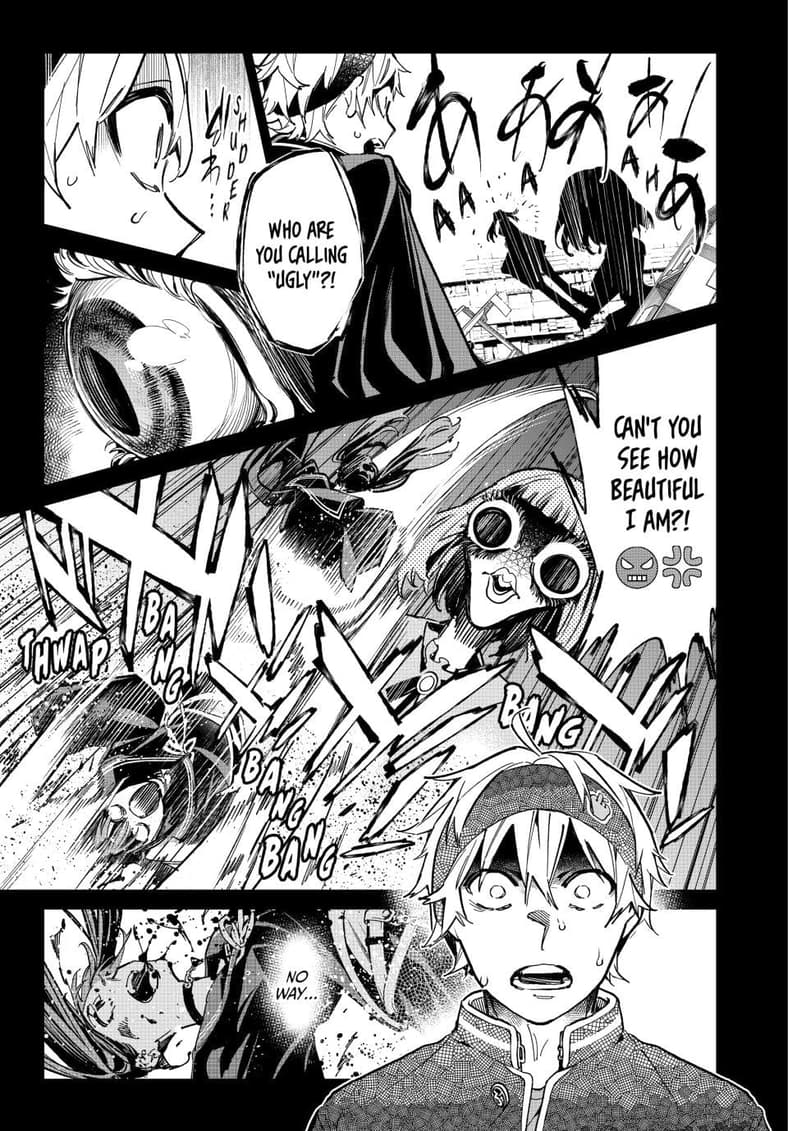
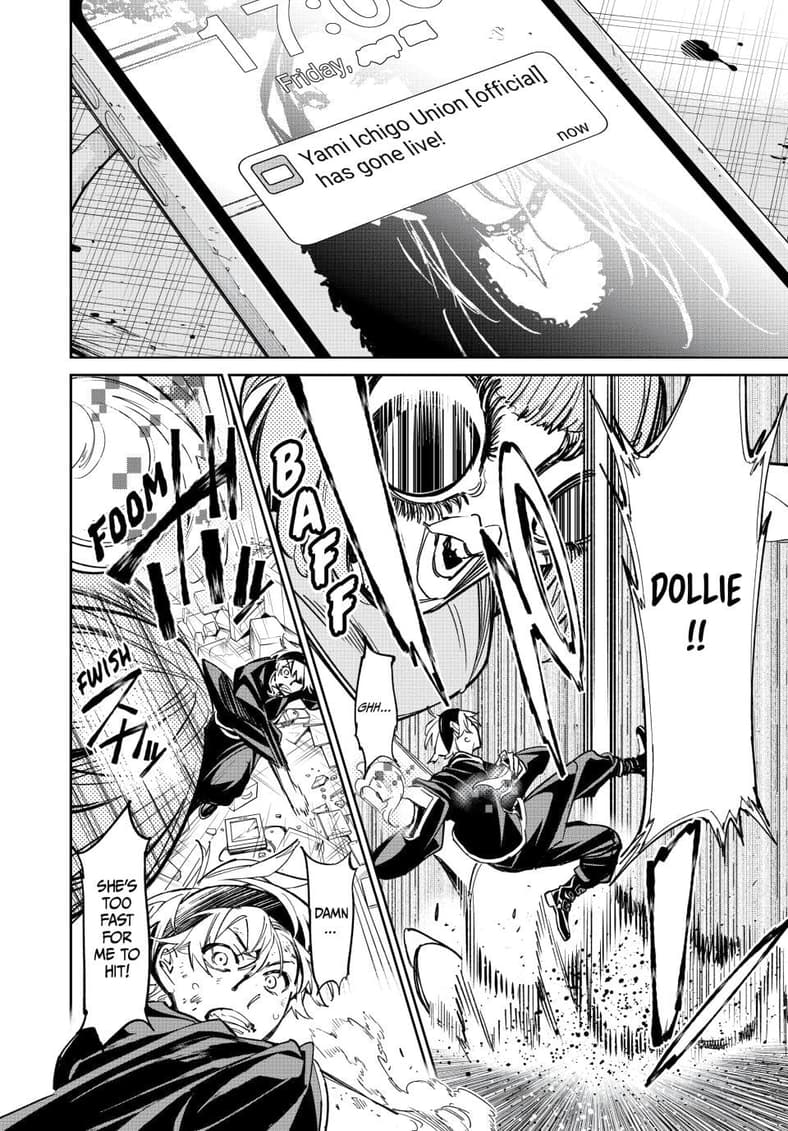
- Manga (Kodansha): Kirika-chan describes her victims as "customized" and screams "Dollie!" during her attack.
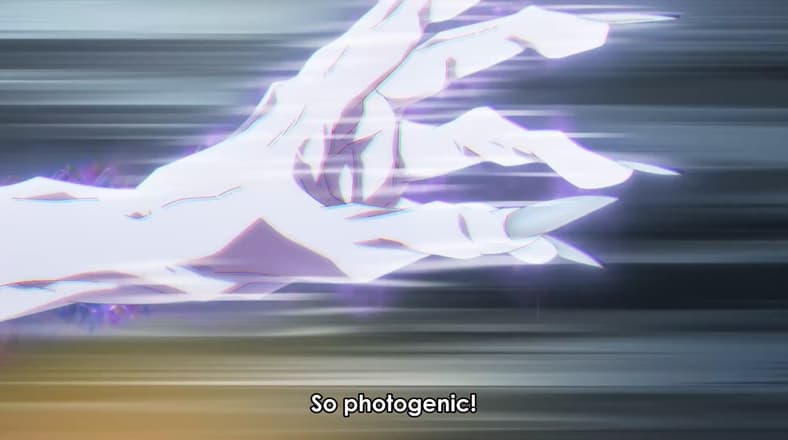
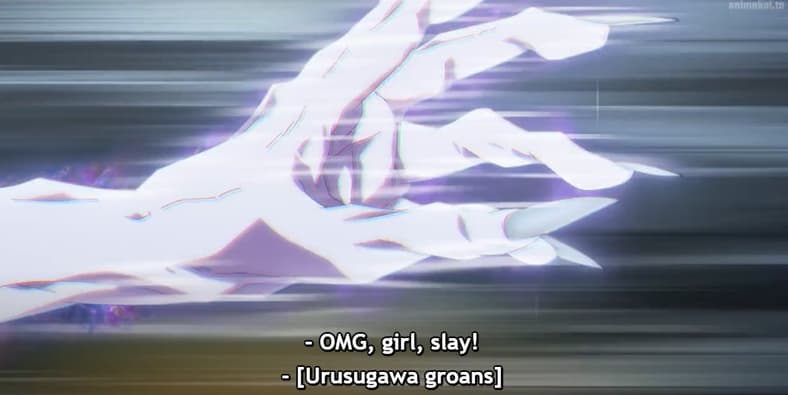
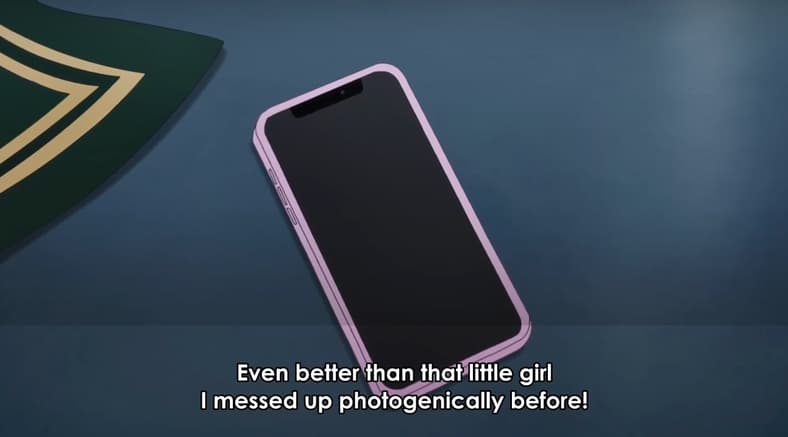
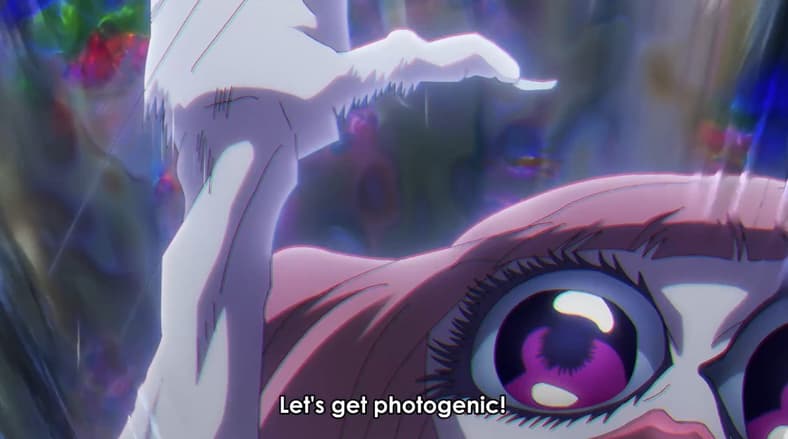
- Anime Subtitles (Crunchyroll): She refers to victims as "messed up photogenically" and yells "Let’s get photogenic!"
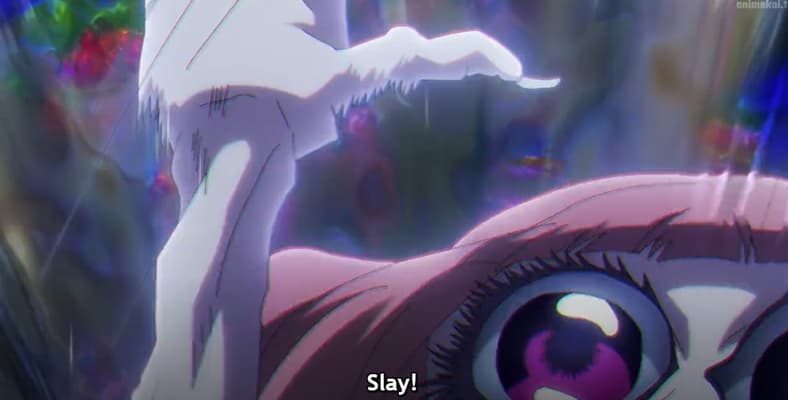
- Anime Dub (Crunchyroll): Kirika-chan says she "hardcore yassified" a girl and screams "Slay!" as she lunges at the heroes.
In this instance, the horror element—the idea of a ghost physically "customizing" or mutilating humans like dolls—is replaced with "yassification," a term used in LGBTQ+ and online beauty communities to describe heavy filtering or beautification. Critics argue this significantly softens the threat of the villain and turns a life-threatening encounter into a comedic meme.
Episode 5: The "Cringe" Legend
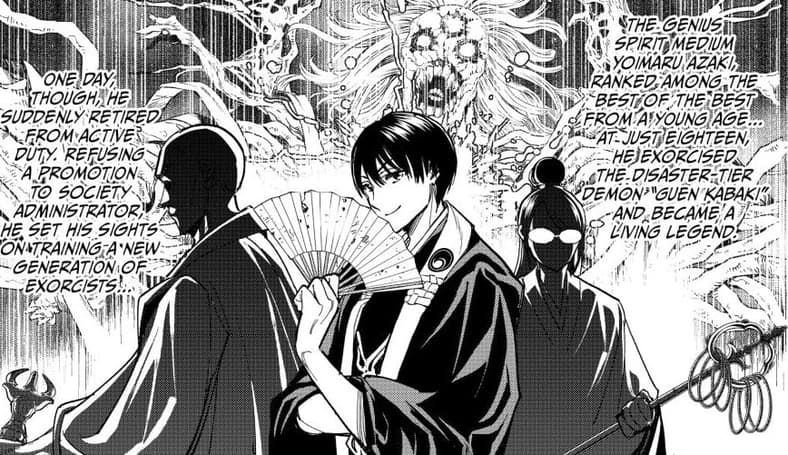
In Episode 5, "The Anachronistic Exorcist," the script targets the reputation of the teacher, Yoimaru Azaki.
- Manga (Kodansha): He is referred to as a "Living Legend" with a sense of awe.
- Anime Dub (Crunchyroll): A student remarks that his title is "super cringe if you know the guy."
While the student is mocking their teacher, the insertion of "cringe" is viewed by some as an unnecessary injection of modern vernacular into a world that, while modern, maintains a certain level of traditional stakes.
Official Responses and Industry Context
As of this report, Crunchyroll has not issued a formal statement regarding the specific localization choices in Dead Account. Historically, the platform has defended its localization teams, stating that their goal is to make content "accessible" and "culturally relevant" to English-speaking audiences.
However, this incident does not exist in a vacuum. It follows several other high-profile localization disputes:
- Oshi No Ko: Localizers were criticized for inserting references to "cancel culture" that were not present in the original Japanese text.
- Blue Box: A Netflix localization recently came under fire for changing a character’s description from "feminine" to "feminist," a change that altered the character’s thematic arc.
- Syd Craft: Love is a Mystery: Viz Media faced similar backlash for inserting "Zoomer" slang into a detective-style narrative.
The silence from Crunchyroll suggests a disconnect between the corporate strategy—which appears to favor "punchy," viral-ready scripts—and a core audience that values the preservation of Japanese cultural nuances.
Implications: The Long-term Impact on Media Preservation
The "Zoomer-fication" of Dead Account raises significant questions about the future of anime localization.
1. The "Shelf-Life" Problem
Slang is notoriously ephemeral. Words like "yassified" or "mald" often have a cultural lifespan of less than five years before they become "dated" or "cringe" themselves. By leaning heavily into these terms, localizers risk making the 2026 Dead Account dub unwatchable for audiences in 2030. This is a sharp contrast to more "timeless" translations that use standard English, which remain accessible for decades.
2. Cultural Erasure vs. Adaptation
There is a fine line between making a joke "work" in English and erasing the Japanese context. Dead Account is deeply rooted in Japanese social media culture (Mytube, Aoringo). By overlaying Western internet memes, the localization creates a "cultural uncanny valley" where the setting is Tokyo, but the dialogue is from a Los Angeles Discord server.
3. Subscriber Trust
With Crunchyroll raising prices, subscribers are becoming more vocal about quality control. Many fans argue that if they are paying a premium, they should receive a product that respects the original creator’s vision. The trend of "creative rewriting" has led to a resurgence in "fansubs"—unofficial translations by fans—which often prioritize literal accuracy over stylistic flair.
4. The Role of the Localizer
This controversy highlights a fundamental disagreement on the role of a localizer. Is the localizer a "bridge" meant to be as invisible as possible, or are they a "co-creator" tasked with "improving" the script for a new audience? The backlash to Dead Account suggests that the modern anime community overwhelmingly prefers the former.
In conclusion, while Dead Account remains a visual and conceptual success, its localization has become a cautionary tale. As the industry moves forward, the balance between "relatability" and "fidelity" will likely remain the most contested territory in the world of international media. For now, viewers of Dead Account are left to decide whether they want to "cope and seethe" or simply change their audio settings back to the original Japanese.

 Rifan Muazin
 Ammar Sabilarrohman