

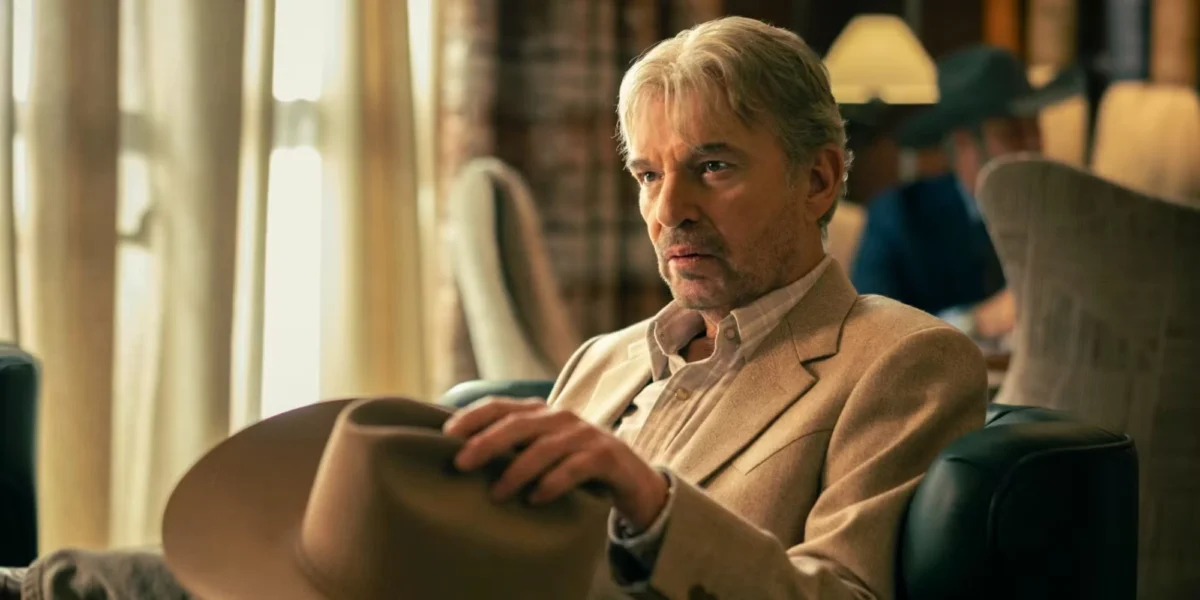
The landscape of modern television has been irrevocably altered by the vision of Taylor Sheridan. A former actor turned powerhouse writer-director, Sheridan has cultivated an expansive, interconnected universe that acts as a modern-day tapestry of the American experience. Whether it is the vast, unforgiving plains of the Montana frontier, the corporate boardrooms of the Texas oil industry, or the claustrophobic corridors of a prison-town, Sheridan’s work consistently explores the intersection of power, legacy, and the thin, often bloody, line between order and chaos.
Sheridan’s "Cowboy Connoisseur" persona is more than a marketing tag; it is a thematic commitment to the American Wild West—a place where "real business" is conducted under a veil of discretion. As his library grows, it has become increasingly clear that Sheridan is not merely making Westerns; he is creating a cultural phenomenon that spans generations, genres, and geographies.
The Architecture of a Universe
While Yellowstone serves as the cornerstone of this empire, Sheridan has branched out significantly in recent years. His shows generally fall into two distinct camps: those defined by visceral, high-stakes action and those characterized by character-driven, slow-burn psychological depth. To understand the breadth of his contribution to the medium, it is necessary to analyze his body of work through the lens of intensity. Excluding reality fare like The Road—which lacks the narrative stakes of his scripted dramas—we have ranked the essential Taylor Sheridan shows by their action-heavy output.
Chronological Breakdown and Action Intensity
11. The Madison (2026–Present)
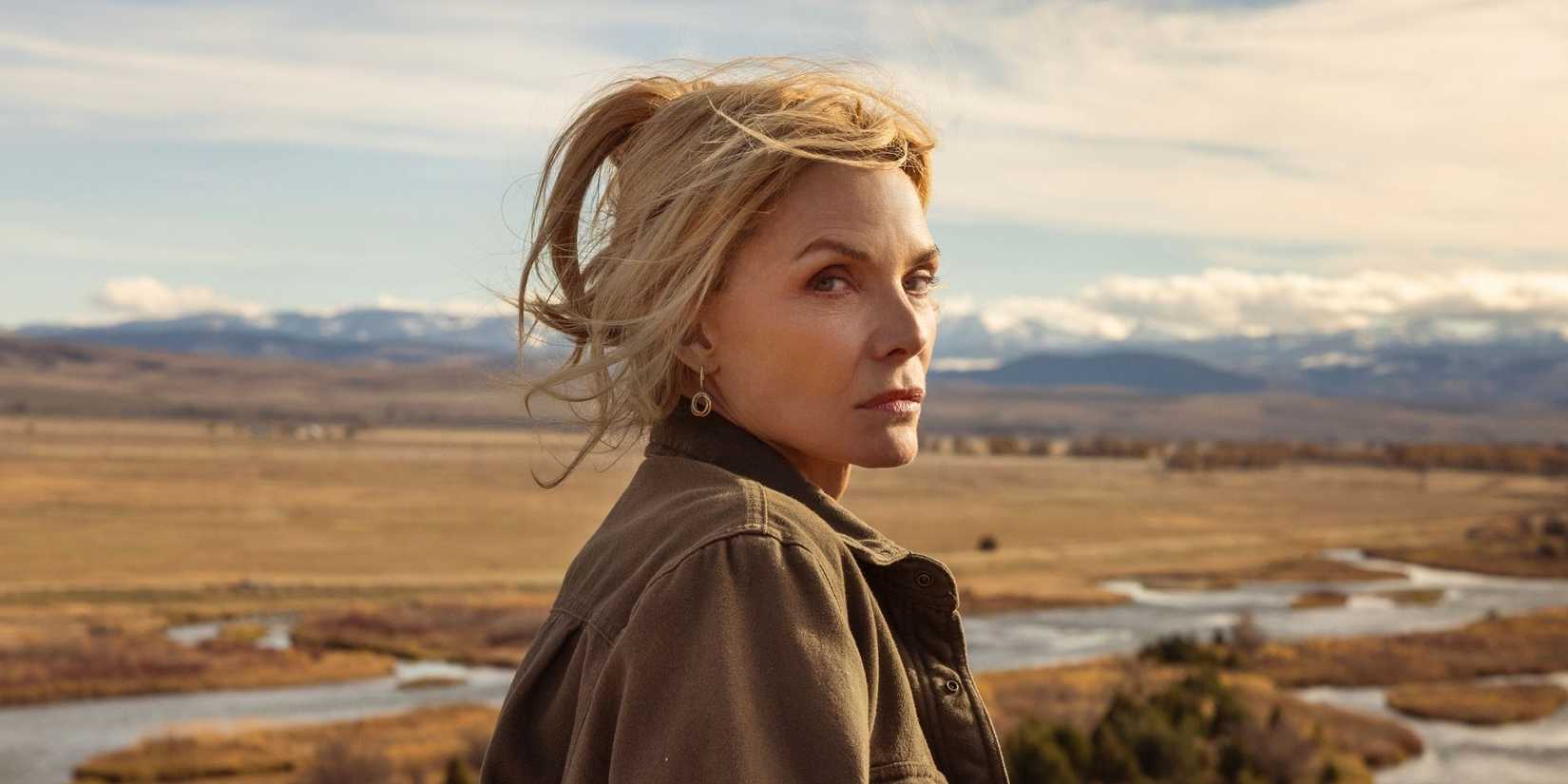
The Madison marks a departure from the high-octane gunfights of the Dutton saga. Centered on the Clyburn family’s transition from New York City to Montana’s Madison River Valley following a traumatic plane crash, the show is a masterclass in grief. Starring Michelle Pfeiffer, the series prioritizes bittersweet, countryside sentimentality over physical conflict. The "action" here is internal, dealing with the difficulty of healing when one’s family is fractured by sudden loss.
10. Landman (2024–Present)
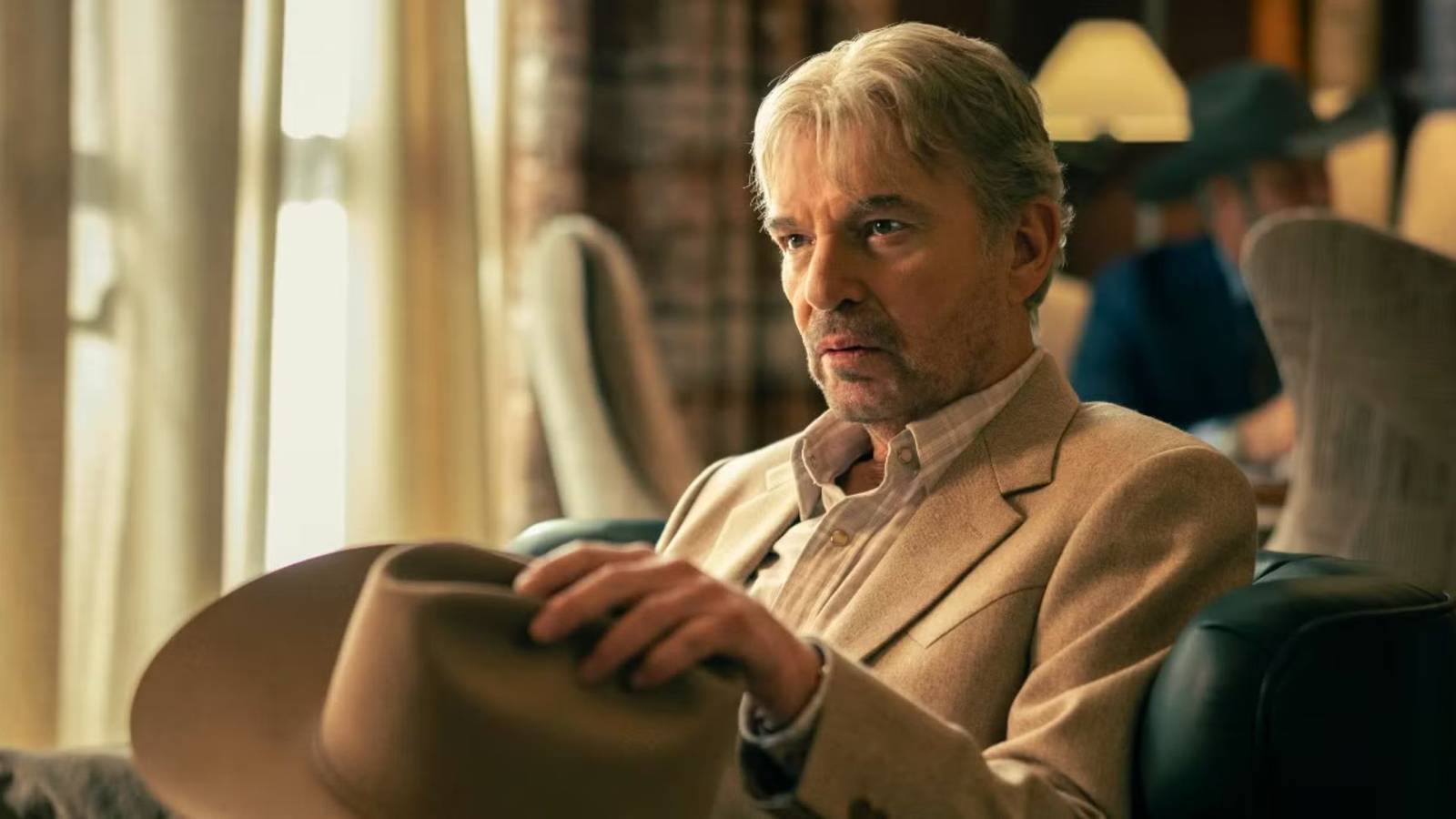
Set in the high-stakes, high-reward world of the West Texas oilfields, Landman is a corporate thriller at its core. Billy Bob Thornton’s Tommy Norris serves as a buffer between billionaire executives and the roughnecks risking their lives on the rigs. While the threat of violence from cartels and outlaws exists, the primary battleground is the boardroom. The conflict is defined by backstabbing, scapegoating, and aggressive contract negotiations rather than firefights.
9. 1883 (2021–2022)
As the origin story of the Dutton lineage, 1883 is a gritty, grounded exploration of the Oregon Trail. While it features sporadic, brutal bandit attacks, the true adversary is the environment. Disease, exhaustion, and the unforgiving elements act as the primary engines of tension. It is a heartbreaking, cinematic journey that prioritizes the visceral toll of survival over tactical action.
8. 1923 (2022–2025)
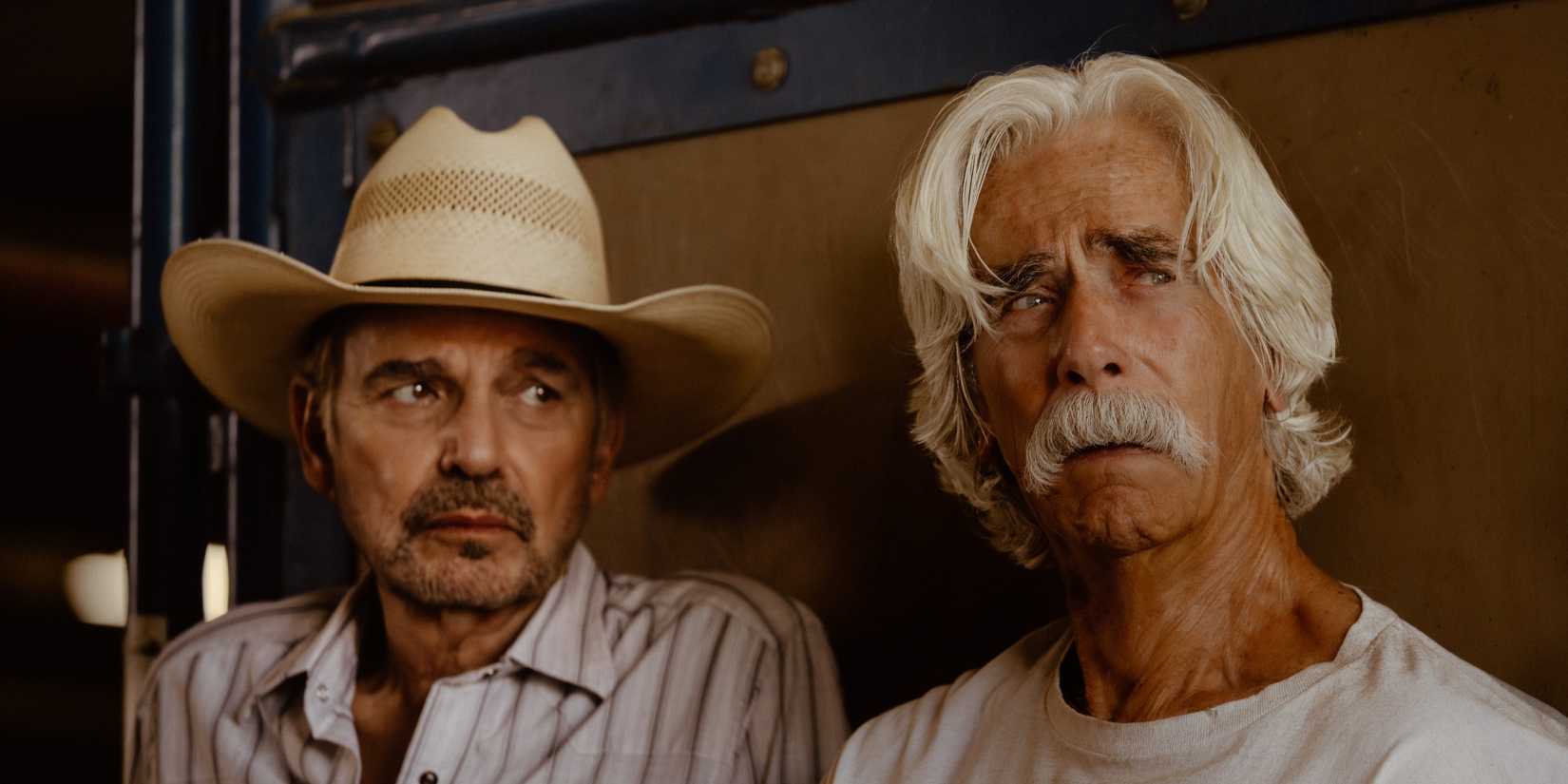
A historical epic that expands the Dutton family tree, 1923 utilizes two distinct theaters of war. In Montana, Jacob and Cara Dutton grapple with the political and colonial pressures of the early 20th century. However, the action ramps up exponentially in Africa, where Spencer Dutton battles nature’s apex predators—elephants, leopards, and lions. It is here that the series delivers its most raw, animalistic violence.
7. Dutton Ranch (2026–Present)
Picking up in the aftermath of the Yellowstone finale, this series finds Beth and Rip Dutton in South Texas. As they build a new life, the series remains in a developmental stage regarding its action. However, with characters like the pragmatic Beulah Jackson, the series hints at a looming conflict that promises to escalate from civil discourse to the signature Sheridan-style violence.
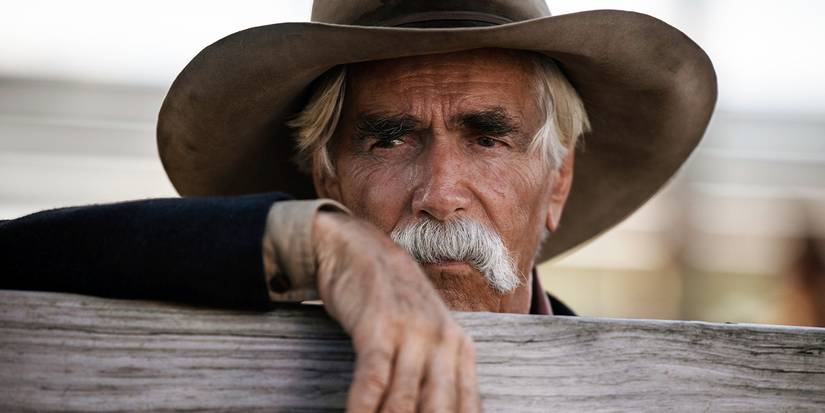
6. Lawmen: Bass Reeves (2023)
Tracing the life of the near-mythic deputy U.S. Marshal, this series is a masterclass in frontier justice. David Oyelowo’s portrayal of Reeves highlights his transformation from an enslaved man to a feared lawman. The action is constant, featuring calculated shootouts, intense manhunts, and tactical ambushes that showcase the reality of keeping the peace in a lawless land.
5. Marshals (2026–Present)
Marshals brings Kayce Dutton back to the tactical forefront. Having traded his ranch life for the badge of a U.S. Marshal following the death of his wife, Kayce is back in his element. The show leans into the military background of the character, delivering high-intensity operations, including counter-terrorism efforts and armed skirmishes across Montana.
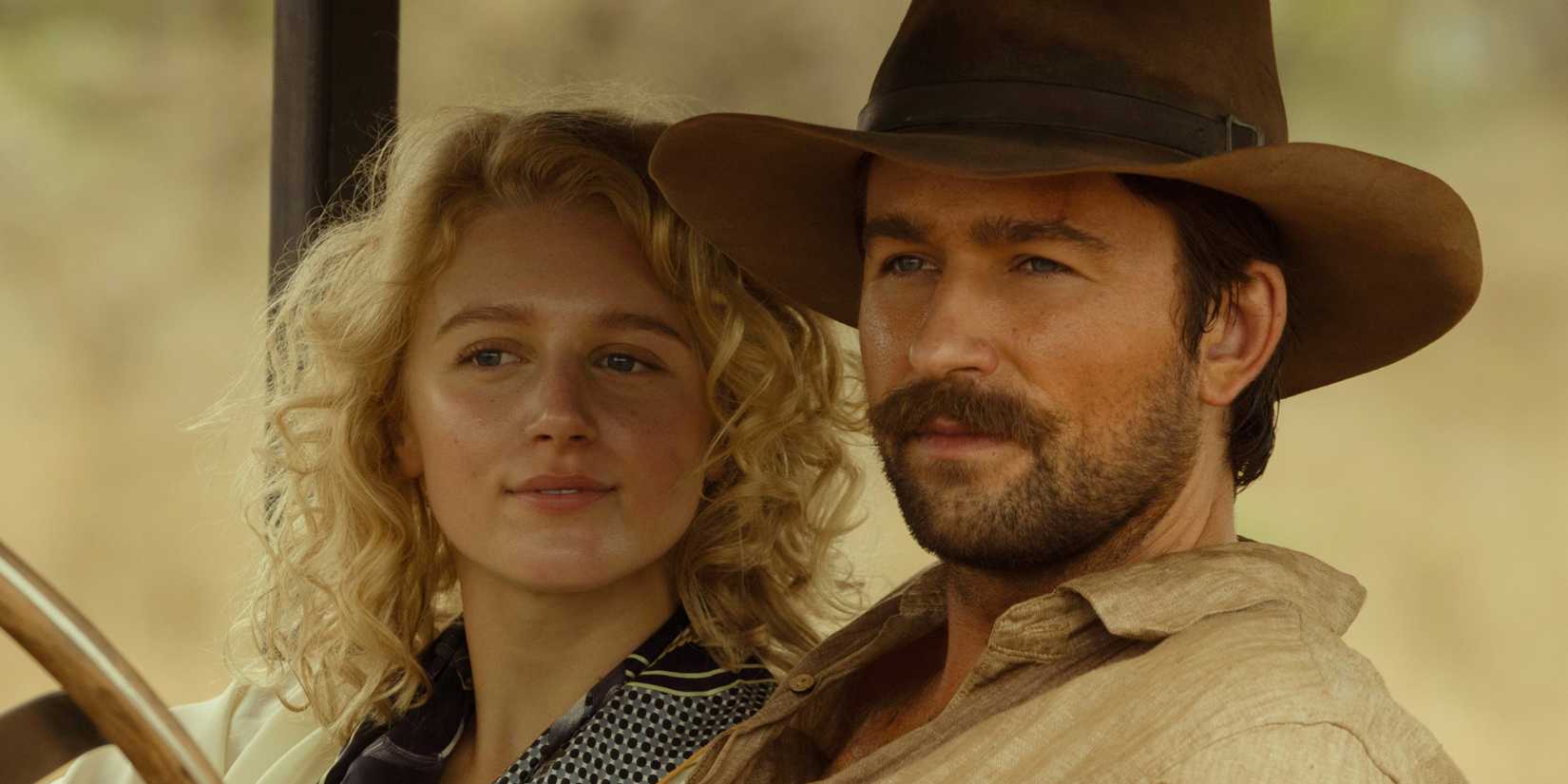
4. Tulsa King (2022–Present)
A unique blend of mob drama and fish-out-of-water comedy, Tulsa King follows Sylvester Stallone’s Dwight Manfredi as he establishes a criminal empire in Oklahoma. While it features the classic "slick" violence of the mafia genre, the action is tightly choreographed, involving grappling, brawls, and strategic tactical strikes against rivals.
3. Yellowstone (2018–2024)
The series that started it all remains the benchmark for televised violence. Whether it is a barroom brawl or an orchestrated corporate-military strike, the Duttons are perpetually under siege. The show’s brilliance lies in its ability to move from quiet, domestic tension to explosive, bloody conflict in a single scene.
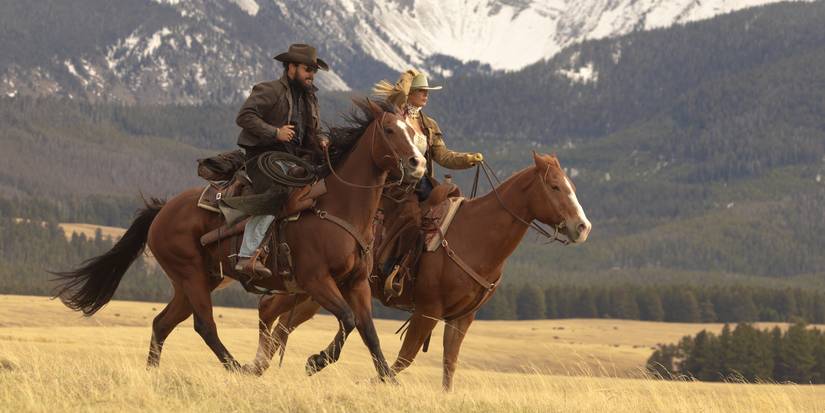
2. Mayor of Kingstown (2021–Present)
Mike McClusky’s role as the "fixer" in a prison-industrial town makes this the most claustrophobic and intense entry. The action is constant and frequently involves Jeremy Renner’s character being pushed to the brink. Because the stakes involve the stability of multiple prison systems, every conflict has the potential for a city-wide catastrophe.
Supporting Data: The Sheridan Economic Model
The success of these shows is not merely artistic; it is a financial juggernaut for Paramount+. The Madison, for instance, secured the biggest series debut in streaming history upon its release, signaling that the "Sheridan Universe" is a reliable commodity. Data indicates that audiences are not just tuning in for the stars—Pfeiffer, Ford, Mirren, Stallone, Costner—but for the consistent "Sheridan brand" of storytelling. The synergy between his series, often cross-promoted during NFL broadcasts or via the "Yellowstone Universe" franchise marketing, has created a loyal, multi-demographic viewership that rarely wavers.
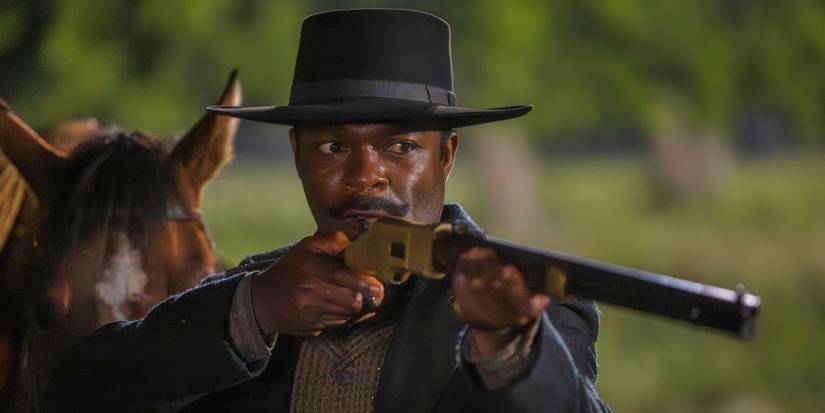
Official Responses and Creative Philosophy
Taylor Sheridan has famously noted in interviews that he "doesn’t write heroes," but rather people who "do what they have to do and live with the cost." This philosophy is the backbone of his creative process. Production staff often cite his hands-on approach, particularly regarding the training of his actors. Whether it is teaching cast members how to handle long-guns or ensuring the horsemanship is authentic to the period, Sheridan insists on a level of realism that elevates the action sequences from mere spectacle to narrative necessity.
Implications for the Industry
The success of the Sheridan Universe has shifted the industry’s focus back toward the Western and the neo-noir thriller. Other networks and streamers are scrambling to replicate his "ranch-to-boardroom" formula. However, the implication of his work is broader than just genre trends. Sheridan has proven that audiences crave long-form, interconnected storytelling that respects their intelligence and their patience for slow-burn character development.
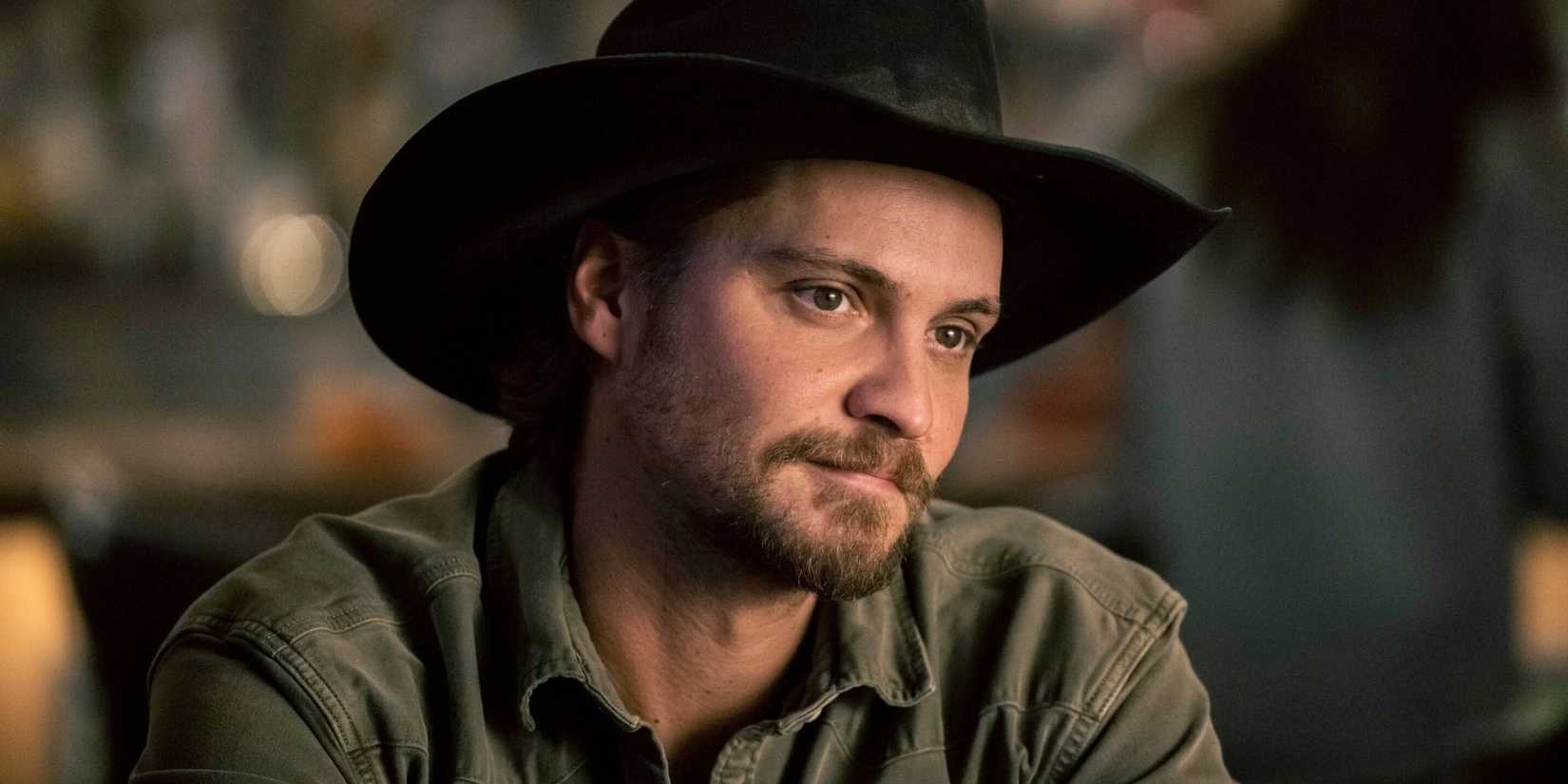
By creating a world where every action has a lasting, often tragic, consequence, Sheridan has elevated the standard for what a television series can achieve. Whether he is exploring the trauma of the 19th-century frontier or the corporate greed of the 21st-century oil boom, Taylor Sheridan has cemented his place as the definitive chronicler of the American struggle for survival. As the Dutton Ranch saga continues and Marshals expands the scope of his law-enforcement dramas, one thing is certain: the Taylor Sheridan universe is not just expanding—it is becoming the new standard for the golden age of television.










No comments yet. Be the first to join the conversation!