

By Editorial Staff
May 22, 2026
In the golden age of serialized storytelling, world-building has become the ultimate currency. From sprawling cinematic universes to interconnected gaming franchises, creators are crafting narratives of unprecedented scale. However, a growing tension has emerged between artistic ambition and accessibility. Today’s audiences are increasingly finding that to truly appreciate a film, TV show, or video game, they must first complete a rigorous "study session." What was once casual entertainment has evolved into a high-stakes commitment to deep-dive lore, creating a barrier to entry that can alienate newcomers while rewarding the dedicated few.
The Evolution of Complexity: A Chronological Overview
The trend toward "homework-required" media did not happen overnight. It evolved through several distinct phases of narrative expansion.
The Foundation (1990s–Early 2000s)
Early examples of complex lore often existed in niche pockets. Video games like the original Baldur’s Gate or the early Final Fantasy titles expected players to digest manuals and lengthy in-game text. In cinema, the Lord of the Rings trilogy set the standard for epic world-building, where the "lore" was largely self-contained within the source material or provided through accessible appendices.

The Age of Interconnectivity (2008–2018)
The launch of the Marvel Cinematic Universe (MCU) with Iron Man (2008) fundamentally shifted the paradigm. By weaving individual character arcs into a cohesive decade-long tapestry, the MCU transformed "homework" into a social contract. Fans weren’t just watching movies; they were tracking a multi-year project. This era cemented the idea that the "post-credits scene" was a prerequisite for the next installment.
The Era of Fragmented Narratives (2019–Present)
We are currently in an era where lore is no longer just "deep"; it is often hidden or scattered. Modern titles like Elden Ring or the later entries in the Kingdom Hearts series utilize a "discovery" model of storytelling. Here, the narrative is not fed to the audience; it is buried in item descriptions, side-quests, and cryptic environmental clues, requiring a community-wide effort to decipher.
Case Studies: The Most Egregious Offenders
When media requires a prerequisite list, it often creates a "knowledge gap." Below are key examples where the weight of prior history fundamentally alters the viewing or playing experience.
Video Games: The Lore Labyrinths
- Elden Ring: FromSoftware has mastered the art of fragmented storytelling. By design, the history of the Lands Between is never explicitly explained. Players are forced to piece together the narrative from scattered text, leaving many to rely on third-party lore masters and YouTube essays to understand what they are actually fighting for.
- Kingdom Hearts: Perhaps the most infamous example in gaming, this franchise spans multiple platforms, spin-offs, and decades. Attempting to enter the series today is a Herculean task, as the timeline is a tangled knot of Disney intellectual property and complex, original metaphysical concepts.
- World of Warcraft: As an ongoing live-service game, WoW suffers from the "erasure of history." Significant narrative beats are often tied to time-limited patches or content that has been removed from the game entirely, forcing new players to consult external wikis just to understand why a city is burning or who a specific character is.
Cinematic and Television Universes
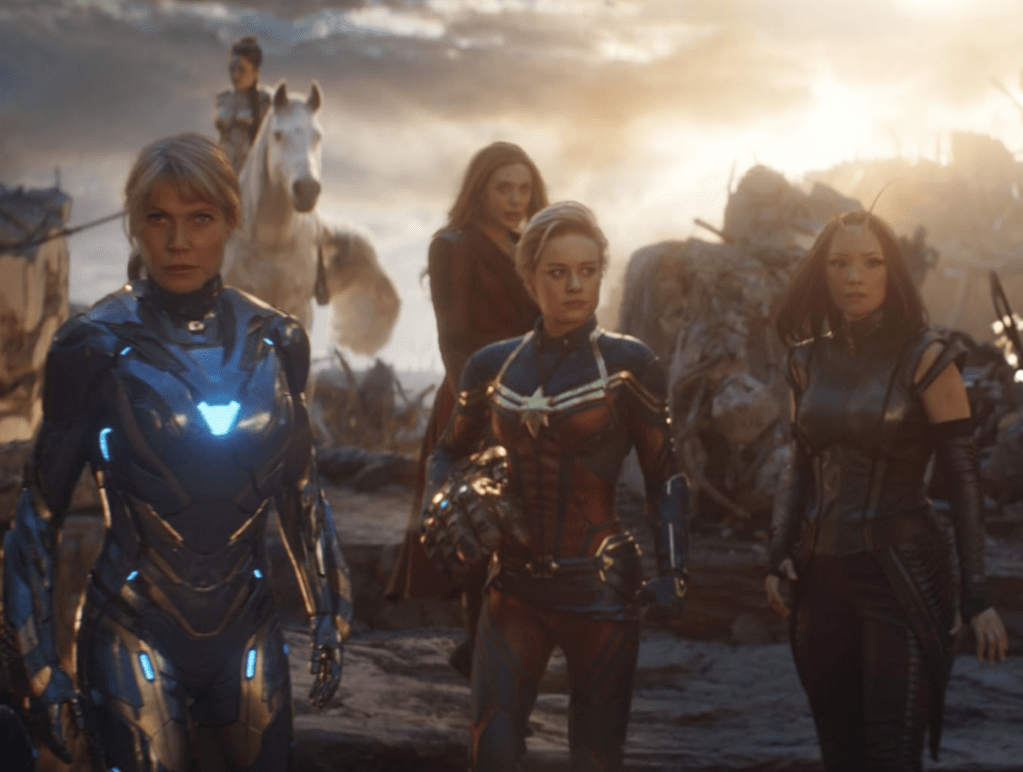
- Avengers: Endgame: While a box office juggernaut, Endgame is arguably the least "standalone" film in history. Its emotional payoff is entirely predicated on a viewer’s familiarity with the previous 21 films. Without that context, the film loses its stakes and its resonance.
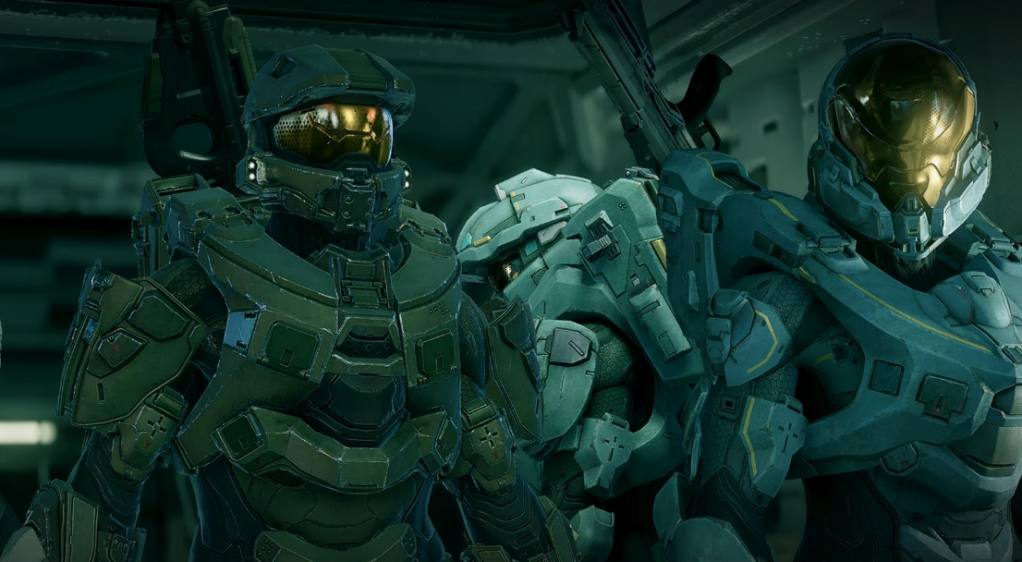
- The Book of Boba Fett: This series represents a modern television trend: the "Required Spin-off." To understand the character’s trajectory, one must have viewed not only the original Star Wars films but also significant portions of The Mandalorian. This creates a "subscription-first" culture where the story is broken across different series.
- The Hobbit: An Unexpected Journey: While technically a prequel, the film relies heavily on the audience’s nostalgia for the Lord of the Rings trilogy. The narrative weight is bolstered by the viewer’s existing emotional connection to the Middle-earth legendarium.
The Role of Community and External Resources
A significant implication of this trend is the rise of the "Lore Expert." Because developers and directors have stopped providing comprehensive explanations within the main experience, a cottage industry has emerged to fill the void.
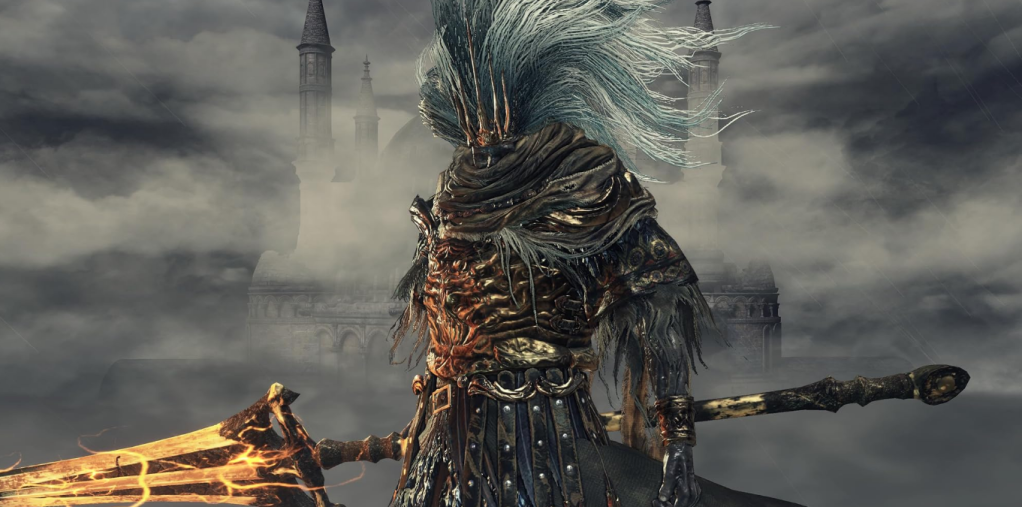
YouTube channels, fan-run Wikis, and Discord communities have become essential components of the modern consumption experience. For games like Dark Souls III or Baldur’s Gate 3, the community acts as a bridge. The "homework" isn’t just done by the player; it is crowd-sourced. This fosters a highly engaged, die-hard fanbase, but it simultaneously pushes away casual audiences who do not wish to spend three hours reading a Wiki to understand a boss’s motivation.
Implications for the Industry
The shift toward excessive lore has profound implications for how entertainment is produced and consumed.
1. The Death of the "Casual" Entry Point
When every major release is a sequel or a "chapter in a larger saga," the barrier to entry becomes prohibitively high. This can lead to market fatigue, where potential viewers feel overwhelmed and decide to skip a franchise entirely rather than "start from the beginning."
2. Narrative Quality vs. Accessibility
There is a legitimate argument that "deep lore" leads to higher quality, more immersive storytelling. When a creator respects the audience enough to hide details, the reward for discovery is much higher. However, when the narrative becomes a chore—a list of items to check off before one can "legitimately" enjoy a piece of art—it ceases to be entertainment and becomes labor.
3. The "Standalone" Rebellion
Interestingly, some creators are beginning to push back. The recent film The Batman is a notable example. By explicitly existing outside the main DC cinematic continuity, it offers a refreshing, standalone experience. This proves that there is still a massive appetite for stories that do not require a syllabus, suggesting that the industry may soon see a pendulum swing back toward self-contained narratives.
Official Responses and Creator Perspectives
While few creators explicitly apologize for their complex lore, many have defended it as a necessary evolution of the medium.

Game director Hidetaka Miyazaki of FromSoftware has often noted in interviews that the fragmented nature of his games’ stories is intended to encourage player curiosity. "I want the player to be an active participant in their own discovery," he has stated in various developer roundtables.
Conversely, some television showrunners have acknowledged the difficulty of balancing continuity for long-time fans with the needs of new viewers. In the case of Daredevil: Born Again, the production team has faced the challenge of honoring the Netflix-era history while ensuring that the show feels fresh enough for those who never saw the original run. The solution, for many, is a "soft reboot" approach—a delicate balance that keeps the history intact while resetting the emotional stakes.

Conclusion: Finding the Balance
The trend toward excessive lore is a double-edged sword. At its best, it creates rich, lived-in worlds that offer endless replayability and intellectual stimulation. At its worst, it turns entertainment into a homework assignment, creating exclusive clubs that require a resume of viewed content to enter.
As we look toward the future of media in 2026 and beyond, the industry must ask itself a critical question: Can we have the depth of a thousand-page novel without the requirement of a prerequisite degree? The most successful franchises of the next decade will likely be those that master the art of the "accessible epic"—stories that are easy to enter, yet impossible to fully leave behind. Until then, keep your wikis bookmarked and your lore guides handy; the homework is not going anywhere.











No comments yet. Be the first to join the conversation!