

The 79th Festival de Cannes has officially concluded, leaving behind a cinematic landscape that feels decidedly more international, introspective, and politically charged than in recent memory. For General Delegate Thierry Frémaux, the lead-up to this year’s edition was marked by a conspicuous absence: the lack of major Hollywood studio tentpoles.
Frémaux had long held out hope for Steven Spielberg’s highly anticipated Disclosure Day, but when Universal opted to withhold the project, it became clear that the 2026 Croisette would be defined not by American star power, but by the relentless creative force of world cinema. While the traditional "auteurs" of the festival circuit delivered works of undeniable quality, the lack of a dominant Hollywood presence shifted the center of gravity firmly back toward the non-English language titles that have always been the heartbeat of the event.
A Shift in the Winds: The Changing Face of Competition
When studio films touch down in Cannes, they typically arrive with a gravitational pull—accompanied by massive marketing junkets, high-gloss red carpet spectacles, and a fleet of publicists. This year, the dynamic was fundamentally different.
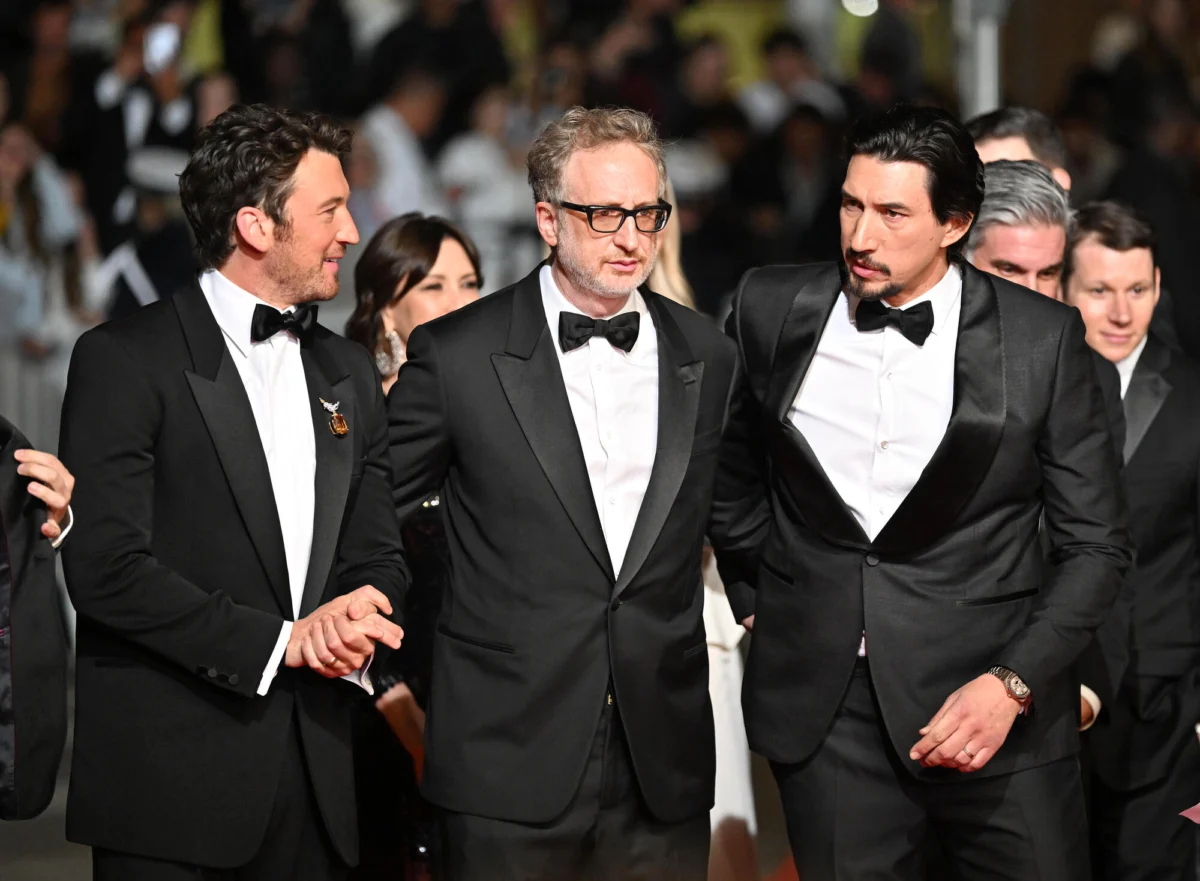
The two major American entries in the Competition—James Gray’s Paper Tiger (Neon) and Ira Sachs’ The Man I Love—offered a glimpse into the current state of U.S. independent cinema. Both films brought notable talent to the red carpet, including Adam Driver, Miles Teller, and Rami Malek. Yet, despite their strong reviews and star-studded premieres, both films left the closing awards ceremony empty-handed. In a striking reversal of recent trends, the jury opted to bestow the highest honors exclusively on non-English language films, a move that signals a broader pivot toward global, rather than American, narratives.

Chronology of an Unpredictable Awards Season
The trajectory of the festival was defined by a tension between critical consensus and the subjective tastes of the jury. As is custom, the Screen International Critics’ Grid served as a pulse-check for the industry, yet its influence on the final prize list proved limited. The jury, traditionally dominated by actors with a penchant for emotional resonance, favored stories that pierced the veil of the human condition over more clinical or genre-driven fare.
The standout of the festival was undeniably Andrey Zvyagintsev’s Minotaur, a searing, deeply emotional reworking of Claude Chabrol’s The Unfaithful Wife. The film secured the Grand Prix, cementing Zvyagintsev’s status as a master of modern drama.
Meanwhile, the Best Director award was split between two distinct visions: Pawel Pawlikowski, for his post-World War II German-language road movie Fatherland (Mubi), and the directorial duo known as "Los Javis" (Javier Calvo and Javier Ambrossi) for their period gay romance, The Black Ball. Pawlikowski, who previously won Best Director at Cannes in 2018 for Cold War, offered a poignant reflection on the nature of the medium during his acceptance. "We live and breathe politics," he noted, "and the cinema reflects that."
Supporting Data: The Oscar Implications
The 2026 Cannes festival has effectively served as the unofficial kickoff for the upcoming Academy Awards season, particularly given the Academy’s recent rule changes. With the new mandate that allows top prize winners from six major festivals—including Cannes—to receive automatic eligibility, the playing field has been completely reshaped.

Christian Mungiu’s Fjord, a Norwegian/Romanian co-production that walked away with the Palme d’Or, is now positioned as a frontrunner for the International Feature Film category. Mungiu’s acceptance speech, delivered in a mix of French and English, emphasized the role of cinema as a documentarian of current global anxieties.
The distribution landscape has already begun to react to these results:
- The Black Ball (Netflix): Likely to be the Spanish entry for the Oscars.
- Fatherland (Mubi): Expected to be the German entry, though it faces internal competition from Valeska Grisebach’s jury-prize winner, The Dreamed Adventure.
- Minotaur: A strong contender for the French entry, given Zvyagintsev’s status as an artist in exile.
- Coward (Mubi): The Belgian entry, following its shared Best Actor win.
- All of a Sudden (Neon): The Japanese entry, featuring a powerhouse performance by Virginie Efira and Tao Okamoto, who both shared the Best Actress prize.
Official Responses and the "Resistance" of Cinema
The mood at the closing ceremony was one of profound artistic solidarity. Isabelle Huppert took the stage to present an Honorary Palme d’Or to the legendary Barbra Streisand. Though Streisand was absent, her pre-recorded video acceptance was received with a standing ovation, bridging the gap between the golden age of Hollywood and the current internationalist spirit of Cannes.
Tilda Swinton, who presented the Palme d’Or, captured the prevailing sentiment of the festival. After several speeches focusing on the role of film as a necessary form of resistance against global instability, she concluded the evening with a fervent, tearful, "Vive le cinéma!"

The festival also highlighted the growing importance of regional talent. Tao Okamoto’s speech, in which she thanked director Ryūsuke Hamaguchi for his "incredible writing and guidance," underscored the collaborative nature of the projects that dominated this year’s list. Hamaguchi’s All of a Sudden, a sprawling three-and-a-quarter-hour epic, is already being tipped by industry insiders for a potential Best Picture and Best Director push, provided Neon can navigate the campaign effectively.
Looking Forward: Implications for the Fall Circuit
While the competition films dominated the headlines, the "hidden" gems of the festival are set to make waves at the upcoming fall festivals in Venice and Toronto. Neon’s Clarissa, an adaptation of Mrs. Dalloway, may have been relegated to the Directors’ Fortnight, but its pedigree—featuring Sophie Okonedo, David Oyelowo, and Ayo Edebiri—ensures it will be a major player in the acting categories come winter.
Furthermore, the emergence of Jordan Firstman’s Club Kid, which sparked a $17 million bidding war before being scooped up by A24, suggests that even in a year of "serious" cinema, the market for bold, character-driven scripts remains as competitive as ever. When questioned about why he chose to place Club Kid in the Un Certain Regard sidebar rather than the main competition, Frémaux was pragmatic: "I needed it to serve as a strong anchor for Un Certain Regard."
The 79th Cannes Film Festival has proven that the absence of Hollywood is not a deficit, but an opportunity. By forcing the focus away from the star-system machinery, the festival has reinvigorated the conversation around what it means to be a global filmmaker in 2026. As the industry turns its eyes toward the fall, the lessons from the Croisette are clear: the future of cinema is not found in the boardrooms of major studios, but in the political, emotional, and cultural intersections of global storytelling.

The stage is set. The awards have been handed out. Now, the long, grueling march to the Dolby Theatre begins, and for the first time in a decade, the path is paved with a diverse, international slate of contenders that reflect the true breadth of the human experience.











No comments yet. Be the first to join the conversation!