

The landscape of modern live-service gaming is shifting beneath our feet, and nowhere is that tremor felt more acutely than at the headquarters of Bungie in Bellevue, Washington. Nearly nine years after Destiny 2 first invited Guardians to reclaim their light, the studio has announced that the sun is finally setting on its flagship title. Following the release of the most recent expansion, Renegades, Bungie has confirmed that June 9, 2026, will mark the arrival of the game’s final content update, a swan song titled "Monument of Triumph."
This decision, communicated through a somber official release titled "Destiny 2: Every End Is a New Beginning," signals a profound pivot for the developer. In collaboration with Sony, Bungie has opted to cease the production of new narrative and gameplay content for Destiny 2, choosing instead to pivot the studio’s resources toward the incubation of future, as-yet-unannounced titles. While the game will remain operational, the era of constant, iterative evolution that defined the franchise is coming to a definitive close.
A Chronology of a Shifting Galaxy
To understand the weight of this decision, one must look back at the trajectory of the Destiny franchise. When Destiny 2 launched in 2017, it faced a volatile reception, struggling to balance the identity of a hardcore shooter with the accessibility required for a mass-market MMO. Over the years, the game weathered countless storms—from the redemption arc of The Taken King era to the narrative heights of The Witch Queen and The Final Shape.
However, the post-2022 acquisition of Bungie by Sony marked a turning point in the studio’s operational philosophy. Under the pressure of corporate integration and the mandate to diversify their portfolio, the developer began to stretch itself thin. Recent years have been marked by a series of high-profile expansions that saw a decline in critical consensus. Titles like Renegades were criticized for an identity crisis, characterized by aggressive cross-franchise crossovers that felt increasingly disconnected from the core lore of the Destiny universe.

The decline of Destiny 2’s development momentum was not merely creative; it was structural. Following the acquisition, a significant portion of Bungie’s talent was redirected toward other ambitious projects, most notably the extraction shooter Marathon and the now-infamous hero shooter Concord. This diversion of resources left Destiny 2 in a state of managed decline, leading to the eventual cancellation of the highly anticipated Shadow & Order expansion.
Supporting Data: The Cost of Ambition
The financial and operational strain on Bungie has been well-documented. Reports throughout 2025 indicated that Destiny 2 was no longer the reliable financial engine it once was, with the game reportedly dragging down Sony’s gaming division earnings. The internal toll was equally devastating. Since 2022, the studio has undergone multiple rounds of layoffs, shedding over 750 staff members—a massive portion of the workforce that built the foundations of the Destiny experience.
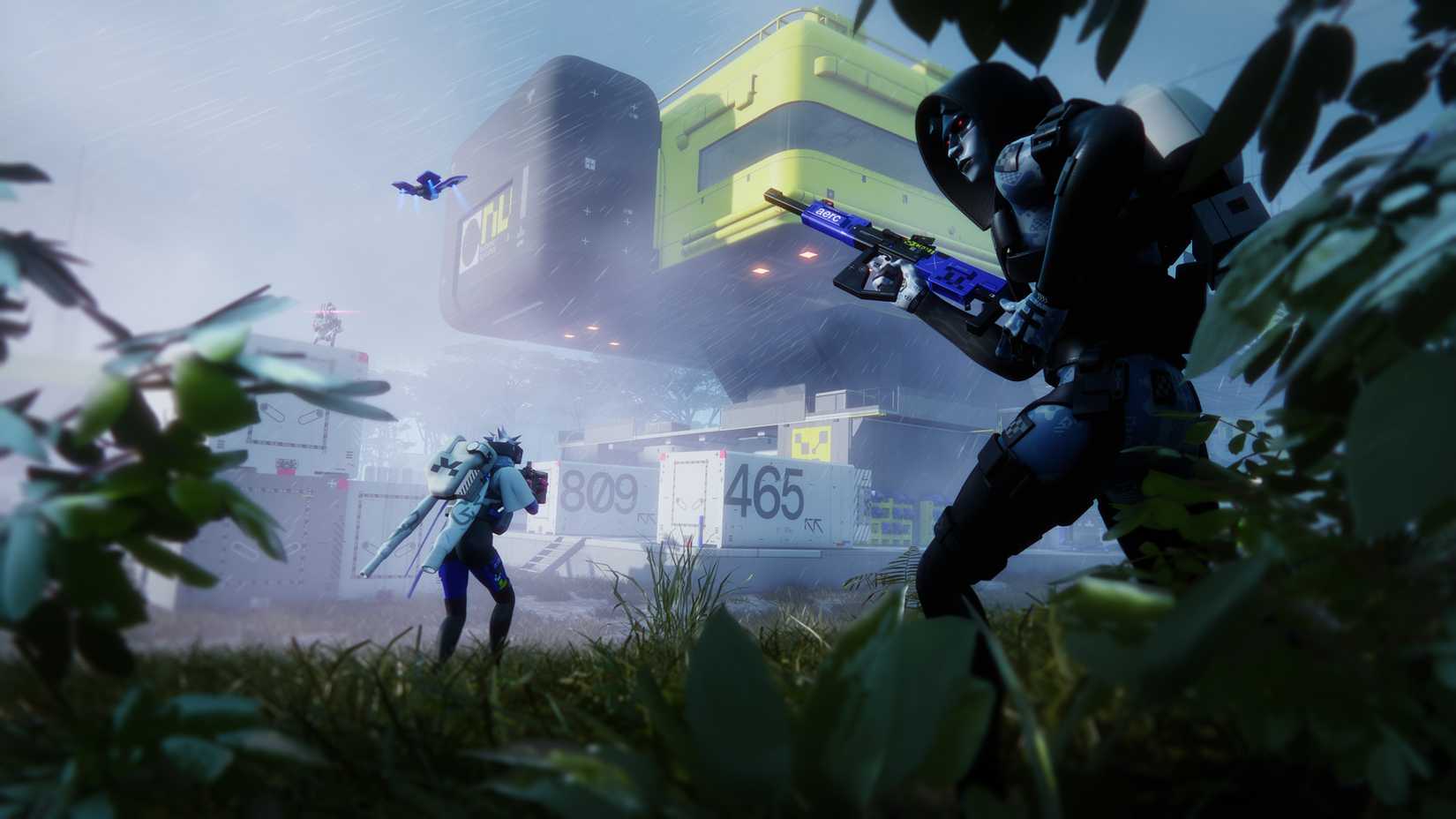
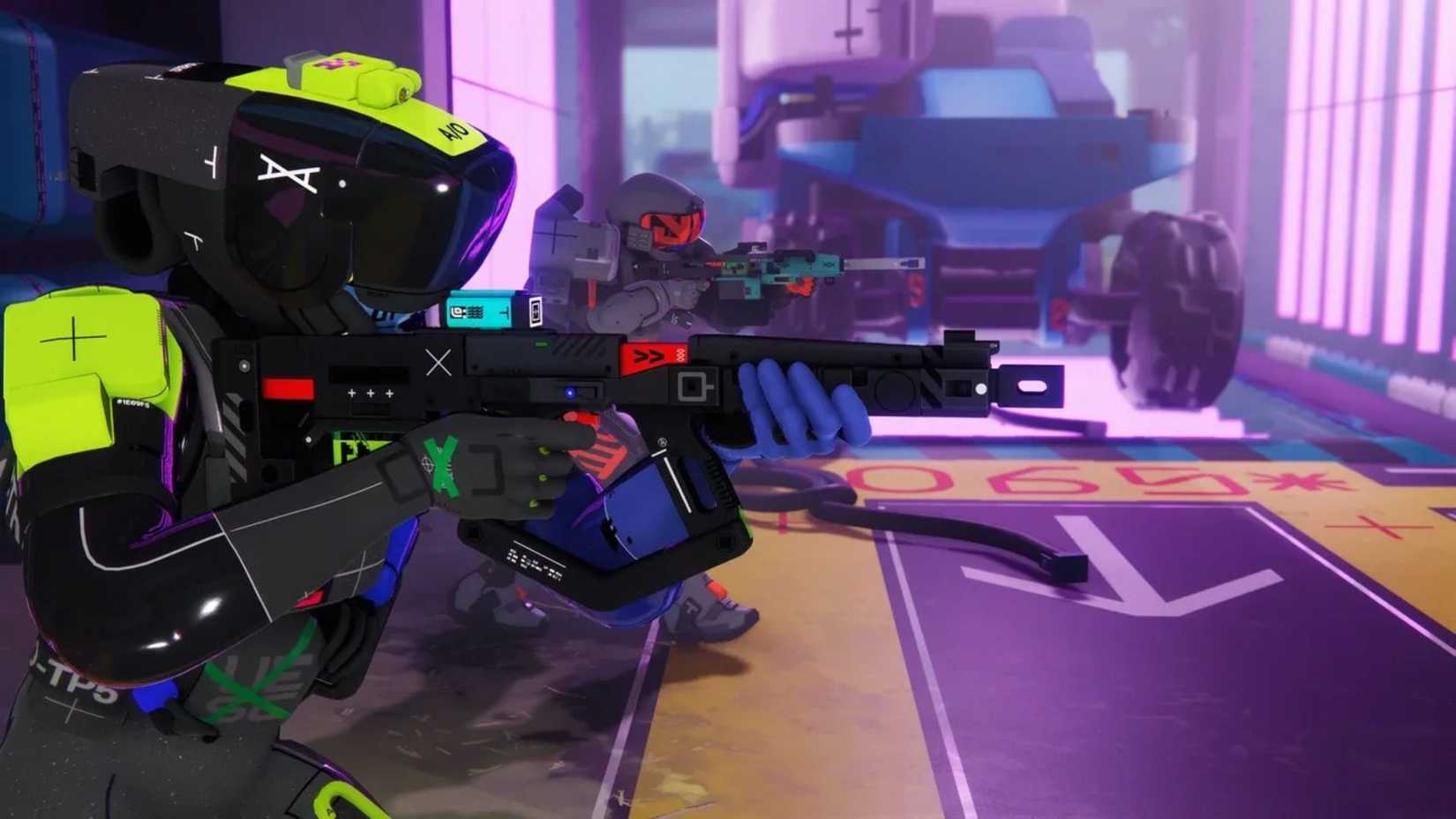
The launch of Marathon in March 2026 served as a litmus test for the studio’s new direction, yet the results were lukewarm at best. While the title boasted an impressive peak of 77,000 concurrent players at launch, it failed to maintain that momentum. Currently, the game struggles to retain a daily active user base of 11,000 on Steam. This struggle to capture a dedicated, long-term audience, combined with the waning interest in Destiny 2, has created a perfect storm of economic and operational instability for the Washington-based developer.
The Human Element: Devs Left in the Dark
Perhaps the most jarring aspect of the announcement is the internal reaction. Multiple reports, including those from industry insiders like Paul Tassi, confirm that the vast majority of the Bungie workforce was blindsided by the news. While a select group of developers working on the final June content were aware of the impending shuttering, they were under strict non-disclosure agreements, unable to share the reality of the situation with their colleagues.
This lack of transparency has exacerbated the sense of betrayal felt by both the development staff and the community. The "Monument of Triumph" update is intended to provide a sense of closure, featuring character-focused narratives and the return of the beloved Sparrow Racing League, but for many, it feels like a hollow gesture—a quiet end to a nine-year journey that deserved a more transparent transition.
The Call for Destiny 3: A Community in Revolt
In the wake of the announcement, the Destiny community has not simply accepted the status quo. Instead, they have mobilized. A Change.org petition, initiated by fan Harley Casto, has rapidly gained traction, currently boasting nearly 100,000 signatures. The petition serves as a direct plea to Sony and Bungie to greenlight the development of Destiny 3.
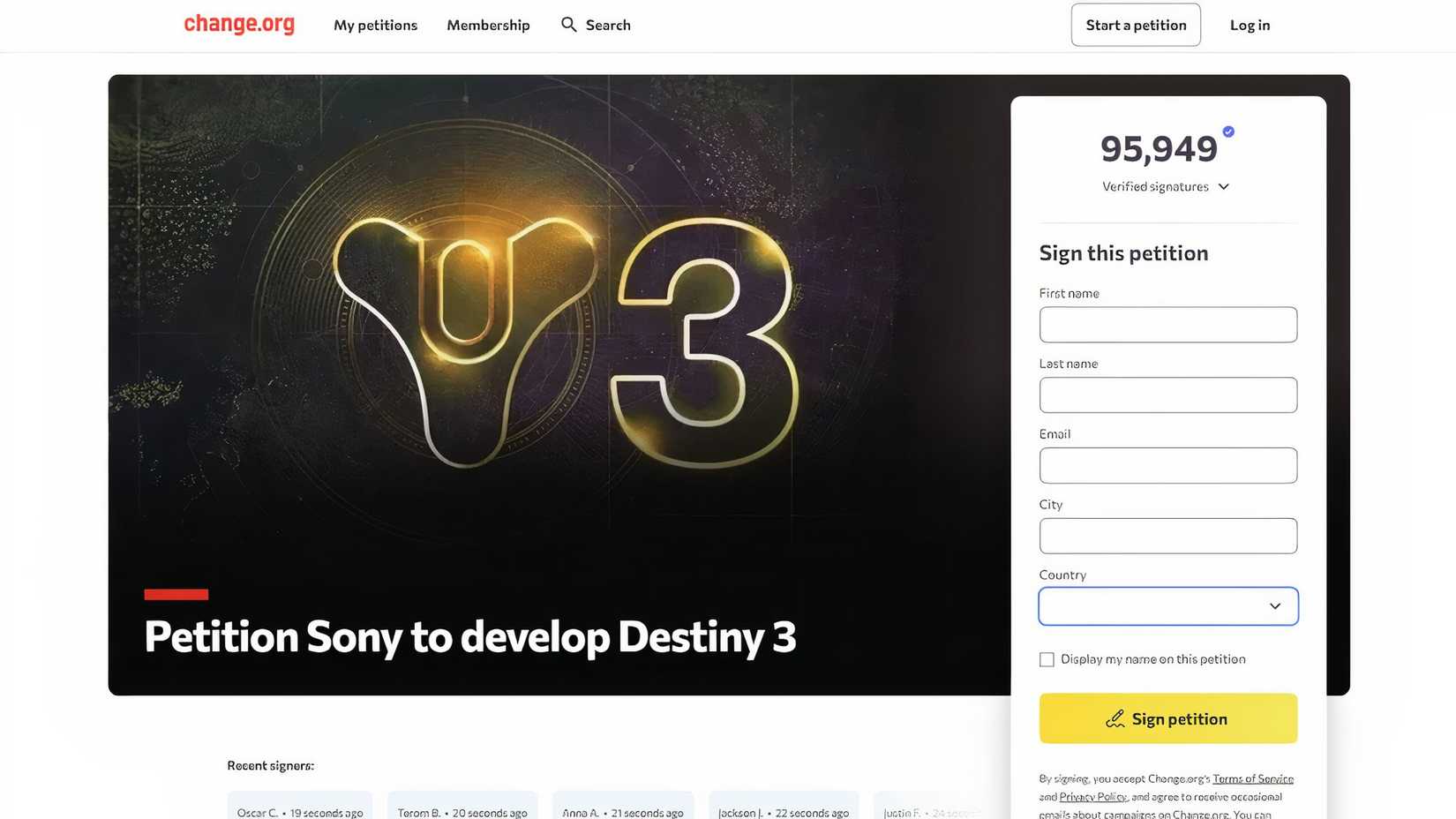
The sentiment among the player base is clear: they are not ready to let go of the universe they have inhabited for nearly a decade. The petition argues that the Destiny IP remains one of the most valuable assets in the industry, and that a third installment—built on modern architecture with fresh storylines and innovative mechanics—could revitalize the player base and restore the glory of the franchise.
However, the reality of corporate decision-making stands in stark contrast to these grassroots efforts. According to internal sources, there is currently no game in active production at Bungie beyond the support and content updates for Marathon. The "incubation" projects mentioned in the press release are currently conceptual, and there is no guarantee that Sony, wary of recent failures, will commit the necessary capital for a project as massive as a full-scale Destiny 3.
Implications: What Comes Next?
The future of the Destiny franchise now faces a fragmented path. While the primary experience of Destiny 2 will transition into a legacy state, players looking for a "new" Destiny experience are finding themselves drawn to Destiny: Rising. This mobile spinoff, developed and published by NetEase Games, occupies an alternate timeline and remains the only viable source of fresh Destiny content. Whether it can replicate the depth and communal spirit of the console/PC experience remains to be seen.
The implications for Bungie as a studio are even more severe. With the studio’s fate essentially tied to the long-term viability of Marathon, the pressure is immense. Should Marathon fail to find its footing, the future of the studio—and its remaining staff—becomes increasingly precarious. The economic pressure on Sony to optimize its gaming division means that further cost-cutting measures, including additional layoffs, remain a distinct possibility in the post-June 9th landscape.
Conclusion: The Final Jump
As June 9th approaches, the Destiny community finds itself at a crossroads. The "Monument of Triumph" will serve as a digital graveyard of sorts—a place where the final threads of a nine-year narrative are tied off, and where players will bid farewell to the characters who have become constant companions.
Whether this represents the final breath of the franchise or a necessary period of hibernation before a Destiny 3 eventually emerges, remains an open question. For now, the Guardians are left with the silence of a dying star, waiting to see if Bungie and Sony will heed the call of their players, or if this really is the end of the journey. One thing is certain: the legacy of Destiny will persist, but the era of the game that defined a generation of shooters is officially coming to a close. As the final update rolls out, players aren’t just saying goodbye to a game—they are closing the book on one of the most significant chapters in the history of the online shooter genre.











No comments yet. Be the first to join the conversation!