

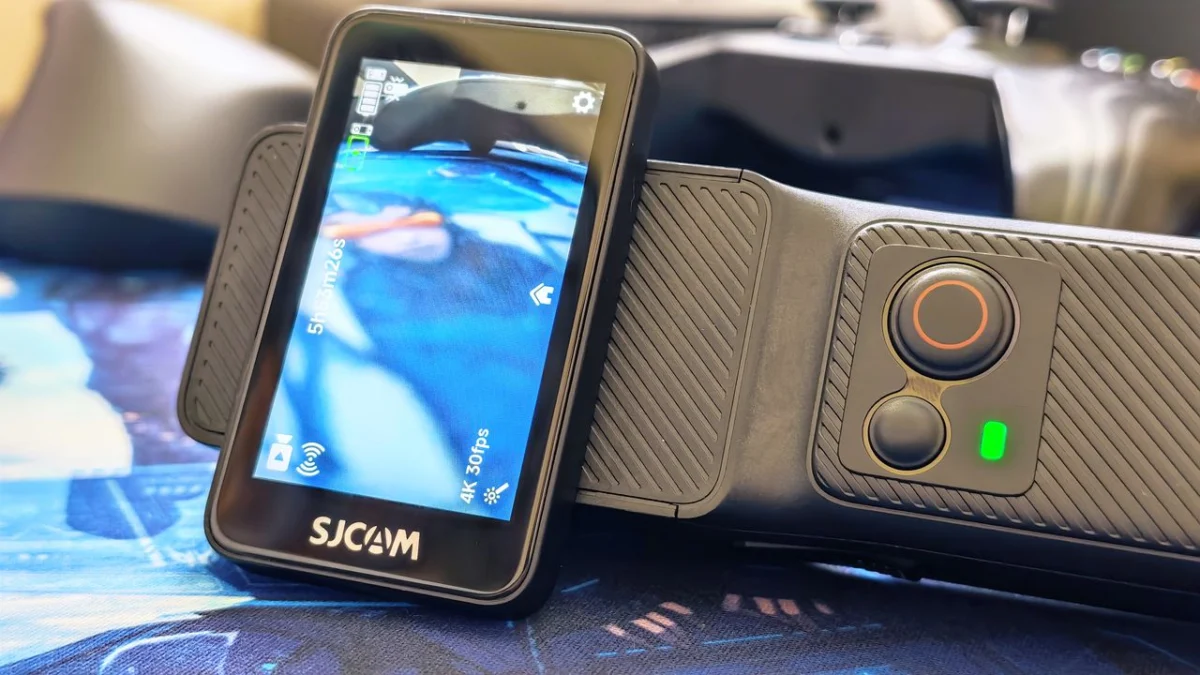
In an era where content creation has evolved from a niche hobby into a cornerstone of the global digital economy, the hardware barrier to entry has traditionally remained high. For years, creators looking to document their adventures, vlogs, or professional projects were forced to choose between premium-priced industry titans like GoPro and DJI, or risk their reputation on sub-par, "no-name" hardware.
The SJCAM C400 arrives as a compelling disruptor in this space. By positioning itself as a high-value, feature-rich alternative, it challenges the pricing models of the dominant market leaders. But does it deliver where it counts, or is the bargain price a reflection of underlying compromises?
Main Facts: What the SJCAM C400 Offers
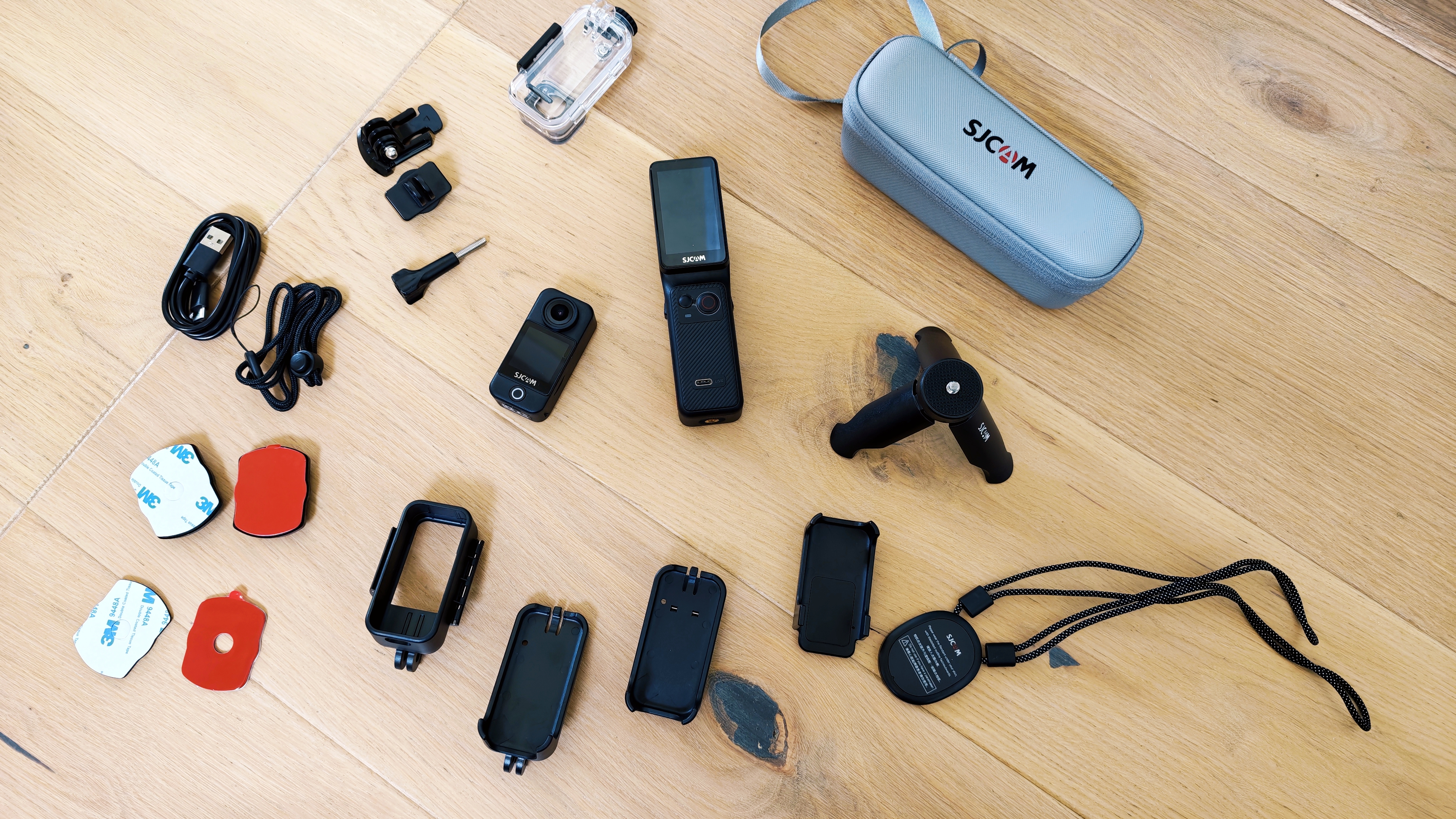
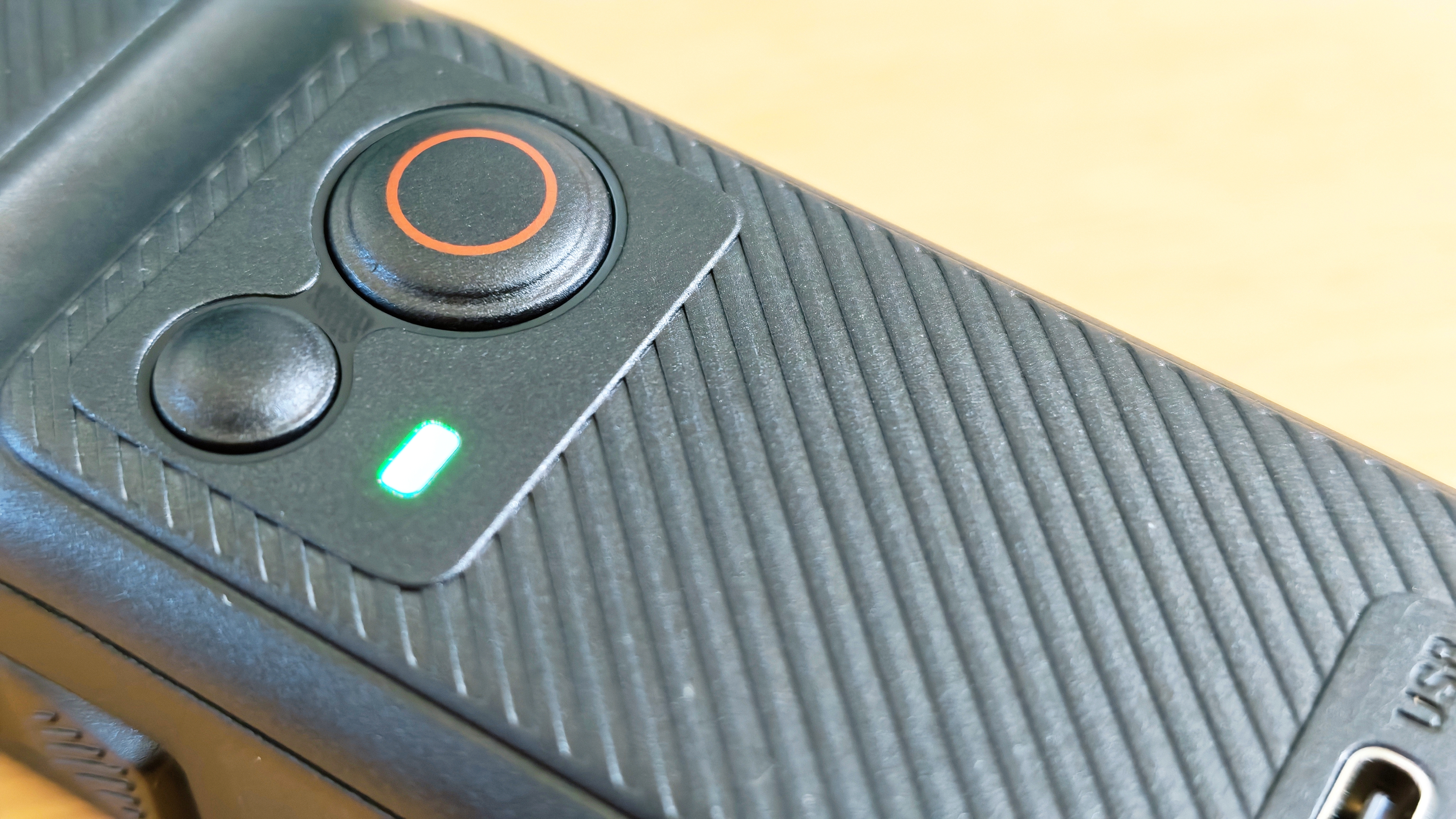
The SJCAM C400 is not merely a camera; it is an ecosystem. Out of the box, the unit ships with an exhaustive list of accessories that would typically cost a consumer an additional $100 or more if purchased separately from rival brands. The package includes a remote control handle, a waterproof housing, various mounts (curved, flat, and base), a magnet pendant, a lanyard, and even a 64GB SD card to get you started immediately.
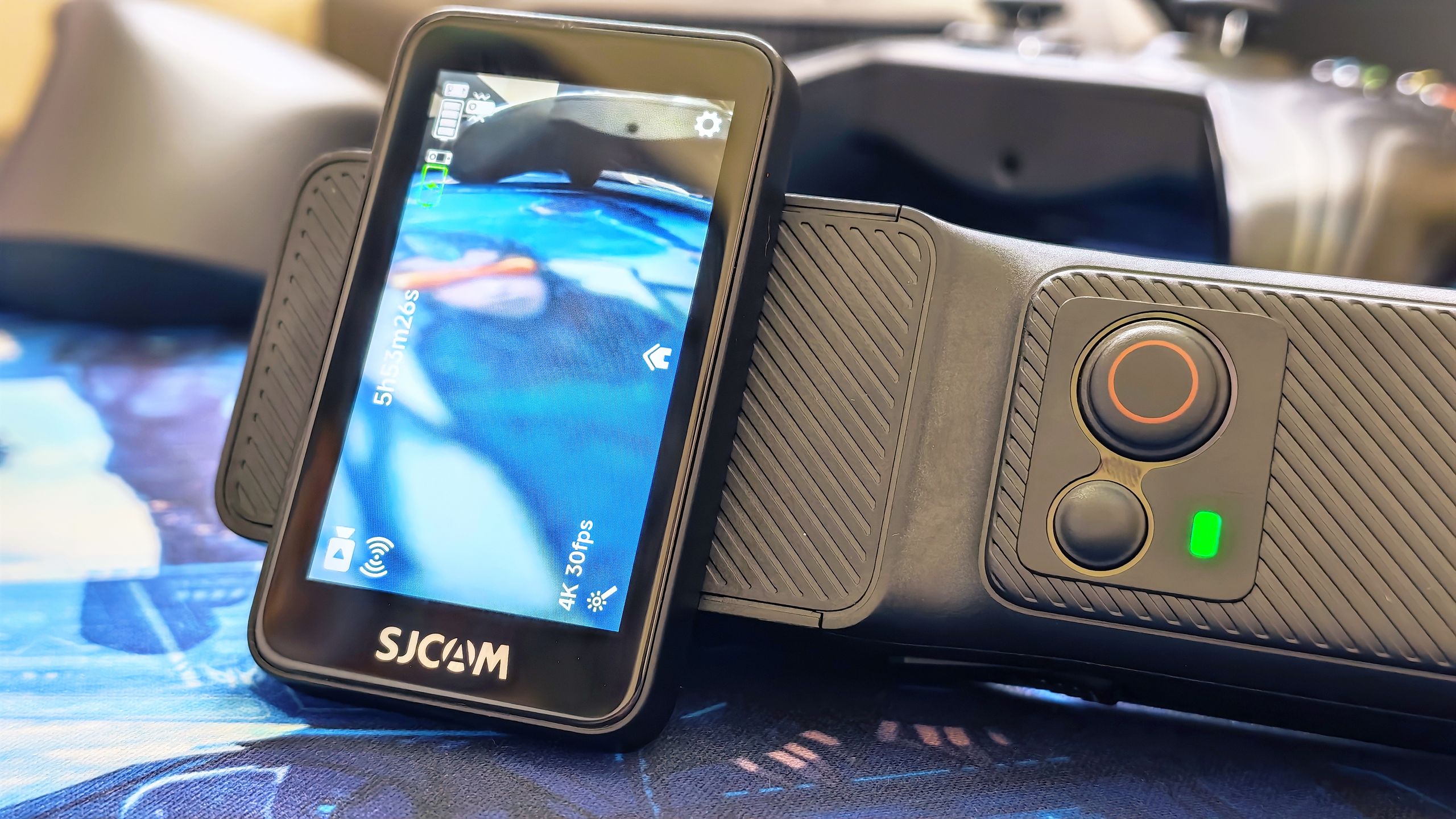
At its core, the device features:
- Video Capabilities: 4K resolution at 30fps and 2K at 60fps.
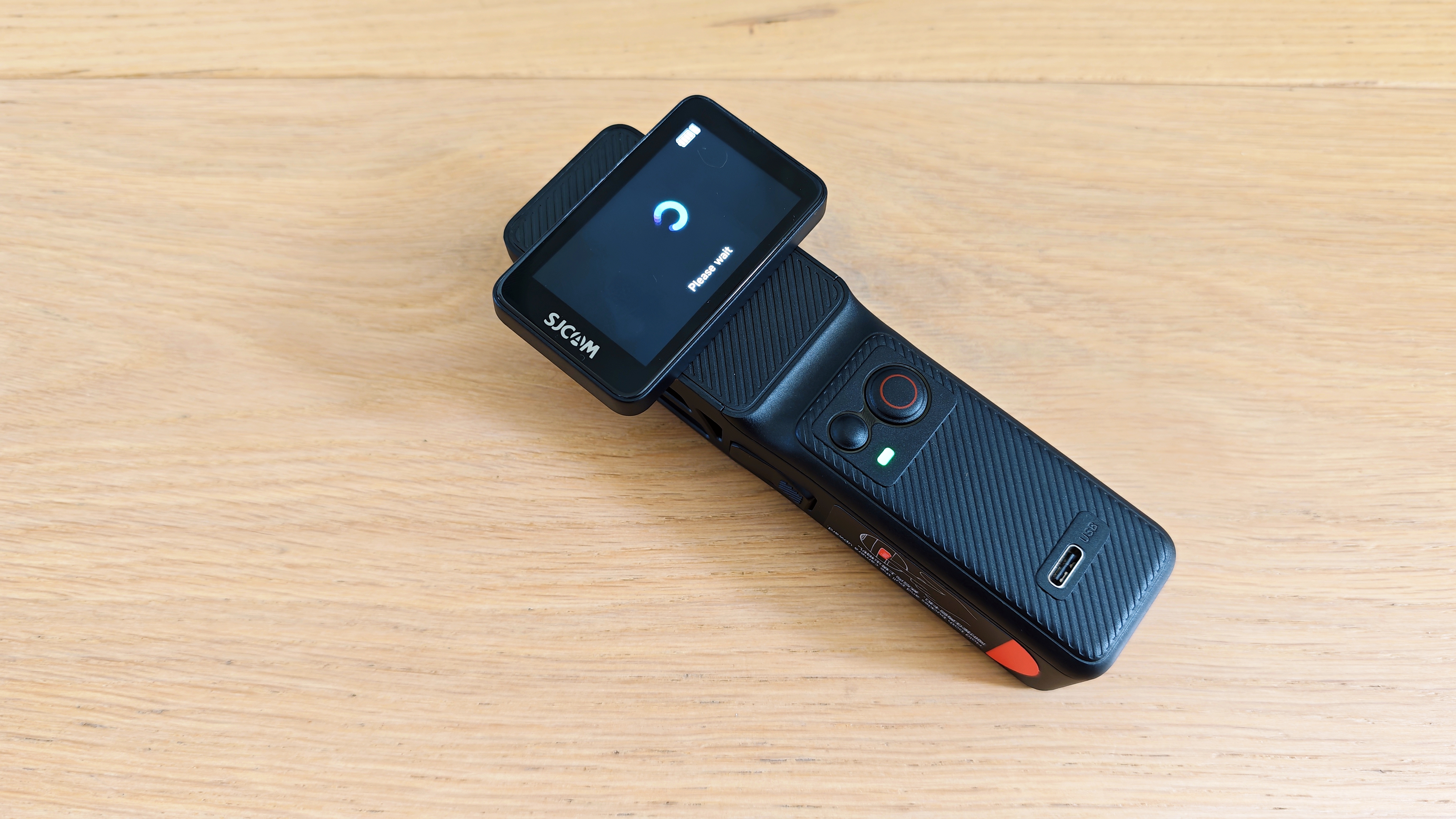
- Dual-Screen Design: A front-facing selfie screen for framing and a rear-facing flip-out touchscreen for intuitive menu navigation.
- Stability: A 6-axis gyroscopic stabilization system designed to smooth out shaky handheld footage.
- Versatility: Night vision capabilities and a compact, rectangular design optimized for portability.
The pricing strategy is perhaps its most aggressive feature. At approximately $200 in the US and under £180 in the UK, the C400 sits comfortably at roughly half the price of a flagship action camera from GoPro or DJI.
Chronology of the C400’s Market Arrival
The release of the C400 comes at a pivotal moment for SJCAM. Having spent years building a reputation as a mid-tier competitor, the company has clearly analyzed the market trends—specifically the surge in "vlog-first" hardware.
- Development Phase: SJCAM focused on the ergonomic requirements of the modern vlogger, prioritizing the dual-screen configuration which has become the industry standard.
- Product Launch: The C400 was rolled out to capture the interest of budget-conscious influencers and hobbyists who were previously priced out of the 4K-capable market.
- Community Integration: Following its launch, the camera began gaining traction in online forums, with users highlighting the sheer volume of included accessories as a primary driver for purchase.
- Current Status: As of this writing, the product is widely available across major e-commerce platforms, often featured during major sales events like Black Friday and Amazon Prime Day, further cementing its status as an accessible entry point into high-definition content creation.
Supporting Data: Performance and Technical Limitations
To provide a balanced perspective, one must look at where the C400 excels and where it hits a ceiling.
The Good: Daylight Performance and Convenience
In well-lit conditions, the C400 performs admirably. The color science is punchy and vibrant, making it an excellent choice for outdoor vlogging, travel videos, and social media content where the audience is often viewing on smaller, mobile displays. The dual-screen setup is a significant productivity boost, effectively eliminating the guesswork of self-filming. The inclusion of a 64GB SD card is a major value-add, ensuring that the camera is "ready-to-shoot" from the moment the box is opened.
The Not-So-Good: The Stability Gap
Where the C400 encounters friction is in the realm of advanced stabilization. While it utilizes a 6-axis gyro, it lacks the hardware-accelerated algorithms found in DJI’s "RockSteady" or "HorizonSteady."
When filming high-intensity action—such as mountain biking or running—the camera employs heavy digital cropping to compensate for shake. This results in a noticeable loss of field-of-view and can introduce artifacts if the movement is erratic. Furthermore, while the camera is capable in daylight, low-light performance is lackluster. Indoor shots in dim conditions tend to appear "flat" and exhibit a degree of noise that professional-grade sensors would mitigate more effectively.
Official Responses and Manufacturer Intent
SJCAM has been transparent about the intended audience for the C400. Their marketing literature does not claim to outperform the top-tier flagship models in terms of raw sensor performance or cinematic dynamic range. Instead, they frame the device as a "content creator’s kit."
The company’s design philosophy focuses on durability and ease of use. By opting for a cuboid shape, they have minimized protruding components that are susceptible to damage during rugged use. By including a dedicated waterproof case, they have bypassed the need for expensive, complex internal sealing mechanisms, keeping the unit cost low while still ensuring the camera can be used in aquatic environments.
Implications: Who Should Buy This Camera?
The emergence of the SJCAM C400 signals a shift in the action camera market. It suggests that there is a significant, underserved segment of the market that values "good enough" performance over "industry-leading" specs if the price point is right.
Buy it if:
- You are a beginner vlogger: The cost-to-feature ratio makes this an ideal "first camera" where you can learn the fundamentals of framing and editing without a massive financial commitment.
- You value a complete package: If you hate the idea of buying mounts, cases, and SD cards separately, the C400 is a one-stop-shop.
- You prioritize portability: Its form factor is perfect for travel, slipping easily into a jacket pocket or a small side pouch.
Don’t buy it if:
- You are a professional filmmaker: If your work requires high-frame-rate slow motion (beyond 60fps at 2K) or extreme low-light performance, the C400 will likely leave you wanting more.
- You shoot high-intensity sports: Those looking for the absolute smoothest, wide-angle cinematic stabilization for downhill biking or extreme motor-sports will find the lack of hardware-level stabilization algorithms limiting.
Conclusion: A Rational Bargain
The SJCAM C400 represents a triumph of pragmatism. It is not trying to be the most powerful camera on the market; it is trying to be the most practical. By acknowledging its limitations—the 30fps cap at 4K and the basic stabilization—and pricing it accordingly, SJCAM has created a product that offers an honest value proposition.
For the vast majority of social media creators, casual travelers, and family documentarians, the C400 provides everything necessary to capture high-quality, sharp, and engaging video. While it may not replace a $500 flagship camera for a professional, it effectively democratizes the ability to create, proving that you don’t need to break the bank to start sharing your story with the world. In a market dominated by expensive, incremental upgrades, the C400 is a refreshing, budget-conscious alternative that delivers on its promises.









No comments yet. Be the first to join the conversation!