Lina Hope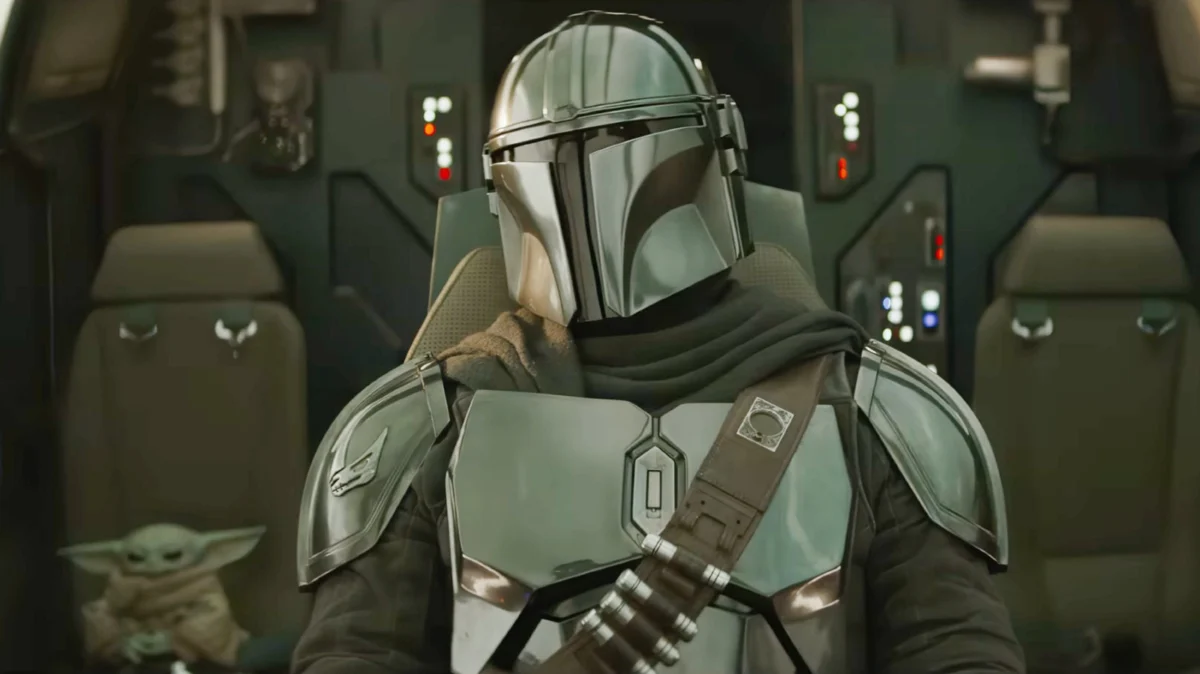
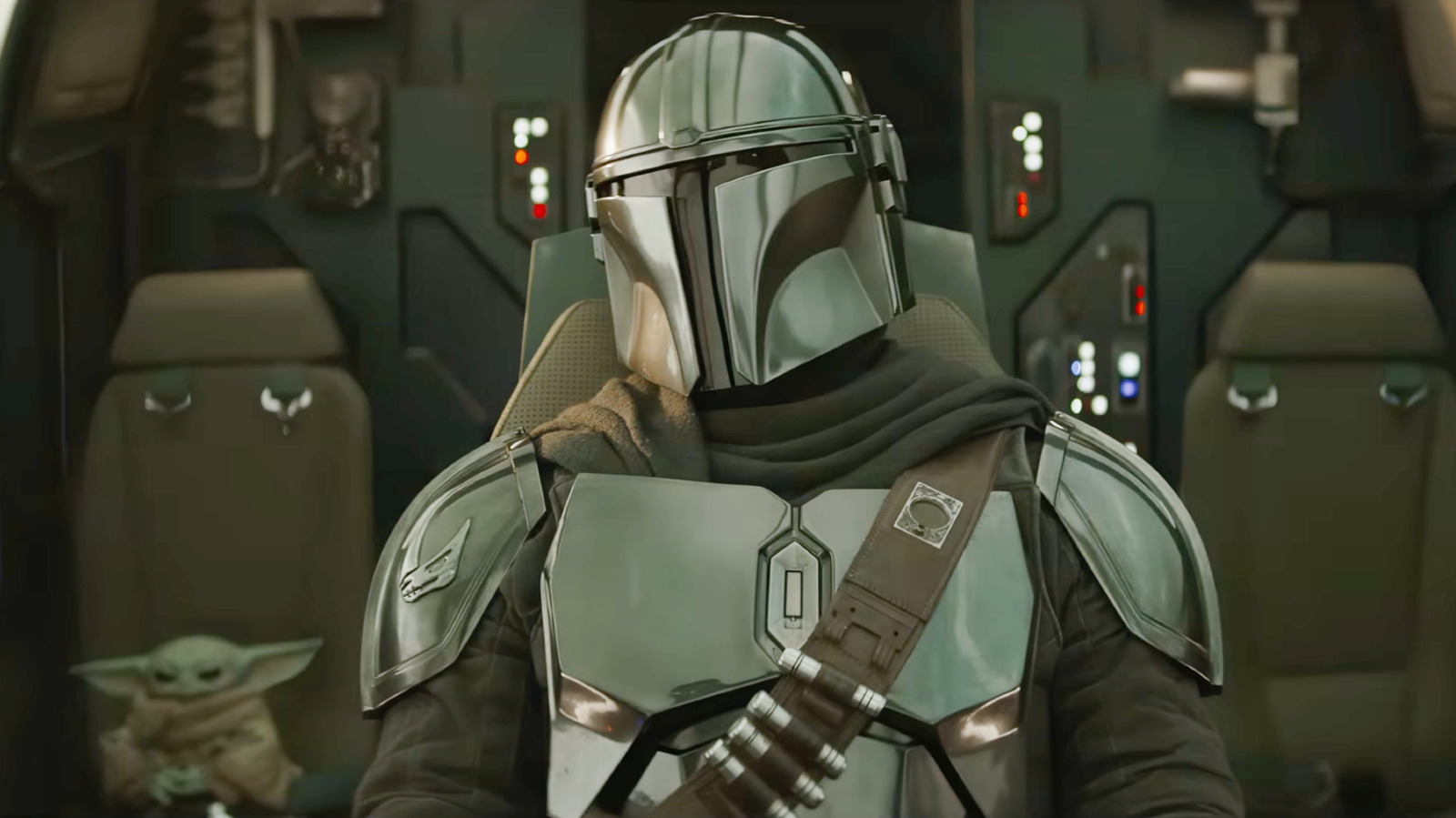
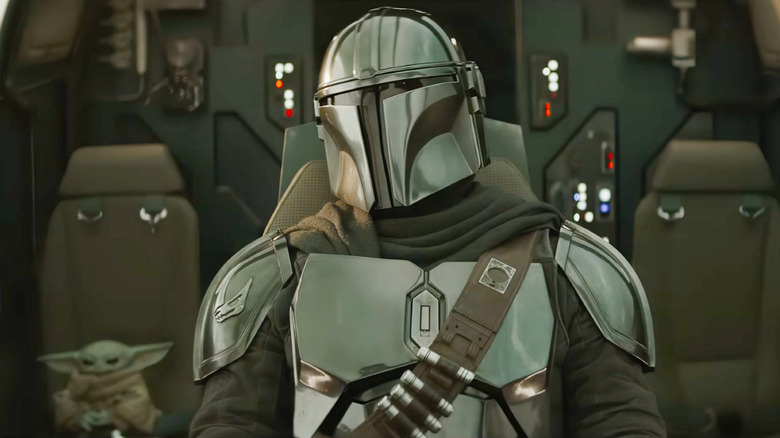
In the sprawling, interconnected tapestry of the Star Wars universe, Lucasfilm has long excelled at elevating deep-cut lore from the fringes of the franchise into the spotlight. The latest cinematic venture, The Mandalorian and Grogu, continues this tradition by reintroducing the Amani—a species that has haunted the edges of the galaxy for over four decades. As Din Djarin (Pedro Pascal) navigates the treacherous waterways of Nal Hutta to evade the assassins dispatched by the Twins, he finds himself stalked by these serpentine, lethal hunters. For the uninitiated, they are merely monstrous obstacles; for the dedicated fan, their presence is a profound nod to a history that spans from the throne room of Jabba the Hutt to the unfinished storyboards of The Clone Wars.
The Main Facts: A Deadly Pursuit on Nal Hutta
The central conflict of The Mandalorian and Grogu pits the titular duo against the formidable Hutts known as the Twins. These crime lords, desperate to eliminate Din Djarin, deploy a vast array of specialized operatives to do their bidding. The list of threats is impressive, ranging from the Droid Gotra and the fan-favorite bounty hunter Embo to the terrifying pet dragonsnake. However, the most visceral sequences involve the Amani, who track Din through the humid, murky depths of the Hutts’ homeworld.
The Amani are not mere cannon fodder; they are depicted as apex predators capable of navigating aquatic environments with lethal precision. By forcing Din Djarin to engage these creatures in close-quarters combat, the film highlights the danger inherent to the Amani, who utilize their biology to gain a tactical advantage in the swampy terrain of Nal Hutta.
A Chronological History: From 1983 to the Present
To understand the weight of the Amani’s appearance, one must look back to the inception of the species.
The Return of the Jedi Era
The Amani first graced the screen in 1983’s Star Wars: Episode VI — Return of the Jedi. Among the motley crew of scoundrels, bounty hunters, and sycophants inhabiting Jabba the Hutt’s palace was a character named Amanaman. Brought to life by the masterful puppeteer Ailsa Berk, Amanaman stood out due to his elongated, translucent-looking head and distinct, slug-like physicality.
Behind the scenes, the production team affectionately—or perhaps dismissively—referred to the creature as "the Banana Slug." This nickname became part of the production folklore, cementing the creature’s status as one of the most recognizable "background aliens" in the original trilogy. By 1985, the character achieved further immortality when Kenner released an Amanaman action figure as part of the Power of the Force line. Today, that original figure is a high-value collector’s item, often fetching significant sums on the secondary market, a testament to the enduring appeal of the species.
The Lost Arc of ‘The Clone Wars’
The Amani’s absence from the spotlight for several decades was not for a lack of trying by Lucasfilm. During the development of the animated series The Clone Wars, writers conceptualized a multi-episode narrative titled the "Crystal Crisis" arc. This story was intended to follow Obi-Wan Kenobi and Anakin Skywalker to the planet Utapau, where they would race against Separatist forces to recover a massive, dangerous Kyber Crystal.
The Amani were to be a central part of this arc, portrayed as a dangerous, tribal species native to Utapau. The design documents and story reels—which were later released to the public after the show’s initial cancellation—detailed the species’ unique locomotion: the ability to curl into a spherical ball and roll at high speeds, a trait that makes them formidable in both combat and exploration. While these episodes were never fully animated for the show’s original run, they remained a "missing link" in the lore, preserved in the minds of the creative team until their eventual resurgence in live-action.
Supporting Data: Biology and Cultural Context
The biology of the Amani has always been a point of fascination for creature designers. As established in both the Clone Wars concepts and their recent appearance, they are amphibious, capable of surviving in the dense, swampy climates of planets like Nal Hutta and their purported homeworld, Maridun.
Not Just Hunters
While the Amani seen in The Mandalorian and Grogu are defined by their violence, the broader Star Wars lore suggests they are a diverse species. A prime example of this is Bina, the proprietor of the Creature Stall at Star Wars: Galaxy’s Edge in Disneyland. Bina, an Amani hailing from Utapau, represents a more domesticated, merchant-class iteration of the species. Her existence provides essential world-building, suggesting that the Amani are not inherently "evil" or "bounty hunters" by nature, but rather a society capable of integration into the galactic economy, even if their cousins in the Outer Rim serve more nefarious masters.
Literary Contributions
The species has also found life in the pages of Marvel’s Star Wars comics. Writers like Charles Soule, known for his deep commitment to maintaining continuity, have integrated the Amani into various background shots and secondary storylines. By bridging the gap between the film’s visual language and the expanded universe of the comics, Lucasfilm has ensured that the Amani feel like a living, breathing part of the galaxy rather than a one-off prop.
Official Responses and Creative Vision
The inclusion of the Amani in The Mandalorian and Grogu is a deliberate stylistic choice by the production team. By utilizing a species with such a rich, albeit fragmented, history, the filmmakers tap into a "legacy aesthetic" that resonates with long-time viewers.
"When we look at the history of the galaxy, we aren’t just looking for new creatures; we are looking for species that feel like they belong in the corners of Jabba’s palace," a source close to the production noted. "The Amani were always a ‘what if’ in our design meetings. Bringing them to life in a way where they actually pose a threat to someone as skilled as the Mandalorian was the goal."
The choice to utilize practical elements alongside modern digital enhancements ensures that the Amani maintain the tactile, slightly uncanny feel that made Amanaman so memorable in 1983.
Implications: What This Means for the Future of ‘Star Wars’
The successful integration of the Amani into the current Mandalorian narrative has several implications for the future of the franchise:
- Mining the "Unfinished" Vault: The fact that the "Crystal Crisis" arc is still influencing modern Star Wars shows that nothing in the Lucasfilm archive is ever truly discarded. We can expect more concepts from the abandoned Clone Wars episodes to surface in upcoming series.
- The Continuity of "Deep Lore": Fans should expect a continued blurring of lines between the live-action films, the animated series, and the theme park experiences like Galaxy’s Edge. Characters like Bina are no longer just "theme park fluff"; they are part of the canon that feeds back into the main storyline.
- The Value of Practicality: The Amani’s physical presence reinforces the franchise’s commitment to the "used universe" aesthetic. By focusing on species that have a tangible history, the films feel more grounded in the reality established by the original trilogy.
In conclusion, the Amani represent the perfect Star Wars archetype: a species that started as a background curiosity and has been meticulously cultivated through decades of lore-building. Whether they are acting as bounty hunters for the Hutts or managing a stall in a spaceport, their presence in the galaxy is now firmly established. As Din Djarin continues his journey, the Amani serve as a reminder that in the galaxy far, far away, history—and the creatures that inhabit it—is never truly forgotten.
The Mandalorian and Grogu is now playing in theaters worldwide.


 Pevita Pearce
 Asep Darmawan