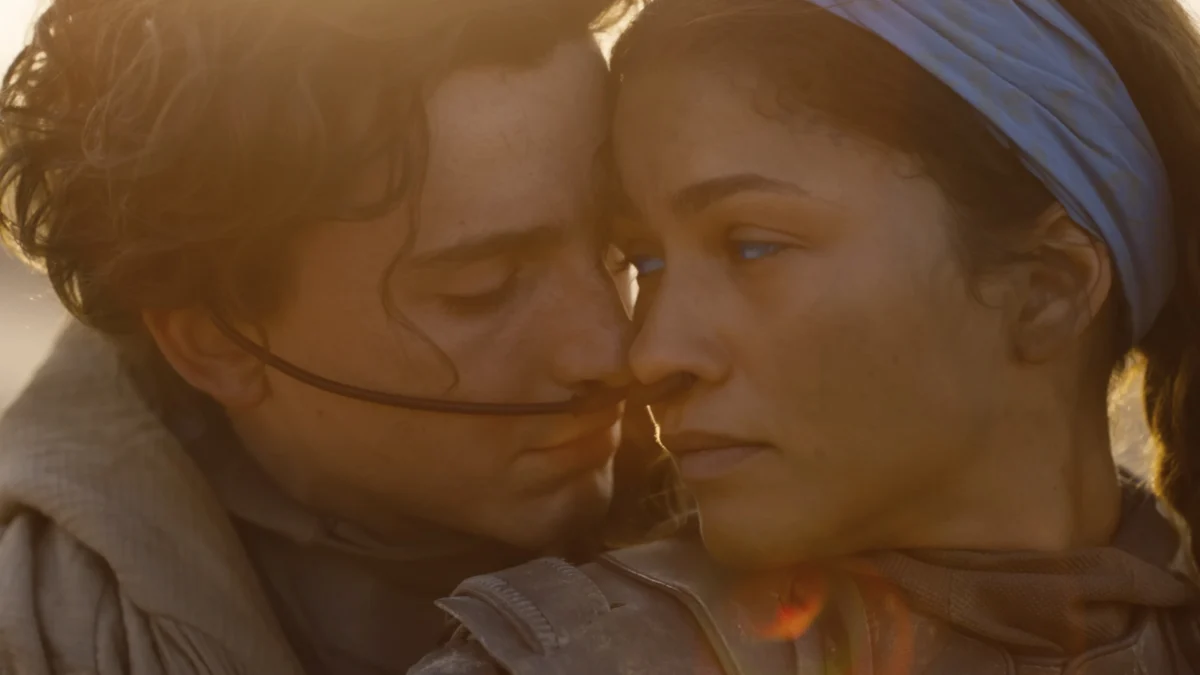
The desert sands of Arrakis are shifting once more. Following the monumental critical and commercial success of Dune: Part One and Dune: Part Two, director Denis Villeneuve is officially preparing to conclude his ambitious sci-fi trilogy. During a recent high-profile trailer launch event, the visionary filmmaker provided fans with a rare glimpse into the creative philosophy behind the upcoming Dune: Part Three—an adaptation of Frank Herbert’s Dune: Messiah—revealing that the finale is poised to break the mold established by its predecessors.
The Evolution of a Sci-Fi Epic: Main Facts
Denis Villeneuve has made it clear: he is not interested in merely repeating the cinematic language of the previous two entries. Despite the acclaim garnered by the first two films, the director emphasized during a post-trailer Q&A that Dune: Part Three is designed to avoid the trap of "walking in our own footsteps."
The core narrative of the third film will pivot from the epic, sprawling war-drama structure of the first two installments toward a more intimate, psychological, and high-stakes thriller. Villeneuve aims to explore new regions of Arrakis while pushing the boundaries of the genre. For the director, this is the "trilogy capper," a definitive conclusion that must feel fresh, distinct, and, perhaps most importantly, emotionally harrowing.
A Chronological Shift: From Foundation to Messiah
To understand the significance of the shift in Dune: Part Three, one must look at the trajectory of the franchise under Villeneuve’s guidance.
- 2021: Dune: Part One: Villeneuve introduced audiences to the world of Frank Herbert, focusing on world-building, the political machinations of the Great Houses, and Paul Atreides’ initial integration into the Fremen culture. The film was praised for its methodical pacing and sensory immersion.
- 2024: Dune: Part Two: This chapter escalated the scope, delivering a war film of massive proportions that explored religious fundamentalism and the tragic descent of the Atreides bloodline.
- 2026: Dune: Part Three: Adapted from Dune: Messiah, this film is set years after the events of the second installment. Chronologically and thematically, it serves as the "anti-hero" journey, deconstructing the myth of the messiah that the audience watched Paul build in the previous chapters.
By returning to the director’s chair much earlier than industry analysts initially predicted, Villeneuve has signaled a commitment to maintaining a singular, cohesive vision—one that prioritizes the internal rot of power over the external spectacle of conquest.
Supporting Data: Why "Messiah" is a Different Beast
The transition to Dune: Messiah as the source material for the third film is not a casual choice; it is a fundamental shift in the story’s DNA. Frank Herbert’s second novel is famously controversial among readers for its dark, somber, and deeply cynical tone.
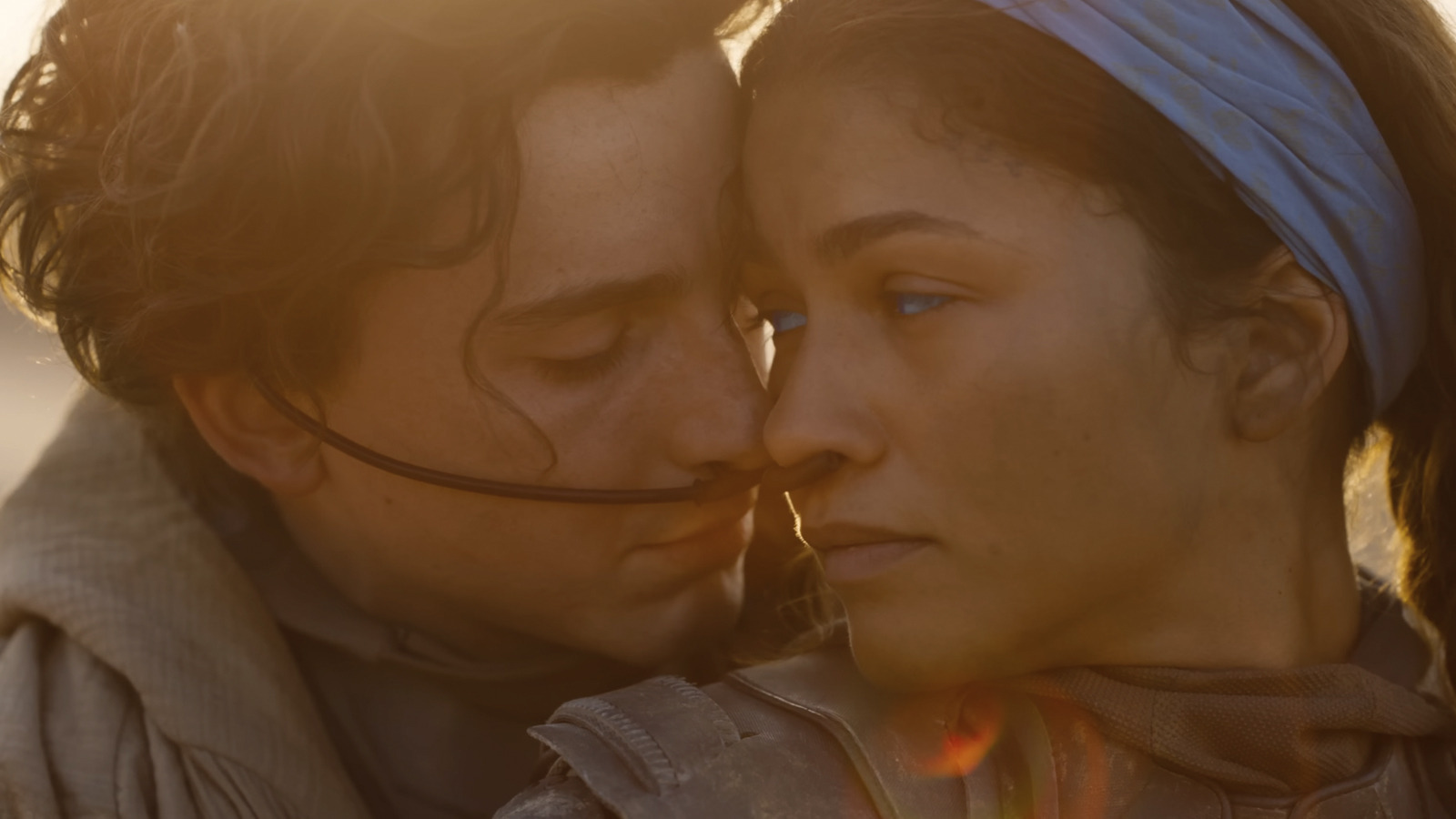
Villeneuve’s recent comments validate what book fans have long suspected:
- The Thriller Element: Unlike the sweeping battlefield maneuvers of Part Two, the third film will lean into political suspense, assassination attempts, and the claustrophobic nature of ruling an empire.
- Emotional Intensity: The director explicitly stated that the film is "more emotional." This likely refers to the tragic trajectory of Paul Atreides and the moral cost of his rise to power, which will leave characters—and the audience—in a state of profound emotional upheaval.
- Visual and Narrative Refresh: By introducing new environments and a sharper, more focused narrative lens, Villeneuve hopes to avoid the "formula" that often plagues sci-fi franchises as they reach their third outing.
Official Responses: Villeneuve and Chalamet on the New Vision
The commitment to this "new energy" is shared by the film’s lead, Timothée Chalamet. In a surprise appearance at the trailer event, Chalamet provided insight into the cast’s experience during production.
"The approach was slightly different on this one," Chalamet noted. "It wasn’t like, ‘OK, we found a formula and now we’re going to run it back.’ I think the first two are sort of siblings, and the third one is really its own energy. It’s familiar—this crew, this family—but there’s a new tone to this."
This corroboration from the film’s star reinforces the narrative that Part Three is not merely an epilogue, but a standalone artistic statement. The "siblings" metaphor used by Chalamet perfectly encapsulates the first two films—connected by their scale and narrative urgency—while the third stands apart, solitary and potentially dangerous in its thematic exploration.
Implications: The Finality of the Dune Universe
The decision to conclude the trilogy with Dune: Messiah has significant implications for both the film industry and the legacy of the Dune franchise.
The "Anti-Hero" Consequence
In popular culture, the "Hero’s Journey" is a comfortable, well-trodden path. By adapting Messiah, Villeneuve is forcing the audience to confront the consequences of Paul’s actions. The implications of this are massive: the film will challenge the viewer’s loyalty to the protagonist. If Part Two was about the birth of a legend, Part Three is about the suffocating weight of that legend.
A Masterclass in Franchise Management
Most franchises suffer from "sequel fatigue," where subsequent films struggle to justify their existence. By explicitly stating he does not want to "walk in his own footsteps," Villeneuve is setting a standard for modern blockbuster filmmaking. He is prioritizing the integrity of the adaptation over the temptation to turn the franchise into a never-ending cinematic universe.
The Technical Bar
Early reports of the film’s opening scene describe a "jaw-dropping" sequence that sets the tone for the rest of the movie. The technical mastery that Villeneuve has displayed—from Greig Fraser’s cinematography to Hans Zimmer’s haunting scores—will be pushed to new limits. The challenge for the production team is to match the aesthetic grandeur of the first two films while simultaneously delivering a more intimate, psychological narrative. It is a balancing act that few directors are capable of pulling off.
Conclusion: Preparing for December 2026
As the release date of December 18, 2026, approaches, the anticipation is not just for another "Dune movie," but for the culmination of a decade-long project. Denis Villeneuve has successfully navigated the "impossible" task of adapting Frank Herbert’s seminal work, and he now stands on the precipice of his most difficult challenge: ending the story on a note that is both satisfying to the fans of the source material and artistically daring enough to stand as a definitive piece of modern cinema.
If the early indicators are accurate, Dune: Part Three will not just be a blockbuster; it will be a dark, intense, and deeply emotional thriller that cements the trilogy as one of the greatest achievements in the history of science fiction. The sandworms of Arrakis may be the backdrop, but the true story—the final, shattering act of the Atreides tragedy—is what will ultimately define the legacy of this cinematic journey. Villeneuve appears ready to land the plane, and the world is watching to see exactly how he brings the spice-laden saga to its inevitable, thunderous conclusion.