Nana
Nana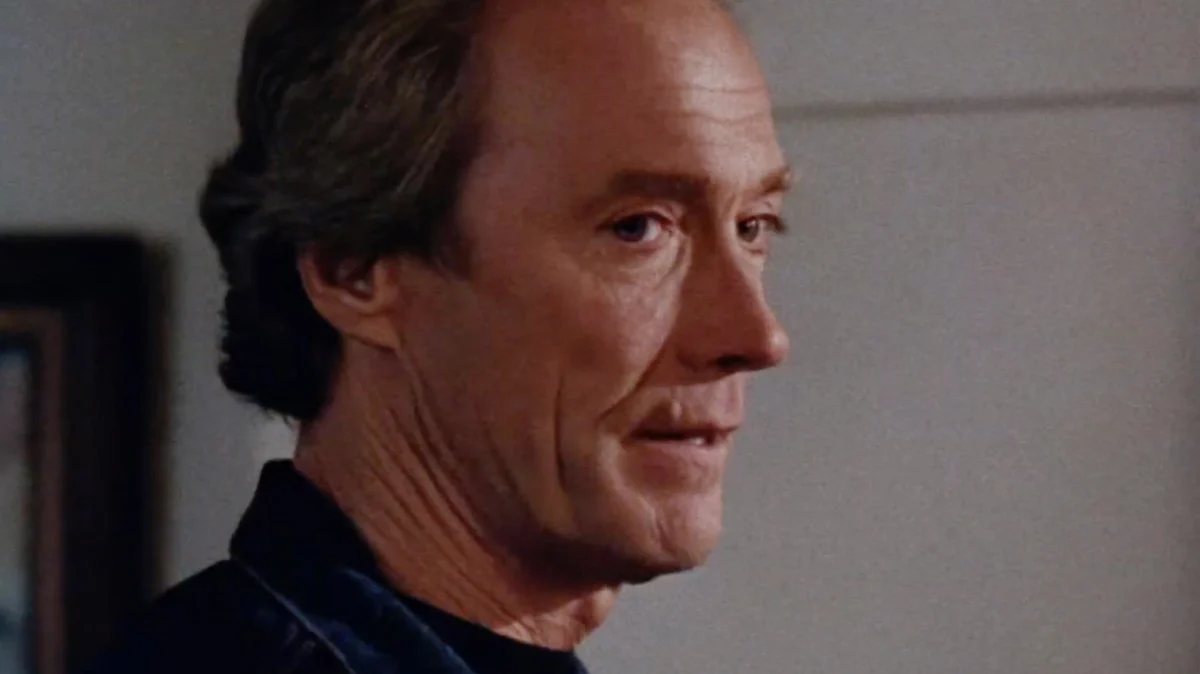
For decades, the name Clint Eastwood has been synonymous with cinematic authority. From the sun-bleached grit of Sergio Leone’s "Dollars" trilogy to the hard-boiled menace of Harry Callahan and the nuanced, Oscar-winning gravitas of his later directorial efforts like Unforgiven and Million Dollar Baby, Eastwood has commanded the screen and the box office with rare consistency. Yet, even the most legendary careers are marked by detours into territory that doesn’t quite land. Among the thousands of reviews penned by the legendary critic Roger Ebert, there is one distinct, lonely mark of failure: the singular, scathing one-star rating for the 1989 action-comedy Pink Cadillac.
The Context of a Career Lull
To understand the failure of Pink Cadillac, one must look at the late 1980s trajectory of Clint Eastwood. By 1989, the "Dirty Harry" franchise—once a juggernaut of action cinema—was sputtering. The final installment, The Dead Pool (1988), had signaled a creative exhaustion that even the star’s rugged charisma couldn’t mask.
During this era, Eastwood frequently collaborated with Buddy Van Horn, a veteran stunt coordinator who transitioned into the director’s chair. Their partnership had been defined by a specific brand of low-stakes, populist humor, beginning with the 1980 sequel Any Which Way You Can. While that film served as a financial success, it lacked the critical prestige of Eastwood’s more serious endeavors. By the time production began on Pink Cadillac, the formula of "Eastwood as a rugged, reluctant everyman" was beginning to show significant signs of fatigue. The film hit theaters in a year defined by the seismic shift of Tim Burton’s Batman—a summer where audiences were clamoring for high-concept, stylized spectacle, leaving little room for a dated, confused genre-bender about a bounty hunter and a car.
A Narrative at Odds with Itself
The premise of Pink Cadillac is, on paper, a standard "chase" comedy. Eastwood plays Tommy Nowak, a bounty hunter who specializes in "humanely" retrieving fugitives. He is tasked with tracking down Lou Ann McGuinn (played by Bernadette Peters), who has jumped bail after being caught with a car full of counterfeit money that belonged to a white supremacist gang.
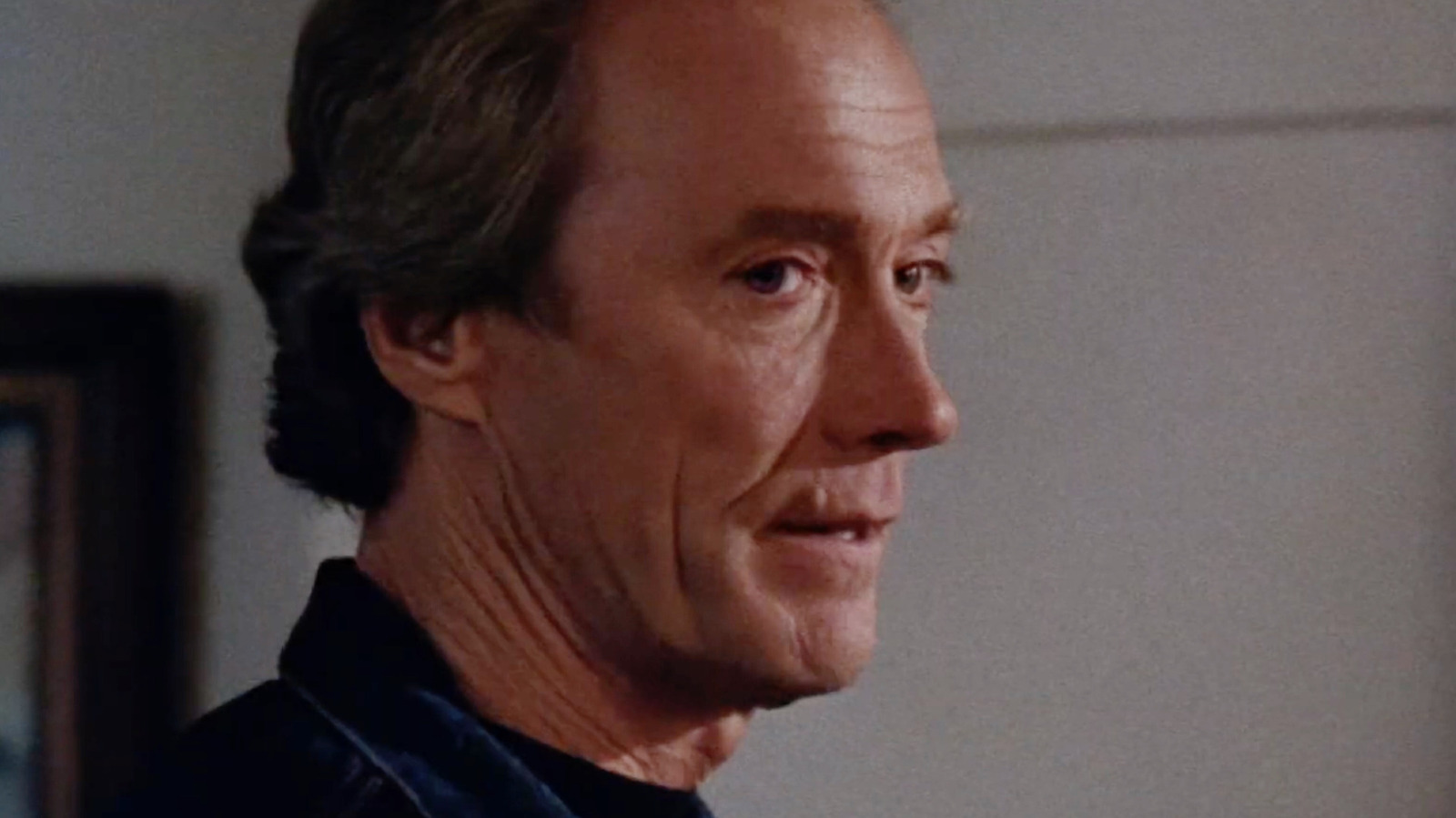
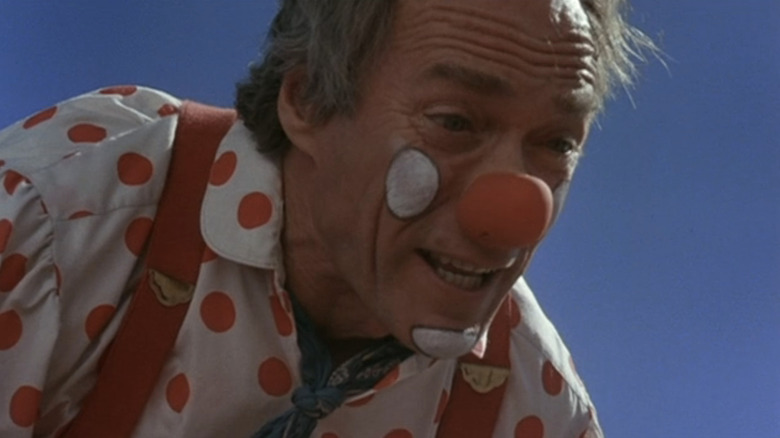
The fundamental disconnect, which Roger Ebert highlighted with surgical precision in his review, was the film’s tonal dissonance. On one hand, the movie attempts to be a slapstick farce, featuring Eastwood in a parade of ridiculous, over-the-top disguises—ranging from an elderly man to a circus clown—in an attempt to capture his mark. On the other hand, the plot is anchored by a genuinely dark and uncomfortable subplot involving an organized, violent group of white supremacists.
The inclusion of these antagonists was not merely a background detail; they were the primary engine of the film’s conflict. As Ebert pointed out, the transition between lighthearted, goofy comedy and the "disturbing subplots" of racial hatred created a viewing experience that was jarring at best and offensive at worst. The audience was expected to laugh at Eastwood’s antics while simultaneously processing a narrative thread involving genuine bigotry, a juxtaposition that failed to find any rhythmic or thematic balance.
Roger Ebert’s Critique: A Deconstruction of Tone
Roger Ebert’s review of Pink Cadillac stands as a masterclass in critical analysis, not because it is harsh, but because it identifies a failure of creative responsibility. Ebert did not simply dislike the film; he was genuinely perplexed by the decision-making process behind it.
"Nobody seems to have asked whether the emotional charge of blatant racism belongs in a lightweight story like this," Ebert wrote. For the critic, the issue wasn’t the presence of villains; it was the flippant, almost careless way the film deployed hate speech and extremist imagery as mere plot devices to drive a "lightweight" comedy.
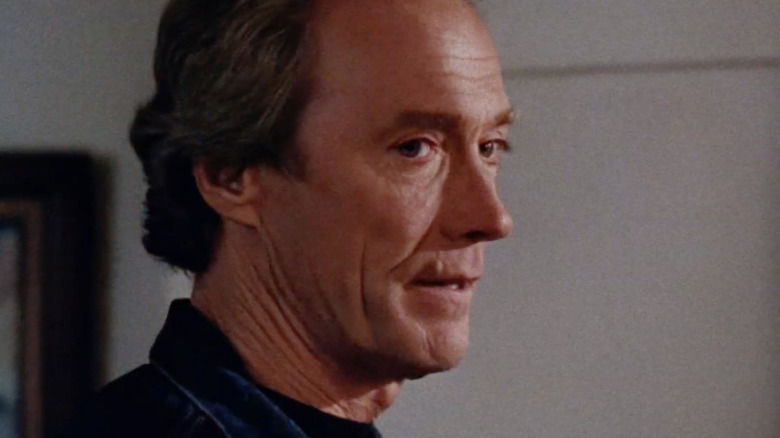
Ebert noted that he felt "uncomfortable" during the film’s more intense sequences, particularly when the antagonists were permitted to spout racial slurs without the film providing any meaningful commentary or narrative weight to those moments. To Ebert, the film was not just a cinematic flop; it was a moral misstep. He argued that in the contemporary cultural landscape, filmmakers had a duty to be more considerate of the weight such language carries. By treating the threat of white supremacists as a punchline-adjacent plot device, the filmmakers essentially trivialized the very evil they were using as a narrative foil.
Chronology of a Production Mismatch
The production of Pink Cadillac occurred during a transitional period for Warner Bros. and Eastwood. The studio, recognizing that the film lacked the traditional "Eastwood magic," attempted to pivot its marketing strategy. A notable, if desperate, element of the film’s promotional campaign was the narration in the theatrical trailer. The voiceover artist repeatedly referred to the star simply as "Clint," a colloquial, friendly signifier designed to reassure audiences that, despite the subpar material, their favorite screen icon was still there, just being "his old self."
The film’s box office performance was tepid. While Eastwood remained a box office draw, Pink Cadillac failed to capture the imagination of the public, eventually being relegated to the bottom tier of his filmography. It remains a case study in what happens when a star and a director become too comfortable with a formula that no longer resonates with the zeitgeist.
The "Jim Carrey" Connection
One of the few footnotes of interest regarding Pink Cadillac is a brief, early-career appearance by Jim Carrey. In a moment that has since gained cult status, Eastwood’s character encounters a comedian performing on a casino stage—a young, manic Carrey. The resulting interaction, featuring a classic, unimpressed scowl from Eastwood, provides a rare, meta-textual bridge between the old guard of Hollywood and the rising generation of surrealist comedy. However, even this moment of celebrity intersection was not enough to salvage the film from its structural failings.
Implications for the Eastwood Legacy
The legacy of Pink Cadillac is that of a "teachable moment" in the career of a master. It serves as a reminder that even the most talented directors and actors are susceptible to the "sunk cost" of bad scripts and misguided tonal experiments.
Following the release of Pink Cadillac, Eastwood seemed to recognize the need for a recalibration. The early 1990s saw him pivot toward more somber, reflective work. Unforgiven (1992), which arrived just three years later, is often cited as the film that saved his career and re-established his prestige. It was a direct antithesis to the frivolity of Pink Cadillac—a dark, meditative deconstruction of the very genre that had made him a star.
Ultimately, Pink Cadillac occupies a specific niche in film history: it is the definitive example of a "one-star" effort from an artist who would go on to be considered one of the greatest filmmakers of the 20th and 21st centuries. It highlights the importance of thematic consistency and the dangers of miscalculating the audience’s appetite for humor in the face of serious, real-world subject matter. While it is rarely revisited today, its presence in the archives serves as a testament to Roger Ebert’s high standards and Clint Eastwood’s long, occasionally bumpy road toward becoming an American institution.

 Sagoh
Sagoh
 Nana Muazin