

In the vast landscape of historical television, the American Revolution has often been relegated to the realm of high-school textbooks or overly sanitized, sepia-toned miniseries. While cinema has occasionally tackled the conflict with the likes of The Patriot or 1776, the small screen has largely ignored the gritty, shadow-laden realities of the war that birthed a nation. That changed in 2014 with the debut of AMC’s Turn: Washington’s Spies. Across four seasons and 40 episodes, the series transformed a dense, scholarly work of history into a pulse-pounding, high-stakes espionage thriller that revealed the war was won not just on the battlefield, but in the muddy, treacherous back alleys of occupied territory.
The Genesis: From Historical Tome to Television Tension
At its core, Turn is a meticulously crafted adaptation of Alexander Rose’s acclaimed 2006 non-fiction book, Washington’s Spies: The Story of America’s First Spy Ring. Developed for television by Craig Silverstein, the series sought to pull back the curtain on the Culper Ring, an undercover intelligence network operating out of Setauket, New York, during the British occupation.
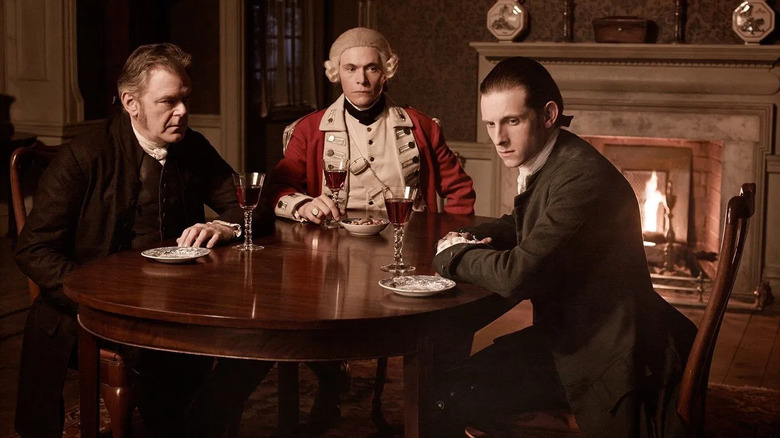
The narrative centers on Abraham Woodhull (played with brooding intensity by Jamie Bell), a cabbage farmer whose quiet life is upended by the encroaching realities of the British military presence. Driven by a complex web of personal grudges and ideological shifts, Woodhull joins forces with childhood friends Benjamin Tallmadge (Seth Numrich) and Caleb Brewster (Daniel Henshall) to form a clandestine operation under the direct command of George Washington.
Unlike traditional war dramas that focus on the roar of cannons, Turn focuses on the whispers of intelligence. It introduced modern audiences to the tradecraft of the 18th century: dead drops, invisible ink, secret ciphers, and the constant, suffocating fear of discovery by the notorious British intelligence officer John André or the ruthless soldier Robert Rogers (Angus Macfadyen).
Chronology of a Revolution: The Series’ Narrative Arc
Turn is defined by a slow-burn progression that mirrors the agonizingly long and uncertain nature of the Revolutionary War.
Season 1: The Foundation of Deceit (1776)
The series opens in the aftermath of the disastrous American defeat at the Battle of Long Island. With the British firmly entrenched in New York, the Continental Army is on the brink of total collapse. The first season is largely a character study of hesitation and the moral cost of rebellion. It establishes the "cabbage farmer" origins of Abraham Woodhull, showing a man forced to choose between the safety of his family and the perilous path of a double agent. While critics at the time noted the slow pacing, the show was effectively building a foundation for the intricate web of deception that would define the later seasons.
Season 2: Escalation and Intelligence
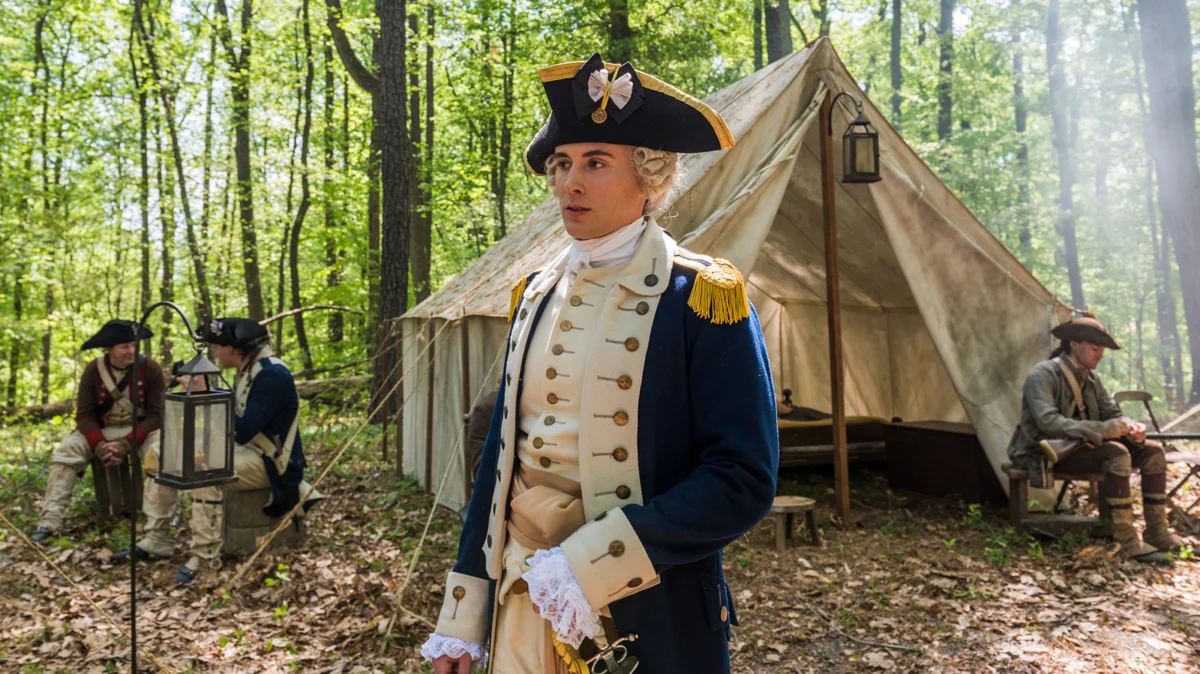
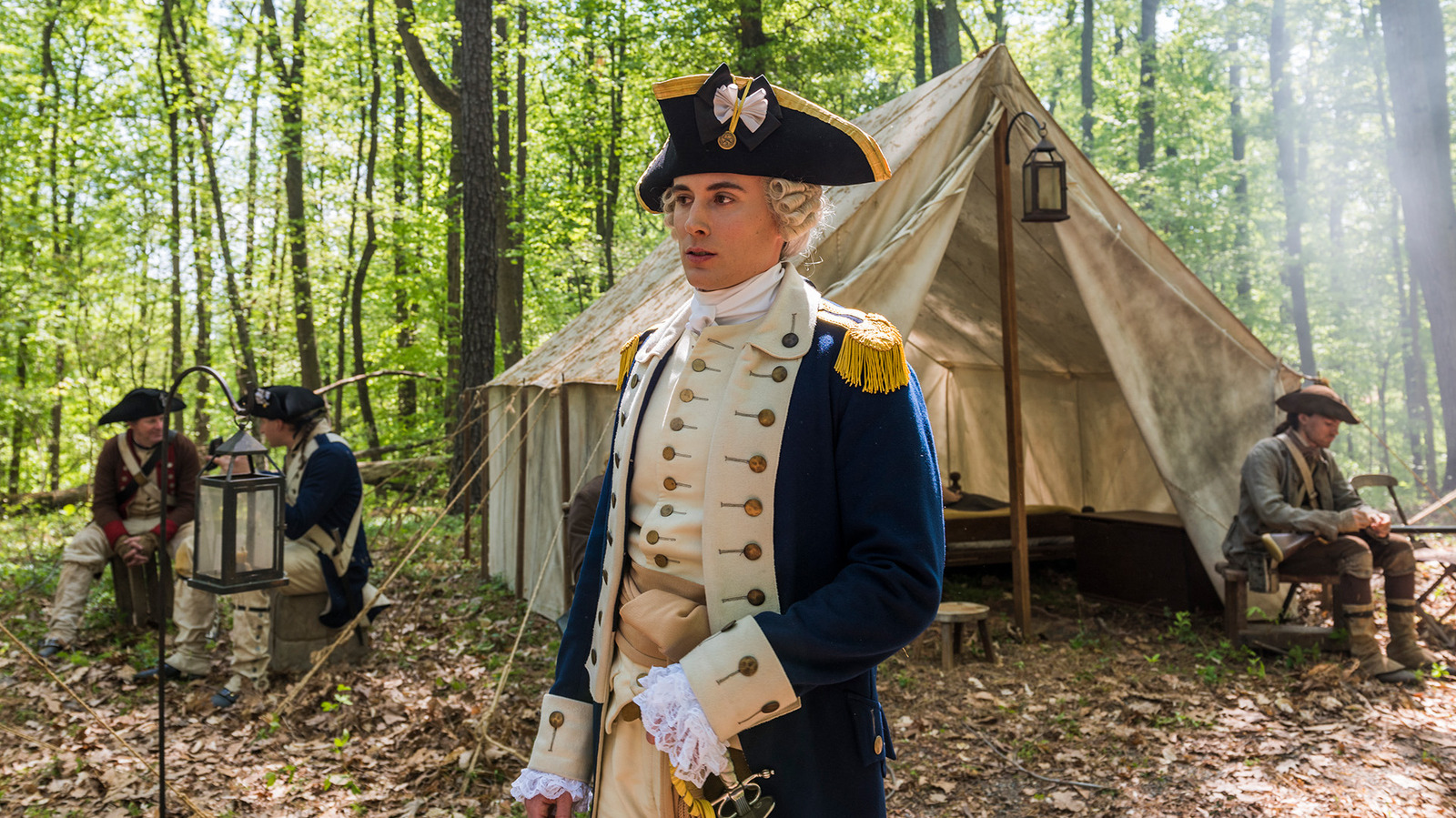
As the series progressed, the show found its footing. By the second season, the spy craft moved to the forefront. The introduction of more sophisticated intelligence gathering—and the increasing presence of General George Washington (Ian Khan)—elevated the stakes. Washington, initially a distant, mythic figure, becomes a desperate strategist, realizing that he cannot win through conventional warfare alone. The introduction of Robert Townsend (Nick Westrate), who would become the essential "Samuel Culper, Jr.," added a new layer of urban espionage, as the action shifted to the heart of British-occupied New York City.
Seasons 3 & 4: The Endgame
By the final two seasons, Turn had shed its early pacing issues, leaning fully into the thriller genre. The cat-and-mouse games between the Culper Ring and British intelligence became increasingly lethal. The final season, culminating in 2017, provided a satisfying, if bittersweet, conclusion that underscored the personal toll taken on the individuals who risked their lives for the birth of a nation.
Supporting Data: Why the Show Earned Its "Best-in-Class" Status
Despite initial mixed reviews, Turn eventually garnered a cult following among history enthusiasts and fans of high-tension dramas. Its production design and commitment to authenticity set it apart from its contemporaries.
- Authenticity in Tradecraft: The show took the historical record of the Culper Ring’s methods—the use of "sympathetic stain" (invisible ink) and numeric codes—and integrated them into the plot without turning them into mere gimmicks. It highlighted how the ring’s success in identifying troop movements directly influenced the outcome of the war.
- A Vast Ensemble of Talent: The casting of Turn was arguably one of its greatest strengths. By utilizing a mix of veteran character actors and rising stars, the show maintained a level of gravitas that grounded its more fictionalized elements. Ian Khan’s portrayal of Washington, for instance, avoided the marble-statue caricature, instead presenting a man who was frequently exhausted, burdened by heavy command, and occasionally forced into morally grey decisions.
- The "Dad TV" Phenomenon: Critics often categorized the show as "Dad TV," a term used to describe slow-paced, detailed, and historically rigorous dramas. While initially meant as a slight, this label ultimately became a badge of honor, identifying the show as one of the few pieces of media that respected the viewer’s intelligence and interest in the "how" and "why" of historical events.
Official and Critical Responses: The Evolution of Reception
The critical reception of Turn is a fascinating study in shifting expectations. In 2014, reviewers like Tim Goodman of The Hollywood Reporter and Brian Lowry of Variety criticized the pilot for being "dull" and lacking the immediate kinetic energy expected of a spy thriller. There was a palpable frustration that the show didn’t move faster to make its hero, Woodhull, a classic action star.
However, as the series evolved, the critical narrative began to pivot. By the time the final season aired, outlets like Entertainment Weekly were praising the series for its depth and its ability to weave complex, long-form narratives. The show proved that "slow-burn" television, when executed with high production values and a clear sense of history, creates a more lasting impact than a series of superficial explosions. It forced viewers to engage with the reality of the 1770s—a time of mud, cold, limited communication, and the constant threat of the gallows.
Implications for Historical Dramas
Turn: Washington’s Spies serves as a benchmark for how historical television can handle complex source material. Its existence—and its success in securing a four-season run—demonstrates that there is a viable market for "prestige history." It successfully bridged the gap between dry academic inquiry and the high-octane requirements of modern television.
The show’s legacy is twofold. First, it effectively popularized the story of the Culper Ring, moving it from a footnote in history books to a well-known chapter of the American Revolution. Second, it proved that the Revolutionary War, often seen as a "dry" subject, is ripe for the thriller treatment. By focusing on the spies rather than the generals, Turn managed to humanize the conflict, reminding audiences that the United States was built on the backs of ordinary people doing extraordinary, and often terrifying, things in the shadows.
Today, as the series remains available on platforms like Prime Video, it continues to find new audiences. For those seeking a show that treats the past not as a costume drama, but as a genuine, high-stakes game of survival, Turn remains an essential watch. It is, perhaps, the most accurate representation of the American spirit during the Revolution—not because of its battles, but because of its unyielding, quiet, and dangerous dedication to a cause that, at the time, seemed all but lost.










