Asep Darmawan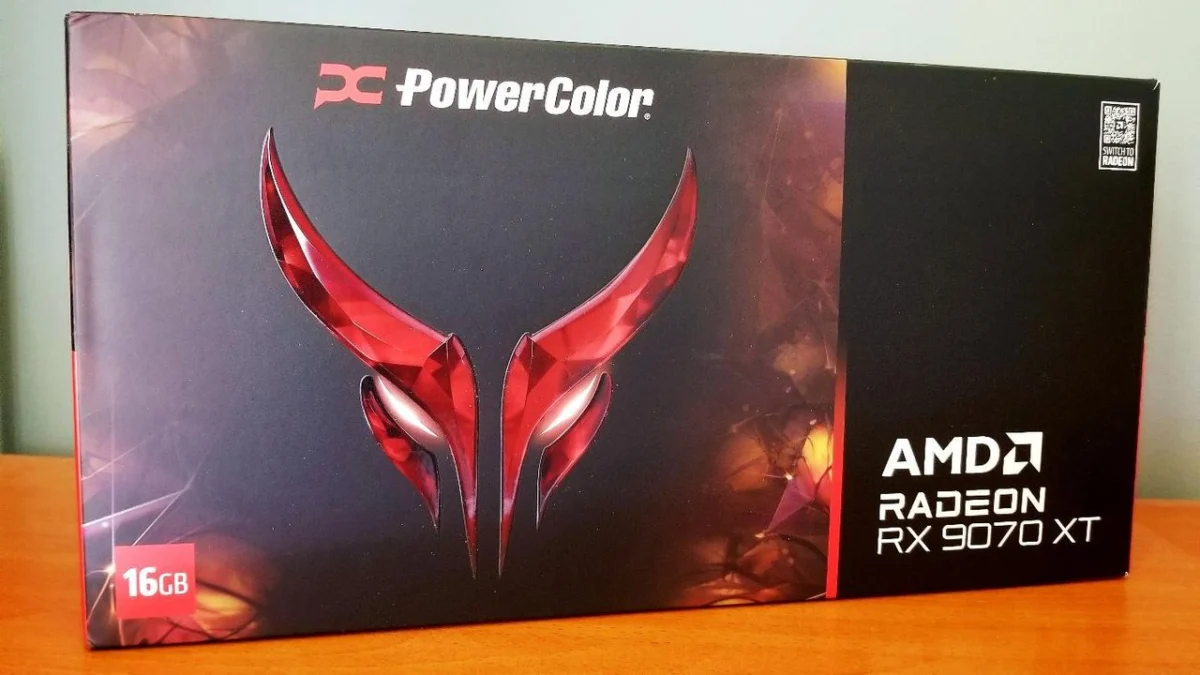
For as long as modern 3D gaming has existed on the PC, a persistent, frustrating barrier has stood between the player and their experience: the "shader compilation" wait. Every gamer knows the drill—you launch a highly anticipated title, only to be greeted by a progress bar that crawls forward while the CPU churns through thousands of lines of code, or worse, you jump into the game immediately, only to be plagued by intermittent, jarring stutters as the GPU struggles to render new effects on the fly.
Today, we take an in-depth look at Microsoft’s Advanced Shader Delivery (ASD), a transformative feature designed to solve this technical bottleneck. By pre-packaging shader data for download, ASD promises to eliminate long initial load times and eradicate the "stutter-fest" that often defines a game’s first-run experience. We’ve stress-tested this technology across six major titles to see if it lives up to the hype.
The Core Problem: Why Modern Games Stutter
To understand why Advanced Shader Delivery is a game-changer, one must first understand the technical debt modern PC gaming faces. Graphics cards do not inherently know how to render every complex effect—like realistic water, intricate shadows, or volumetric lighting—within a new game environment.
These instructions are defined by Pipeline State Objects (PSOs). When you launch a game, the engine must translate these PSOs into a format your specific GPU understands. This is known as shader compilation. In the past, this was a relatively quick task. However, modern game engines have become so sophisticated that they may contain tens of thousands of PSOs. Engines often cannot "see" all these permutations before the game starts, leading to two undesirable outcomes:
- The "Pre-compilation" Screen: Games force the user to sit through a lengthy, minutes-long loading bar while the CPU compiles every conceivable shader.
- Runtime Stutter: The engine compiles shaders while you play, leading to frame drops and "hiccups" the first time you encounter a new area or effect.
Both scenarios are, frankly, a poor user experience. Microsoft’s Advanced Shader Delivery aims to shift this burden from the user’s PC to the distribution server.
What is Advanced Shader Delivery?
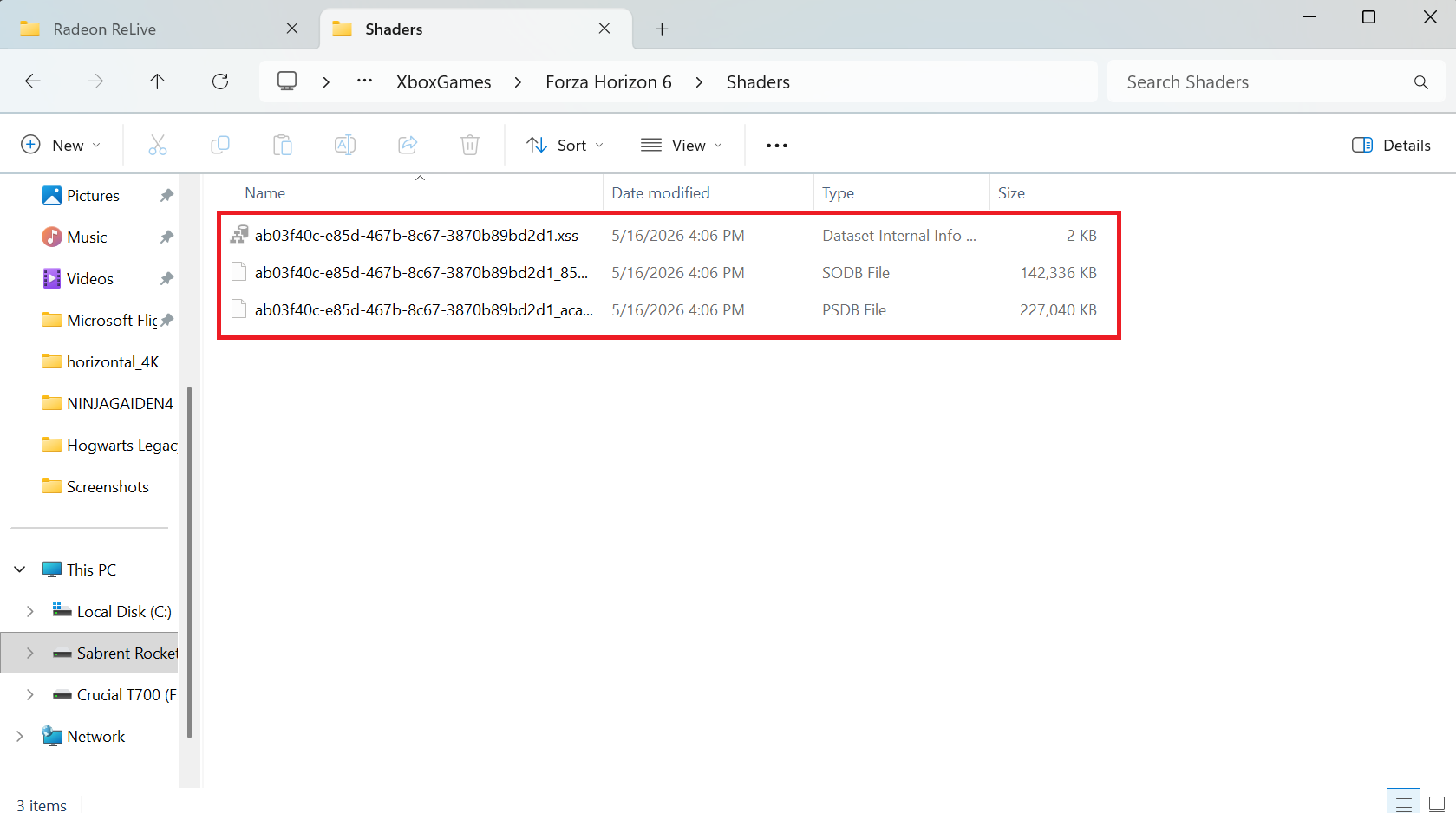
Advanced Shader Delivery (ASD) is a technical architecture that streamlines how graphics data is delivered to your machine. Instead of leaving the heavy lifting of shader compilation to your local hardware, developers now use a specialized process to capture and package these shaders into an SODB (State Object Database).
The Technical Workflow
The process is elegant in its simplicity:

- Capturing the SODB: Developers use tools to generate an SQLite3 database containing the necessary shaders and the instructions for grouping them into PSOs.
- Offline Compilation: Using powerful offline compilers, the SODB is transformed into a PSDB (Precompiled Shader Database). This is a platform-agnostic output that can be distributed via the Xbox store.
- Delivery: When you download a game via the Xbox app, you aren’t just downloading the assets; you are downloading the precompiled shaders.
When you launch the game, it detects these files, skips the local compilation process entirely, and loads the shaders directly into the GPU cache. If a driver update is detected, the system intelligently updates these files in the background. In theory, this provides a "100% cache hit rate" from the moment the user clicks "Play."
Testing Methodology
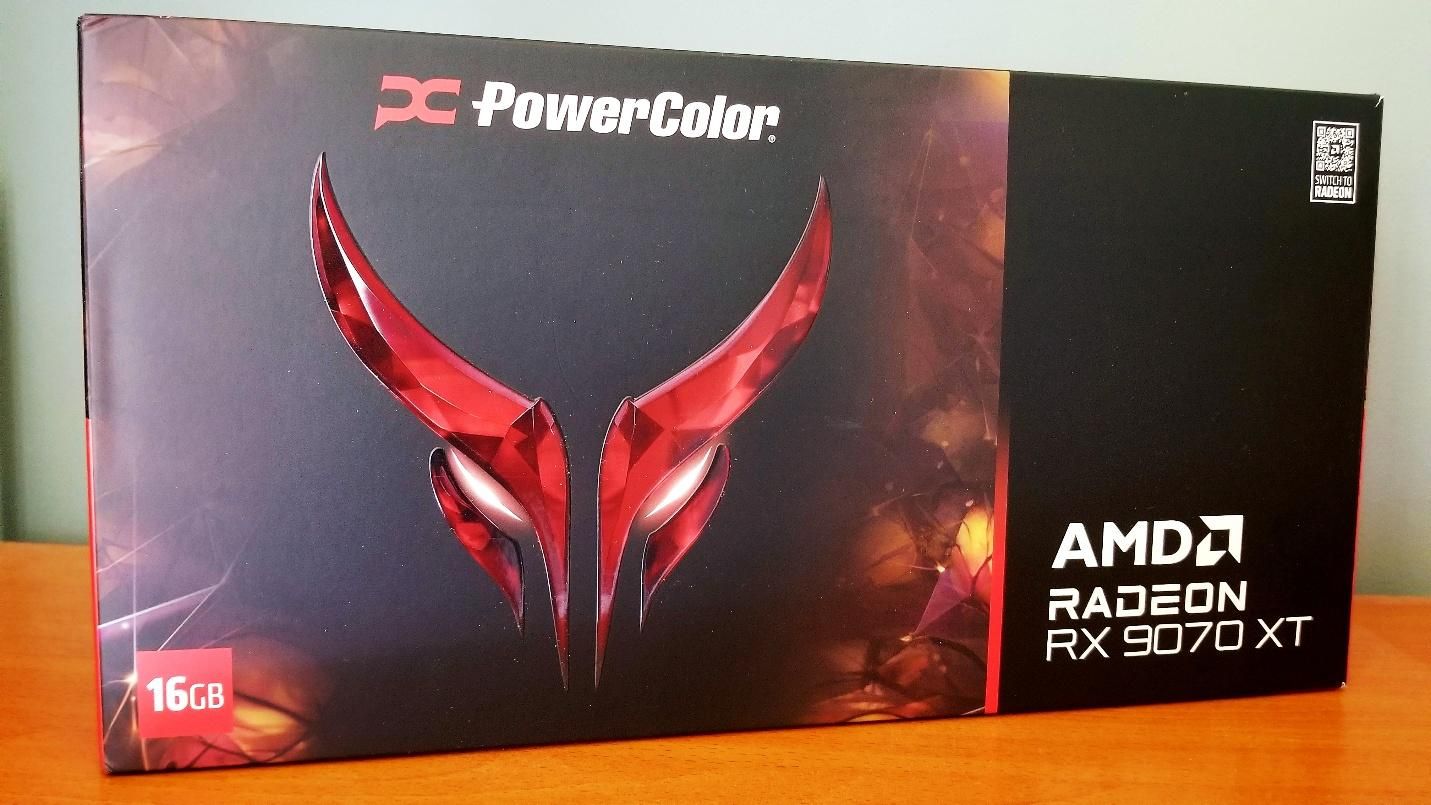
We selected six games that represent the worst offenders of shader-related performance issues. We conducted our tests on a system powered by an AMD Radeon RX 9070 XT, as current public previews for ASD are optimized for AMD hardware.
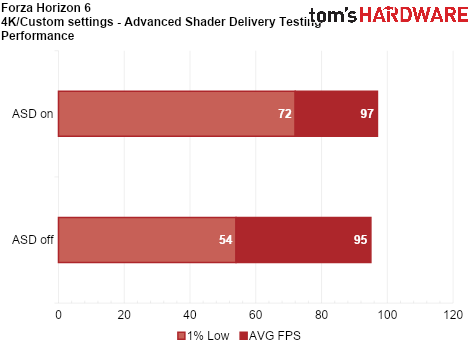
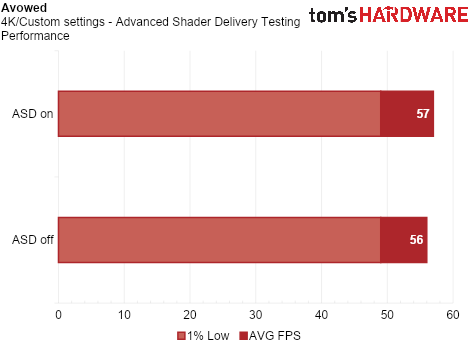
To test the efficacy of the feature, we manually purged the local shader folders and disconnected our test bench from the internet to prevent the Xbox store from downloading the PSDB files, effectively creating a "base" state for comparison. We then re-enabled the feature to measure the performance delta in both initial load times and 1% low FPS (the metric most indicative of stuttering).
Comparative Performance Analysis
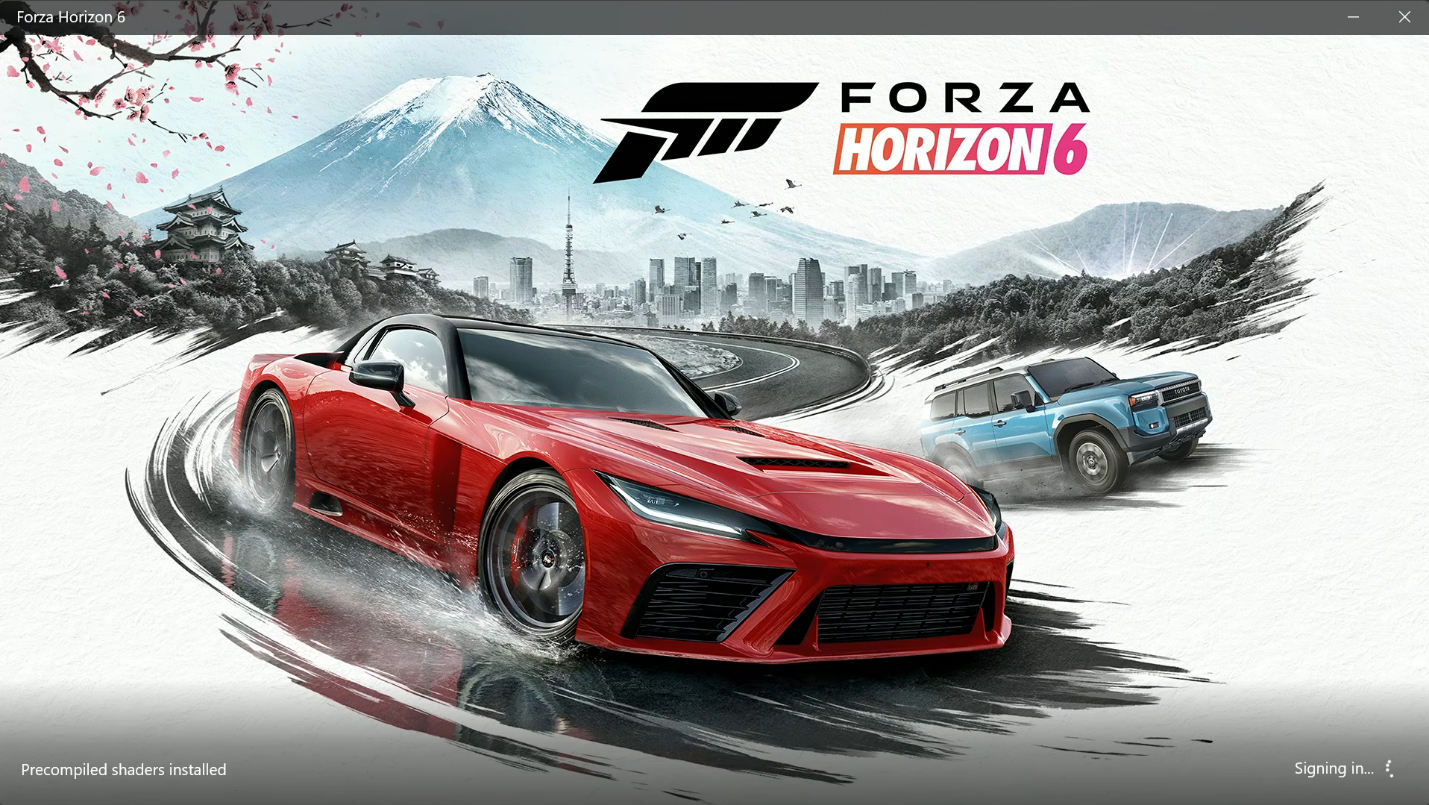
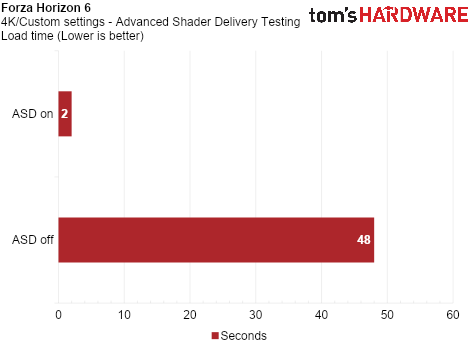
Forza Horizon 6
The Forza series is infamous for its lengthy initial optimization screens.
- Without ASD: 48 seconds of wait time.
- With ASD: 2 seconds.
- Result: A 96% reduction in load time. More importantly, the prologue—a section known for heavy stuttering—remained fluid and consistent throughout, proving that the cache hit rate was near perfect.
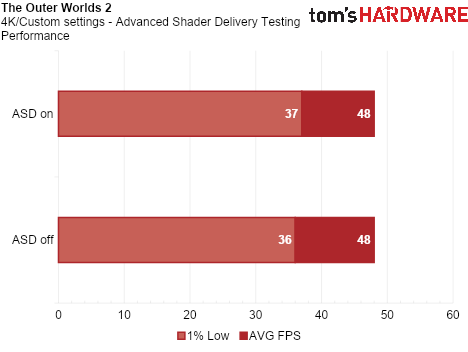
The Outer Worlds 2
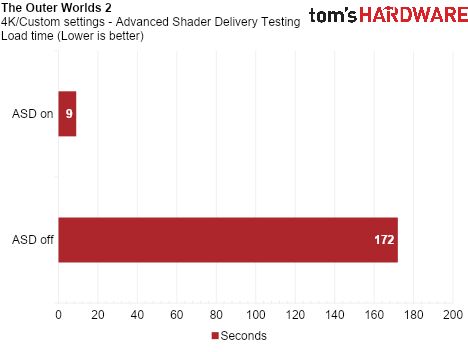
This title featured one of the most egregious pre-compilation times in our test suite.
- Without ASD: 2 minutes and 52 seconds.
- With ASD: 9 seconds.
- Result: A 95% improvement. We saved nearly three minutes of waiting, allowing for an almost instantaneous entry into the game world.
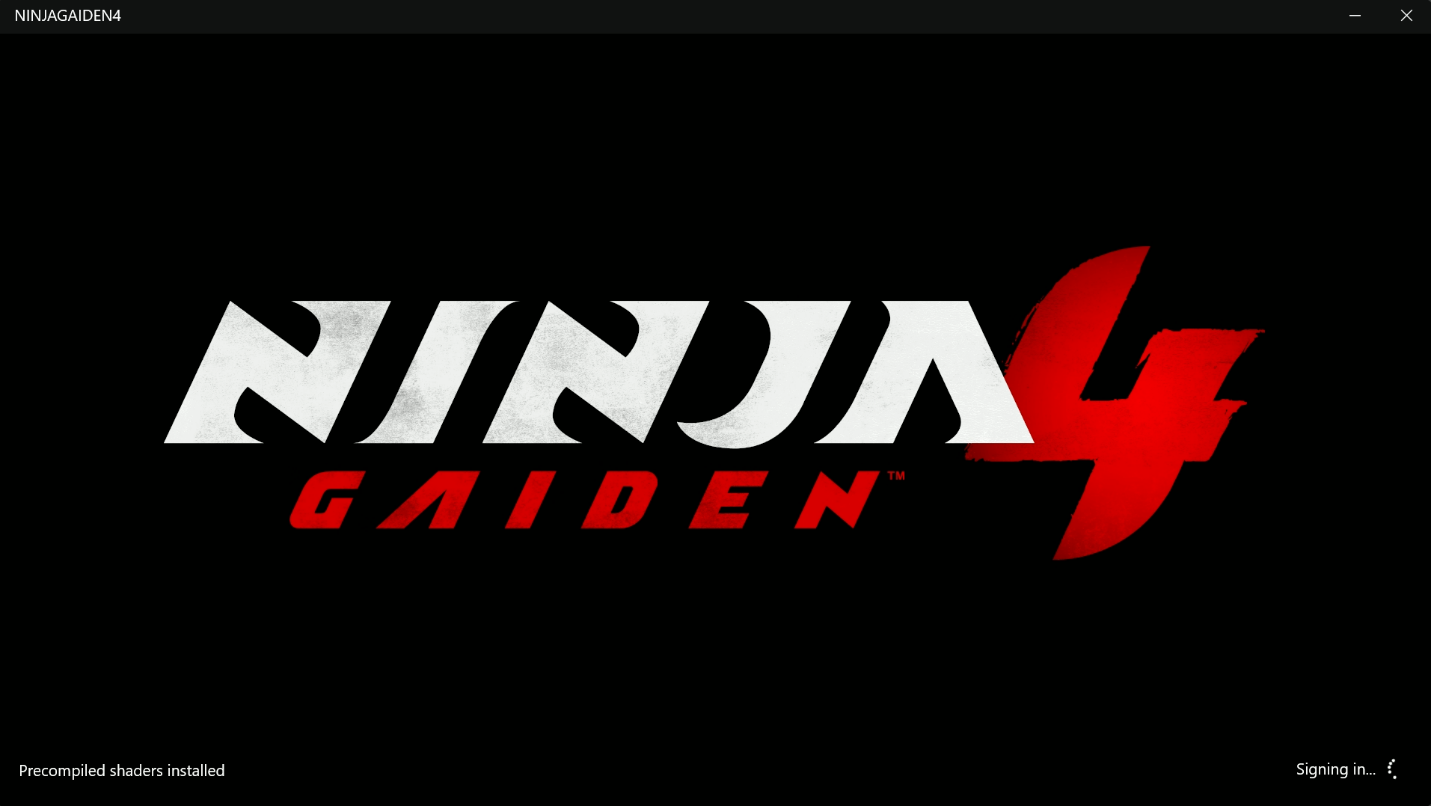
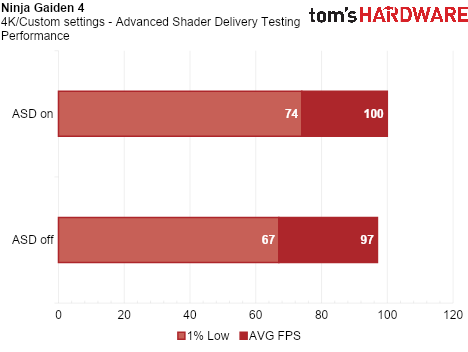
Ninja Gaiden 4
- Without ASD: Minimal pre-compilation time.
- With ASD: No change in load time.
- Result: While the loading screen didn’t see an improvement, we observed a 10% increase in 1% low FPS. The minor combat stutters we noted in the base state were entirely eradicated, confirming that ASD serves a secondary purpose: performance stability.
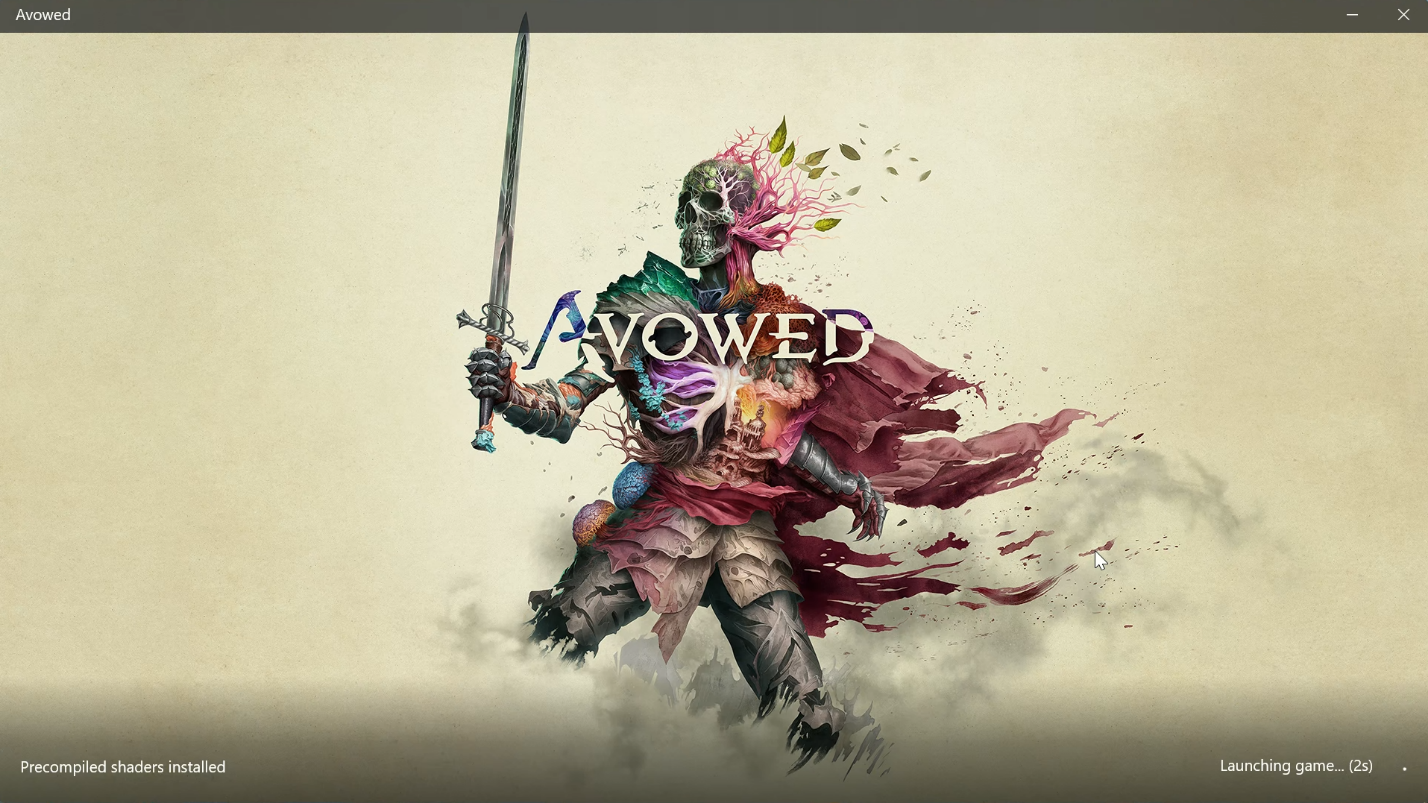
Avowed
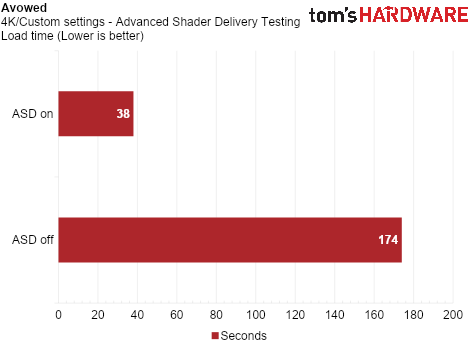
- Without ASD: 2 minutes and 56 seconds.
- With ASD: 40 seconds.
- Result: A 78% improvement. While not as drastic as Forza, saving over two minutes is a significant boon for player retention and satisfaction.
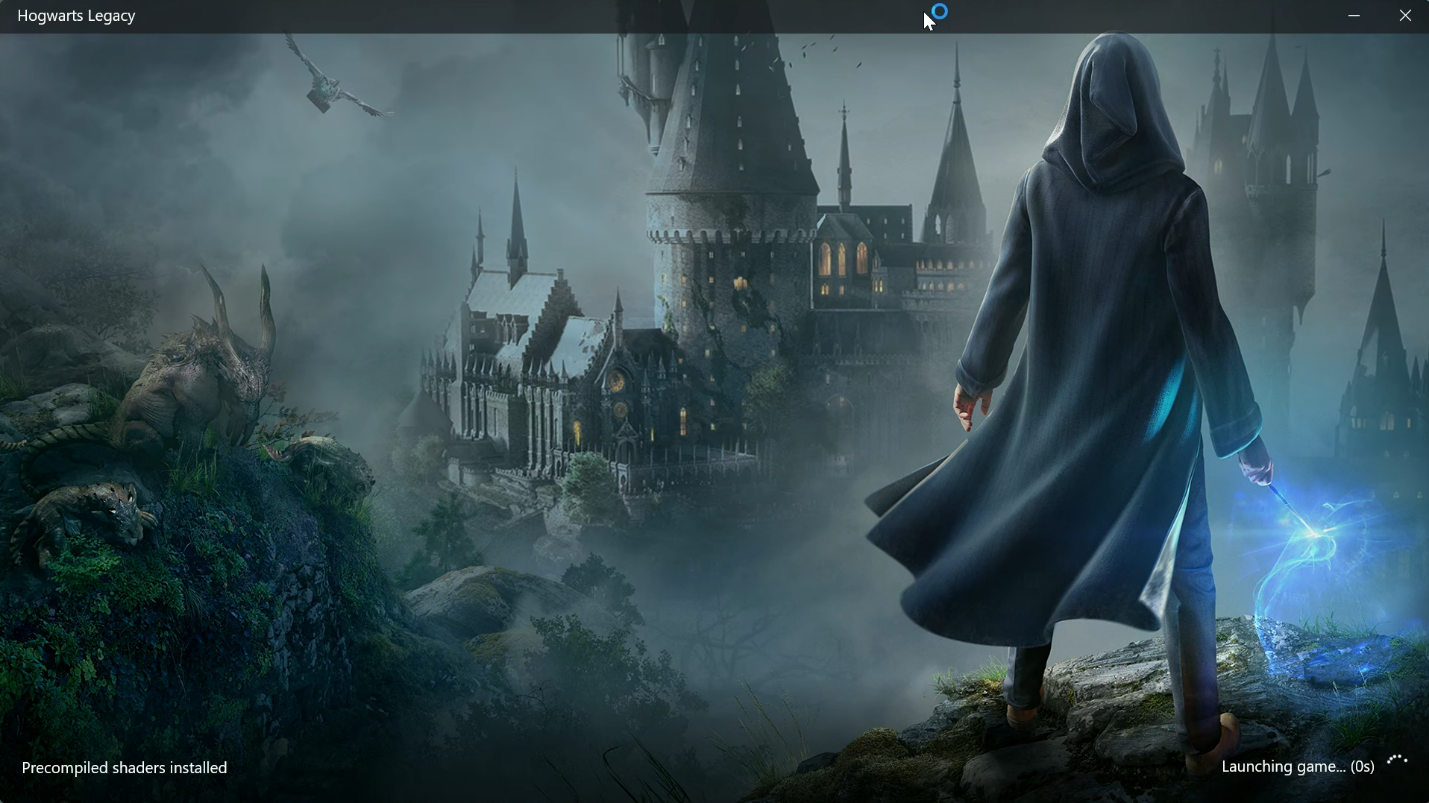
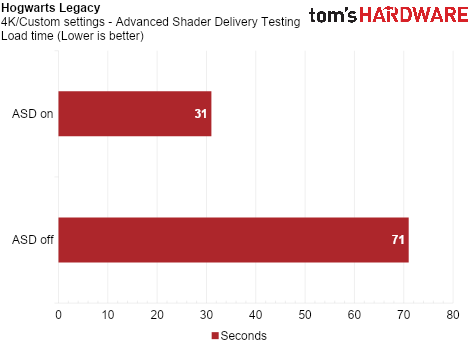
Hogwarts Legacy
- Without ASD: 1 minute and 15 seconds.
- With ASD: 33 seconds.
- Result: A 56% reduction in load time. The game felt snappy and responsive immediately upon landing in the world.
Silent Hill f
- Without ASD: No pre-compilation.
- With ASD: No change.
- Result: Disappointingly, we still experienced significant stutters in the town area. This suggests that either the developer did not provide the full set of PSOs to the SODB, or there is an API limitation currently preventing the coverage of all dynamic objects in the scene.
Official Responses and Industry Implications
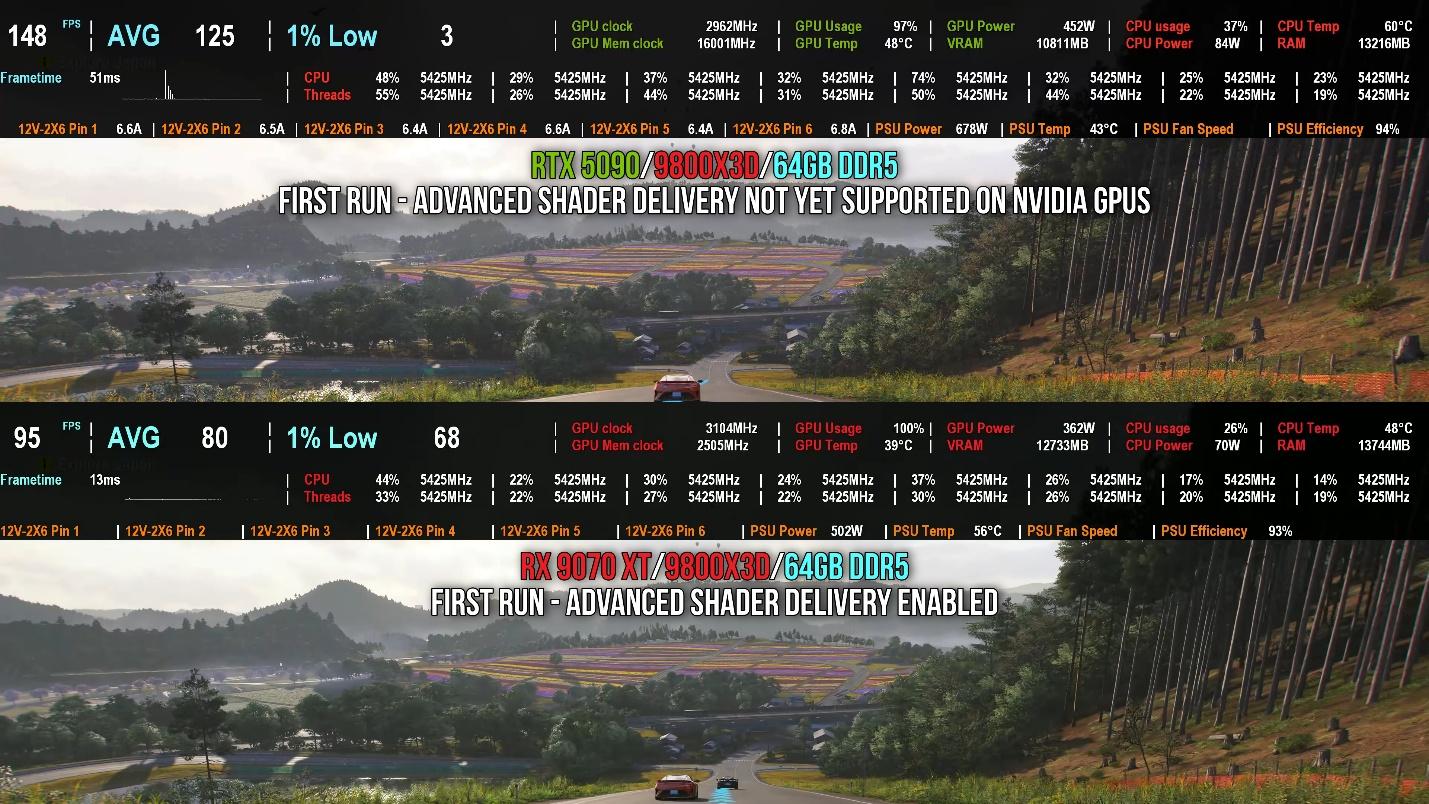
Microsoft has confirmed that while the current preview is limited to select AMD configurations, they are working closely with NVIDIA and Intel to bring universal support to the ecosystem. Intel’s own "Precompiled Shader Distribution" is a similar initiative, suggesting that the industry is moving toward a unified standard for shader management.
Industry developers have largely praised the shift, noting that it reduces the burden on customer support teams who are often flooded with complaints regarding "broken" games that are actually just struggling with compilation. However, developers must be diligent. As our test with Silent Hill f demonstrated, if a developer fails to capture all relevant shaders during the creation of the PSDB, the user experience will still suffer. The technology is only as good as the data provided by the engine.
The Verdict: A New Standard for PC Gaming?
The data is clear: Advanced Shader Delivery is a massive win for the PC gaming community. When implemented correctly, it transforms the user experience from one of frustration and waiting to one of instant, fluid gameplay. A "first impression" is the most vital aspect of a game’s lifecycle, and removing the barrier of technical stuttering is a critical step in professionalizing the PC platform.
However, the technology is not yet a "silver bullet." As seen in our testing, it requires cooperation from game developers to ensure comprehensive coverage. Furthermore, until it is adopted by other major storefronts like Steam and the Epic Games Store, its impact will remain siloed within the Xbox ecosystem.
For now, Microsoft has provided the architecture for a smoother future. If they can refine the integration process and expand support to all GPU vendors, the days of staring at a "Compiling Shaders" progress bar may soon be behind us. For the modern PC gamer, that is a change that cannot come soon enough.

 Reynand Wu
 Basiran