By João Silva | 16 hours ago
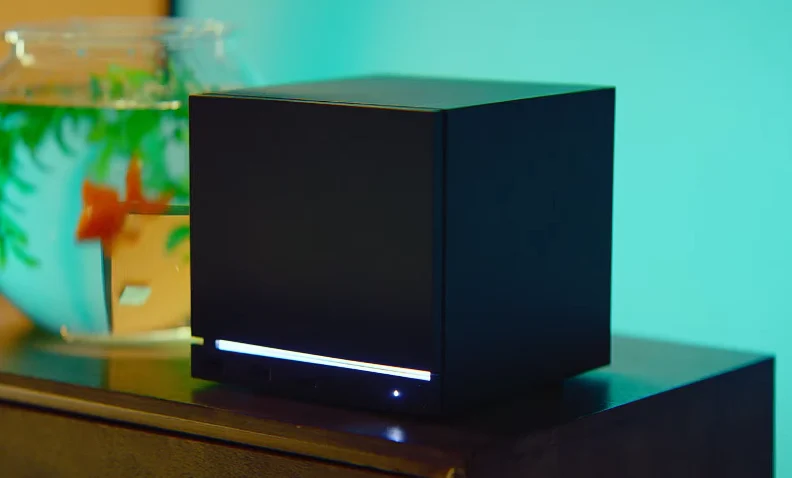
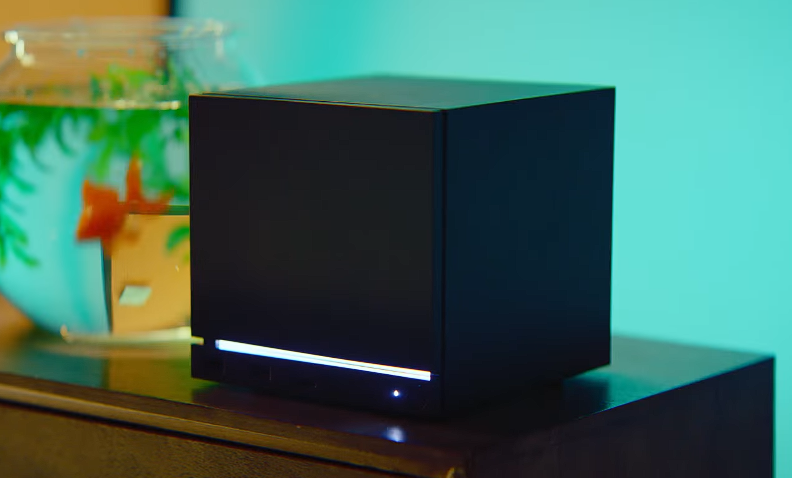
In a significant development for handheld and console-gaming enthusiasts, Valve has officially released a comprehensive Windows 11 driver package for the Steam Machine. This move aims to provide users with the flexibility to transform their dedicated gaming console into a more traditional Windows-based desktop experience. While the release marks a major milestone for hardware customization, Valve has been careful to manage expectations, emphasizing that the current implementation is an early-stage solution with notable limitations.
For many, the Steam Machine has been the gold standard for portable, streamlined gaming. By opening the door to Windows 11, Valve is signaling a commitment to user agency, even if that agency comes with significant technical caveats.
The Core Announcement: What’s Included?
Valve’s newly released driver suite is designed to ensure that Windows 11 can communicate effectively with the Steam Machine’s proprietary hardware. The driver package includes support for the following critical components:
- AMD Graphics and Chipset Drivers: Ensuring optimal frame rates and system stability for the device’s custom APU.
- Qualcomm Wi-Fi and Bluetooth: Essential for connectivity, allowing for seamless integration with wireless controllers, headsets, and internet access.
- Onboard SD Card Reader: Enabling users to expand their storage capabilities, a feature that remains a staple of the device’s utility.
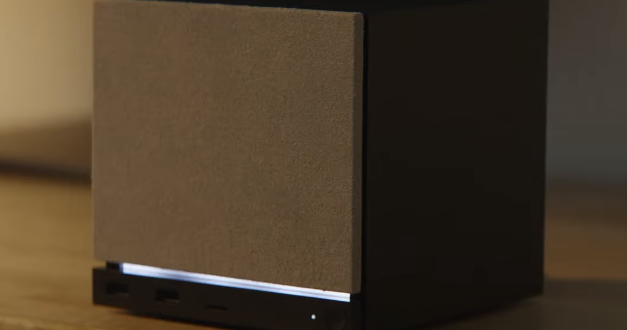
However, the transition is not as seamless as installing a standard Windows update. Valve has explicitly stated that the wireless driver is not natively active during the initial Windows installation wizard. This creates a "chicken-and-egg" scenario: users must have a wired Ethernet connection—likely requiring a USB-C to Ethernet adapter—to finalize the installation and download the necessary wireless drivers.
Chronology: From Closed Ecosystem to Open Windows
To understand the weight of this announcement, one must look at the trajectory of Valve’s hardware philosophy over the past few years.
Phase 1: The SteamOS-First Strategy
Since the inception of the Steam Machine, Valve focused exclusively on its proprietary SteamOS, a Linux-based operating system designed to provide a console-like interface. This was intended to remove the friction of the Windows desktop experience, providing a "pick-up-and-play" environment that prioritized performance and battery efficiency.
Phase 2: Growing Demand for Windows
As the hardware gained popularity, a vocal segment of the user base began demanding Windows support. The primary driver for this request was compatibility: while Proton (Valve’s compatibility layer) is remarkably efficient, certain anti-cheat software suites and specific niche applications remain incompatible with Linux. Enthusiasts began experimenting with custom Windows installations, often resulting in broken features or poor hardware optimization.
Phase 3: The Official Intervention
Recognizing that a growing portion of its user base was already attempting to bridge the gap, Valve decided to provide official support. By releasing these drivers, Valve is attempting to formalize what was previously a "wild west" of community-led software hacks, ensuring that those who choose to abandon SteamOS can at least have a stable hardware foundation.
The Technical Reality: Why Dual-Boot is Missing
Perhaps the most critical aspect of Valve’s announcement is the absence of dual-boot support. In the current configuration, installing Windows requires a complete wipe of the internal storage drive.
The Implications of a Single-OS Strategy
For the average user, this creates a high barrier to entry. Transitioning to Windows 11 means losing the native, highly optimized SteamOS interface entirely. Users cannot simply "switch" back and forth between the two operating systems upon reboot.
Technically, this limitation stems from the complexity of the Steam Machine’s bootloader and partition management. Developing a seamless dual-boot solution requires extensive engineering to ensure that the partition table remains intact and that the firmware can gracefully handle the handoff between two distinct OS environments. Valve has confirmed that concurrent support is currently in development, but no timeline has been provided for its release.
Official Stance and Support Policies
Valve has made its position on this transition exceptionally clear: Windows installations are currently outside the scope of official technical support.
When a user opts to install Windows 11, they are effectively moving into an unsupported territory. If a user encounters "blue screens of death," driver conflicts, or software-hardware incompatibility, Valve’s customer service representatives will be unable to provide granular assistance. This "use at your own risk" policy is standard in the tech industry, but it serves as a stern warning for those who might view the Steam Machine as a primary workstation.
Valve’s support documentation highlights that while the hardware is capable of running Windows, the optimization provided by SteamOS is non-transferable. Users should expect a different battery life profile, potential issues with sleep/resume states, and a higher overhead on system resources compared to the lean, optimized Linux environment.
Implications for the Ecosystem
The move to support Windows 11 has profound implications for the future of handheld gaming hardware.
1. The Death of the "Walled Garden"
By facilitating the transition to Windows, Valve is implicitly acknowledging that its hardware is powerful enough to function as a general-purpose computer. This strengthens the appeal of the Steam Machine for users who want a device that can do more than just play games—such as light video editing, office work, or accessing game stores that are not native to Linux (like the Epic Games Store or Xbox Game Pass).
2. Competitive Pressure
Competitors in the handheld space have long marketed Windows compatibility as a key differentiator. By officially embracing Windows, Valve is neutralizing this competitive advantage, effectively telling the market: "You can have our hardware, and you can choose the software that suits you best."
3. The Future of SteamOS
Some analysts have expressed concern that this move might dilute the SteamOS brand. If everyone switches to Windows, the incentive for developers to optimize their games for Linux/Proton decreases. However, Valve’s continued focus on SteamOS suggests that they view Windows as a fallback, not a replacement.
Conclusion: Is the Switch Worth It?
For the majority of users, the current answer is "not yet." The lack of a dual-boot mechanism, combined with the loss of the refined SteamOS interface and the lack of official technical support, makes the transition a significant gamble.
However, for power users, tinkerers, and those who require specific Windows-only software, this driver release is a massive win. It unlocks the potential of the Steam Machine’s hardware in a way that was previously gated by software restrictions.
As Valve continues to refine its driver packages and works toward a functional dual-boot implementation, the Steam Machine may eventually become the ultimate "do-it-all" device. Until then, those who choose to make the leap should do so with a full backup of their SteamOS environment and a clear understanding that they are entering the realm of the early adopter.
The Steam Machine has always been about gaming freedom; with this latest development, Valve is handing the keys to the kingdom over to the user—even if those keys currently open a door that leads to a much more complex environment.
Supplemental: A Brief Look at July’s Xbox Game Pass
While Valve is busy with driver updates, the broader gaming industry continues to churn. Microsoft recently announced the July lineup for Xbox Game Pass, headlined by the highly anticipated Tony Hawk’s Pro Skater 1+2. This serves as a reminder of why many users are clamoring for Windows support on handhelds; services like Game Pass are fundamentally easier to access in a native Windows environment, further fueling the demand for the very drivers Valve just released.