

Introduction: The Secret Life of Yufuin’s Early Summer
When travelers envision Yufuin, the iconic imagery of the Oita River—brimming with vibrant spring cherry blossoms and golden canola flowers—often dominates the narrative. While that spectacular display remains a quintessential highlight of the region, the true, unfiltered soul of Yufuin reveals itself in the "season of fresh greenery." As the heat of early summer begins to settle, the town undergoes a verdant transformation.
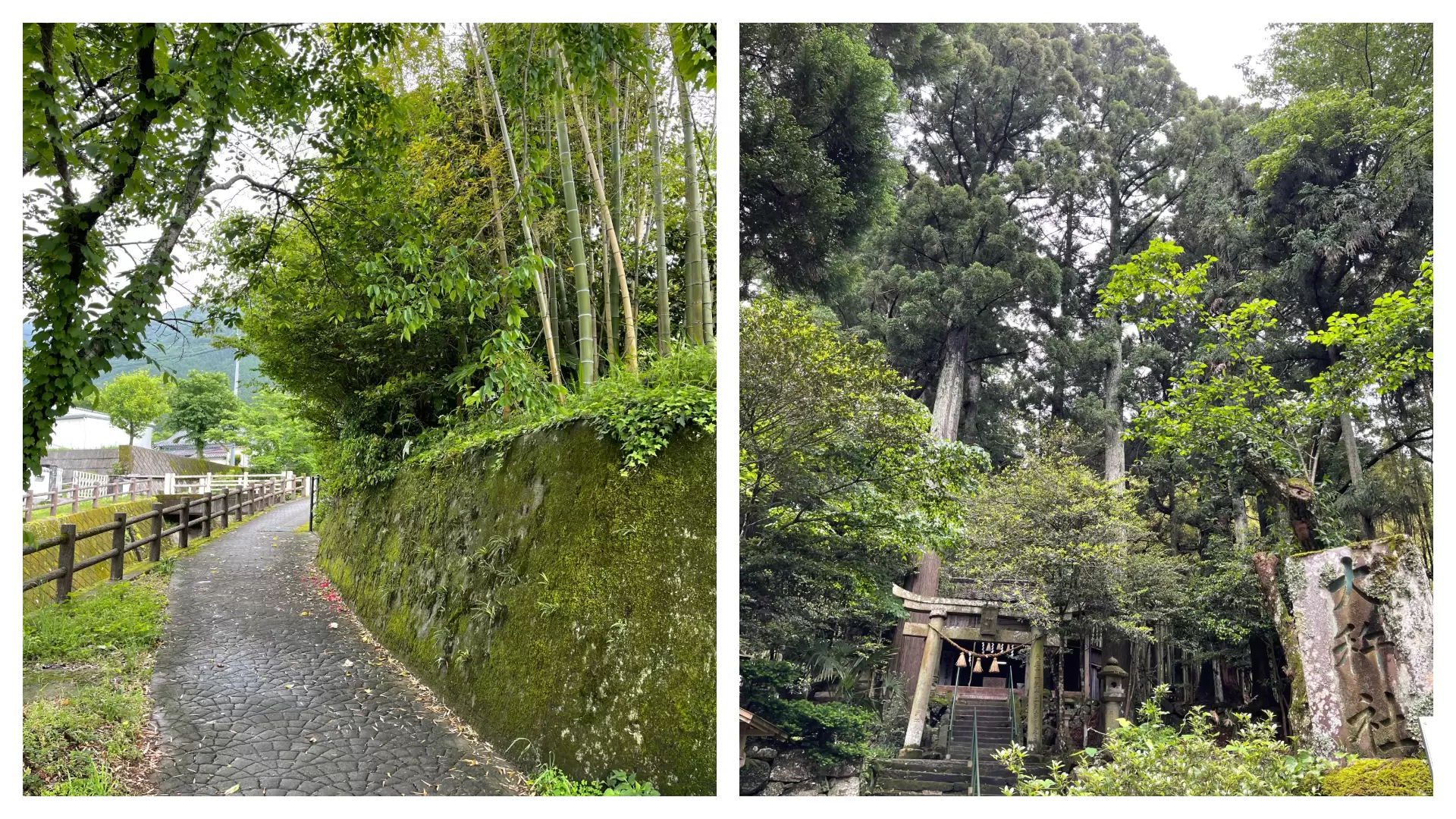
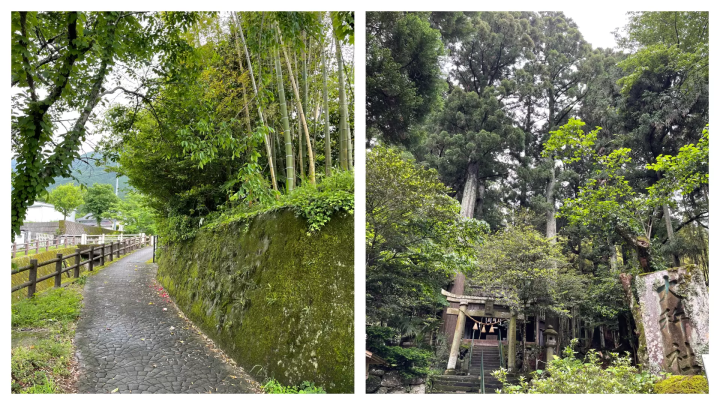
Beyond the bustling tourist hubs of Yunotsubo Kaido Street lies a quieter, more intimate world. Here, the landscape is defined by moss-covered cobblestone paths, rustling bamboo groves, and ancient forests. This is an invitation to stray from the paved, commercial paths and embark on a "backstreet wildflower tour," where the artistry of nature replaces the intentional curation of human landscaping.
The Chronology of Verdancy: How the Season Unfolds
The transition into early summer in Yufuin is not merely a change in temperature, but a rhythmic shift in the local ecosystem.
- Late Spring (The Awakening): As the final frost fades from the shadow of Mt. Yufu, the soil warms, allowing dormant seeds carried by the wind to germinate in the most unlikely places.
- Early Summer (The Flourishing): By mid-May and June, the town’s drainage ditches, rocky crevices, and railway embankments erupt in a spontaneous display of color. This is the period when the "natural gallery" is most active.
- Mid-Summer (The Maturation): The plants that survived the initial sprout begin to harden, their roots digging deep into the stone foundations of Yufuin’s historic homes, creating a symbiotic relationship between architecture and nature.
Supporting Data: The Biodiversity of the Unintended Garden
Unlike the manicured flower beds of public parks, the flora found along Yufuin’s backstreets is characterized by its resilience. Observations from the field reveal a surprising diversity of species thriving in "neglected" zones.
The Botanical Roster
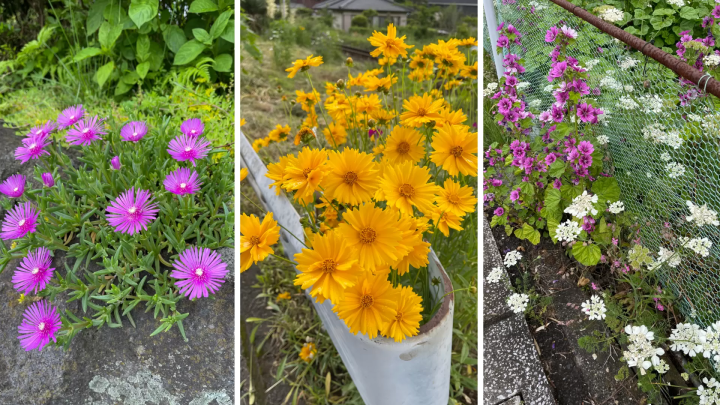
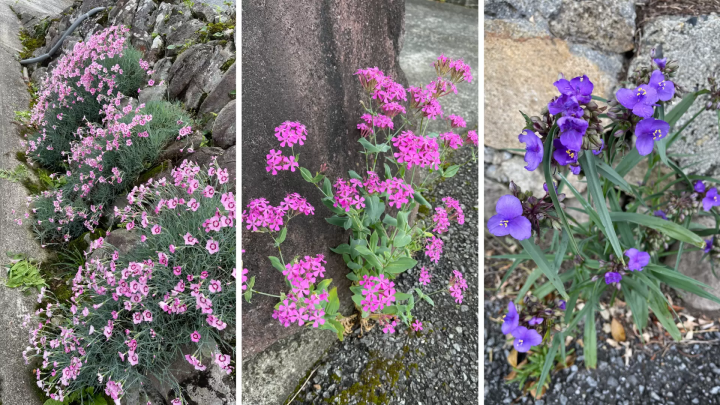
- Rocky Crevices: Tiny, resilient species like the Perennial Dianthus and Catchfly often emerge from the smallest fissures in traditional Ishigaki (stone walls). These plants have evolved to survive with minimal soil, drawing nutrients from the mineral-rich stone.
- Railway Slopes: Areas along the tracks, which see little human foot traffic, serve as a sanctuary for Large-flowered Coreopsis. These yellow blossoms absorb the warmth of the sun reflected off the gravel, creating a radiant corridor of gold.
- Shaded Corridors: In the damp, cool shade of old timber-framed houses, one finds Tradescantia virginiana (Spiderwort) and various ferns. These plants thrive in the humidity trapped by the dense foliage of maple trees.
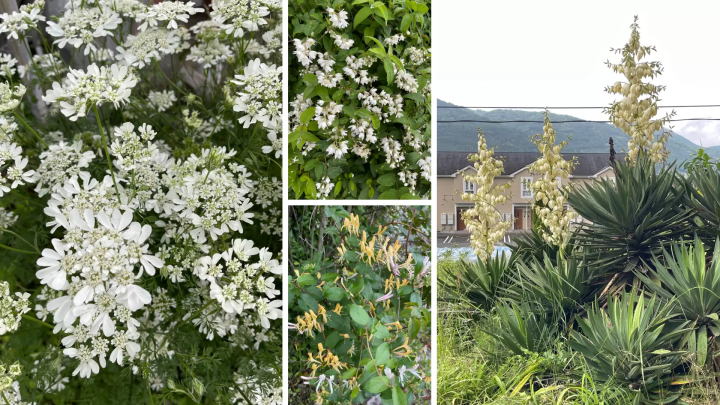
- Open Paddy Paths: Near the rice fields, the landscape is punctuated by white, lace-like Orlaya and the creeping, fragrant Honeysuckle, which acts as a natural air freshener for wandering pedestrians.
The "Natural Gallery": Implications of Spontaneous Growth
The presence of these wildflowers is a testament to the environmental health of Yufuin. The fact that these plants bloom without human intervention—no fertilizers, no daily watering, and no strategic pruning—speaks to the richness of the local soil and the consistent moisture provided by the mountain air.
The Philosophy of the "Weed"
What modern city planning might classify as "weeds" are, in the context of Yufuin, considered "natural relics." These plants represent a biological history of the region. Seeds carried by the wind and rain settle in cracks, creating a landscape that is constantly shifting and evolving. This represents a "newly created gallery" that changes daily, offering a different visual experience for the observant visitor.
Official Perspective: The Yufu City Tourism Bureau’s Vision
The Yufu City Tourism Bureau, which oversees the promotion of the area, emphasizes that the true value of Yufuin lies in its "slow tourism" potential.
"We encourage visitors to look beyond the souvenir shops," says a representative from the Bureau. "The authentic Yufuin experience is found in the silence of the backstreets, the sound of the wind through the bamboo, and the sight of a wildflower thriving in a stone wall. This is a fragile, beautiful ecosystem that we invite our guests to respect and admire."
Implications for Future Tourism
By promoting the backstreets, the local government aims to alleviate congestion on the main thoroughfares while fostering a deeper connection between visitors and the environment. This shift toward "mindful walking" encourages a longer stay duration, as tourists stop to observe details they would otherwise miss while rushing toward the next major attraction.
A Sensory Exploration: Tips for the Backstreet Walker
For those looking to engage in this meditative practice, the following guidelines are recommended:
- Ditch the Map: The best backstreet discoveries are serendipitous. Follow the narrow paths that branch off from the main road near the railway tracks or the edges of the rice paddies.
- Look Down: Much of the beauty is at foot level. The contrast between the grey, damp cobblestones and the vibrant purples, pinks, and yellows of the wildflowers is where the true aesthetic impact lies.
- Engage the Senses: Beyond the visual, listen for the murmur of irrigation streams and the birdsong that is often drowned out on the main street. The scent of honeysuckle and damp earth provides a grounding experience that connects the walker to the terroir of Yufuin.
- The Mountain Backdrop: Never forget to look up. The sight of a delicate white flower in the foreground framed against the towering, majestic silhouette of Mt. Yufu provides a sense of scale—a reminder of the immense natural power that nurtures these tiny lives.
Conclusion: The Essence of Yufuin
Ultimately, the allure of Yufuin is not confined to its hot springs or its luxury ryokans. It is found in the quiet persistence of nature. When you stand on a dirt path, listening to the wind and observing a small blossom that has managed to thrive against the odds, you are witnessing the "true essence" of the town.
It is a reminder that in our fast-paced lives, beauty is often waiting in the quietest corners. Whether it is the soft pink of a Dianthus clinging to a rock or the cream-colored bell-shaped blossoms of a rose watching over an alleyway, these sights offer a form of soul-soothing that no souvenir can replicate. As you prepare to leave Yufuin, take with you not just the memories of the shops and the steam, but the image of the wildflowers—the silent, resilient guardians of Yufuin’s hidden backstreets.












No comments yet. Be the first to join the conversation!