

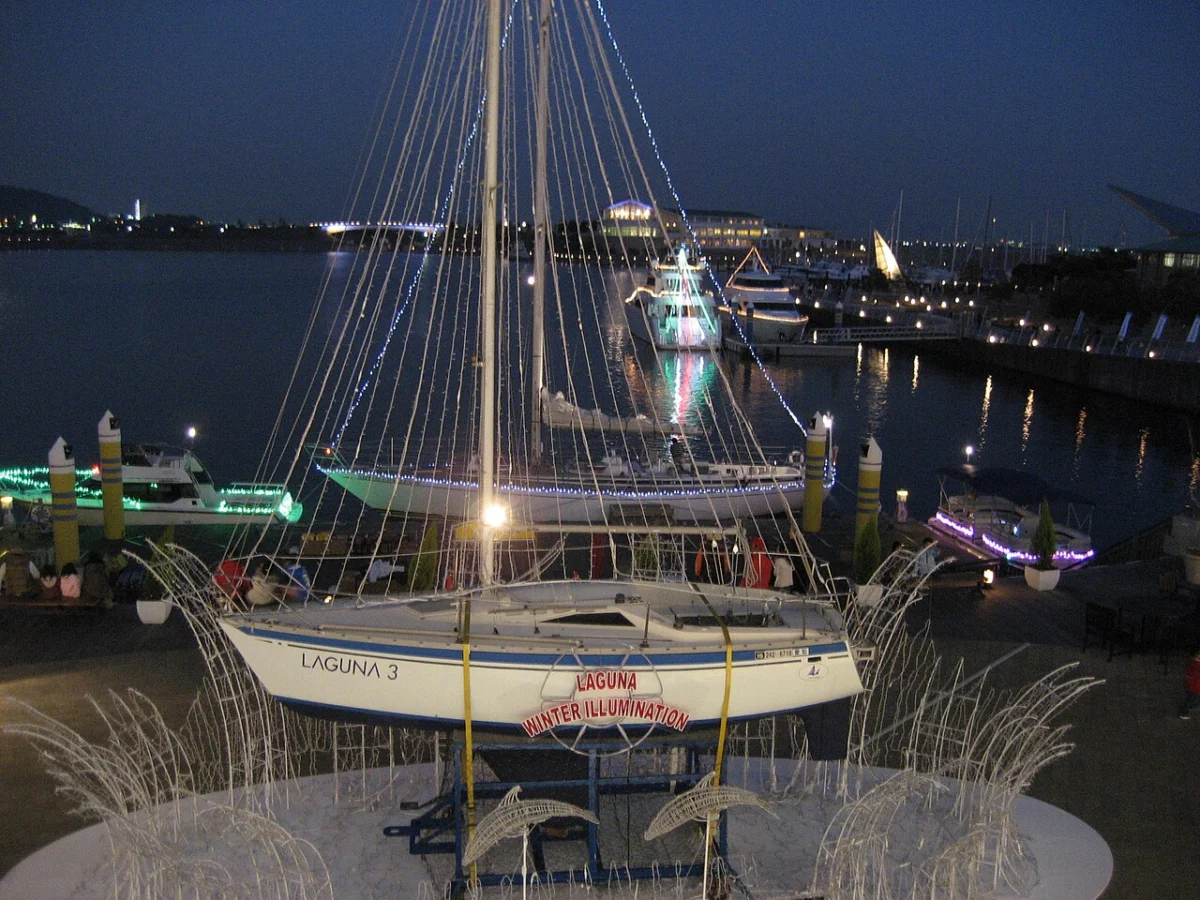
Nestled along the serene coastline of Mikawa Bay in Aichi Prefecture, roughly 30 kilometers southeast of Nagoya, lies a maritime resort complex that defies easy categorization. Known formerly as Laguna Gamagori and rebranded in 2015 as Laguna Ten Bosch, this destination offers a distinct alternative to the high-octane, intellectual-property-heavy environments of Tokyo Disneyland or Universal Studios Japan.
For the uninitiated traveler, Laguna Ten Bosch presents a curated synthesis of Mediterranean-inspired architecture, marine-themed amusement, and authentic local commerce. It serves as a compelling case study in Japanese regional tourism—a place where the artificiality of a theme park meets the genuine, bustling reality of a working fishing fleet.
Main Facts: The Resort Profile
Laguna Ten Bosch is a multi-faceted destination designed to cater to families, couples, and those with a penchant for unique architectural design. Unlike the colossal theme parks that dominate the national conversation, Laguna is scaled for intimacy and accessibility.
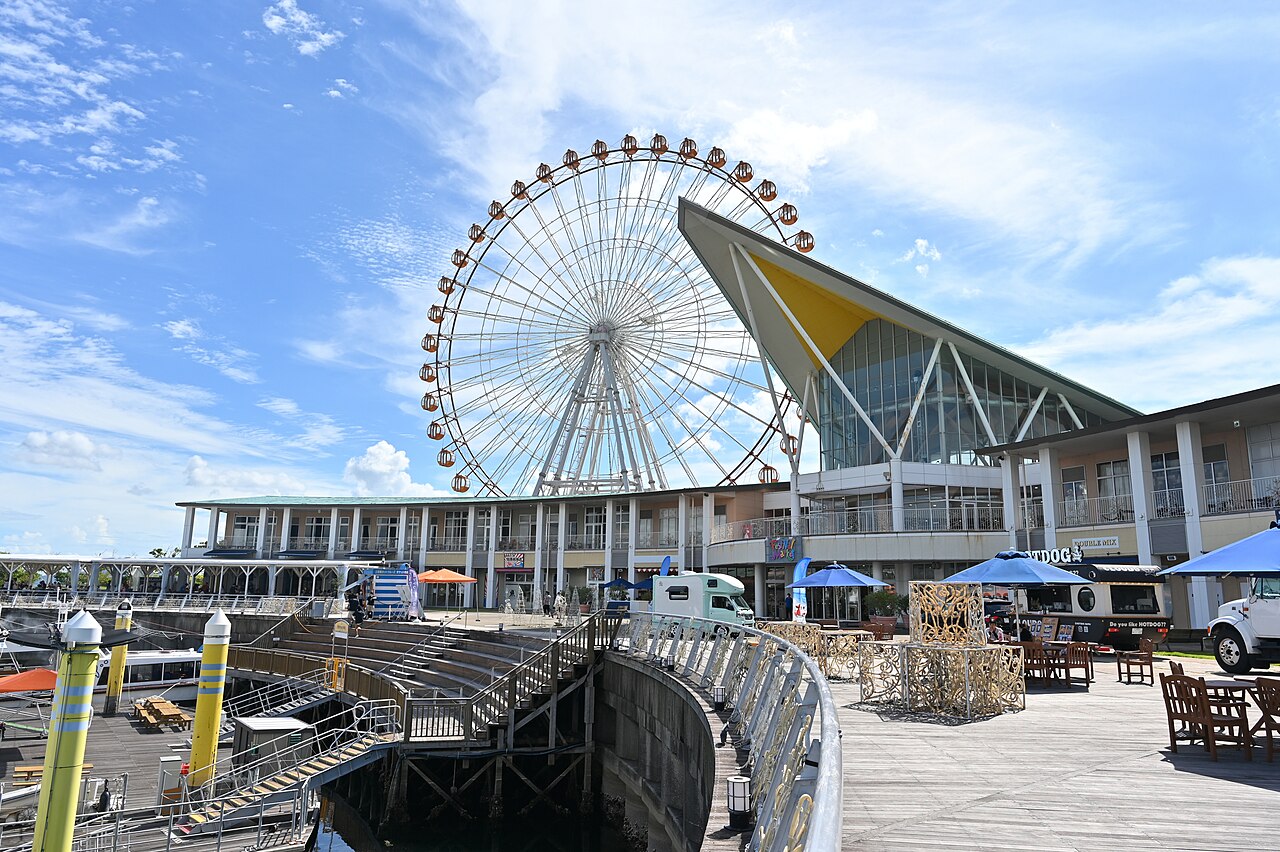
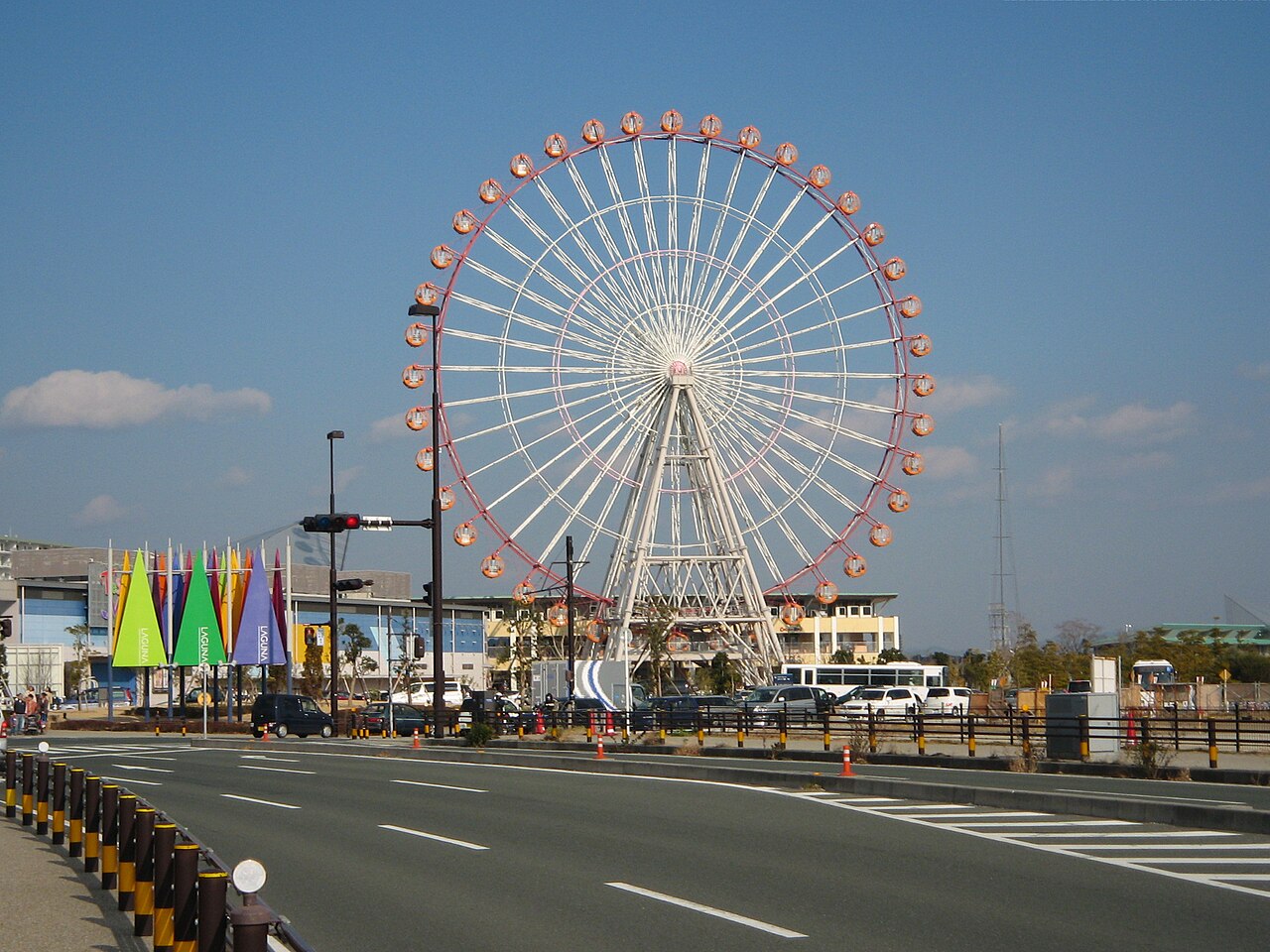
The resort is anchored by Lagunasia, an ocean-themed amusement park that features 23 rides, including four distinct roller coasters and an iconic 65-meter Ferris wheel that offers panoramic vistas of the Mikawa Bay coastline. During the summer months, the facility expands its footprint to include a sprawling water park, complete with a 230-meter lazy river.
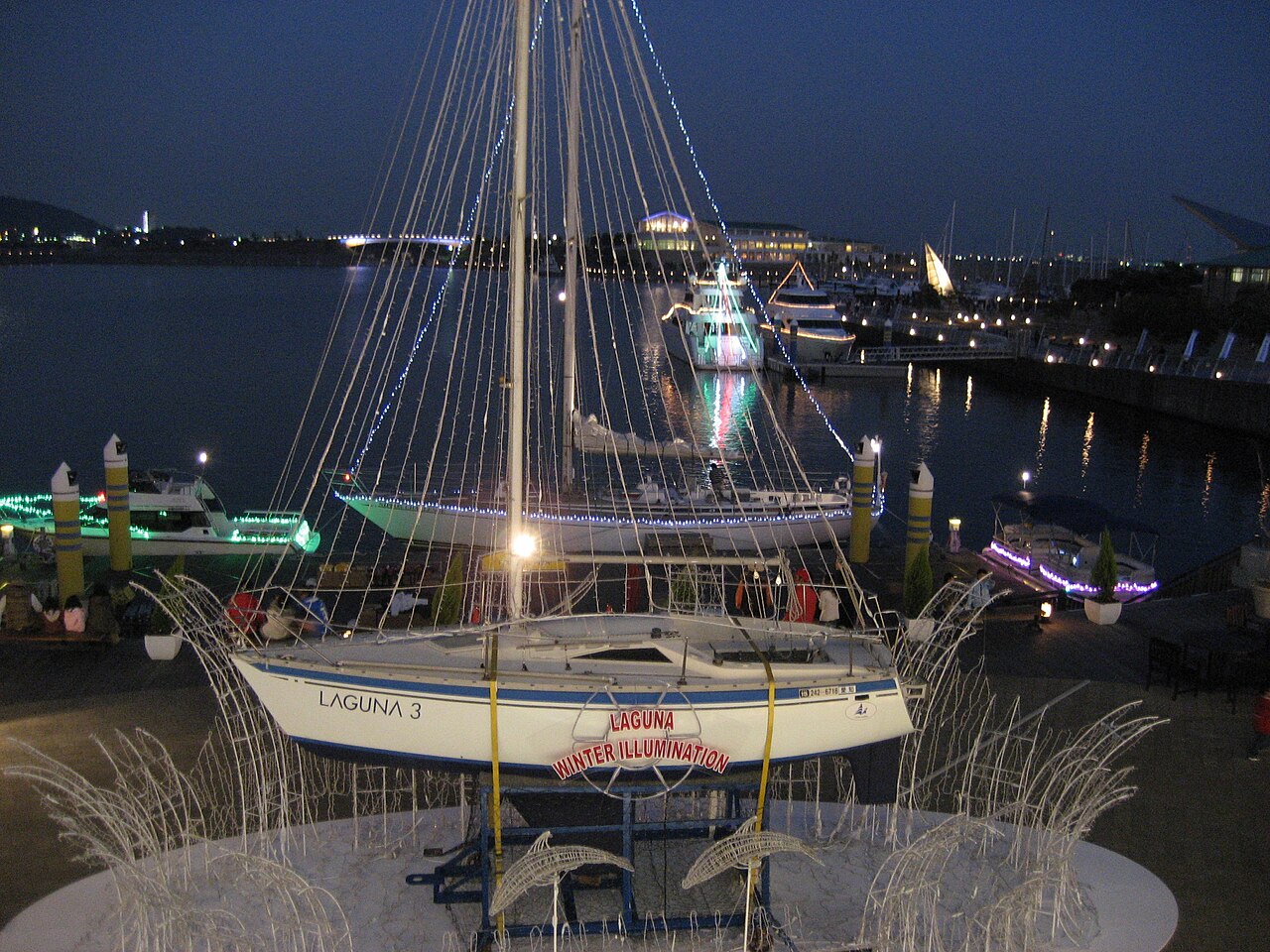
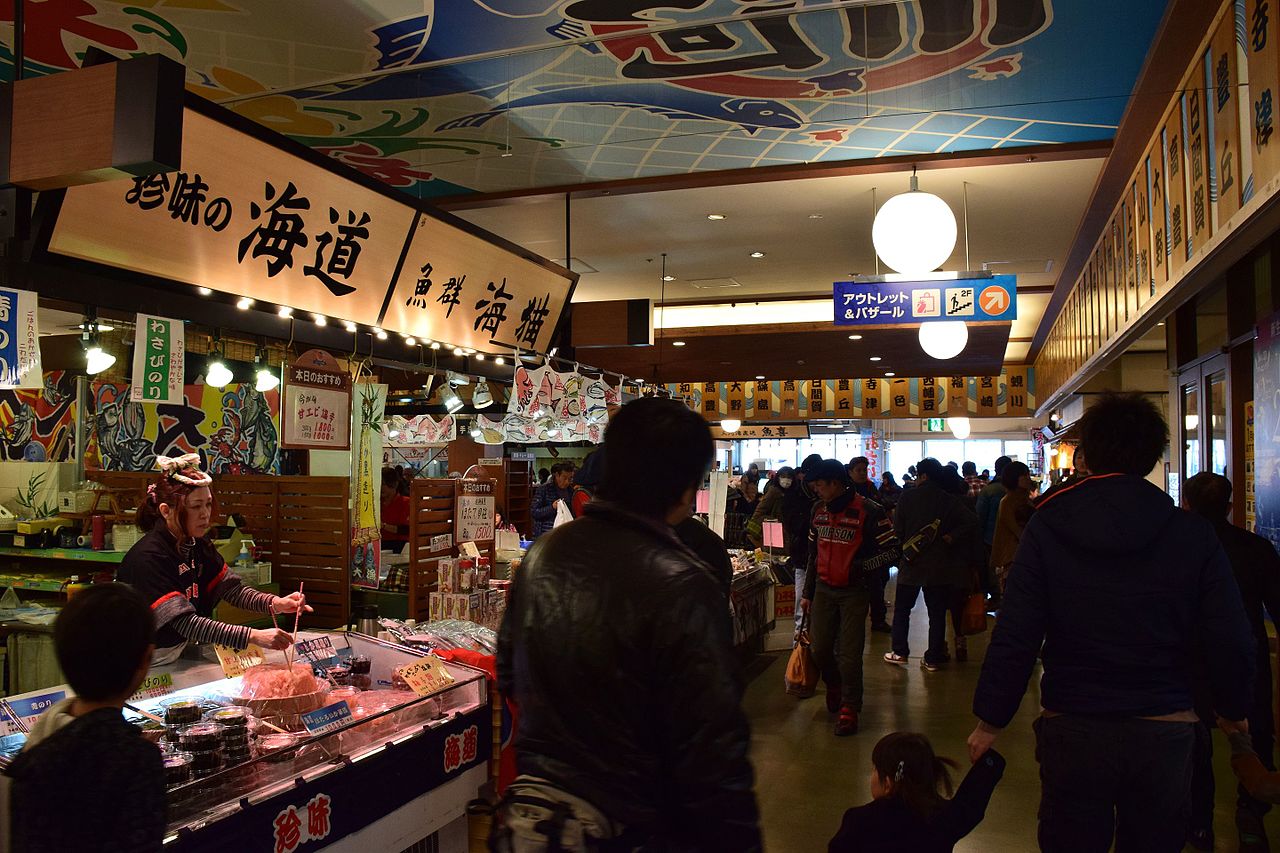
Complementing the thrill-seeking side of the resort is the Festival Market, a shopping and dining complex that bridges the gap between tourist kitsch and local utility. Here, visitors can browse mid-range Japanese brands or engage with the true highlight: the fresh-fish market. This is not merely a display for tourists; the Gamagori fishing fleet lands its daily catch here, providing a direct pipeline from the ocean to the plate.
For those looking to extend their stay, the resort features the Laguna Resort Spa Thalassa, a hotel that leverages the local marine environment through its specialized balneotherapy programs, utilizing heated seawater and mineral-rich treatments to offer a level of relaxation rarely found in traditional city-center hotels.
Chronology: From Industrial Reclamation to Leisure Destination
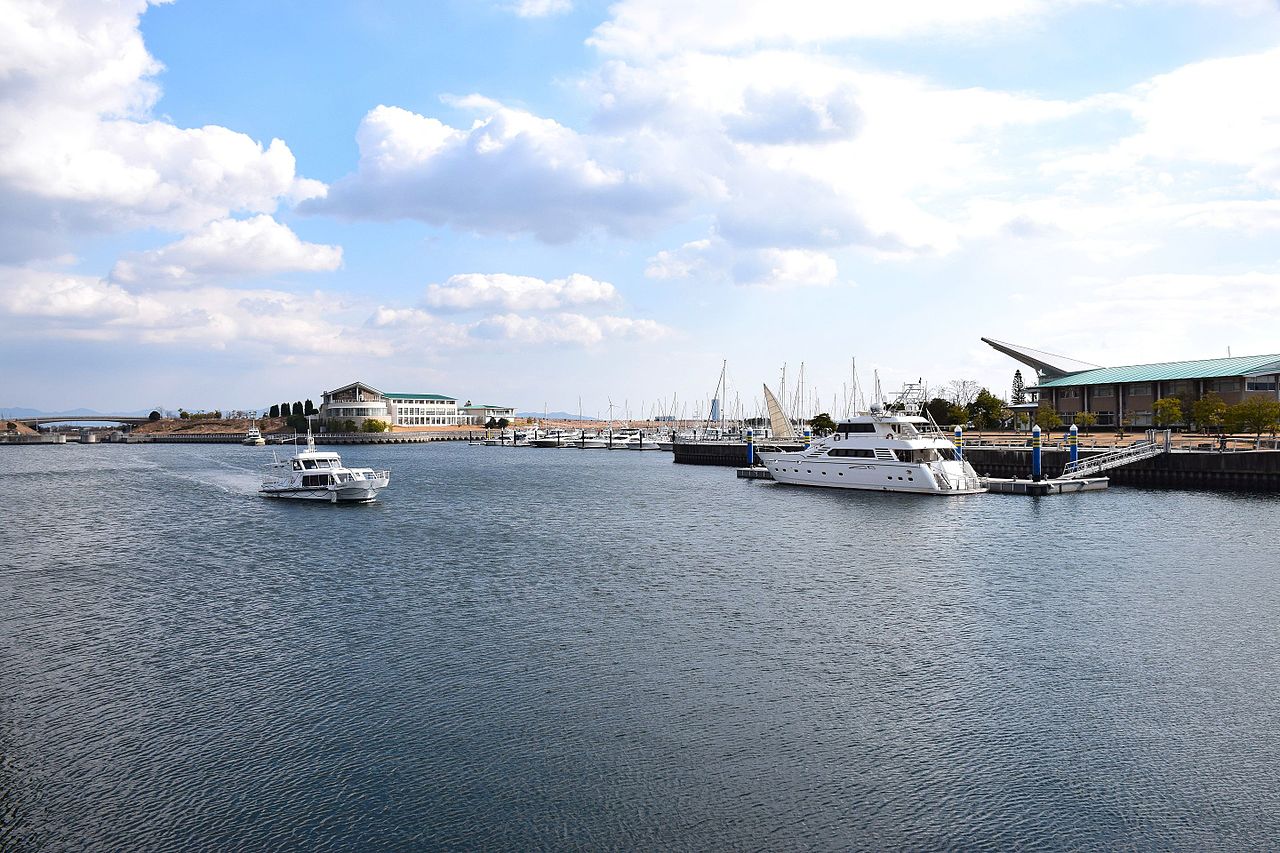
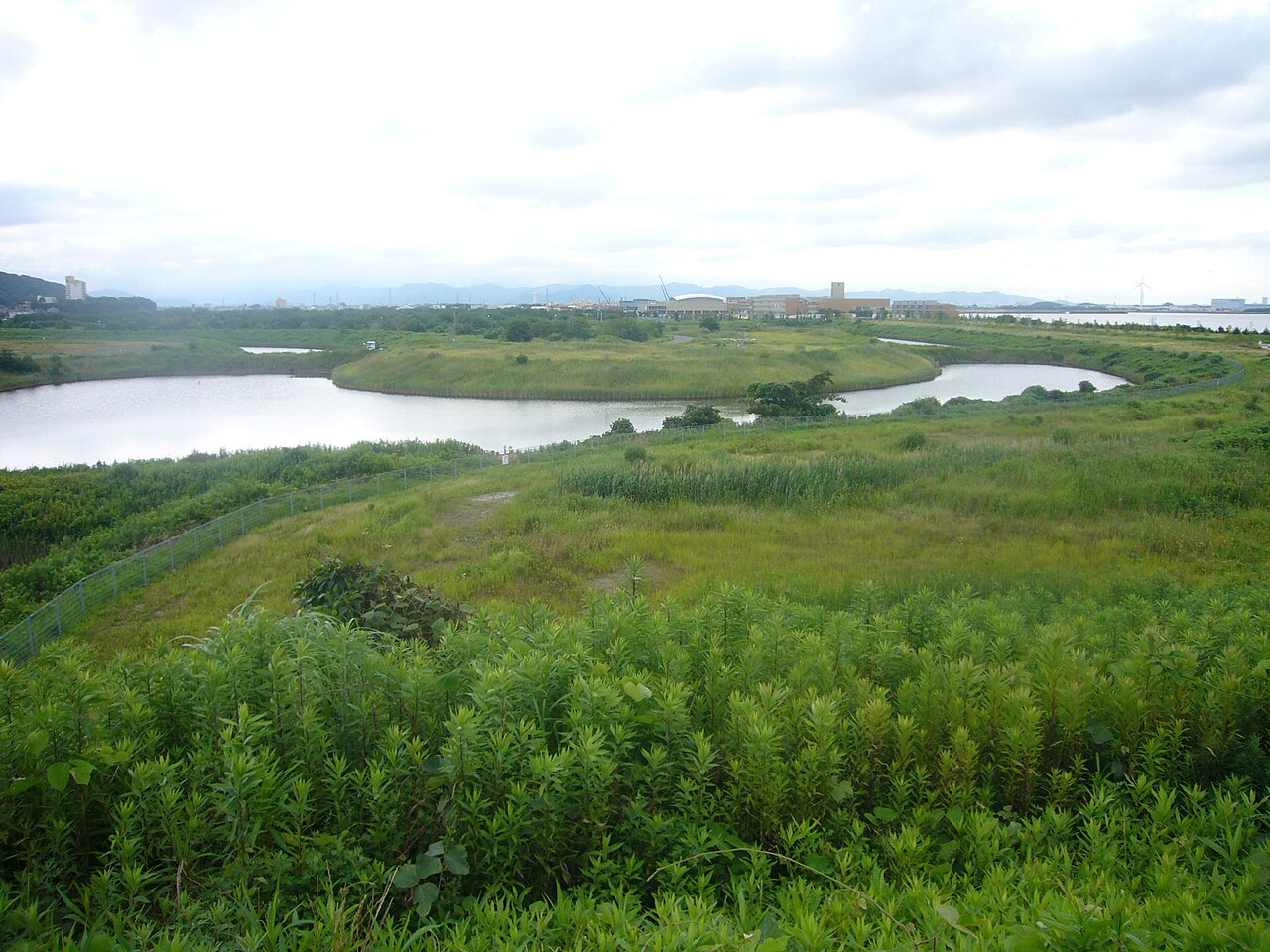
To understand the aesthetic and purpose of Laguna Ten Bosch, one must look back to its origins. The project was inaugurated in 2002 under the name Laguna Gamagori, a development led by a Toyota-affiliated arm of the Mitsubishi real estate group. At the time, the vision was ambitious: to transform reclaimed industrial land on the Mikawa Bay coast into a "total ocean resort."
The mid-2000s were a period of peak interest in the "all-inclusive" leisure model in Japan, and the developers sought to bundle a theme park, a luxury marina, an outlet mall, and an onsen hotel into one cohesive package. However, the economic climate of the 2000s and early 2010s proved challenging for such a high-overhead model.
By 2014, the original ownership structure had effectively divested from the property. The park was subsequently acquired by H.I.S. Holdings, the massive travel-agency-and-leisure conglomerate. H.I.S. brought a new strategic vision to the property, rebranding it as Laguna Ten Bosch in 2015. This was not a random choice; it was a deliberate alignment with the company’s other crown jewel: the Huis Ten Bosch theme park in Nagasaki.
The rebranding sought to transplant the successful "Dutch-harbor-town" aesthetic of the Nagasaki park into the Aichi region. Visitors today will notice deliberate thematic echoes—windmills, canal-inspired architecture, and the presence of "Hapira-chan," the resort’s mascot—which provide a sense of place that, while not historically Japanese, offers a charming, cohesive visual language.
Supporting Data: Infrastructure and Experience
The resort’s footprint is carefully divided into four functional zones that manage to keep visitors moving without the claustrophobia of larger parks.
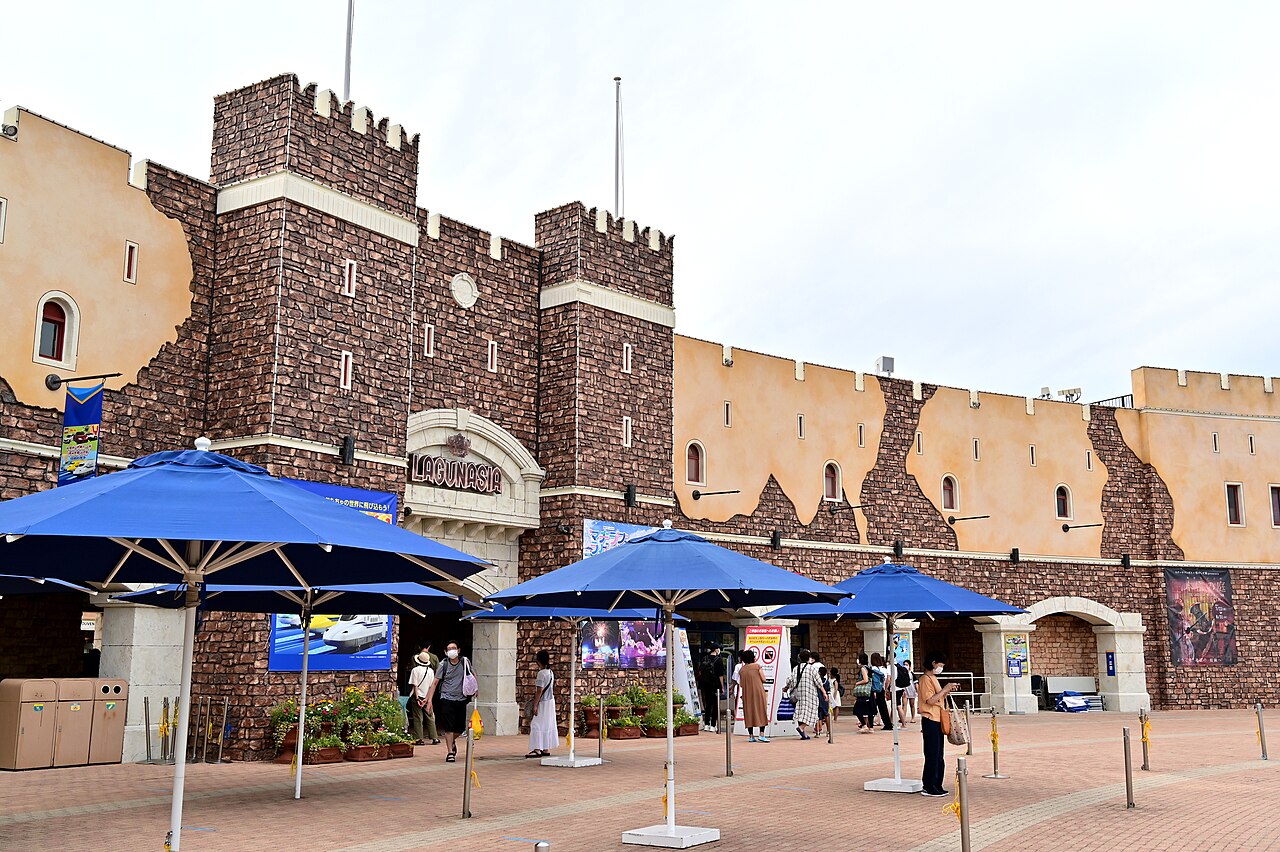
- Lagunasia (The Core): With a theme loosely labeled "The Silk Road of the Sea," this area focuses on visual consistency rather than deep immersion. Key attractions include Aqua Wind, a 1999 Maurer Söhne steel coaster that, while modest in size, provides a thrilling ride over the bay’s edge. The Legend of Labyrinth, an interactive shooting dark ride added in 2017, highlights the management’s recent commitment to technological engagement.
- The Water Park: Seasonal in nature (early July to early September), this zone maximizes the resort’s coastal location. Its inclusion in a combined "Passport" for approximately ¥4,990 makes it one of the best-value summer leisure packages in central Japan.
- Festival Market: This is the commercial heart of the resort. Unlike the theme park, this area is free to enter, encouraging local foot traffic. The market provides a necessary revenue stream for the local fishing industry, offering sashimi-grade seafood at prices that satisfy both the casual tourist and the discerning foodie.
- Thalassa Spa: A dedicated facility that separates the resort from standard amusement parks, offering seawater pools and wellness therapies. It elevates the site from a "one-day stop" to a destination for weekend retreats.
Official Responses and Strategic Positioning
Management at H.I.S. Holdings has been clear about their positioning: Laguna Ten Bosch is not designed to compete with the sheer scale of Nagashima Spa Land or the global brand power of Universal Studios. Instead, they have leaned into being the "accessible regional favorite."
By keeping entry prices (around ¥3,990 for an all-inclusive passport) significantly lower than national competitors, the resort has secured its status as a staple for Nagoya-based families. Officials point to the park’s low wait times—averaging under 20 minutes for major rides on non-holiday weekdays—as a key competitive advantage. While enthusiasts might prefer the high-octane coaster collections of Nagashima, the average parent with a child aged 4–10 often prefers a park where they can experience 10+ attractions without the soul-crushing queues of a major metropolis park.
Furthermore, the park’s commitment to "English-lite" support is a pragmatic choice. While signage is bilingual and staff are trained to assist, the park remains primarily a domestic product. This lack of over-tourist-ification contributes to the "authentic Japanese resort town" feeling that appeals to repeat visitors.
Implications: The Future of Mid-Sized Tourism
What does the existence of Laguna Ten Bosch imply for the broader Japanese tourism sector? It serves as a successful model for how to revitalize underperforming real estate through a mix of niche-market targeting and local integration.
- The "Local-First" Strategy: By integrating the fish market and the marina, the park has become an anchor for the local Gamagori economy. It is not just an island of entertainment; it is a hub for the regional supply chain.
- The Hybrid Model: The success of the "Passport" system, which bundles the theme park with seasonal water park access, demonstrates that flexibility is key to maintaining year-round relevance.
- The Complementary Role: Laguna Ten Bosch has effectively positioned itself as the "third option" for travelers in the Nagoya area. It is the perfect half-day trip to balance out a two-day itinerary that might otherwise focus on the industrial heritage of Nagoya or the temples of Kyoto.
Is It Worth the Trip?
The answer, as always, depends on the traveler’s intent. For the international tourist seeking the "big ticket" Japanese experience, Laguna Ten Bosch is likely an unnecessary detour. However, for those already based in Nagoya, or for the traveler interested in the nuance of Japanese domestic tourism, it is a rewarding experience.
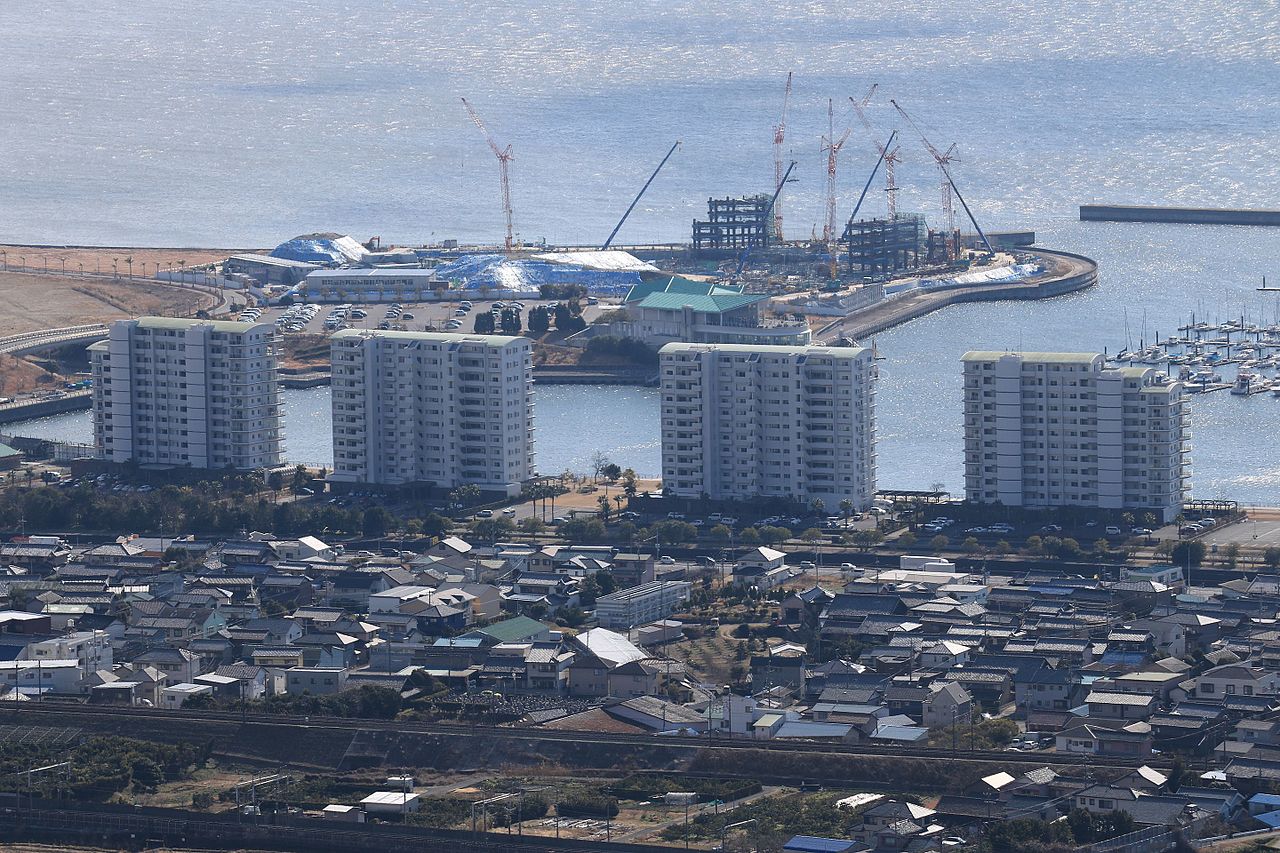
The resort represents a specific, comfortable, and well-maintained slice of Japanese leisure life. It is where you can ride a coaster overlooking the Pacific, eat fresh-caught mantis shrimp, and relax in a saltwater spa, all within the span of a few hours. For families, the value proposition is undeniable. For others, it remains a fascinating, well-executed case study in the art of the regional resort.
Ultimately, Laguna Ten Bosch proves that a destination does not need to be the biggest in the world to be the most enjoyable. By focusing on its strengths—short lines, fresh local food, and a relaxed, Mediterranean-inspired atmosphere—it has carved out a permanent, peaceful niche on the shores of Mikawa Bay.












No comments yet. Be the first to join the conversation!