

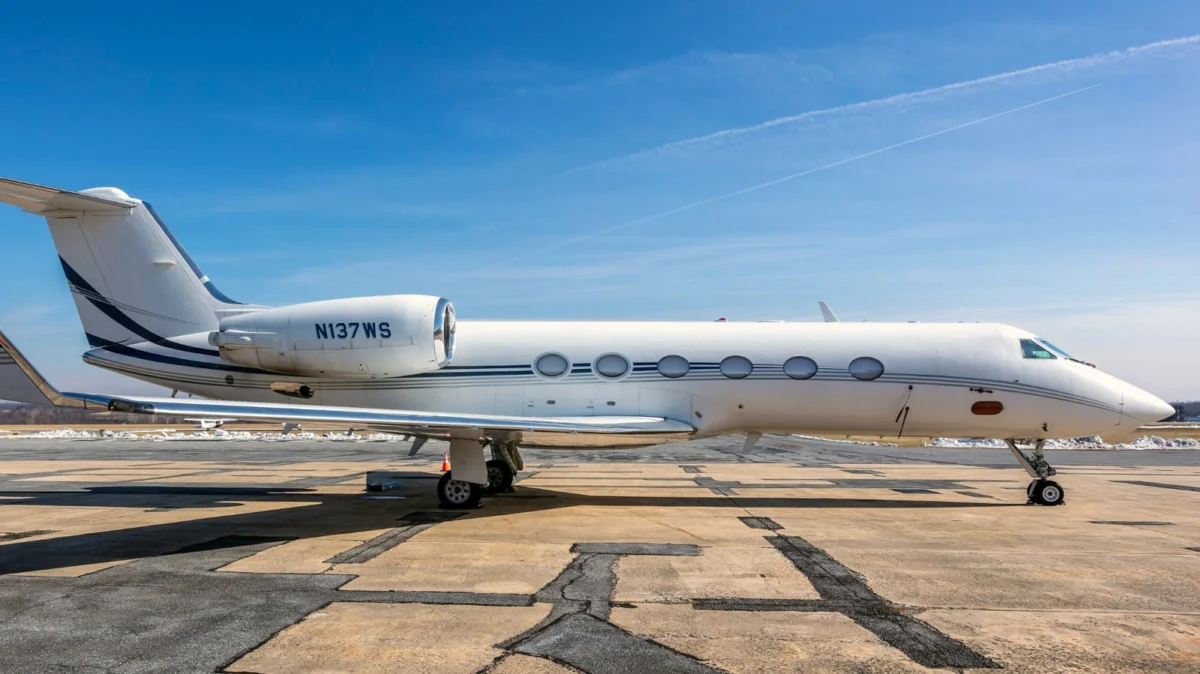
In the rarified world of ultra-high-net-worth individuals, the private jet is more than a mere mode of transportation; it is a mobile boardroom, a sanctuary from the public eye, and the ultimate marker of success. While modern aviation has ushered in the era of the G800 and the G650, one specific airframe remains a cultural touchstone: the Gulfstream IV (GIV).
Though its production lines went silent decades ago, the GIV continues to serve as a cornerstone of the private aviation sector. From Hollywood A-listers to legendary athletes, the GIV represents a perfect marriage of robust engineering and iconic design. This article explores why this vintage powerhouse maintains its grip on the imaginations—and fleets—of the world’s wealthiest people.
Main Facts: The Anatomy of an Icon
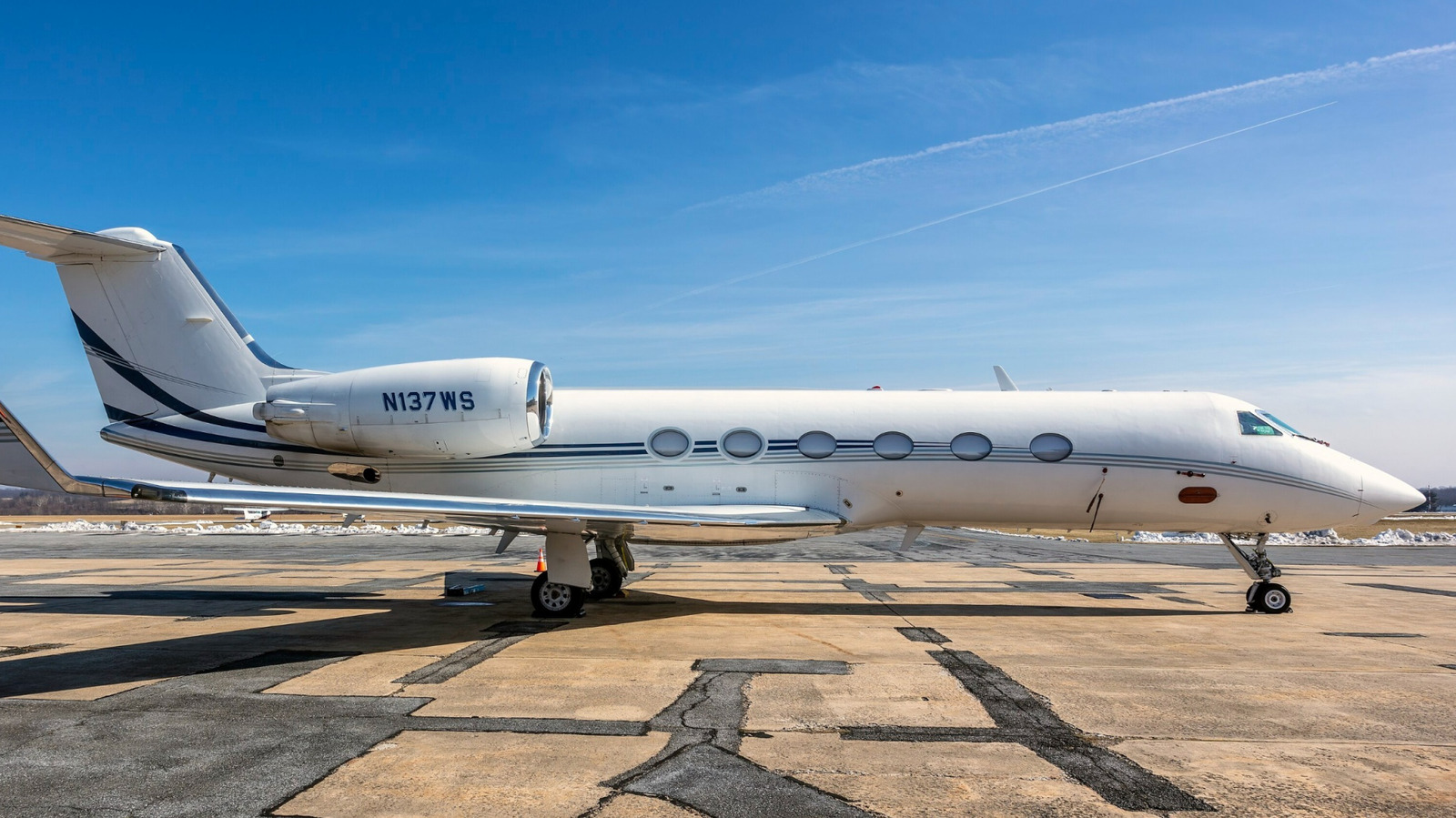
The Gulfstream IV family represents a pivotal moment in business aviation. When it first took to the skies in the mid-1980s, it redefined the expectations for a corporate jet. Powered by a pair of Rolls-Royce Tay 611-8 engines, the GIV provided 27,700 pounds of combined thrust, allowing for a cruising speed of Mach 0.80 and an impressive range of approximately 4,150 nautical miles.
Beyond raw performance, the GIV was engineered for comfort. It offered a cabin height and width that allowed for stand-up travel—a luxury that was transformative for business executives and celebrities who spent significant time in the air.
Key Technical Specifications
- Manufacturer: Gulfstream Aerospace
- Engine: Twin Rolls-Royce Tay 611-8 turbofans
- Max Speed: Mach 0.80
- Range: ~4,150 nautical miles
- Legacy: Predecessor to the GIV-SP (Special Performance), which introduced enhanced braking systems and higher maximum takeoff weight capabilities.
While newer models like the G800 boast a range of 8,200 nautical miles and speeds up to Mach 0.90, the GIV remains a cost-effective, reliable, and highly customizable platform for those who prioritize legacy prestige over the latest cutting-edge avionics.
A Chronology of Excellence
The history of the GIV is a story of continuous evolution. Introduced to the market in the late 1980s, the jet quickly became the preferred choice for Fortune 500 CEOs.
- 1987: The initial Gulfstream IV begins deliveries, signaling a shift toward more sophisticated, long-range private flight.
- 1993: Gulfstream launches the GIV-SP. This "Special Performance" variant addressed the market’s demand for increased payload, allowing owners to customize interiors more heavily without sacrificing flight range.
- Early 2000s: As the model matures, it begins to filter down into the celebrity market, becoming the "starter jet" for stars who transitioned from commercial travel to private ownership.
- 2006–Present: As owners upgrade to the G550 and G700 lines, the GIV remains in secondary markets, finding a new life as a vintage status symbol for those who appreciate its timeless silhouette.
Celebrity Fleets: Who Flies the GIV?
The decision to own a GIV is rarely just about logistics; it is a lifestyle choice. For many, these planes have become canvases for their personal brands.
Tom Cruise: The Pilot in the Cockpit
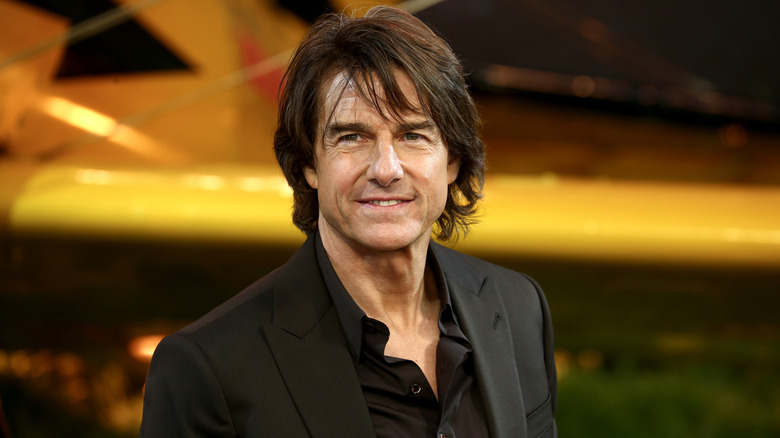
Tom Cruise is perhaps the most authentic enthusiast on this list. A licensed pilot with a passion for high-performance machinery, Cruise’s ownership of a Gulfstream IV is well-documented. During his marriage to Katie Holmes, the jet served as a shuttle for her film commitments, with Cruise famously acting as the pilot himself. The interior of his GIV has historically been reported to include a private cinema and, in a touch of true luxury, a small Jacuzzi.
Oprah Winfrey: From Commercial Woes to Private Luxury
Oprah’s transition to private ownership was sparked by a negative fan encounter at Chicago’s O’Hare Airport. Determined to regain her autonomy, she purchased her first GIV in 1991 for $25 million. While she eventually upgraded to a G700, her tenure with the GIV was marked by a bizarre 2005 incident where the plane was grounded following a suspected bird strike—which was later diagnosed as simple window fatigue. It serves as a reminder that even the most well-maintained private jets require rigorous upkeep.
Floyd Mayweather: "The Money Team" in the Clouds
Floyd Mayweather uses his Gulfstream IV (N305DG) as a rolling advertisement for his brand. Emblazoned with "Mayweather" in bold red and featuring the TMT (The Money Team) logo, the jet is a manifestation of his boxing success. His attention to detail is legendary, extending even to his pilots’ uniforms, which feature a "50-0" patch on the sleeve.
Dan Bilzerian: The Branding Maven
Dan Bilzerian utilized the GIV as a primary vessel for his "GOAT Airways" brand. His journey with the plane reflects the changing tastes of the ultra-wealthy: he famously had the aircraft painted in a sleek, all-black livery in 2020 to modernize the 1987 airframe, proving that even a three-decade-old plane can be made to look cutting-edge.
Alex Rodriguez: The Baseball Maestro
Alex Rodriguez’s history with the GIV highlights the practical necessity of private travel for high-profile athletes. Spending nearly three weeks a year in the air, Rodriguez outfitted his jet with everything from Limoges china to high-fidelity sound systems. For A-Rod, the GIV was a mobile base of operations that made his demanding business and media schedule possible.

Supporting Data: The Economics of Ownership
Owning a Gulfstream IV is a significant financial undertaking that extends far beyond the purchase price. Maintenance, pilot salaries, hangar fees, and fuel costs create an ongoing "burn rate" that requires serious capital.
| Expense Category | Estimated Annual Cost (High Range) |
|---|---|
| Fuel & Lubricants | $600,000 – $900,000 |
| Maintenance & Repairs | $300,000 – $500,000 |
| Crew Salaries (Pilot/Co-pilot) | $200,000 – $350,000 |
| Insurance & Hangarage | $100,000 – $150,000 |
Note: Figures are estimates based on annual flight usage of 300–400 hours.
The depreciation of these assets is offset by the utility they provide. For celebrities, the GIV is not an investment in the traditional sense; it is an investment in time—the most precious commodity for an A-lister.
Official Responses and Safety Considerations
Gulfstream Aerospace has consistently maintained a reputation for safety and durability. In response to industry trends, the company has emphasized that while the GIV is a legacy aircraft, its support network remains robust. Operators can still source parts and perform major overhauls through Gulfstream’s global network of service centers.

Industry experts note that the primary challenge for GIV owners today is the transition to modern avionics requirements. As air traffic control systems globally upgrade to digital standards, older analog cockpits must be retrofitted with NextGen avionics. This is a significant cost, but one that is necessary to ensure the aircraft remains flight-certified in major international hubs.
Implications: The Future of Legacy Aviation
What does the enduring popularity of the Gulfstream IV mean for the future of private aviation?
First, it signals a trend of "sustainable luxury." Instead of scrapping airframes, many owners are choosing to refurbish, repaint, and update the technology within their existing jets. This is not only a nod to sustainability but also a reflection of the GIV’s "good bones." The design has aged gracefully, and its cabin comfort still rivals many newer, smaller jets.
Second, it highlights the psychological aspect of ownership. For a celebrity, a Gulfstream is more than a tool; it is a private domain. The ability to customize a cabin—to add a bed, a cinema, or specific aesthetic flourishes—allows these stars to carry their personal identity with them across the globe.

Finally, the GIV serves as an entry point. For the next generation of billionaires and high-earners, the used GIV market provides a viable path to private aviation without the $70 million price tag of a brand-new G700. It is a bridge between the classic era of business travel and the high-tech future.
In conclusion, the Gulfstream IV is far more than a retired workhorse. It is a testament to the engineering brilliance of the 1980s and a persistent symbol of the celebrity lifestyle. As long as there are stars who need to travel in privacy and comfort, the "G4" will likely remain a fixture of the tarmac, commanding respect and attention wherever it lands.











No comments yet. Be the first to join the conversation!