Ali Ikhwan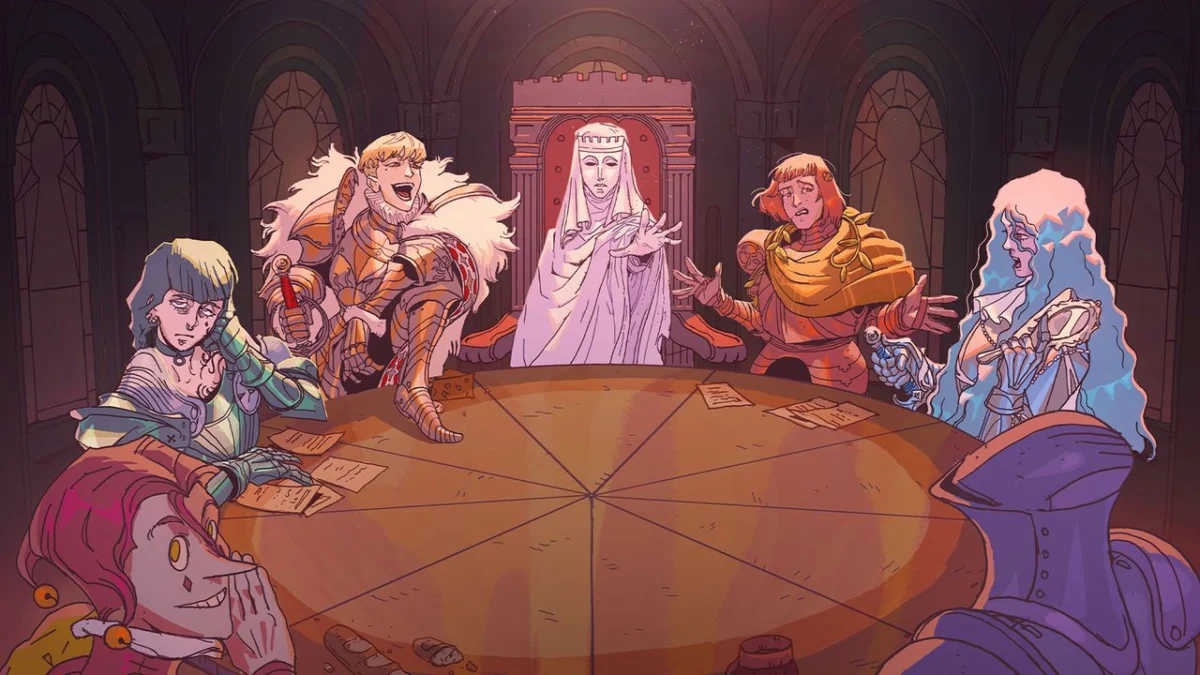
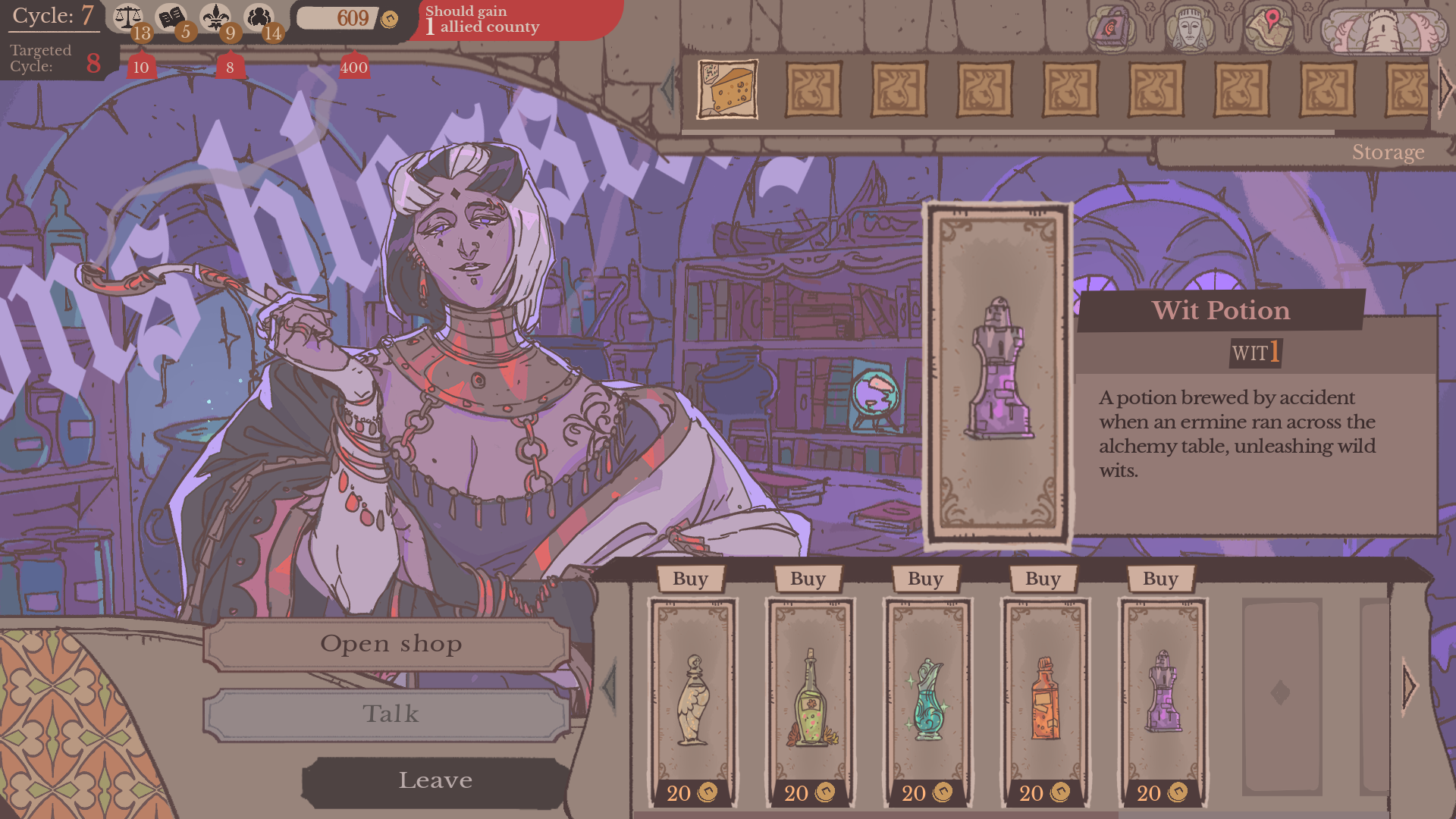
In an era defined by the pursuit of hyper-realism, gargantuan open worlds, and the relentless advancement of graphical fidelity, Sovereign Tower—the latest project from Wild Wits Games—has taken a defiant step in the opposite direction. By eschewing the industry-wide obsession with massive scale, the developer has instead chosen to focus on the singular, concentrated power of a magical tower. The result is a game that relies on the elegance of its art direction to do the heavy lifting, creating a visual identity that has already captivated over 2.2 million viewers on Instagram.
Set to launch on August 6, Sovereign Tower is more than just a game; it is a masterclass in visual communication. Under the guidance of art director Gobert, the project merges fine art traditions with modern game systems, where the egos of Arthurian knights clash as violently as their blades.
The Genesis of an Aesthetic: From Fine Art to Gameplay
The visual language of Sovereign Tower did not emerge in a vacuum. It is the product of a deliberate synthesis between historical illustration and digital efficiency. Gobert, the driving force behind the game’s aesthetic, draws significant inspiration from the works of Russian painter Ivan Bilibin, whose iconic, folk-inspired illustrations defined a generation of fairy tales.
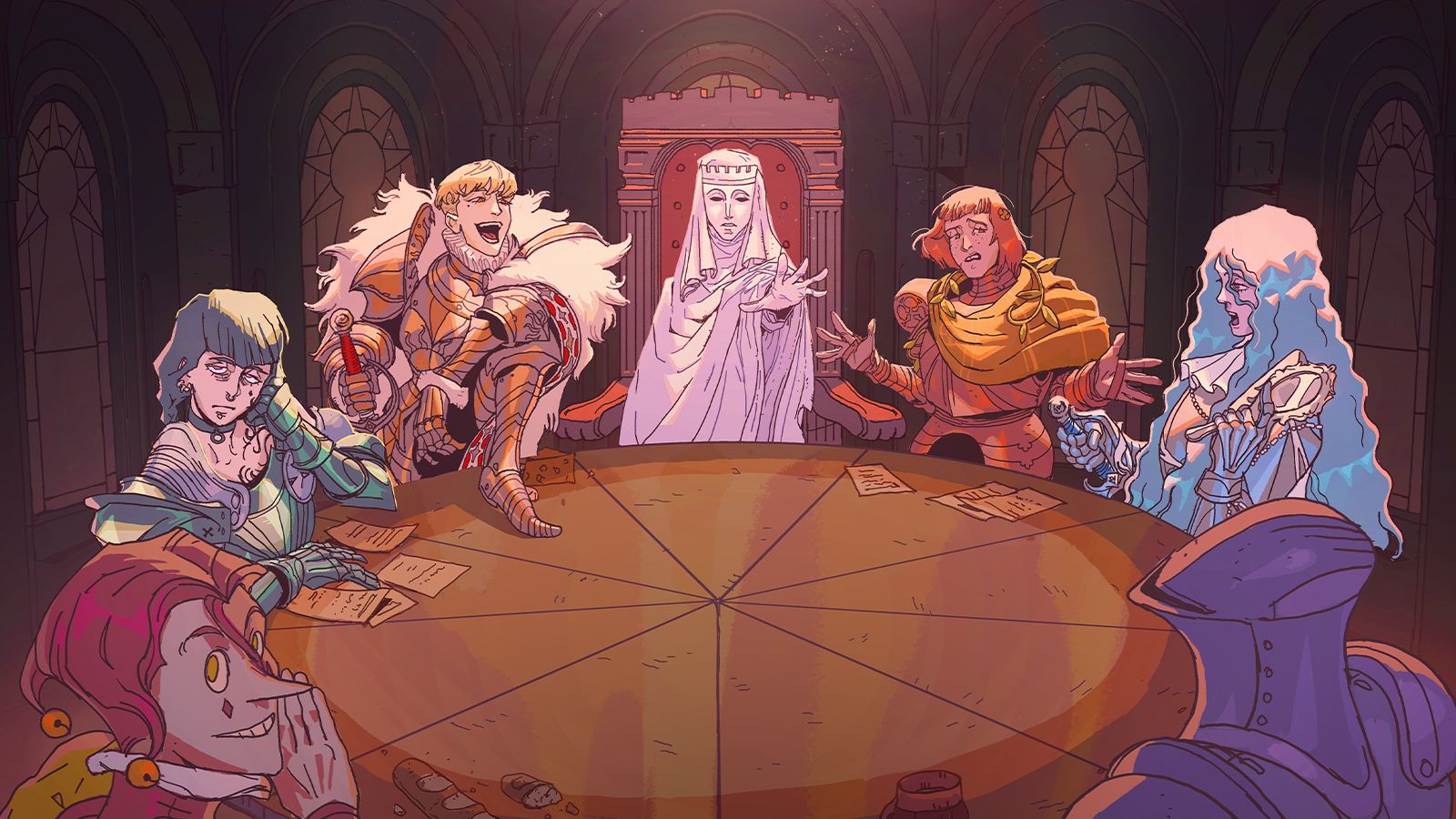
"More so than our previous games, Sovereign Tower is a game that is very much based on my original style," Gobert explains. "It places a stronger accent on my favorite inspirations, which are old-school etchings and classical fairy tale illustrations."
This stylistic choice serves two purposes: it provides a unique, recognizable look that stands out in the crowded marketplace of Steam, and it addresses the practical realities of indie game development. By utilizing a distinct, line-heavy aesthetic, the team was able to maintain high-quality visual output while remaining a smaller, more agile production unit.
Chronology of Development: Building a World
The development process for Sovereign Tower was centered around early, high-impact prototyping. Rather than building the world in broad strokes, Gobert focused on the "hero assets" that would define the game’s emotional and visual core.
The Foundation
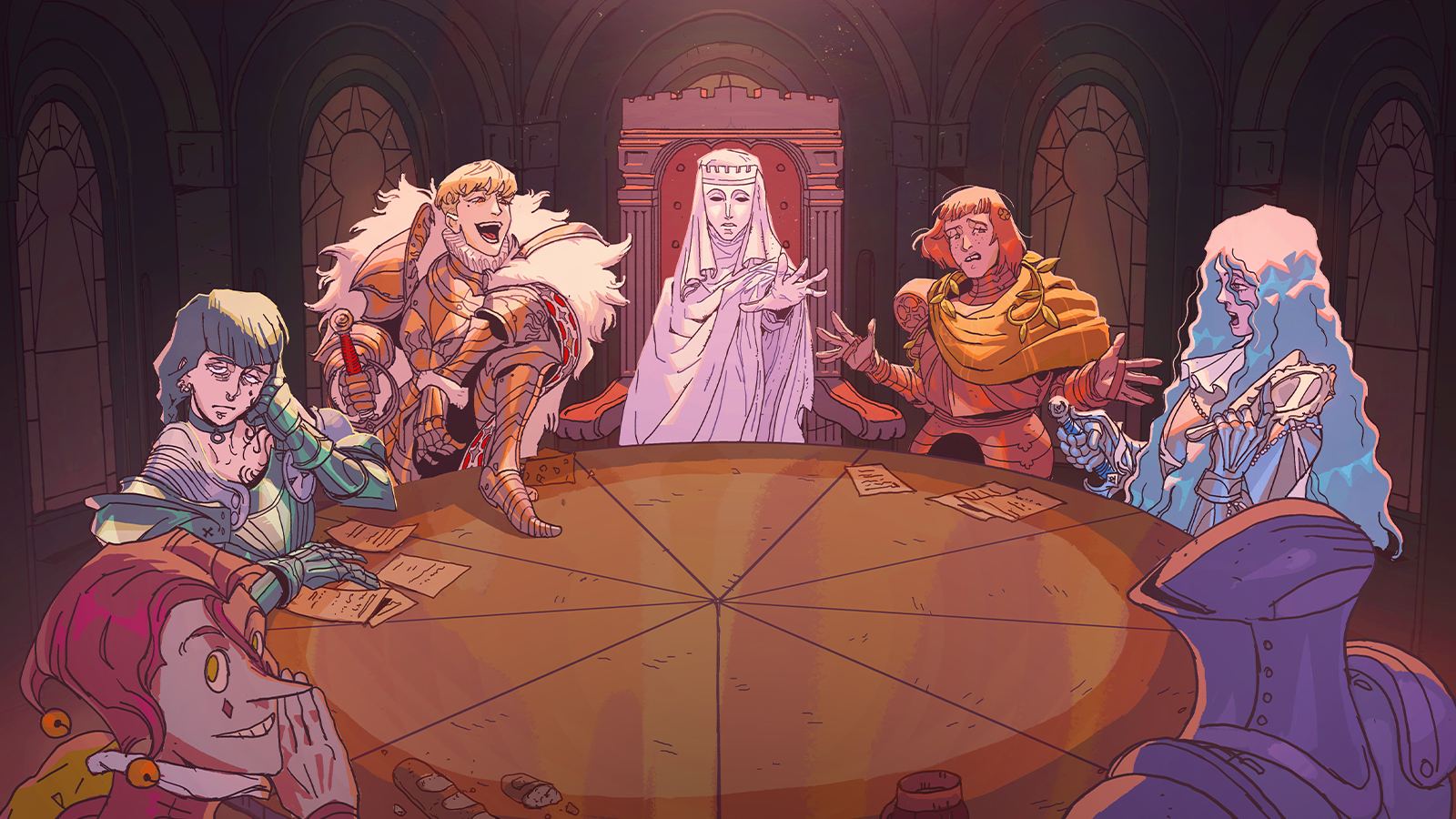
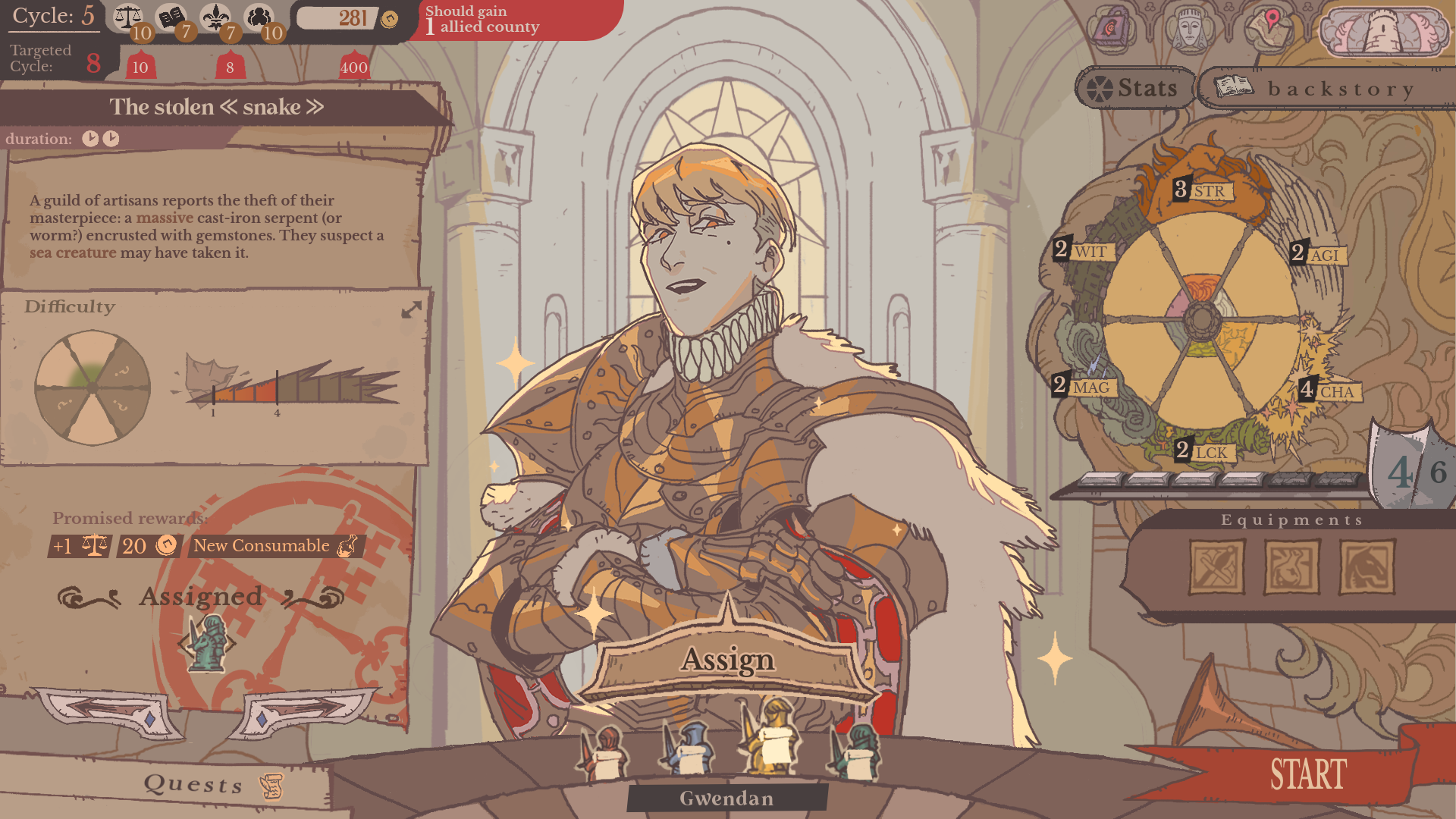
The first key milestone in the visual development of the game was the creation of the character sprite for Angelica, the game’s primary knight, alongside the interface for the iconic roundtable. These assets served as the "North Star" for the rest of the team. According to Gobert, the importance of this early stage cannot be overstated. "It was very important for me to create something that would give us an instantaneous idea of what the game would feel and look like," he says. "It’s often through mockups that I explore these concepts. You’d be surprised how little some things have changed; Angelica still looks almost exactly the same as she did in the original mockups."
Technical Integration
The game is built within the Godot engine, a platform increasingly favored by indie developers for its flexibility and open-source nature. The process involves creating assets in Adobe Photoshop before importing them into Godot to be brought to life. While the team utilizes Inky for the game’s intricate narrative delivery, the visual assets remain the primary vehicle for storytelling.
Data-Driven Design: The Power of the Silhouette
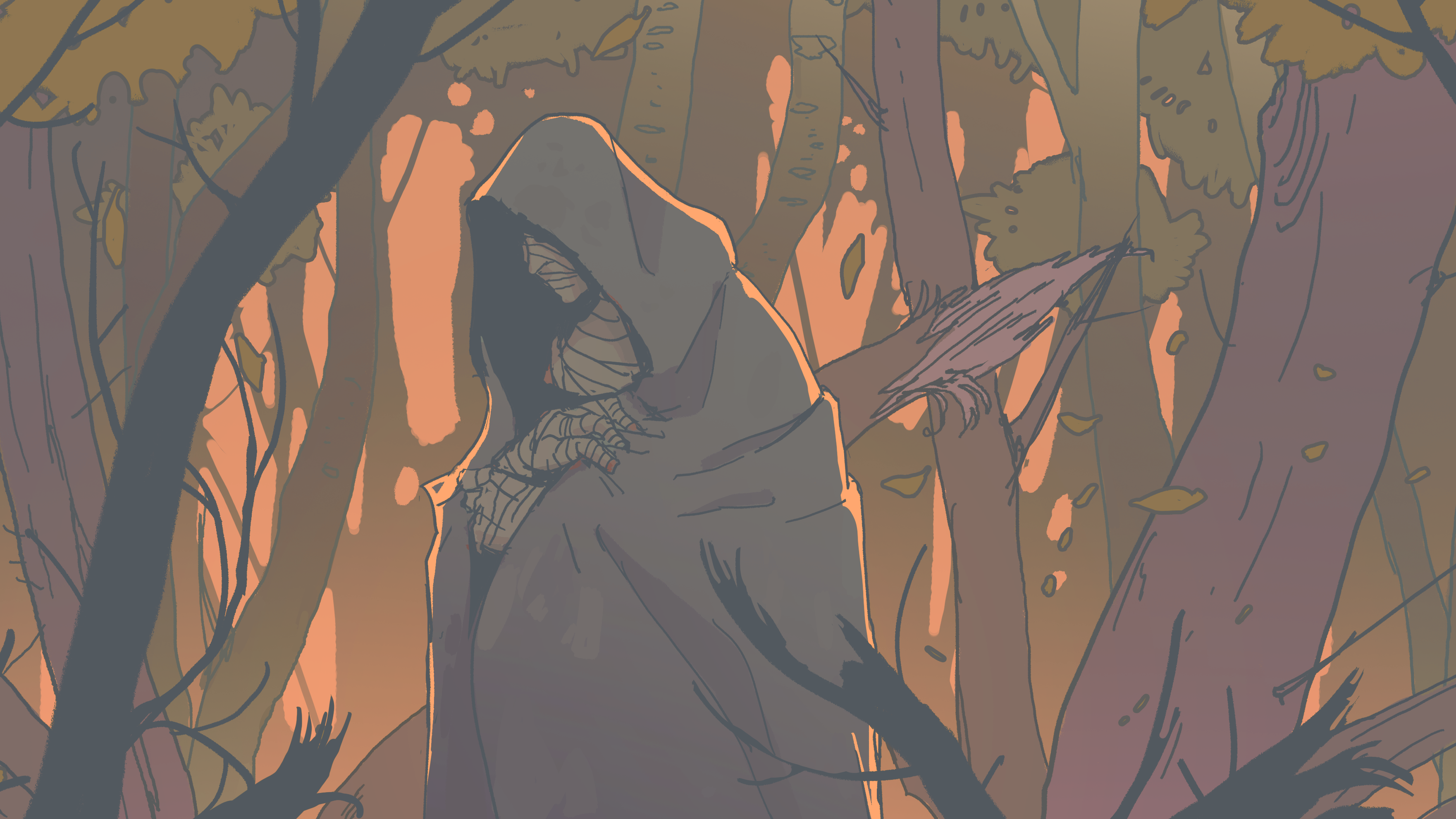
In the realm of game art, the "silhouette" is often the most important factor in character recognition. Gobert’s approach to Sovereign Tower highlights a deep understanding of this principle. When designing the game’s cast, he notes that while the story is vital, the first visual step is almost always the silhouette.
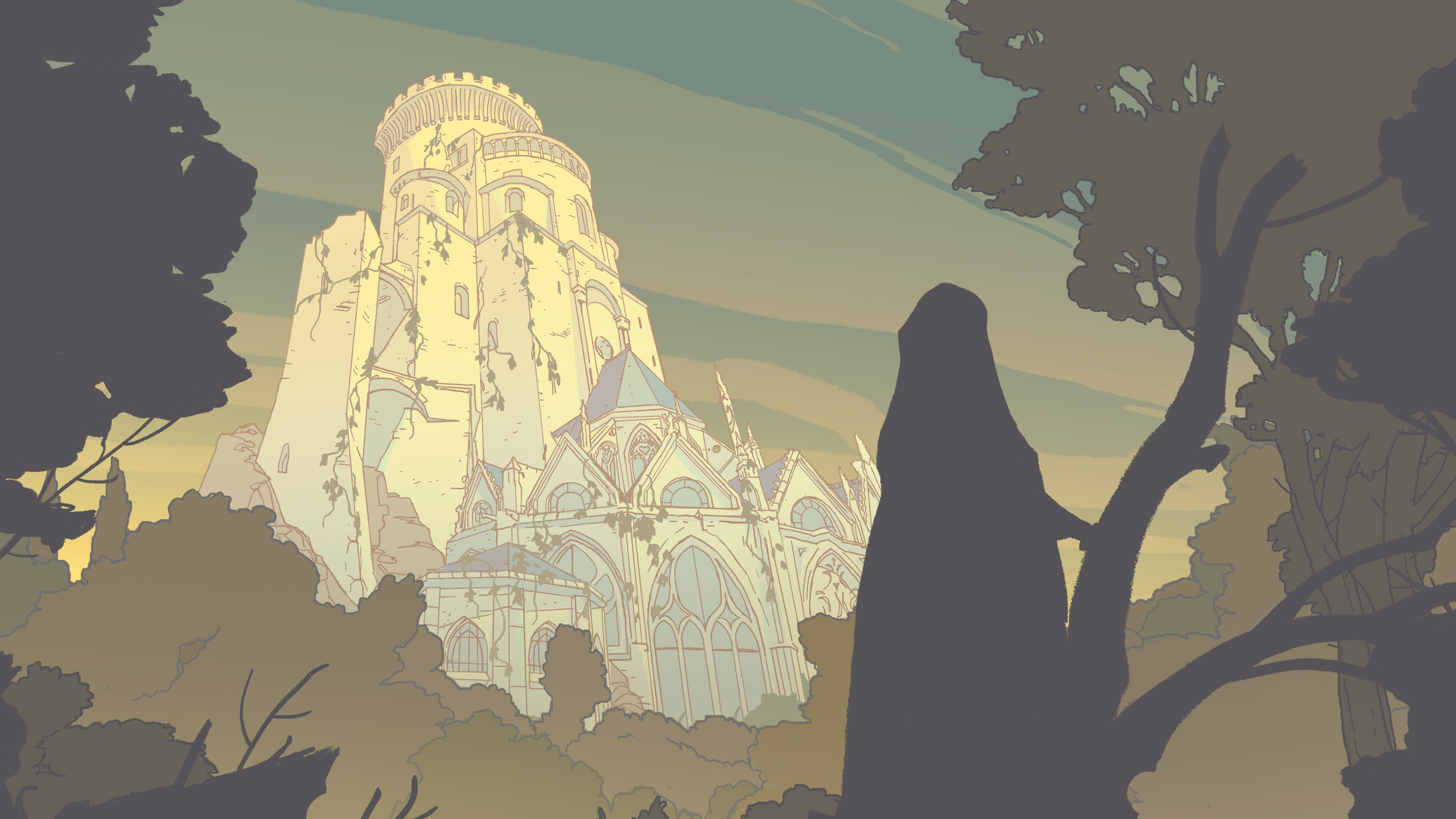
"Some of the more surprising characters are just doodles with a strong focus on silhouettes that I had done," Gobert shares. "Eventually, some of these concepts start to fit a particular role we wanted to inhabit in the world. It’s a balance; the story can come first or later depending on the necessities of the project."
This approach allows for a "density" in character design that communicates intention quickly. Players can instantly identify the temperament, history, and status of a knight just by glancing at their silhouette and color palette. This is a critical design philosophy in a game where social positioning and "ego" are as much a part of the gameplay as the physical combat.
Official Insights: The Philosophy of the Artist
When asked about the choice of stylization over realism, Gobert is characteristically direct. "We already knew we would be making a 2D game from experience right at the beginning, so it did not seem relevant to explore realism," he says. "It’s just not something we’re interested in. We are more interested in exploring original and fresh aesthetics."
This commitment to originality extends to how the team handles historical influences. While the game is rooted in Arthurian lore, it does not attempt to replicate history with academic precision. Instead, it pulls from various eras—the Renaissance, the 1800s, and classic medieval tropes—to create a "lived-in" fantasy world.
"As we progressed through development, we started to take more and more liberties with the setting," Gobert explains. "The setting now has many more fantasy elements than we originally expected."
The "Comic Artist" Lesson: Efficiency as a Virtue
Gobert’s background as a student of comic arts has provided a significant advantage in the development of Sovereign Tower. In the comics industry, the ability to produce high-quality work at speed is not just an asset—it is a requirement for survival.
"One of the important things to learn is that it’s absolutely key to find an art style that you can draw extremely quickly, but also looks as good as possible," Gobert notes. "That experience carries into video games. I try to find the sweet spot between unpolished and ‘dynamic’ penwork. This helps me find the time to work on many things, but also the ability to add new content quickly whenever necessary."
Implications for the Future of Indie Game Art
The success of Sovereign Tower—even before its release—signals a potential shift in indie game development. As players grow fatigued by the "sameness" of asset-flipped or overly homogenized 3D titles, projects that lean into a strong, singular artistic voice are finding more traction.
Coherence and Constraints
For aspiring game artists, Gobert offers a roadmap that emphasizes discipline over technical complexity. His core advice for developers looking to build a distinctive style is centered on three pillars:
- Identity: Understand the project’s themes and what makes it unique from the start.
- Coherence: Ensure every asset, from the UI to the character sprites, feels like it belongs in the same universe.
- Palette Management: Limit your color palette. This is a vital step in creating a strong, recognizable identity for any project.
"None of our tools are absolutely essential or irreplaceable," Gobert concludes. "It’s the skills of our team members that make our game unique. Our focus was not on using extremely complicated features or incredible technical improvements, but more on creating original and interesting content."
Conclusion
Sovereign Tower represents a triumph of artistic intent. By focusing on the strength of illustration-led design, Wild Wits Games has managed to create a world that feels both ancient and entirely new. As we look toward the game’s release on August 6, it stands as a testament to the idea that in the world of gaming, a singular, well-executed vision will always outshine the pursuit of technical perfection.
The game does not merely invite players to climb a tower; it invites them to step inside a living, breathing storybook—a rare and welcome feat in the modern digital landscape.

 Suro Senen
 Laily UPN