Lina Hope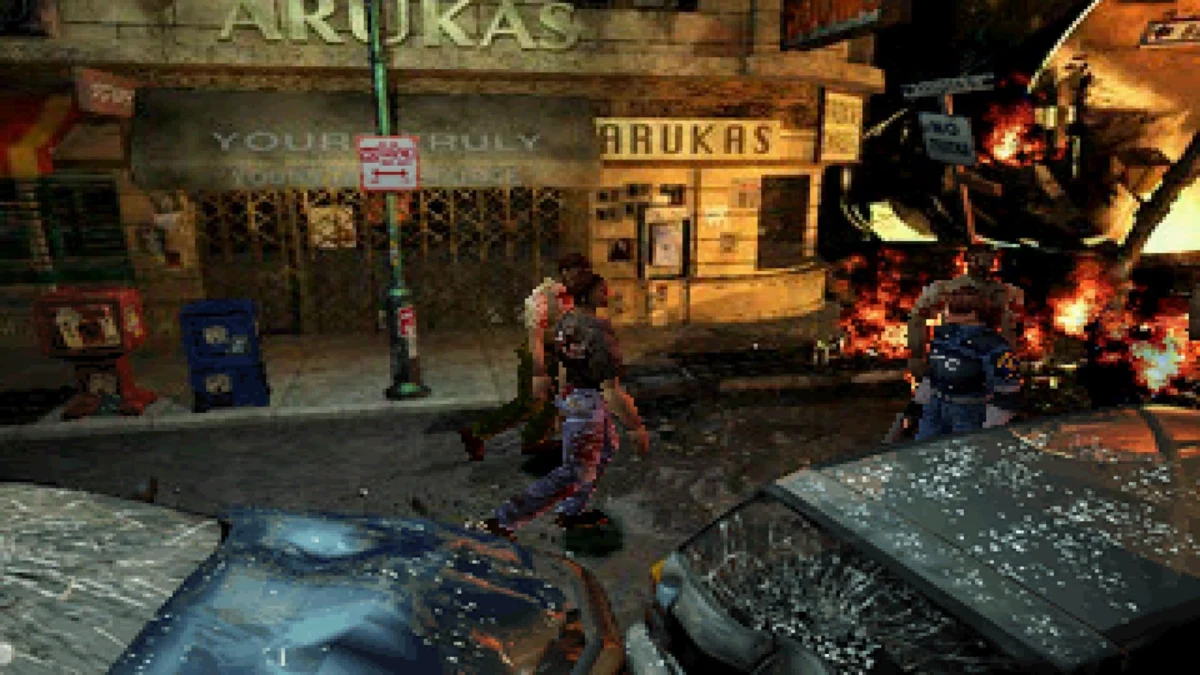
In the sprawling, often chaotic tapestry of the Resident Evil franchise, where umbrella-branded conspiracies and grotesque bio-weapons threaten the fabric of civilization, the characters often teeter on the edge of caricature. They are elite operatives, legendary survivors, and superhuman soldiers. Yet, amidst the absurdity of biological warfare and cinematic explosions, one man grounds the saga in a way no other character has managed: Leon S. Kennedy.

Leon is not merely a protagonist; he is a vessel for the player’s own evolution. From his humble, terrifying beginnings as a rookie cop to his status as a world-weary, battle-hardened veteran in the latest entry, Resident Evil: Requiem, Leon’s trajectory is defined by a consistent, aching humanity. While other heroes might succumb to the desensitization of their profession, Leon retains a sense of empathy that makes him the series’ most vital human element.

The Evolution of an Icon: A Chronological Retrospective
Leon’s journey is one of the most well-documented arcs in survival horror history. To understand his current depth, one must look at the seminal moments that forged him.
The Rookie’s Baptism by Fire (Resident Evil 2)
When players first encountered Leon in 1998, he was a neophyte officer reporting for his first day at the Raccoon City Police Department. The opening gas station sequence remains a masterclass in establishing vulnerability. Unlike the seasoned STARS members of the first game, Leon was genuinely out of his depth. The fear on his face was palpable, reflecting the terror of a man who had not yet learned to suppress his trauma. This sequence served as the foundation for his character: a man who survives not because of innate godhood, but through sheer perseverance in the face of impossible odds.
The Compassion of a Survivor (Resident Evil 2)
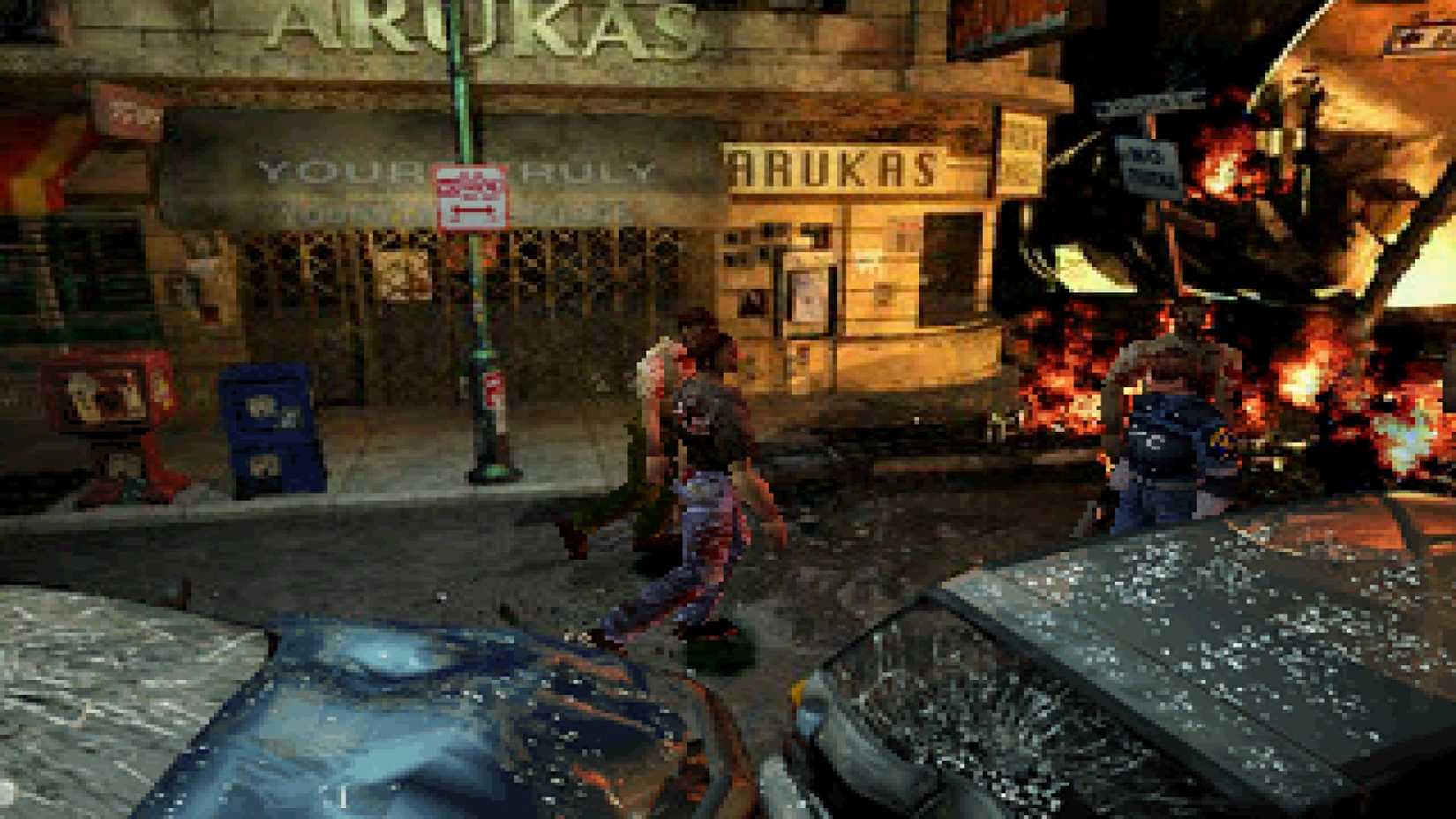
Perhaps the most telling moment of Leon’s early career is his interaction with Marvin Brannagh. Even as the infection took hold of his colleague, Leon refused to abandon him, insisting on a rescue that both knew was impossible. It was a naive, deeply empathetic choice—a testament to his character before the world hardened him. When Marvin was eventually forced to pull a gun on Leon to drive him away, the lesson was clear: survival requires sacrifice, but that does not mean one must lose their humanity in the process.
The Professional’s Burden (Resident Evil 4 & 6)
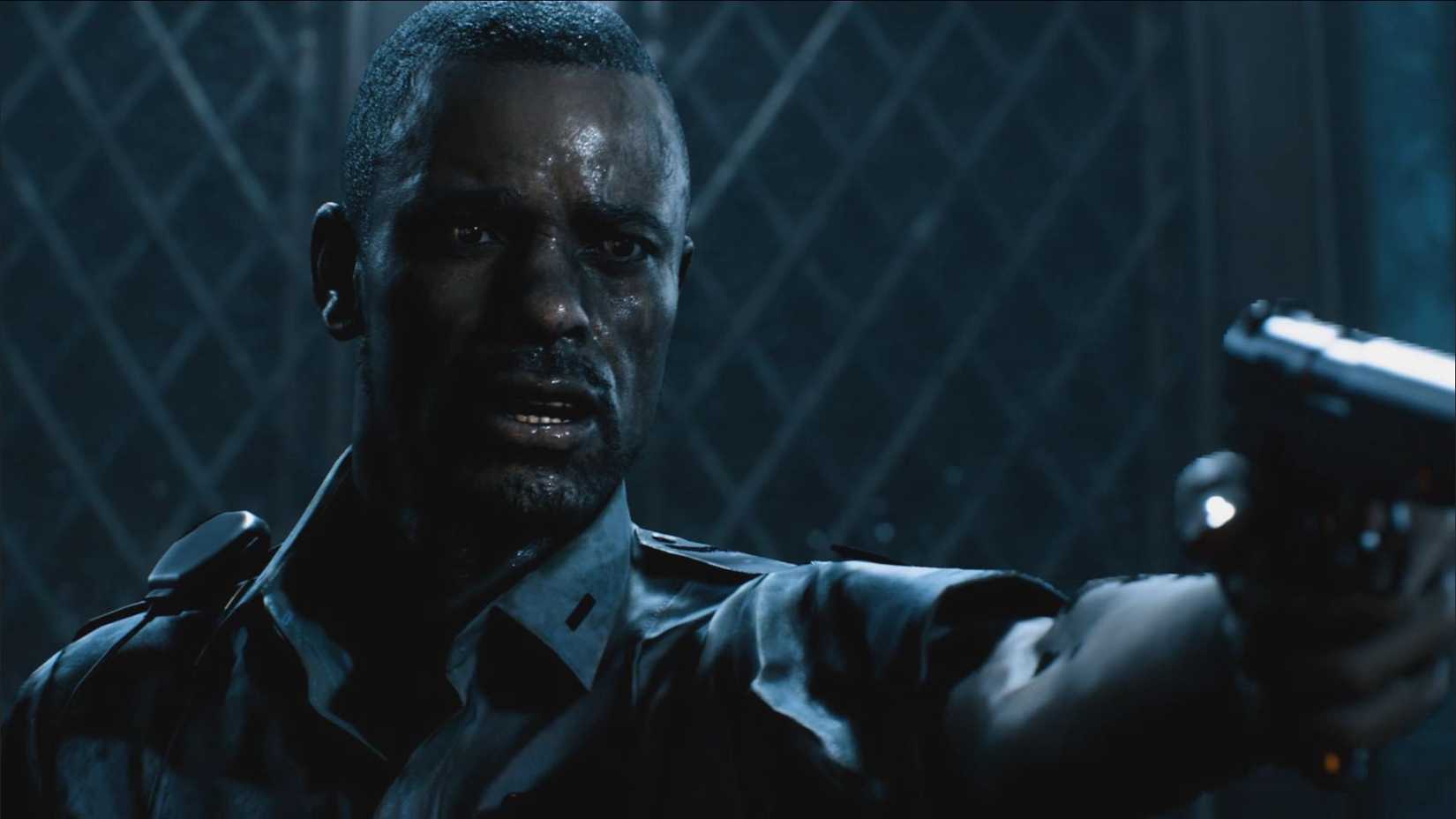
By the time of Resident Evil 4, Leon had shifted from a frightened rookie to a specialized operative. Yet, he never lost his protective nature. His relationship with Ashley Graham in the RE4 Remake provides a poignant look at his growth. When he tells her, "It’s okay to be afraid, but you can’t run," he isn’t lecturing; he is validating. He understands that fear is a natural response, and he offers himself as a pillar of support. Similarly, in Resident Evil 6, his partnership with Helena Harper showcases a man who leads with empathy rather than cold, clinical detachment, viewing his allies as partners rather than burdens.

The Reckoning (Resident Evil: Requiem)
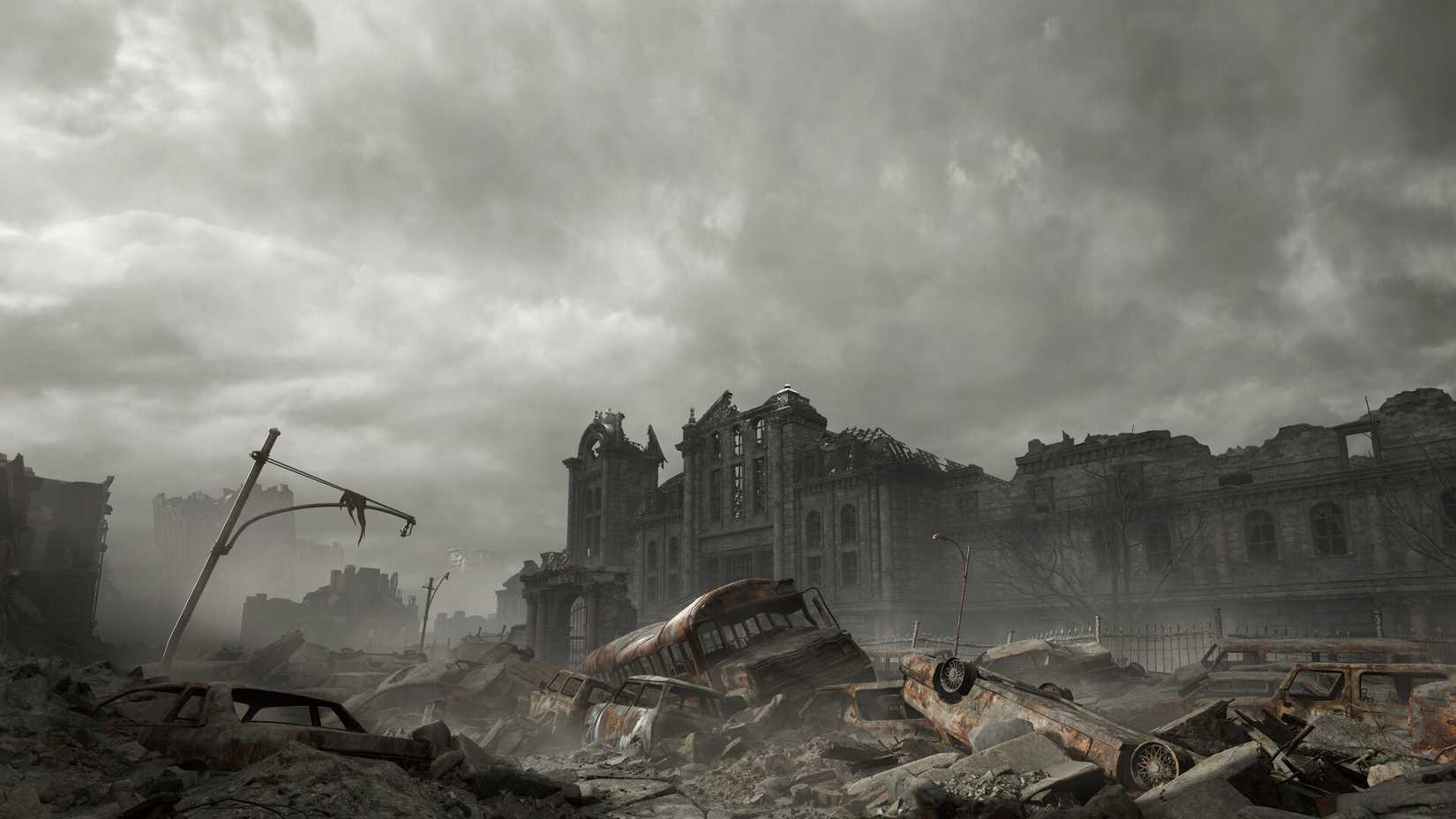
In the latest entry, Resident Evil: Requiem, we witness a Leon who is physically and emotionally compromised by "Raccoon City Syndrome" (RCS). This condition acts as a narrative device to highlight his physical decline and the toll of decades of combat. His return to the RPD station in Raccoon City is not mere fan service; it is a pilgrimage into his own past. When he tells Grace Ashcroft, "I couldn’t make a difference, so I am here now," it encapsulates the central theme of his character: an eternal, guilt-driven need to rectify the failures of his youth.

Supporting Data: Why Players Resonate with Leon
The popularity of Leon S. Kennedy is not an accident of design. Data regarding player engagement and community sentiment consistently places him at the top of the Resident Evil hierarchy.

- Emotional Resilience: Unlike characters who are defined by their combat prowess, Leon is defined by his emotional recovery. Players report a higher degree of immersion when playing as Leon because his reactions—fear, grief, and determination—mirror the player’s experience.
- Narrative Continuity: Leon’s presence in RE2, RE4, RE6, and Requiem allows for a longitudinal study of his character. He is one of the few protagonists to consistently show the scars of previous encounters, both physically and psychologically.
- The "Humanity Quotient": Surveyed players frequently cite the "quiet moments"—such as lighting a cigarette for a dying Luis Serra in the RE4 Remake—as the most impactful scenes in the series. These moments strip away the action-movie bravado and reveal the man beneath the tactical vest.
Official Perspectives and Narrative Design
Capcom’s approach to Leon’s characterization has shifted significantly over the years. In earlier iterations, he was a stoic hero in the vein of 90s action cinema. However, recent remakes and sequels have pivoted toward a more nuanced, "grounded" portrayal.
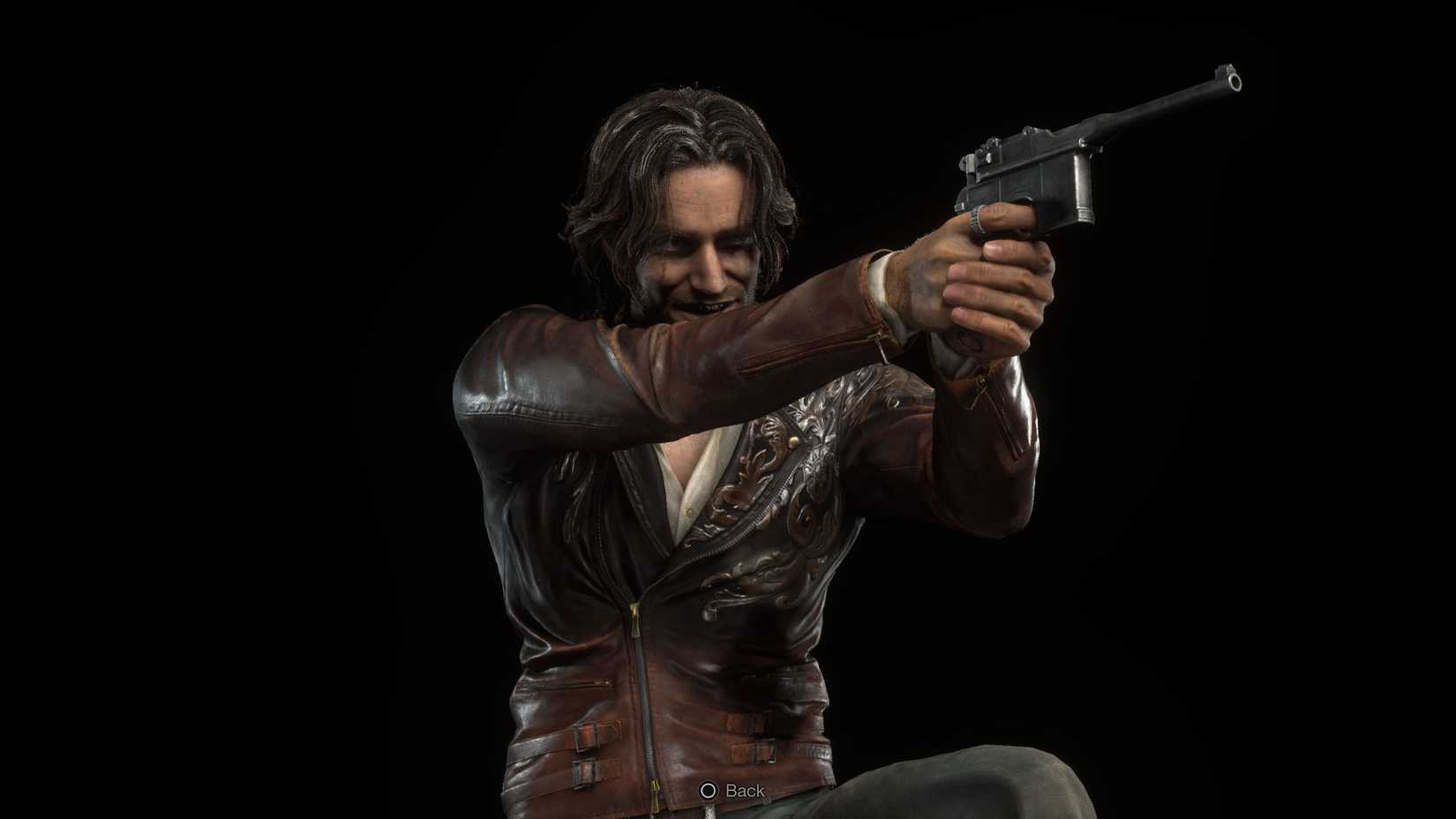
According to developers, the goal for modern Leon was to emphasize the psychological weight of his career. The inclusion of Raccoon City Syndrome in Requiem was a calculated narrative risk intended to demonstrate that even a "super-cop" is subject to the frailties of the human condition. By forcing Leon to struggle with his own mortality, the developers have successfully elevated him from a simple survivor to a tragic hero who understands the weight of his legacy.

Implications for the Future of the Franchise
The enduring success of Leon S. Kennedy sets a high bar for the Resident Evil franchise. His character arc suggests that the most compelling horror stories are not those that focus solely on monsters, but those that focus on the people fighting them.
The Cost of Heroism
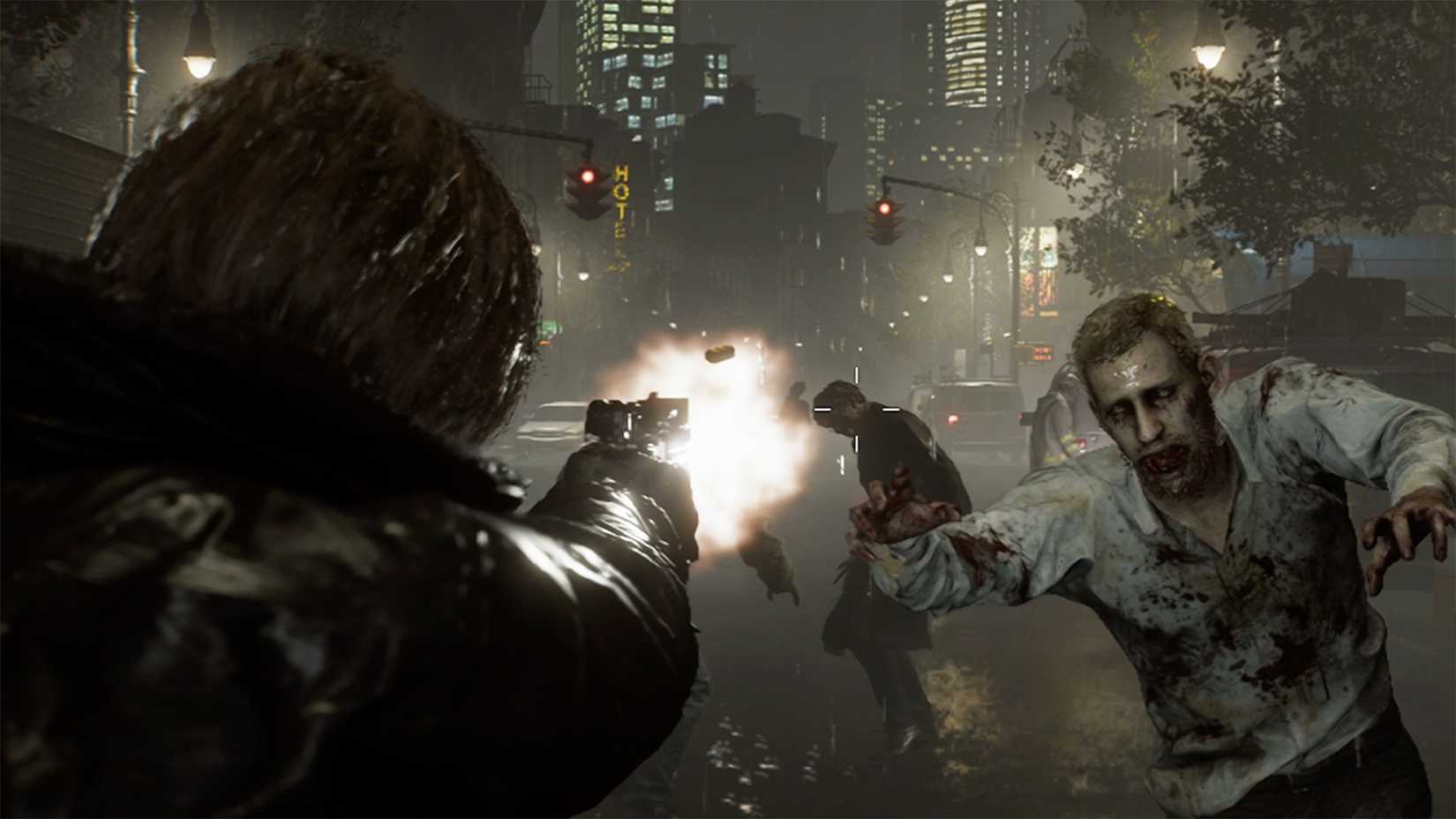
The most significant implication for the franchise moving forward is the focus on the "cost" of being a hero. Leon’s arc suggests that the fight against bioterrorism is never truly won; it is a cycle of trauma. Future entries will likely continue to explore the mental toll of the series’ events, with Leon serving as the template for this thematic depth.

The Power of Legacy
As the franchise evolves, the "Never again" mentality expressed by Leon in Requiem provides a roadmap for future protagonists. It transforms the series from a collection of isolated survival stories into a cohesive, character-driven epic. The realization that Leon cannot save everyone—and the profound, lingering grief that stems from that—is the anchor that keeps the series from drifting too far into the realm of mindless action.

Conclusion
Leon S. Kennedy is more than the face of Resident Evil; he is its conscience. Whether he is a wide-eyed rookie in a doomed city or a broken veteran searching for redemption in the ruins of his past, he remains the most human element in a series defined by the inhuman. As we look toward the future of the franchise, the legacy of Leon serves as a reminder that even in the darkest, most terrifying corners of the world, it is our capacity for empathy, our struggle with trauma, and our refusal to give up that truly define our humanity.

Leon does not win because he is the strongest or the fastest; he wins because he refuses to let the horrors of the world strip him of his ability to care. And that, ultimately, is why he remains the most relatable hero in the history of the genre.


 Asro
Asro
 Muslim