

By Editorial Staff
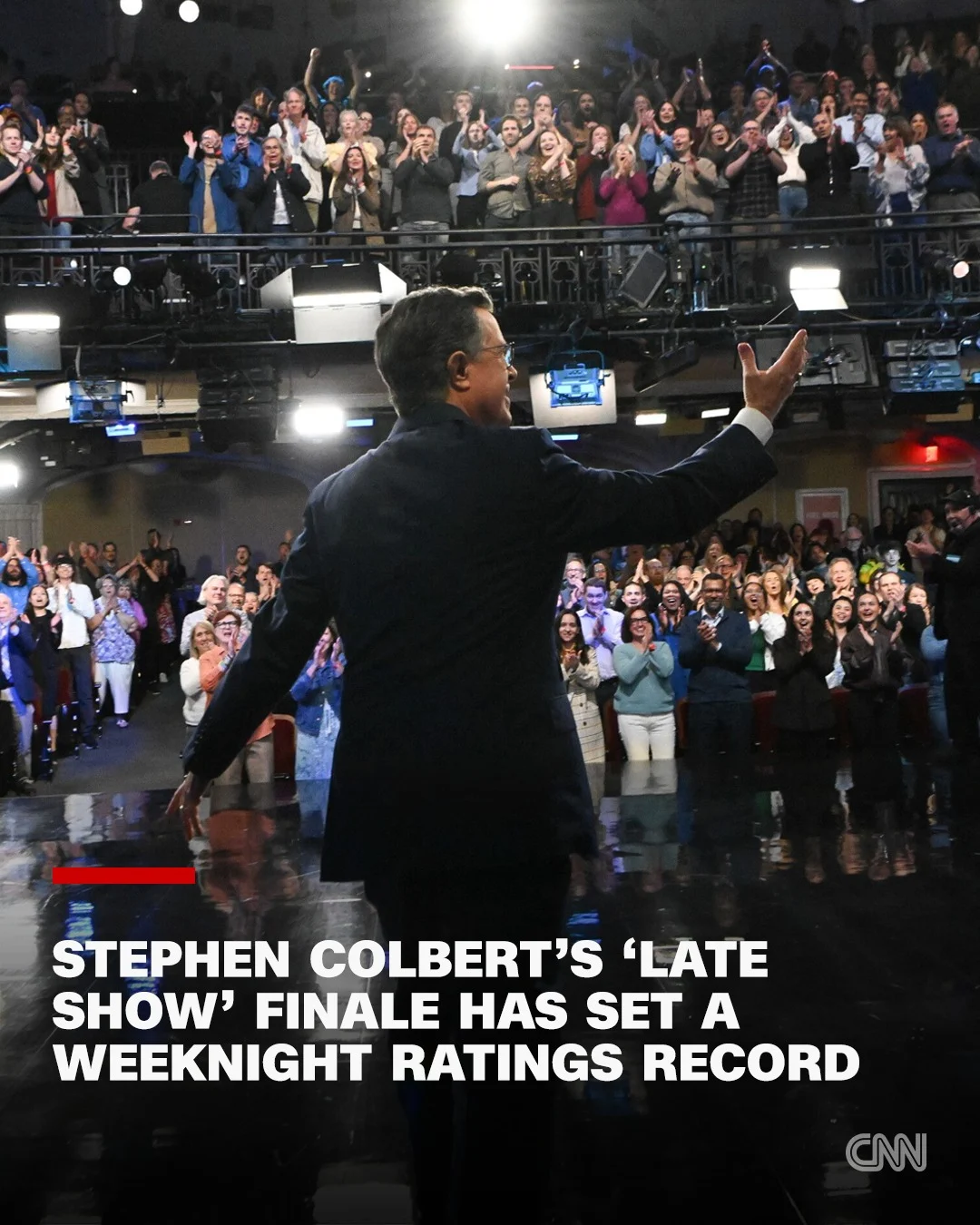
In the modern media ecosystem, the landscape of late-night television has long served as a cultural barometer for the American psyche. From the dry, observational humor of Johnny Carson to the biting, politically charged monologues of the 21st century, these programs have acted as both a mirror and a compass for the nation. However, a growing sentiment among media critics and cultural historians suggests that we are witnessing a profound shift—a potential “twilight of satire”—where the intellectual rigor and moral clarity that once defined the genre are being eroded by a toxic climate of polarization, corporate consolidation, and the fracturing of the public square.
The State of Discourse: A Loss of Intellectual Wit
In a recent reflection on the state of the medium, critic Steve Vertlieb articulated a concern shared by many: the disappearance of a specific brand of “intellectual wit, compassion, eloquence, and dignity” in late-night broadcasting. Invoking the prophetic tone of H.G. Wells’ Things to Come (1936), Vertlieb posed a harrowing question: “Why should we surrender life to the brutes and fools?”
The concern is not merely that comedy is dying, but that the specific role of the late-night host as a public intellectual is under siege. While figures such as Jon Stewart, Jimmy Kimmel, Bill Maher, and John Oliver remain on the air, many viewers perceive a shift in the gravity of their contributions. The argument follows that a “precious slice of Americana” is being hollowed out, as courage, honesty, and the defense of free speech are systematically undermined by the encroaching pressures of social media tribalism and political intimidation.
Chronology: From the Golden Age to the Digital Fragment
To understand the current malaise, one must look at the trajectory of the late-night talk show.
The Era of Consensus (1950s–1980s)
The genre began as a sanctuary for middle-of-the-road consensus. Hosts like Johnny Carson provided a unified cultural experience. Political satire existed, but it was generally framed within a broader context of entertainment and lighthearted skepticism.
The Rise of the Political Pundit-Comedian (1990s–2010s)
The transition began with the democratization of news through comedy. Jon Stewart’s tenure at The Daily Show transformed the genre into an essential news source for younger generations. This era saw the emergence of the "truth-teller" host—a figure who used irony not just for laughs, but to hold the powerful accountable. This reached its zenith during the presidencies of George W. Bush and Barack Obama, where hosts like Stephen Colbert (in his Colbert Report persona) mastered the art of exposing hypocrisy through absurdist performance.
The Current Polarization (2016–Present)
The rise of extreme political polarization created a "siloing" effect. Audiences began demanding that their late-night hosts validate their existing worldviews rather than challenging the establishment. This has led to an environment where the "dignity" of discourse is frequently traded for the "dopamine hit" of partisan applause lines, a trend that critics argue has severely degraded the quality of social commentary.
Supporting Data: The Impact of Media Fragmentation
The challenges facing the late-night format are exacerbated by shifting consumption habits. According to recent Nielsen ratings, late-night viewership has plummeted over the last decade, with a decline of over 50% in the key 18–49 demographic. This decline is attributed to:
- The "YouTube-ization" of Comedy: Clips are now consumed in isolation, detached from the broader narrative of the monologue. This promotes an environment where "viral" moments are prioritized over nuanced discussion.
- Corporate Consolidation: The major late-night shows are owned by multinational conglomerates (Paramount, NBCUniversal, Warner Bros. Discovery). The pressure to remain "brand-safe" while navigating an increasingly hostile political environment often leads to watered-down content.
- The Erosion of Shared Reality: When audiences cannot agree on basic facts, the satirist’s job becomes exponentially more difficult. Satire relies on a baseline of shared understanding; without it, the message often fails to land or is weaponized by bad-faith actors.
Official Responses and Industry Perspectives
Network executives and showrunners often argue that the format is simply evolving. In interviews, producers emphasize that they are meeting the audience where they are—on digital platforms and social media.

“Our goal remains the same: to speak truth to power,” said one veteran network producer who requested anonymity. “But the ‘power’ we are speaking to is now decentralized. It’s not just the White House anymore; it’s the algorithm, it’s the social media mob, and it’s the pressure to be everything to everyone at once.”
However, critics argue that this response misses the point. They suggest that in the rush to remain relevant, late-night television has lost its backbone. The "thugs and bigots" referenced by observers like Vertlieb are not just external; they are part of a digital culture that demands constant performative outrage. This cycle leaves little room for the "charm and grace" that once characterized the great masters of the medium.
Implications for the American Public Square
What happens when the court jester stops being a philosopher and starts being a partisan soldier? The implications for the American public square are profound.
1. The Loss of the "Common Ground"
Late-night television was one of the last remaining institutions that could command a broad, diverse audience. As the medium becomes increasingly niche, the ability to bridge ideological divides disappears.
2. The Vulnerability of Satire
Satire is a high-risk, high-reward art form. When it is replaced by "snark" or partisan talking points, the intellectual defense against authoritarianism is weakened. As history has shown, totalitarian regimes fear the satirist more than the politician. If the satirist loses their teeth, the democratic process loses one of its most potent immune responses.
3. A Crisis of Identity
If we are, as Vertlieb suggests, witnessing the loss of a specific type of American integrity, the solution is not to abandon the format, but to reinvent it. There is a hunger for a return to substantive discourse. The enduring popularity of legacy satirists like Mark Twain, whose biting observations remain as relevant today as they were in the 19th century, suggests that the public still craves "truth, justice, and the American way."
Conclusion: Searching for Charm and Grace
The death of an era is rarely a singular event; it is a slow fading of the light. While we mourn the loss of the intellectual rigor that once defined the late-night hour, we must also recognize the capacity for renewal.
As long as the spirit of satire survives—even in the quiet, reflective spaces of the internet or the fringes of independent media—a particle of our shared humanity remains. We are currently in a period of transition, moving away from the centralized authority of the network host and toward a more fragmented, yet potentially more authentic, future.
As we look toward the horizon, perhaps we can take heart in the words of Rhett Butler: "I want to see if somewhere there isn’t something left in life of charm and grace." The laughter may be different, and the stage may be smaller, but the essential American impulse to question, to challenge, and to dream remains intact. We may be searching "somewhere over the rainbow," but the search itself is a testament to the resilience of the American spirit. The echoes of our social conscience, while strained, are far from silenced.











No comments yet. Be the first to join the conversation!