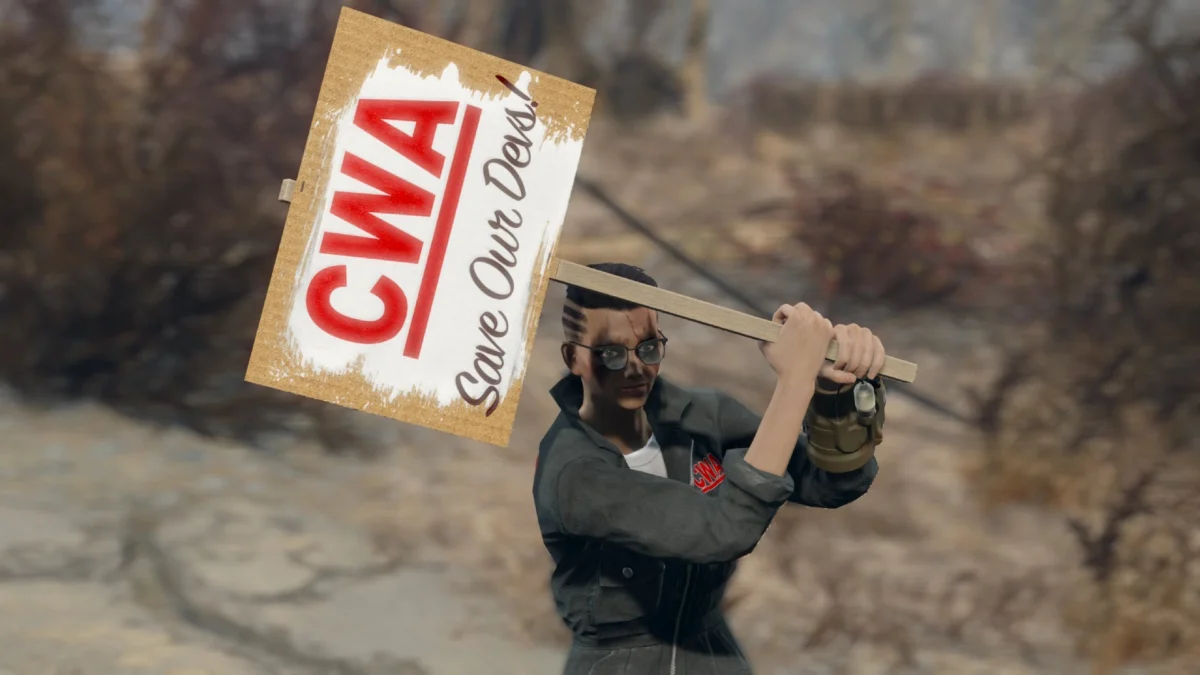
In a move that underscores the increasingly volatile nature of modern game development, CI Games has officially announced that the highly anticipated Lords of the Fallen II will not be meeting its previously targeted 2026 release window. Instead, CEO Marek Tyminski confirmed that the studio is shifting the launch to early 2027. The decision, while disappointing to fans, is widely viewed by industry analysts as a calculated, strategic maneuver designed to avoid the suffocating congestion of a 2026 holiday season that has been described as one of the most competitive in the history of the medium.
The Strategic Pivot: Avoiding the 2026 "Death Trap"
The gaming landscape for late 2026 has transformed into a high-stakes arena. With the industry bracing for the monumental arrival of Grand Theft Auto VI in November—a title expected to consume the lion’s share of consumer attention and disposable income—developers are finding it increasingly difficult to carve out a sustainable market share.
CI Games is not alone in its cautious approach. The sheer density of major releases, ranging from the long-awaited Marvel’s Wolverine to the next iteration of Call of Duty, has created an environment where even high-quality titles risk being buried by the "noise" of blockbuster marketing cycles. By pivoting to the first quarter of 2027, CI Games is effectively choosing to trade the immediate, albeit risky, holiday window for a more stable release period where Lords of the Fallen II can breathe, find its audience, and avoid being eclipsed by the cultural juggernaut that is Rockstar Games’ next project.
A Legacy of Technical Ambition and Lessons Learned
To understand why this delay is being met with a measured sense of optimism rather than outright outrage, one must look at the trajectory of the series. The previous entry, Lords of the Fallen, was a bold, ambitious reinvention of the franchise that successfully captured the "Souls-like" essence. However, its release was hampered by persistent performance issues and technical instability that threatened to overshadow its impressive level design and mechanical depth.
CI Games seems to have internalized these lessons. CEO Marek Tyminski’s public statement on X (formerly Twitter) emphasized that the additional time is not merely for marketing logistics, but for fundamental product improvement.
"As development progresses, we have worked closely with the Gameplay Feedback Team, a dedicated group of seasoned Souls-like veterans within our Launch Creative Team," Tyminski stated. "Their valuable ongoing input, combined with the team’s vision, has identified meaningful opportunities to further refine and strengthen the overall experience. These enhancements will benefit from additional integration, iteration, and polishing time, enabling the team to deliver the highest possible quality at launch."
This focus on the "Gameplay Feedback Team" suggests that CI Games is prioritizing the mechanical "feel" of the combat—the heart of the genre—over a rushed release date. By allowing the development team more runway to iterate, the studio is signaling a shift toward a "quality-first" culture that the previous title arguably lacked during its initial launch phase.
The Competitive Landscape: A Year of Titans
The 2026 release calendar is a gauntlet that would challenge even the most established studios. A brief survey of the upcoming schedule reveals why developers are fleeing the period:
- September 2026: A wave of high-profile releases including Marvel’s Wolverine, Onimusha: Way of the Sword, Warhammer 40,000: Dawn of War IV, and the ambitious Control Resonant.
- October 2026: The intensity reaches a breaking point with Gears of War: E-Day, Call of Duty: Modern Warfare 4, Phantom Blade Zero, and the nostalgic Rayman Legends Retold.
- November 2026: Dominated by the global launch of Grand Theft Auto VI.
When viewed against this backdrop, the "smart delay" narrative holds significant weight. Launching a niche, high-difficulty action RPG in the middle of this onslaught would likely result in low sales velocity, regardless of the game’s actual quality. By moving to Q1 2027, Lords of the Fallen II enters a landscape that, while still competitive, is far more manageable.
The Challenges of Q1 2027
However, moving to 2027 does not guarantee a clear path to success. The "spillover effect" of the 2026 delays means that early 2027 is rapidly becoming a secondary battlefield. Games like Tomb Raider: Legacy of Atlantis, Fable, and the highly anticipated Persona 4 Revival are currently slated for that window.

Furthermore, the industry is witnessing a trend where games are no longer strictly "seasonal." With the rise of long-tail digital storefronts and subscription services, games often compete with their own back catalogs. Lords of the Fallen II will need to distinguish itself not just through its combat mechanics, but through a compelling aesthetic and a narrative hook that can stand apart from the heavy-hitters currently populating the first quarter of 2027.
Implications for CI Games and Stakeholders
For CI Games, this delay carries significant financial and strategic implications. Investors typically favor immediate revenue, but the "launch-day disaster" of the previous game likely cost the studio more in long-term reputation and post-launch patching resources than a delay would have cost in operational expenses.
By taking this time, the studio is attempting to protect its brand equity. A polished, critically acclaimed release in 2027 could serve as the foundation for a long-term franchise, whereas another technically compromised launch could severely damage the trust of the core Souls-like community. This is a bet on the longevity of the IP.
Additionally, the reliance on a "Gameplay Feedback Team" suggests that CI Games is moving toward a more iterative, community-informed development process. If this strategy yields a more refined, bug-free experience, it could become a blueprint for how mid-sized studios survive in an era dominated by AAA mega-hits.
What to Expect: Refined Combat and World-Building
While specific details on the gameplay loop remain under wraps, the focus on "refining and strengthening the experience" implies that we should expect deeper, more fluid combat mechanics. The "Souls-like" genre has become increasingly crowded, with competitors constantly iterating on stamina management, boss design, and environmental storytelling.
The previous Lords of the Fallen was praised for its "dual-world" mechanic—the ability to shift between the worlds of the living and the dead. If the developers are using this extra time to expand upon this system, integrating it more seamlessly into both traversal and combat, Lords of the Fallen II could potentially offer something that its competitors cannot.
Conclusion: A Necessary Pause
The decision to move Lords of the Fallen II to early 2027 is a pragmatic response to the realities of modern game development. In an industry where first impressions are everything, the risk of a "rushed" launch is simply too high to justify.
While players may be disappointed by the wait, the current trajectory of the industry—defined by massive, resource-heavy titles and unforgiving release windows—makes this delay look less like a setback and more like a survival tactic. If CI Games can deliver a title that matches the ambition of its vision with the technical polish required for a seamless experience, the move to 2027 will be remembered as the moment the studio finally secured its place among the elite creators of the genre.
For now, the wait continues. The team at CI Games has been given the one thing that money cannot buy: time. Whether they use that time to transform a good game into a genre-defining masterpiece remains to be seen. As we approach the new year, all eyes will be on the studio to see if this "smart delay" pays off in the currency that matters most: player satisfaction and critical acclaim.