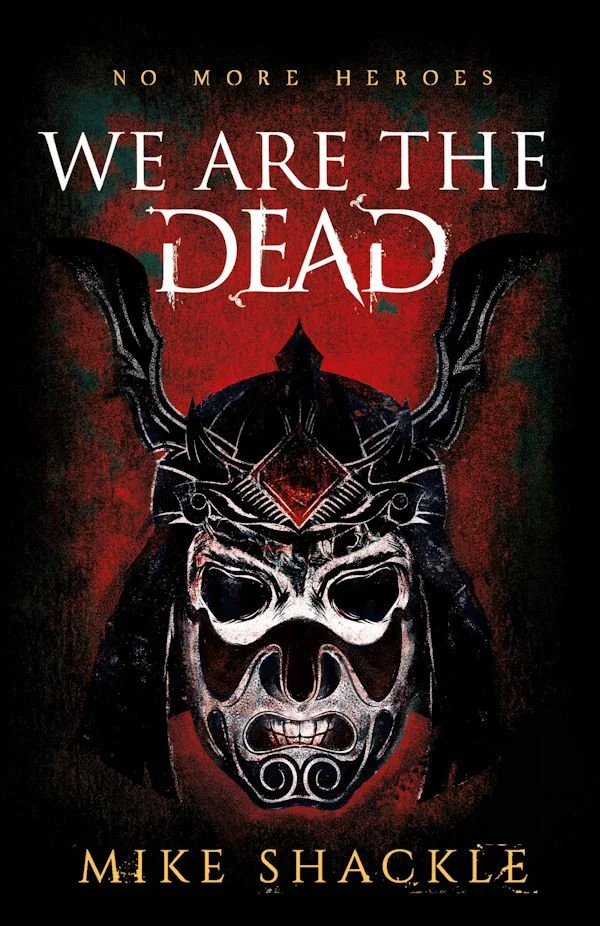
In the landscape of contemporary fantasy, few series have dared to dismantle the genre’s foundational tropes with the clinical precision of Mike Shackle’s The Last War trilogy. Comprising We Are the Dead, A Fool’s Hope, and the concluding Until the Last, Shackle’s work serves as a harrowing examination of occupation, identity, and the high cost of resistance. Unlike epic fantasies that focus on grand battles and chosen ones, Shackle presents a grounded, street-level account of the empire of Jia—a nation swiftly and brutally conquered by the relentless Egril forces.
For readers accustomed to the "hero’s journey," The Last War offers a jarring departure. It is a narrative of survival where victory is often replaced by the mere ability to draw another breath, and where the moral compromises made in the shadows define the characters more than any battlefield glory ever could.
The Chronology of Collapse: From Submission to Redefinition
The trajectory of The Last War follows the systematic dismantling of a society. The narrative is structured not through traditional quest arcs, but through a mounting, suffocating pressure that forces the reader to confront the reality of living under an iron-fisted occupation.
Phase One: The Shock of Occupation (We Are the Dead)
The trilogy begins with the sudden, total collapse of the Jia empire. The Egril’s invasion is swift, leaving the population in a state of catatonic shock. In this inaugural volume, Shackle focuses on the dissolution of collective identity. The characters are not fighting for a kingdom; they are struggling to process the erasure of their way of life. The story introduces Tinnstra, Dren, and Yas, three individuals forced to navigate a world that has fundamentally changed overnight.
Phase Two: The Illusion of Resistance (A Fool’s Hope)
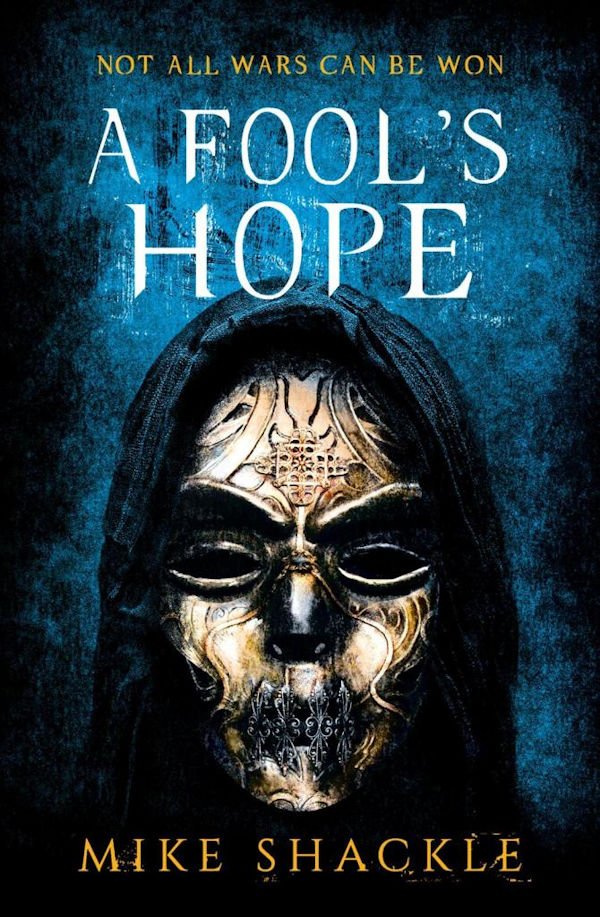
As the initial shock fades, the second installment shifts the focus to the insurgency. Here, Shackle explores the psychological toll of fighting back against an insurmountable force. The title itself acts as a warning: resistance is presented not as a romantic endeavor, but as a dangerous, often futile, illusion. The narrative tension is sustained through the protagonists’ realization that their actions have consequences that ripple far beyond their own lives.
Phase Three: The Cost of Survival (Until the Last)
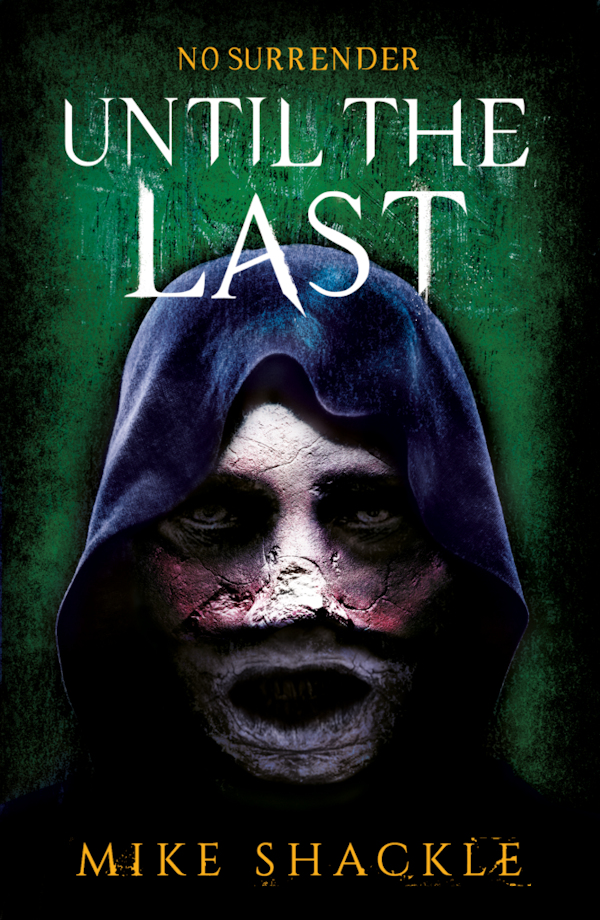
The conclusion of the trilogy abandons all pretense of traditional fantasy victory. In Until the Last, Shackle forces his characters—and his readers—to redefine what success looks like. The focus shifts from "winning the war" to "surviving the aftermath." The series culminates by questioning the morality of the resistance itself, forcing the audience to weigh the price of freedom against the blood shed to achieve it.
Character Archetypes Under Duress: The Stress-Test of Identity
A central pillar of Shackle’s storytelling is his deliberate "stress-testing" of classic fantasy archetypes. He takes the tropes that readers have come to love and places them in environments that make those roles impossible to sustain.
Tinnstra: The Reactive Survivor
Traditionally, the "hero" drives the plot. Tinnstra, however, is a character who is consistently pushed by the world around her. Her arc is defined by her ability to endure the unendurable. She does not seek out destiny; she simply survives the next day, and her growth is measured by the scars—both physical and mental—she accumulates.
Dren: The Compromised Soldier
Dren begins as the embodiment of the noble warrior. However, Shackle strips away the romanticism of the soldier’s life. Forced into a role where "nobility" is a luxury he cannot afford, Dren is transformed into a compromised battler. His evolution is a tragic study of how a person of principle is gradually broken by the necessity of survival in a brutal regime.
Yas: The Dissenter
Yas represents the shift from rebellion to dissent. Her journey is perhaps the most internal, reflecting the weariness of a population that has been pushed past its breaking point. Her arc serves as a bridge for the reader, moving from the idealistic anger of the occupied to the pragmatic, cold reality of the survivor.
Worldbuilding Through Destruction: A Grounded Aesthetic
In many fantasy novels, worldbuilding is delivered through "lore dumps"—expository passages describing history, geography, and magic systems. Shackle rejects this approach entirely. Instead, he builds his world through the destruction of it.
The reader learns about the culture of Jia only as it is being dismantled by the Egril. This "real-time" discovery creates an immediate, visceral sense of loss. We see what the citizens of Jia are losing at the very moment it is stripped from them. This technique ensures that the stakes feel tangible. When a monument is toppled or a tradition is forbidden, the reader feels the loss because they have witnessed the value of those things alongside the characters.
The focus of the worldbuilding is intentionally narrow. This is not a story about shifting borders on a map or complex political maneuvering in a distant throne room. It is gritty, street-level, and deeply personal. It is a world viewed through the lens of a prison cell, a burnt-out home, and a dark alleyway.
Analyzing the "Grimdark" Label: Depth Beyond Nihilism
There has been much debate regarding where The Last War sits within the sub-genre of grimdark fantasy. While the series is undoubtedly dark, violent, and bleak, it resists the label of nihilism.
Nihilism suggests that nothing matters; in The Last War, everything matters. The violence is never glorified; it is consequential, messy, and deeply felt. Shackle’s prose is functional, sharp, and focused, eschewing flowery descriptions in favor of a narrative style that wears the reader down, much like the torture methods employed by the antagonist, Vex.
Crucially, Shackle avoids the trap of using bleakness as a substitute for depth. The tragedy of his characters is earned. Their suffering is not meant to shock the reader for the sake of shock; it is meant to challenge the reader’s understanding of what it means to persevere when the odds are effectively zero.
Implications for the Genre
The success of The Last War has significant implications for the future of epic fantasy. It signals a move away from the "chosen one" narrative and toward stories that prioritize psychological authenticity and the consequences of systemic oppression.
The Shift Toward Consequence
Readers are increasingly gravitating toward stories that value consequence over spectacle. Shackle proves that tension—the genuine fear for a character’s well-being—is a more effective hook than the promise of an epic, world-saving battle. By removing the safety net of "plot armor," Shackle creates an atmosphere where the stakes are perpetually high.
The Authenticity of Struggle
The series highlights a growing demand for "lived-in" stories. Readers are looking for narratives that reflect the messy, often unresolved nature of real-world conflicts. By refusing to offer easy answers or comfortable resolutions, Shackle respects the intelligence of his audience, acknowledging that the most poignant stories are those that leave us with questions rather than neat, tidy endings.
Final Assessment: A Masterclass in Tension
The Last War is not a series designed to be "liked" in the conventional sense. It does not provide the escapist comfort often associated with fantasy fiction. It is a demanding, rigorous, and occasionally exhausting experience. However, for those who commit to the journey, it offers a level of emotional resonance that is rare in the genre.
It is a series that stands as a testament to the resilience of the human spirit—or, in this case, the Jians. It is a story where survival is a form of defiance and where hope is not a shout, but a whisper in the dark. As the series concludes with Until the Last, readers are left with the satisfying, if brutal, impact of a narrative that refused to blink.
Mike Shackle has crafted a trilogy that does not just tell a story of war; it forces the reader to endure it. For anyone looking for a series that prioritizes characterization, thematic depth, and a relentless commitment to its own dark vision, The Last War is an essential addition to the modern fantasy canon. It is a challenging, profound, and ultimately rewarding work that will likely be discussed for years to come as a high-water mark for the "gritty" style of speculative fiction.