

In the glitzy, star-centric universe of Hollywood, the spotlight almost exclusively tracks the A-list lead—the marquee names who grace magazine covers and command eight-figure salaries. Yet, the true structural integrity of the cinematic landscape is maintained by a different breed of professional: the prolific character actor. These are the performers whose faces are as familiar as a neighbor’s, yet whose names often elude even the most dedicated film buffs.
They are the "That Guy" or "That Girl" of cinema—the ubiquitous presence that grounds a high-concept blockbuster, provides the necessary gravitas to a political thriller, or offers the specific quirk required to make a villain memorable. These 14 actors have been in everything, and once you learn their names, you will never be able to watch a movie the same way again.
The Anatomy of the "Everywhere" Actor
The entertainment industry operates on a rhythm of familiarity. Casting directors, tasked with populating a sprawling script, often return to a trusted stable of actors who can deliver a specific "type"—the stern commander, the corrupt bureaucrat, or the enigmatic henchman—with minimal direction and maximum impact.
These actors are not merely placeholders; they are the glue that holds complex narratives together. Their merit lies in their invisibility. By blending seamlessly into the scenery, they allow the audience to remain immersed in the story. However, their cumulative filmographies are staggering. When you begin to map the career of an actor like William Fichtner or Clancy Brown, you aren’t just looking at a resume; you are looking at a history of the last four decades of American film.

A Chronology of Ubiquity: The Evolution of the Character Actor
To understand the rise of these performers, one must look at the shifting tides of the studio system. In the 1980s and 90s, the "character actor" became a vital component of the high-octane action film.
- The 1980s & 90s Staples: Figures like Al Leong and J.T. Walsh defined the era of the "tough guy" and the "shady executive." Leong, a master of physical performance, turned the henchman archetype into an art form, appearing in seminal works like Die Hard and Lethal Weapon. Meanwhile, Walsh became the quintessential face of institutional rot, appearing in virtually every major thriller produced between 1985 and his untimely death in 1998.
- The Prestige Television Era: As the turn of the millennium approached, the rise of "Golden Age" television shifted the focus. Actors like Zeljko Ivanek and Titus Welliver found that their ability to inhabit "morally gray" roles made them perfectly suited for the long-form storytelling of shows like The Wire, Bosch, and Damages.
- The Modern Multiverse: Today, the explosion of superhero franchises and massive sci-fi epics has created a new demand for actors like David Dastmalchian, who can oscillate between grounded human roles and the eccentric, transformative characters required by comic book adaptations.
The Roster of the Unsung
While these actors represent a vast array of styles, they share a common thread: an unparalleled work ethic and an ability to disappear into a role.
William Fichtner
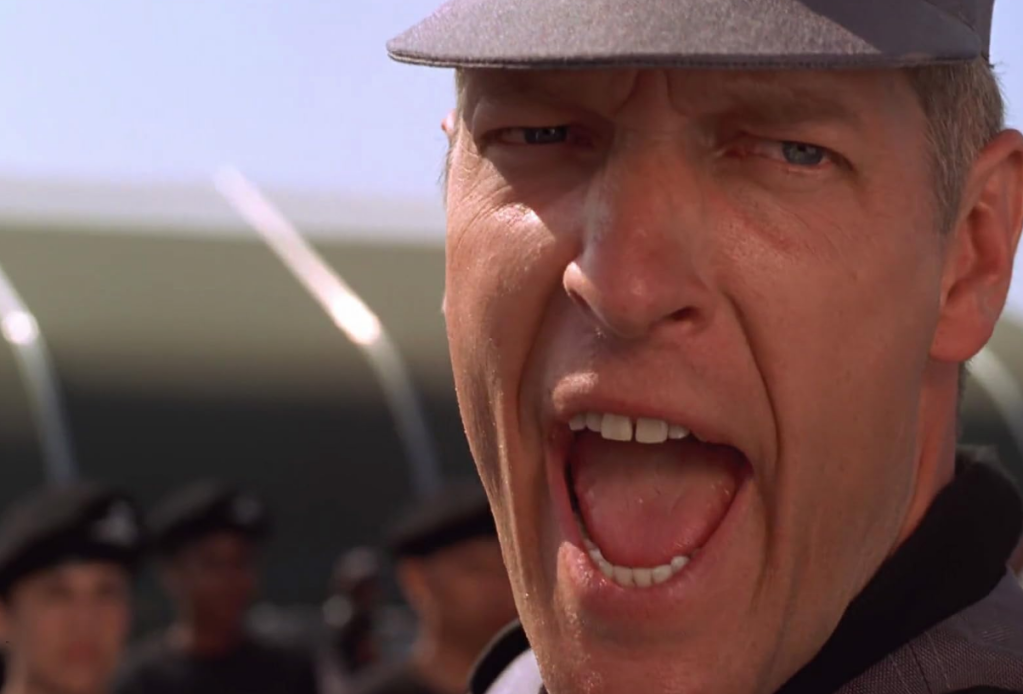
A master of intensity, Fichtner is the actor you call when a scene requires immediate, high-stakes authority. From his haunting performance in Heat to his pivotal turns in Black Hawk Down and The Dark Knight, Fichtner brings a frantic, nervous energy to authority figures that makes them feel dangerous.
Clancy Brown
Brown is perhaps the ultimate "voice and face." While his booming, distinctive voice is known to every fan of SpongeBob SquarePants, his live-action career is a masterclass in menace. From the sadistic guard Captain Byron Hadley in The Shawshank Redemption to the hardened veteran in Starship Troopers, Brown is the gold standard for cinematic heavies.
Zeljko Ivanek
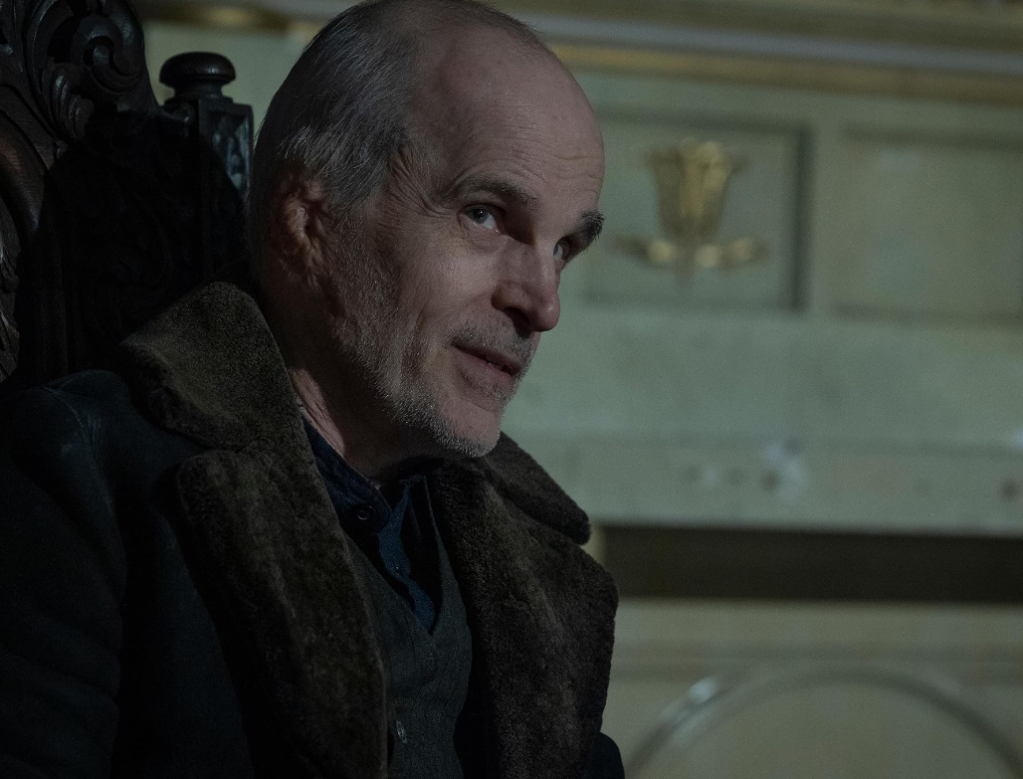
Ivanek is the thinking person’s character actor. He specializes in the bureaucracy of power. Whether he is playing a beleaguered diplomat, a sharp-tongued lawyer, or a government official, he imbues his characters with a weariness that perfectly encapsulates the toll of professional life in high-stress environments.
David Dastmalchian
Representing the new guard, Dastmalchian has carved out a niche in the "nerd-culture" zeitgeist. His ability to play the outsider—whether as a Joker henchman, a Russian hacker, or a futuristic mutant in Dune—has made him a secret weapon for directors like Christopher Nolan and Denis Villeneuve.
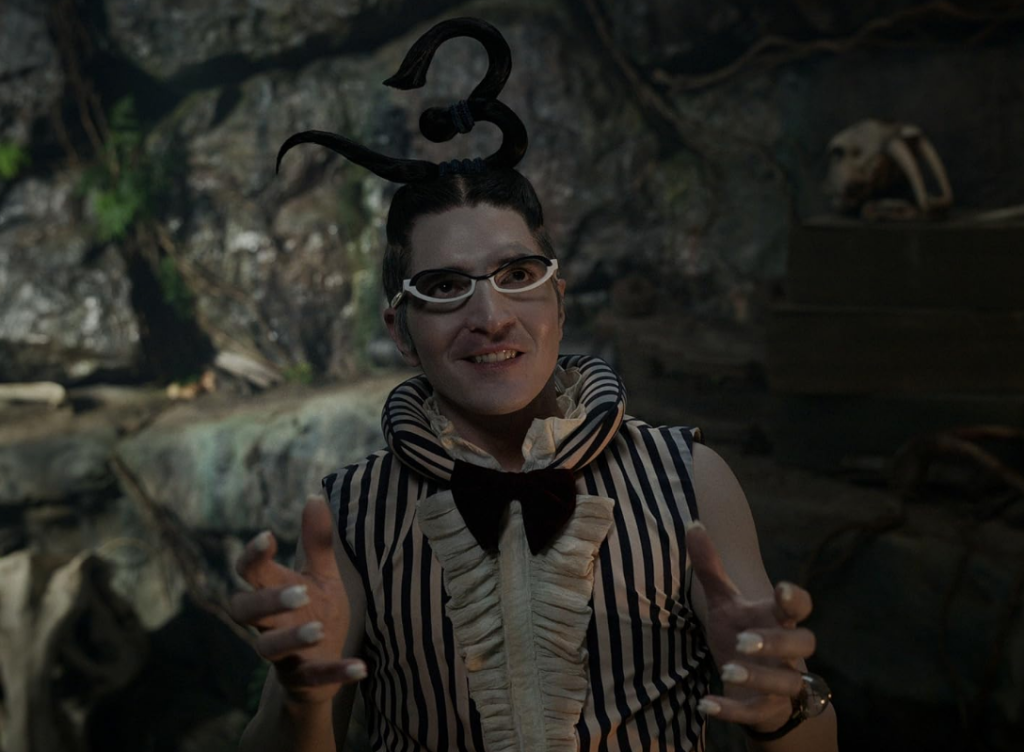
M.C. Gainey
With his imposing frame and rough-hewn features, Gainey has spent a lifetime playing the men you don’t want to cross. He occupies the space between the outlaw and the sheriff, appearing in everything from the cult-classic Con Air to the stylized violence of Django Unchained.
Titus Welliver
Welliver’s career is defined by consistency. Before he became the titular star of Bosch, he was the guy you saw in every Ben Affleck directorial effort (The Town, Gone Baby Gone). He possesses a naturalistic, blue-collar gravitas that anchors films in a gritty, urban reality.
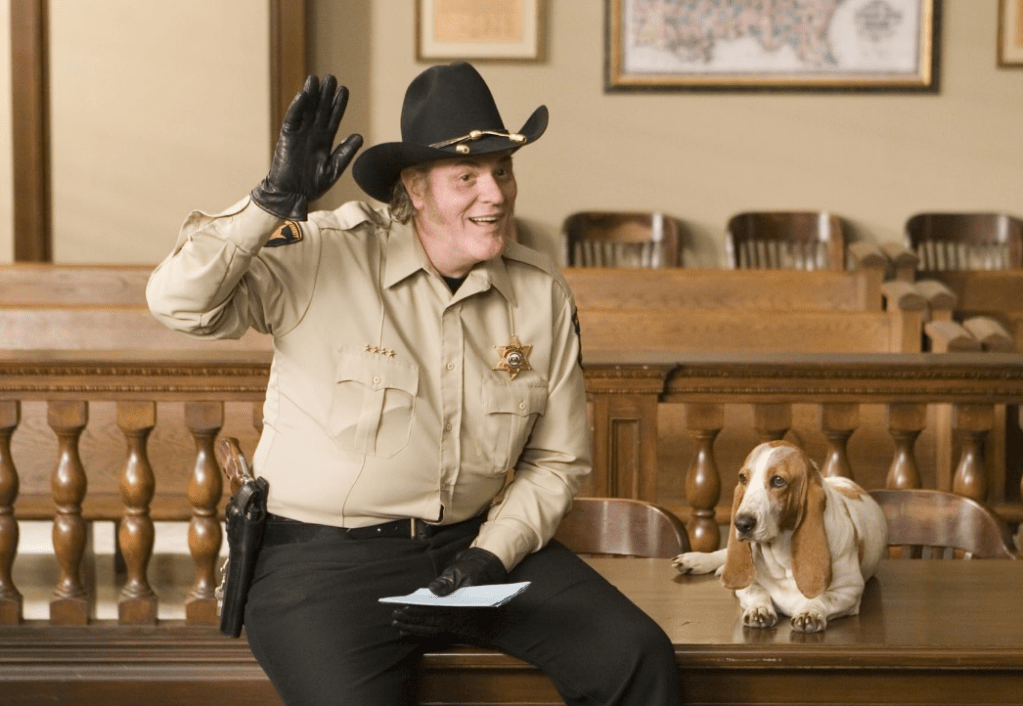
J.T. Walsh
Though no longer with us, Walsh’s legacy is monumental. He possessed an uncanny ability to make a character feel both incredibly powerful and deeply insecure. In his heyday, if a film featured a corporate conspiracy, J.T. Walsh was almost certainly the man pulling the strings.
Xander Berkeley
Berkeley is a chameleon. Often playing the "company man" with a sinister edge, his career spans from indie thrillers to massive blockbusters. He has a unique talent for playing characters who seem ordinary until the exact moment they reveal their darker intentions.
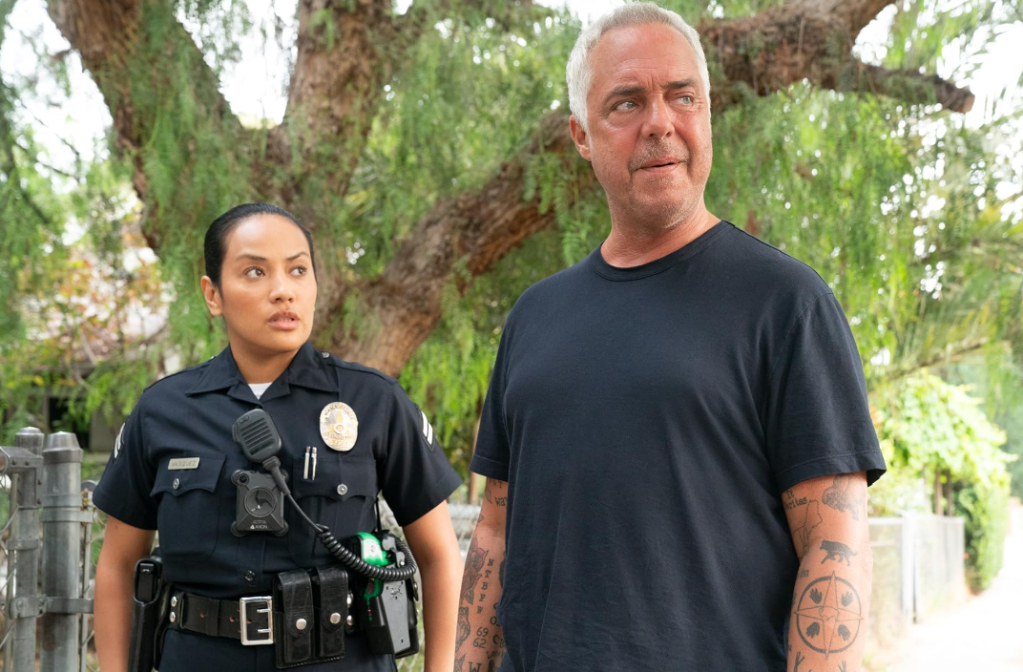
James Rebhorn
Rebhorn was the quintessential "establishment" actor. He could play the stern father, the corrupt politician, or the well-meaning doctor with equal conviction. His presence in classics like Scent of a Woman and Independence Day provided the necessary societal backdrop for the heroes to rebel against.
Miguel Sandoval
Sandoval has been the backbone of the crime drama for decades. His ability to portray authority—detective, commander, or bureaucratic boss—with a sense of lived-in complexity has made him a staple of the procedural genre.
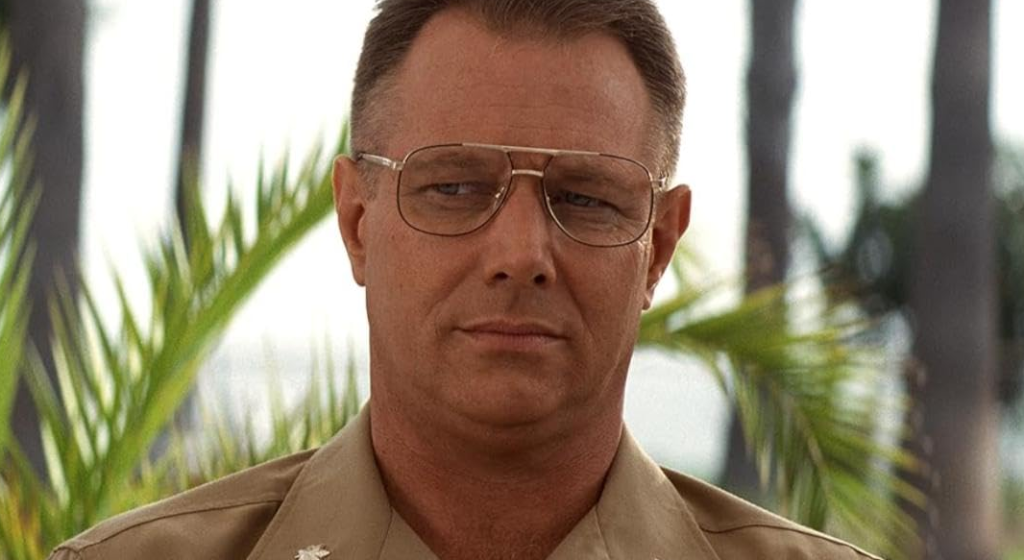
Al Leong
A true legend of the stunt and acting world, Leong is the face of the 80s action villain. His martial arts background allowed him to bring a physical threat to films like Big Trouble in Little China and Lethal Weapon, proving that a character doesn’t need a monologue to be unforgettable.
Tommy Flanagan
Recognizable for the scars that have become a hallmark of his screen presence, Flanagan brings a soulful, weary danger to his roles. His work in Sons of Anarchy and his various appearances in Ridley Scott epics prove that he is one of the most compelling dramatic actors currently working.
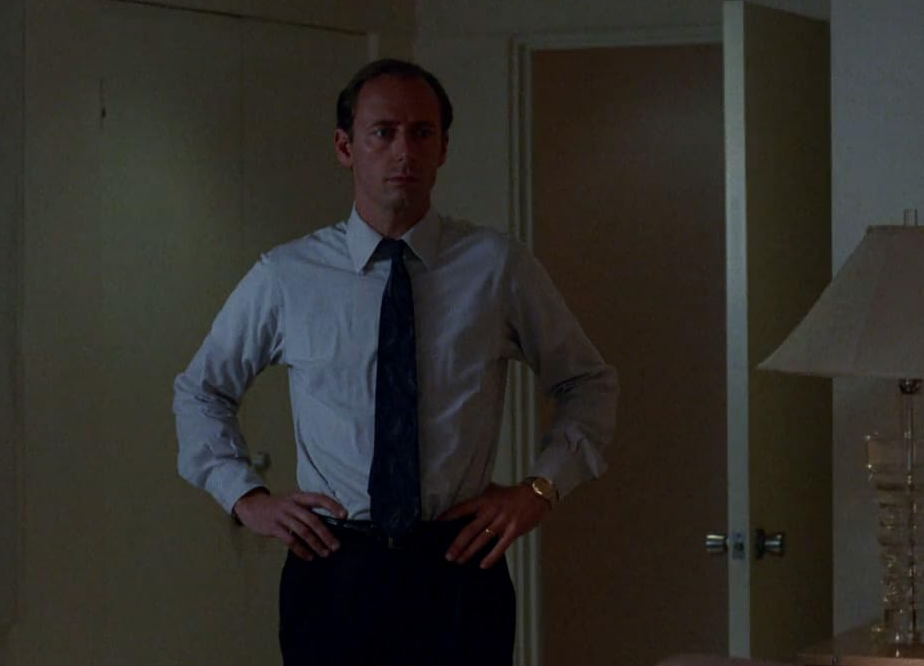
Kevin Dunn
Dunn is the master of the "everyman in a suit." Whether he’s a frantic press secretary or a bewildered father, he brings a grounded, relatable quality to even the most heightened cinematic scenarios.
Peter Stormare
Stormare is the eccentric’s eccentric. He leans into the strange, the dark, and the absurd. From the terrifying Gaear Grimsrud in Fargo to the underworld fixer in Constantine, Stormare proves that character acting is often about embracing the weirdness of the human condition.
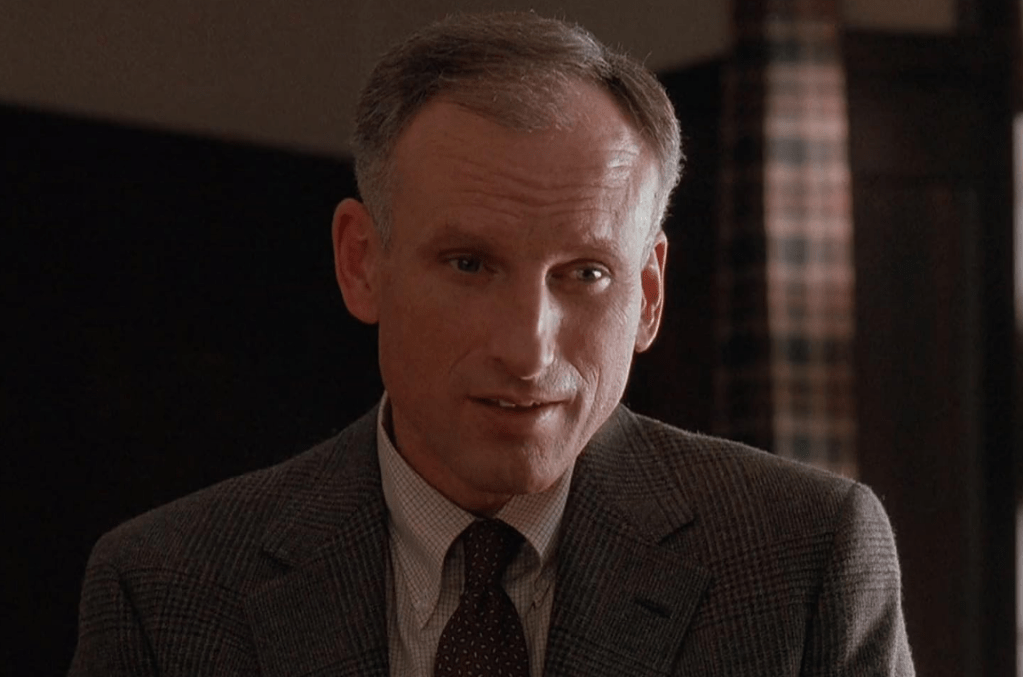
Implications for Future Filmmaking
The continued reliance on these actors highlights a shift in audience behavior. In the age of streaming, where viewers are bombarded with content, the presence of a "familiar face" acts as a comfort signal. When an audience sees Fichtner or Brown, there is an immediate, subconscious understanding of the tone of the film.
Furthermore, the rise of "prestige character actors" has implications for casting directors. There is a growing movement to give these performers more substantial, nuanced material, rather than relegating them to "the guy who gets arrested in scene three." As audiences become more sophisticated, the demand for these actors to be treated as legitimate co-leads rather than background furniture is only likely to grow.
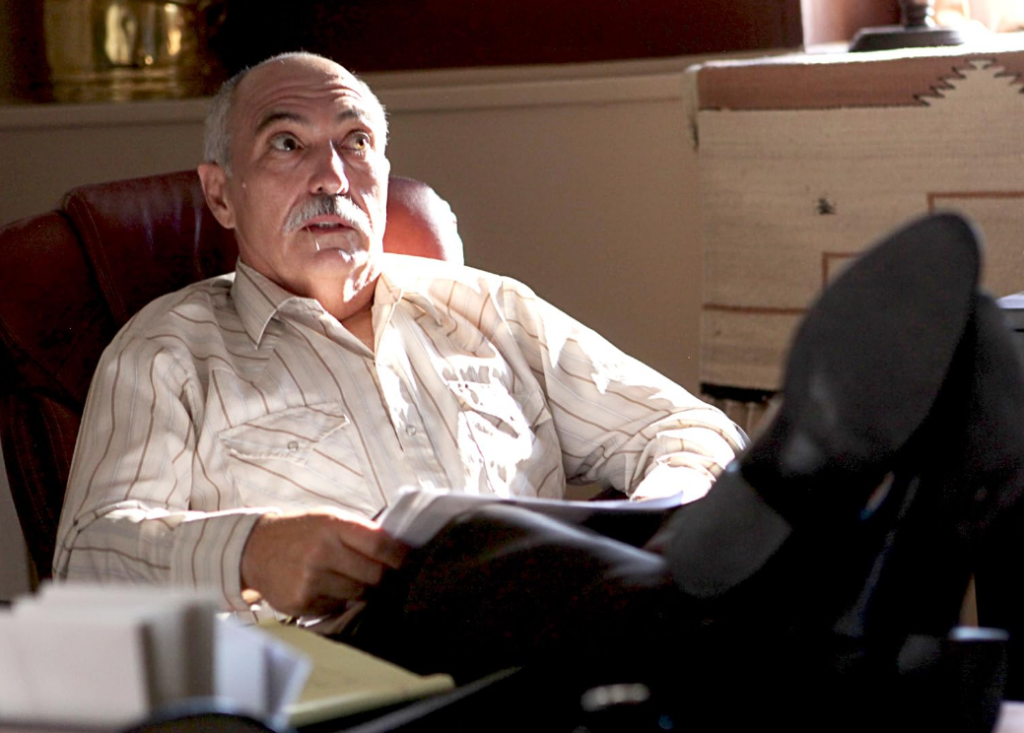
Conclusion: The Legacy of the Background
We often define films by the people on the poster, but the history of cinema is written by the people in the margins. These 14 actors have, through sheer persistence and undeniable talent, built a mosaic of performances that collectively define the American cinematic experience. They are the ones who make the world of the film feel populated, lived-in, and real. Next time you find yourself pointing at the screen and whispering, "Hey, I know that guy," remember that you are witnessing the engine of Hollywood at work.









No comments yet. Be the first to join the conversation!