Pevita Pearce
For over a decade, the James Bond franchise has remained largely dormant within the interactive gaming space, leaving a void that many fans feared might never be filled. That silence was broken this week at the world premiere of 007 First Light, the highly anticipated project from IO Interactive. As the first dedicated Bond title since 2012, the game aims to do more than just revive a classic brand; it seeks to redefine the marriage between cinematic storytelling and player agency.
With Hollywood-grade production values, a star-studded ensemble cast, and a suite of high-end brand partnerships—including the consumer availability of Bond’s iconic Omega timepiece—First Light signals a bold departure from the arcade-style shooters of the past. It is, by all accounts, an ambitious attempt to prove that the world’s most famous secret agent not only belongs in video games but is perhaps better suited to the medium than any other property.
The Evolution of the Bond Archetype
Historically, the Bond gaming experience has been defined by distance. Players were often given little more than a first-person view of a tuxedo-clad arm or a static character model that lacked emotional depth. The limitations of hardware meant that characterization was secondary to the "gadgetry" and the thrill of the chase.
However, the rapid maturation of motion capture (mocap) and facial animation technology has bridged the gap between film and play. In 007 First Light, the characters are no longer mere avatars; they are performance-captured entities capable of nuanced expression and complex psychological weight. This shift in technology has fundamentally changed the requirements for the actors involved, pushing them toward a form of performance that is less about static lines and more about total physical and emotional immersion.
Chronology: From Stagnation to State-of-the-Art
The journey to 007 First Light has been long and fraught with industry speculation. After the relative stagnation of the franchise following the 2012 releases, the gaming community remained divided. Critics often argued that Bond’s linear, narrative-heavy nature was antithetical to the open-ended design of modern gaming.
- 2012: The last major console release for the 007 franchise, marking the beginning of a prolonged hiatus.
- 2020: IO Interactive, the studio renowned for its Hitman series, officially announces they have secured the license to develop a new James Bond project, then codenamed "Project 007."
- 2023–2024: Development enters high-gear, with a focus on blending the studio’s expertise in stealth and systemic sandbox gameplay with a linear, cinematic narrative structure.
- 2025: The world premiere of 007 First Light, showcasing the result of years of motion capture development and performance art.
The "Humble" Reality of Motion Capture
One of the most revealing aspects of the premiere was the cast’s candid discussion regarding the technical process of bringing the game to life. Far from the glamorous image of the MI6 world, the actors described a grueling, highly technical, and occasionally absurd creative environment.
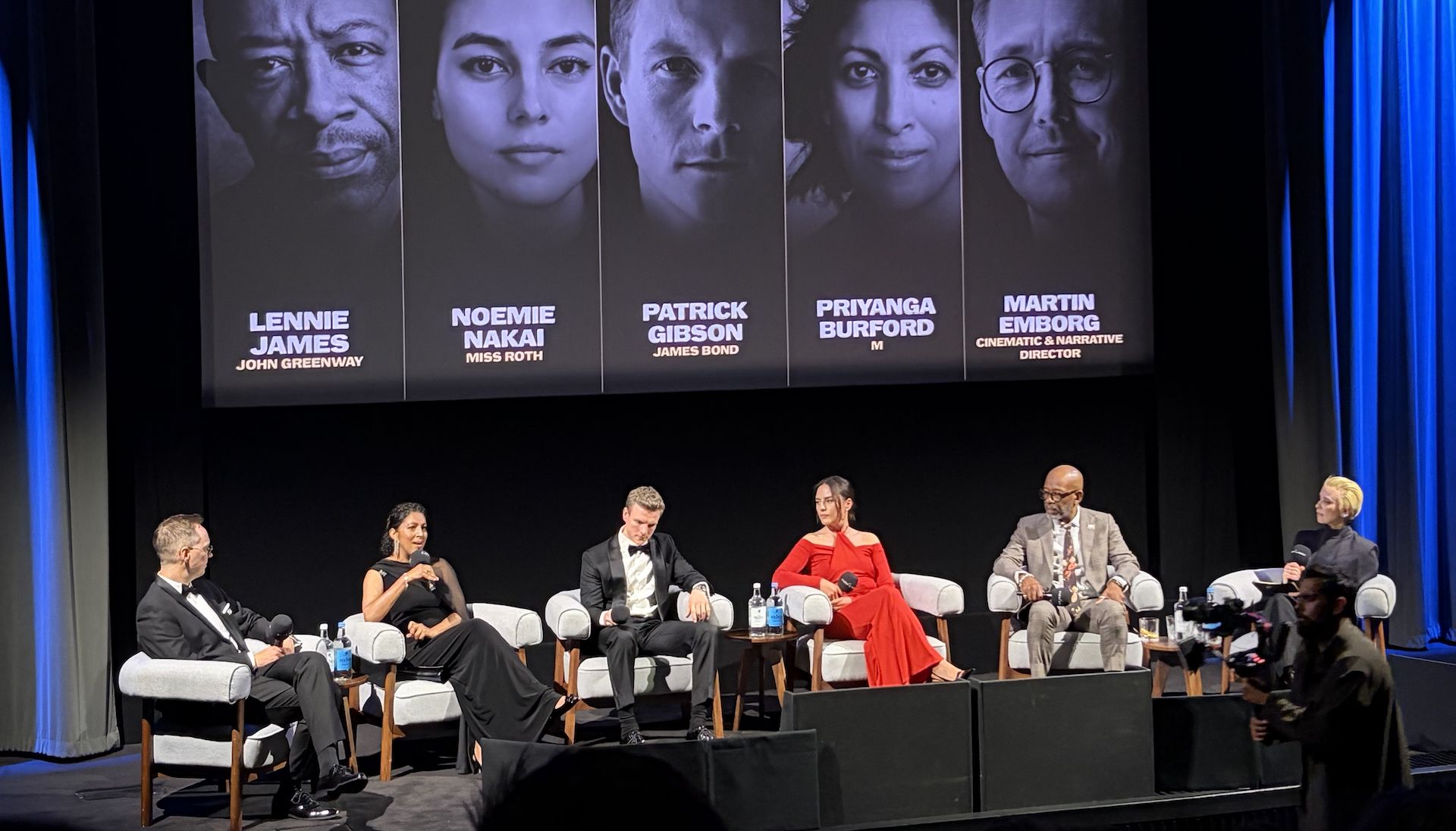
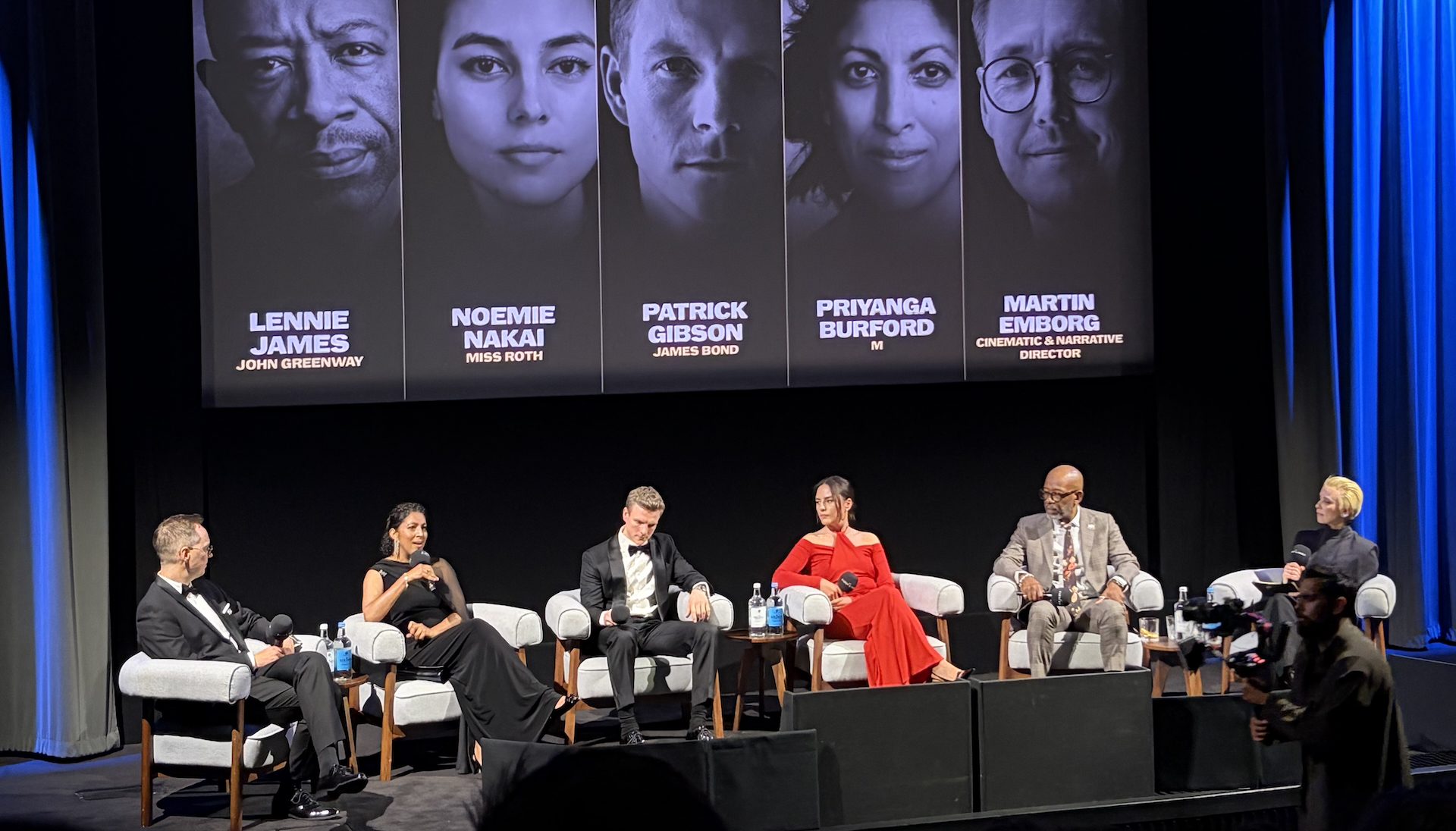
Priyanga Burford, who steps into the pivotal role of M, highlighted the surprising demands placed on the cast. "I hadn’t accounted for how much they wanted actors to bring the craft of acting to this work," she remarked. "Being asked to do something skillful and nuanced was a real pleasure."
Yet, that pleasure came with a distinct lack of dignity. "The motion capture suits are humbling," Burford admitted. "We all got to know each other really well, in a big grey condom."
This sentiment was echoed by Lennie James, cast as the character Greenway. His anecdotes provided a comedic window into the bizarre reality of professional motion capture. "A couple of times I went to the toilet with the [mocap gear] still on me. People ran after me and said, ‘You don’t want to do that.’ But ultimately, I had to keep reminding myself it’s for a game, not film or TV. Even though there are all these cameras and 75 nerds in the backgrounds, you get so into it."
The Weight of the Mantle: A Word from 007
Perhaps the most scrutinized element of the game is the portrayal of James Bond himself, played by Patrick Gibson. Stepping into a role previously occupied by cinematic icons like Sean Connery, Pierce Brosnan, and Daniel Craig is no small feat. Gibson expressed a mixture of excitement and existential hesitation regarding the nature of the medium.
"It’s bizarre to have players play me," Gibson said during the premiere. "Be nice to me is all I ask—don’t do anything I wouldn’t do. The idea that somebody is stepping into my shoes is a weird thing. But really, they’re not doing it as me. They’re doing it as Bond."
This distinction—that the player is not controlling an actor’s performance but rather inhabiting the archetype of Bond—is crucial to the success of 007 First Light. It positions the player as an active participant in the Bond legacy rather than a passive observer.
Implications for the Gaming Industry
The release of 007 First Light carries significant implications for the future of licensed video games. For years, the industry has wrestled with the "licensed game curse," where products are rushed to market to coincide with film releases, often resulting in subpar quality.
IO Interactive’s approach appears to be the inverse: treat the source material with the reverence of a prestige television series and the technical rigor of a AAA gaming production. By focusing on the "craft of acting" and utilizing high-end motion capture, the studio is setting a new standard for how film franchises should be adapted for interactive media.
Furthermore, the integration of brand partnerships suggests a new economic model for such games. When the watch on the protagonist’s wrist is a real-world object available for purchase, the line between "game product" and "lifestyle brand" begins to blur. This creates a multi-layered ecosystem where the player’s immersion extends beyond the console and into their physical life.
Conclusion: A New Era
As we move closer to the official launch, the debate over whether James Bond "belongs" in video games seems increasingly moot. 007 First Light is not merely an adaptation; it is a sophisticated evolution of the Bond mythos. By combining the intimate, humanizing power of modern motion capture with the narrative structure of a spy thriller, IO Interactive is positioning 007 to dominate the digital landscape just as effectively as he has the cinematic one.
If the project succeeds, it will likely pave the way for a new wave of narrative-driven, performance-heavy adaptations. For now, however, the message from the cast and the developers is clear: they have done the heavy lifting, they have worn the "grey suits," and they have poured their craft into the pixels. The rest, as they say, is up to the player. The license to thrill has been renewed—and it has never looked more human.


 Reynand Wu
 Nana Wu