

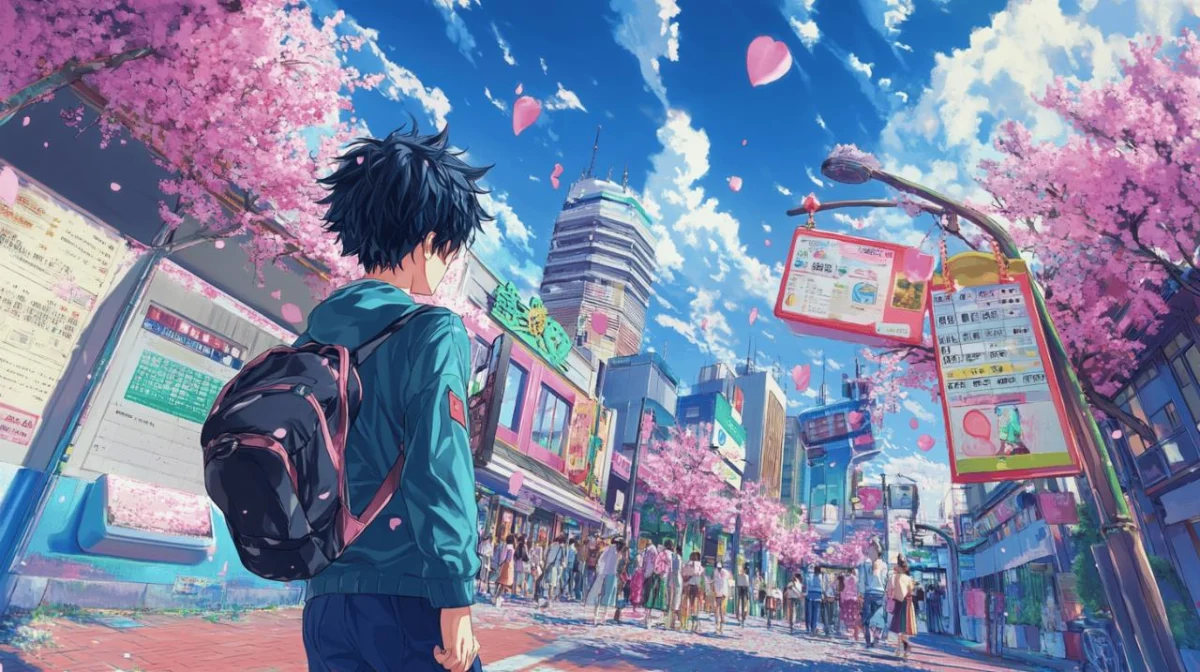
The landscape of modern romantic comedy anime is often defined by tropes, but few series have navigated the treacherous waters of childhood trauma and psychological metamorphosis as effectively as Masamune-kun’s Revenge. Created by writer Hazuki Takeoka and illustrator Tiv, the saga has evolved from a seemingly simple tale of spiteful retribution into a nuanced exploration of identity, social masks, and the fragility of human connection. As the franchise continues to expand—most notably with the anticipation surrounding the latest narrative developments—it is essential to dissect how this story of a "piglet" turned "prince" has captivated audiences globally.
Main Facts: The Anatomy of a Rom-Com Phenomenon
At its core, Masamune-kun’s Revenge follows the life of Masamune Makabe, a young man who was once cruelly rejected by the wealthy and beautiful Aki Adagaki. The source of his torment was a childhood nickname—"porcelet"—which shattered his self-esteem and propelled him into a rigorous regimen of diet and exercise. Years later, he returns as a physically perfect, charismatic student, aiming to make Aki fall in love with him, only to orchestrate a humiliating rejection in return.
However, the premise is merely a facade for a deeper narrative. Published by Ichijinsha in Japan and licensed for the French market by Meian, the manga spanned 11 volumes between 2012 and 2018. The adaptation by studio Silver Link has brought this high-stakes emotional game to life, utilizing a vibrant visual style to contrast the characters’ internal turmoil with their polished, public-facing exteriors.
Chronology of a Transformation
The narrative arc of Masamune-kun’s Revenge can be mapped through several distinct phases, each moving further away from the initial "revenge" plotline.
Phase 1: The Architect of Deception
In the early stages of the story, the primary driver is Masamune’s calculated precision. His transformation is not merely physical; it is an act of total reinvention. During this period, the audience is introduced to the "social masks" worn by the main duo. Masamune acts as the charming heartthrob, while Aki maintains her reputation as the "Cruel Princess," a cold, untouchable figure who rejects potential suitors with brutal efficiency.
Phase 2: The Cracks in the Facade
As the series progresses, the "revenge" plan encounters the friction of reality. The introduction of characters like the loyal but secretive Yoshino Koiwai and the bold Neko Fujinomiya serves to destabilize Masamune’s singular focus. These interactions force the protagonist to confront the reality that his target—Aki—is as much a prisoner of her own social expectations as he is of his past.
Phase 3: The Shift Toward Authenticity
The latter half of the manga and the subsequent anime arcs mark a pivot toward genuine emotional resolution. The "third act" of the story, which expands upon the unresolved tensions of the original series, delves into the aftermath of the initial vendetta. Here, the narrative shifts from "how to hurt" to "how to heal," as the protagonists realize that their shared past is not a weapon to be wielded, but a bridge to understanding.
Supporting Data: Behind the Scenes of the Adaptation
The success of Masamune-kun’s Revenge is inextricably linked to the synergy between the print medium and the animation studio. Silver Link’s production, which includes two seasons and a notable OAV (Original Animation Video) released in 2018, has been lauded for its fidelity to Tiv’s character designs.
- The Manga Foundation: Spanning 11 volumes, the source material provided a roadmap for pacing that allowed the anime to maintain a consistent tone.
- Visual Interpretation: The transition from static pages to animation required a significant artistic shift. The studio focused on the expressive nuances of the characters—the slight shift in an eye, the hesitation in a smile—to convey the internal struggles that are often internal monologues in the manga.
- Global Reach: The series has found a significant audience through streaming platforms like Crunchyroll. The availability of the series in multiple languages has allowed for a global discourse on the themes of the show, specifically the toxicity of beauty standards in Japanese school life.
Official Responses and Creative Vision
Hazuki Takeoka and Tiv have frequently discussed in interviews the difficulty of writing a protagonist whose primary motivation is inherently "unlikable." The "revenge" aspect is, according to the creators, a narrative device intended to show how trauma can warp one’s perception of love.
"Masamune is a character who believes that by changing his body, he can change his worth," Takeoka once remarked during a promotional event. "The story isn’t really about revenge; it’s about the moment he realizes that his physical perfection hasn’t filled the void left by his childhood experience."
Studio Silver Link, in their production notes, highlighted the challenge of balancing the comedic elements—the absurdity of the school setting—with the heavy emotional beats of the flashbacks. The director emphasized that the "third season" and related expansions are designed to provide closure not just to the romance, but to the individual growth of every supporting character, including the controversial Kanetsugu Gasou.
The Implications: Identity in the Digital Age
The cultural relevance of Masamune-kun’s Revenge lies in its commentary on how we curate our identities. In an era dominated by social media and the constant projection of a "perfect" self, Masamune’s struggle resonates deeply with contemporary audiences.
The Weight of Physical Judgment
The series does not shy away from the cruelty of the "porcelet" nickname. It serves as a stark reminder of how early childhood bullying can dictate the trajectory of an entire life. By showing the long-term psychological impact of these judgments, the series invites viewers to reflect on the permanence of words and the superficiality of social hierarchies.
The Search for Truth
As the series moves toward its conclusion, the central theme becomes the search for authenticity. The characters must learn to shed their "masks"—the princess, the prince, the servant—to engage with one another honestly. This evolution is the defining feature of the modern shōnen romance, where the "happily ever after" is predicated on self-acceptance rather than the acquisition of a romantic partner.
Expanding the Universe: The Future of the Franchise
Looking ahead, the continued interest in the franchise suggests that fans are not just interested in the conclusion of the romance, but in the character studies presented by Takeoka. The development of secondary characters like Yoshino and Neko has been particularly well-received, as they represent different ways of coping with the same pressures that Masamune and Aki face.
The "third season" and ongoing ancillary content are poised to tackle the lingering questions regarding the "misremembered" past. The discrepancy between how Aki and Masamune recall their childhood encounters is a masterclass in subjective storytelling, forcing the viewer to piece together the truth from incomplete and biased memories.
Conclusion
Masamune-kun’s Revenge has successfully transcended its initial premise of a petty revenge story. It has become a complex tapestry of human behavior, showcasing the intricate dance between our past selves and who we aspire to be. Through its careful blend of humor, drama, and psychological depth, it remains a pillar of the genre, proving that even the most damaged individuals can find redemption if they are willing to drop the masks they have worked so hard to maintain. As the saga continues to influence new works in the industry, the lessons learned by Masamune and Aki remain a poignant reflection of our own journey toward authenticity in an increasingly superficial world.











No comments yet. Be the first to join the conversation!