In the quiet, historic corridors of the Senshu area in Osaka, Japan, a profound tradition has been quietly unfolding for over three centuries. Since its founding in 1716, a legendary sake brewery has stood as a bastion of Japanese craftsmanship, bridging the gap between the rigid, disciplined beauty of the Edo period and the refined, globalized appreciation of premium sake today. Located just a short distance from the bustling gateway of Kansai International Airport, this brewery offers more than just a product; it offers a portal into the soul of Japanese culture.
As the world increasingly seeks authentic, hands-on cultural tourism, this brewery has opened its doors—and its history—to international visitors, providing an immersive tour that spans from the architectural elegance of Taisho-era residences to the sensory-rich depths of active fermentation tanks.
The Heritage of Senshu: A Living Cultural Treasure
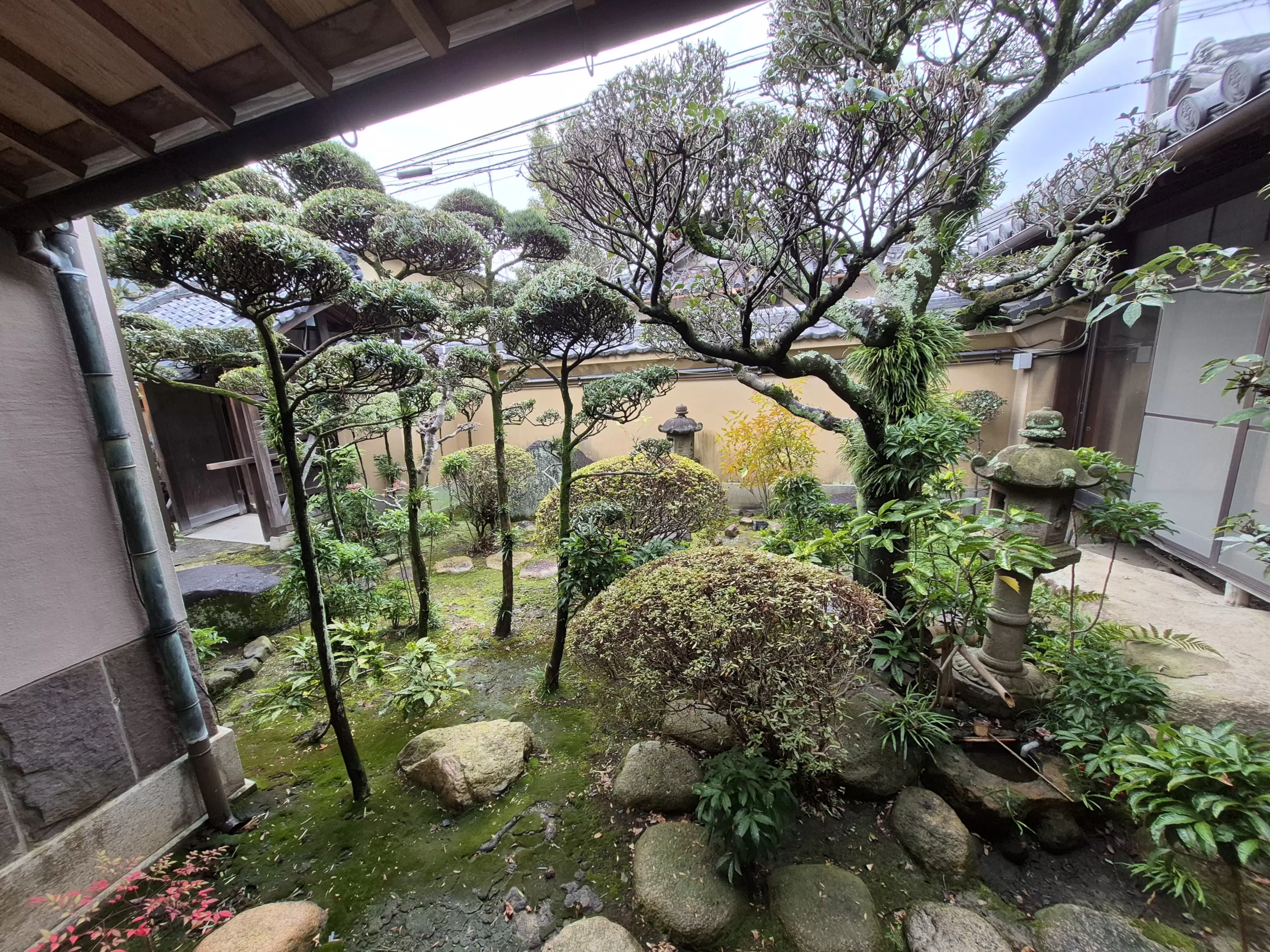
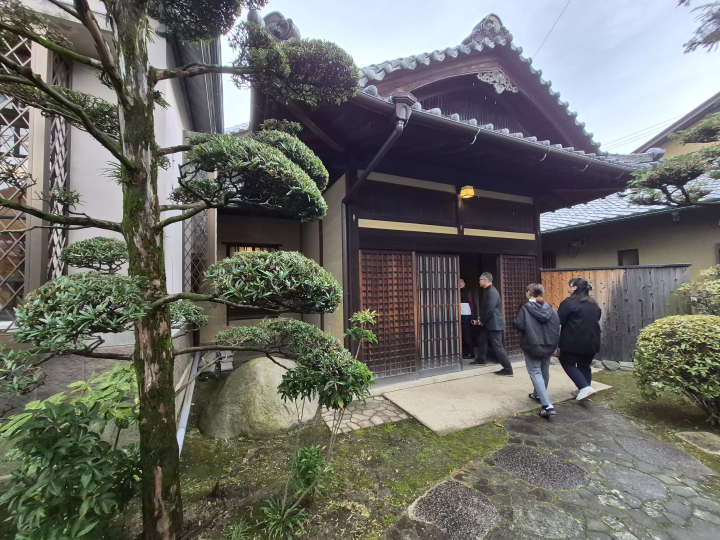
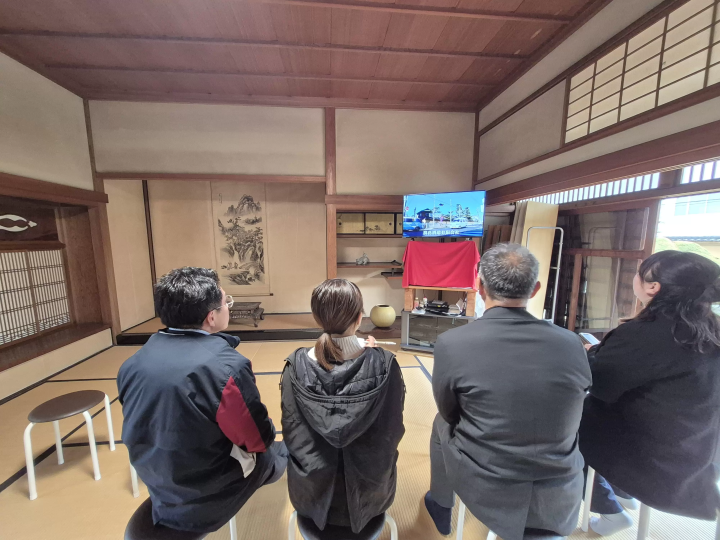
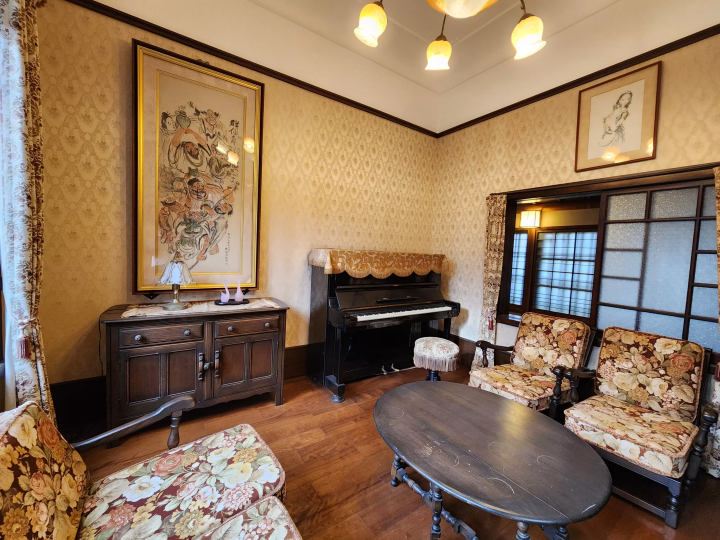
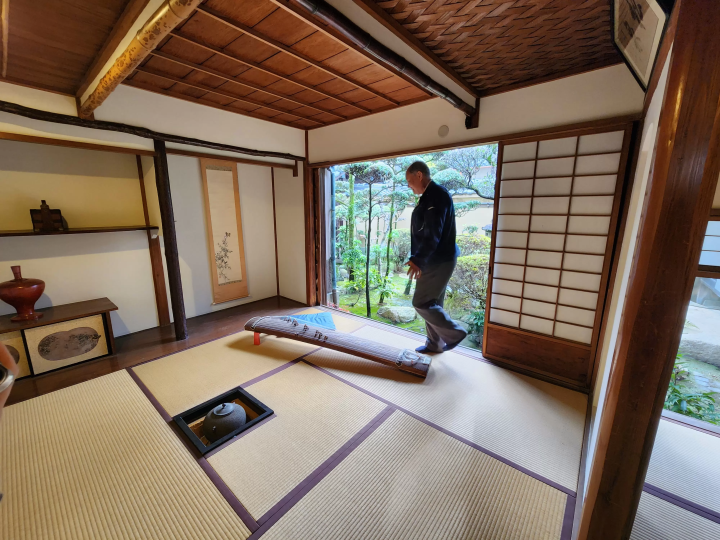
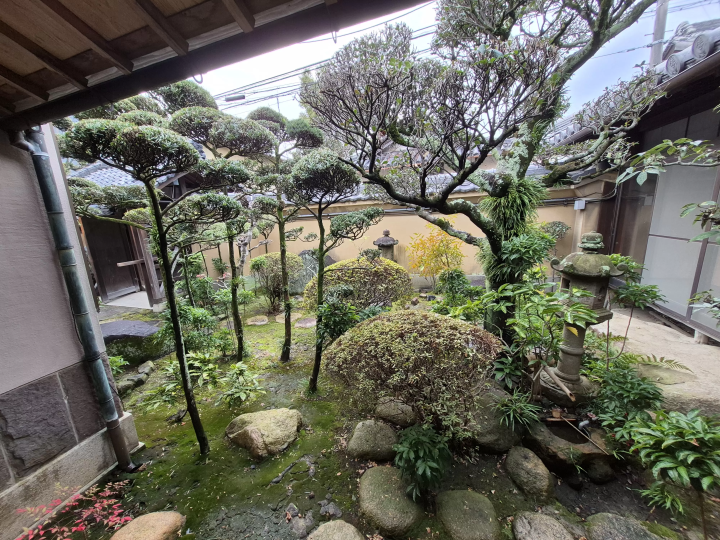
The tour begins not in a factory, but in the heart of a home. The main residence, a designated Registered Tangible Cultural Property of Japan, serves as the initial threshold for visitors. Built in 1916, this architectural gem showcases the aesthetic sensibilities of the Taisho era, characterized by a seamless blend of traditional Japanese tatami rooms and Western-influenced design.
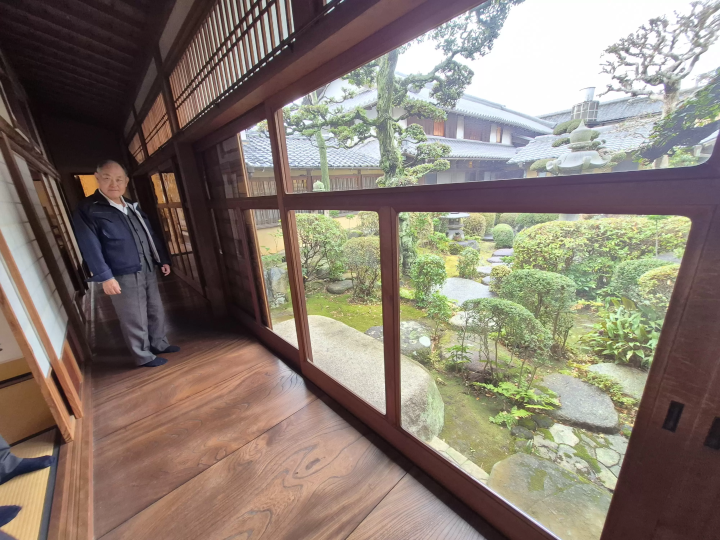
For the modern traveler, this space is a sanctuary. Visitors are guided through rooms where time seems to have suspended its march. Here, one finds handmade "wavy" glass—a rare, century-old material that distorts the world outside into a soft, glowing canvas. The interplay of natural light filtering through this glass and the quiet, manicured Japanese garden outside creates a meditative environment, setting the tone for the educational journey that follows.
The Role of Leadership in Storytelling
What elevates this experience above standard industrial tourism is the direct involvement of the brewery’s leadership. It is a rare privilege for visitors to be guided personally by the brewery’s president or chairman. These sessions are not mere lectures; they are intimate exchanges of philosophy, family history, and the untold challenges of maintaining a 300-year legacy. This personal connection bridges the gap between the consumer and the artisan, turning a simple tour into a profound human experience.
The Alchemy of Sake: A Chronological Brewing Process
To understand the final product, one must understand the struggle and precision of its creation. The brewery’s philosophy—"crafting Japanese sake that truly satisfies the heart"—is rooted in a deep respect for the living ingredients: rice, koji mold, and yeast.
1. The Foundation: Rice Polishing and Well Water
The process begins with the raw material. Rice is polished to remove impurities, a critical step that determines the aromatic profile of the sake. This is paired with the brewery’s most prized asset: well water drawn from the Izumi Mountains, a source that has been utilized since the brewery’s inception in 1716. Unlike modern industrial processes, the brewery relies on this mineral-rich, pure water to define the unique terroir of the Senshu region.
2. The Art of Steaming and Koji Cultivation
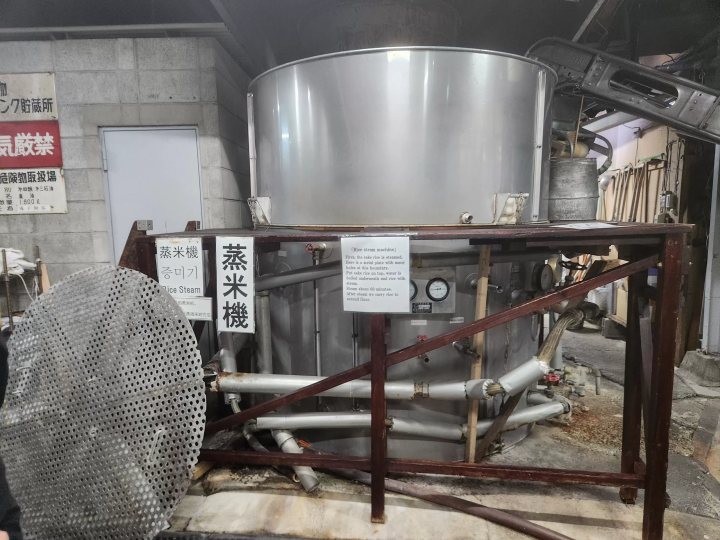
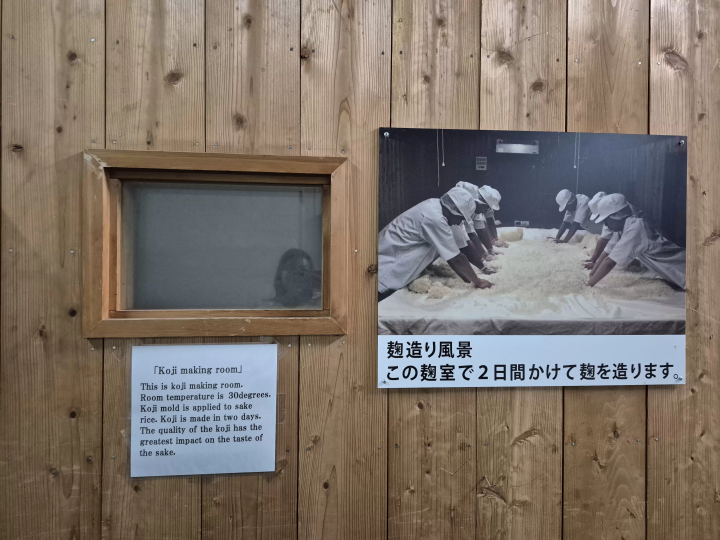
Following the washing of the rice, the steaming process requires a master’s intuition. By controlling steam pressure and timing, the artisans achieve a texture that is light, fluffy, and perfectly primed for the "magical moment": the introduction of koji mold. In the humidity-controlled koji room, the rice transforms into the enzyme-rich substrate that will eventually fuel the fermentation process.
3. Fermentation: The Living Heart of the Brewery
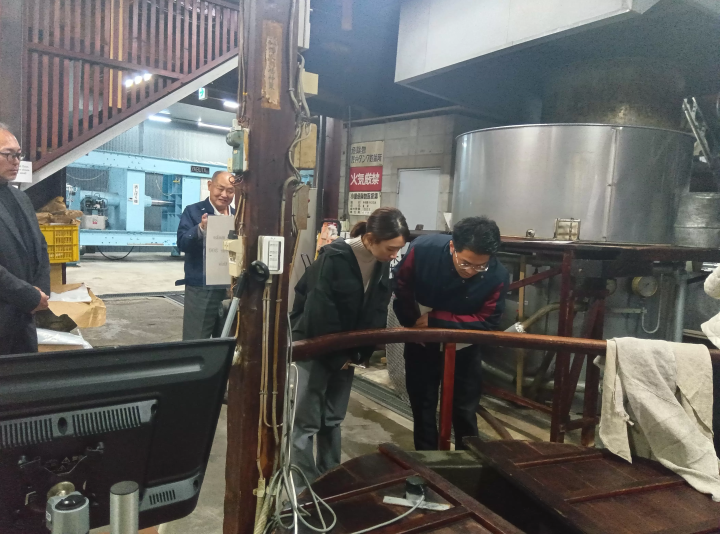
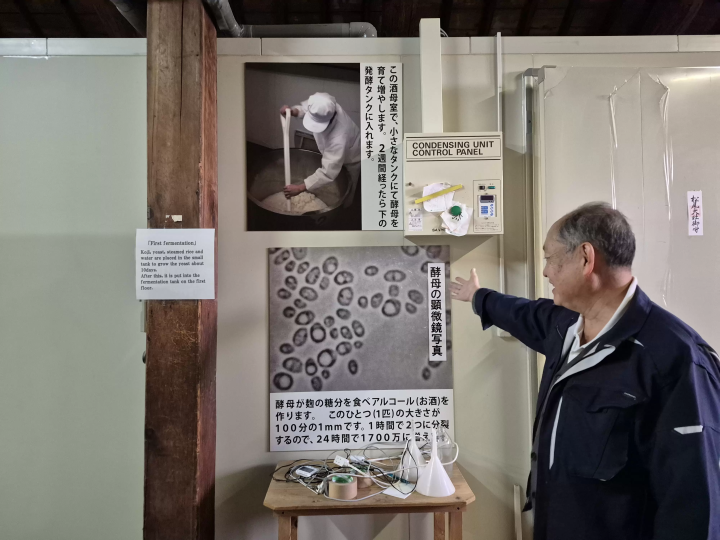
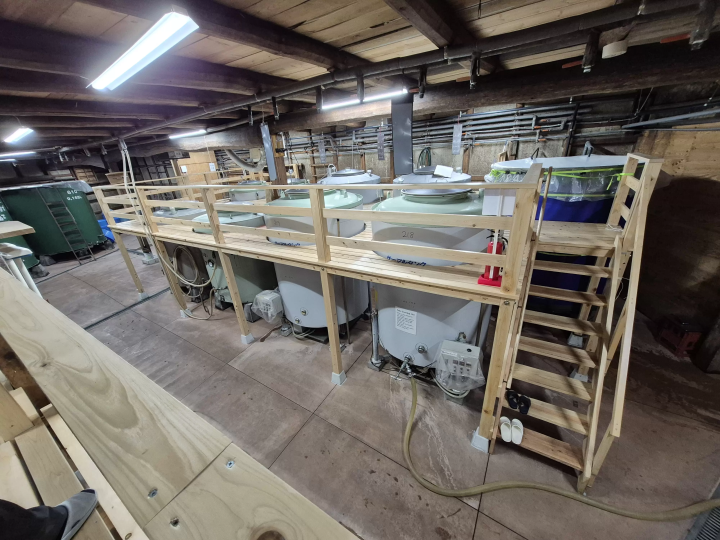
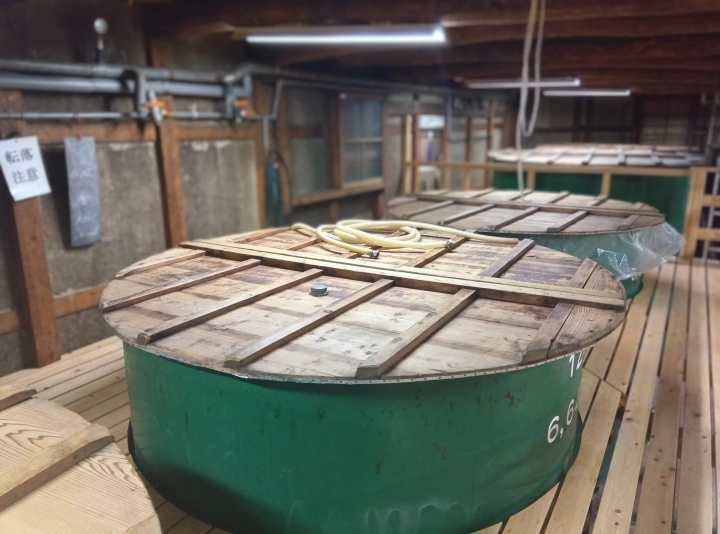
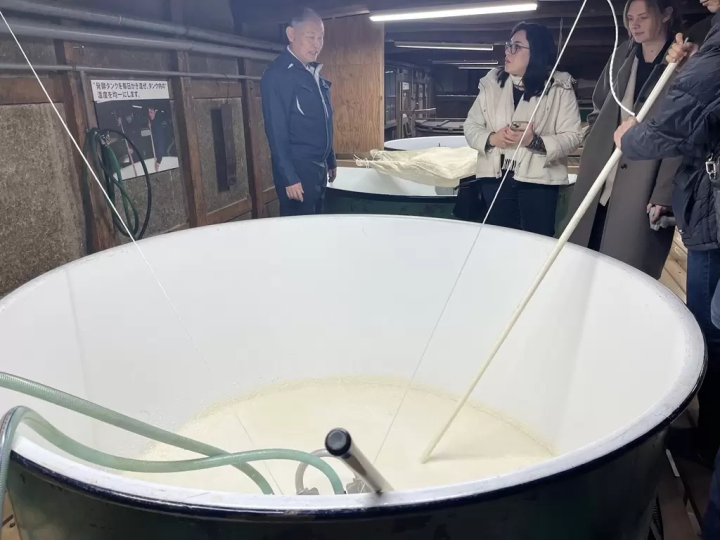
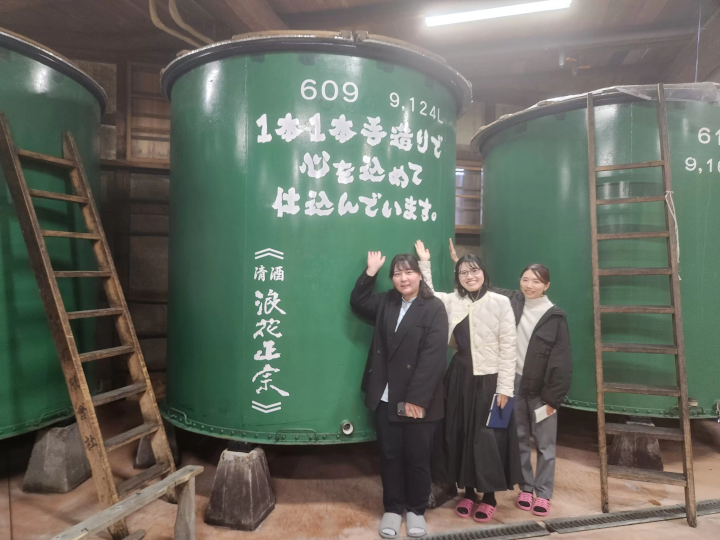
The tour moves to the brewery floor, where fermentation tanks stand like sentinels. Here, the traditional sandanjikomi (three-step brewing) method is employed. Over 20 to 40 days, the mash is monitored with a level of care that borders on the parental. Visitors can hear the gentle, rhythmic bubbling of the fermentation—a sound that represents the "breathing" of the sake.
During the peak of the season, guests are invited to participate in kai-ire, the manual stirring of the mash. This tactile engagement allows visitors to sense the temperature fluctuations and the evolving aroma of the fermenting brew, creating a visceral understanding of the brewer’s labor.
4. Refining the Final Product
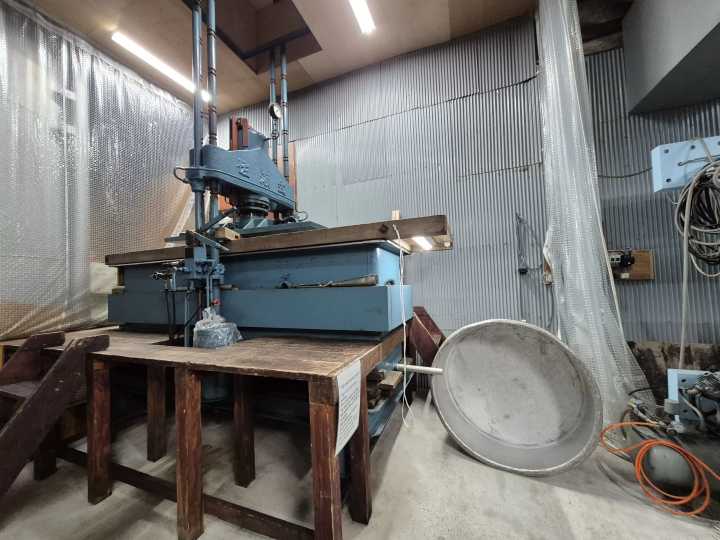
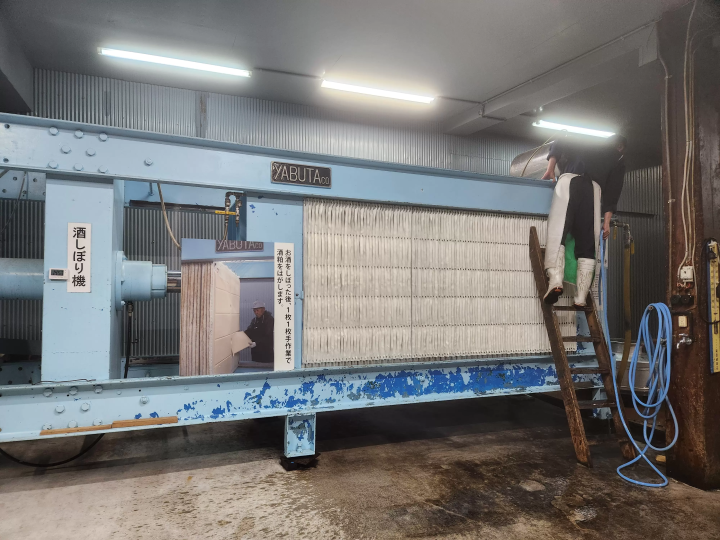
The final stages involve a unique horizontal pressing process. By opting for a horizontal press rather than the more common vertical method, the brewery exerts a gentler, more uniform pressure on the mash. This technical decision reduces the introduction of harsh, undesirable flavors, resulting in the clean, transparent, and refined finish that has earned the brewery its long-standing reputation.
Supporting Data and Accessibility
The brewery’s commitment to international accessibility is evidenced by its multi-language support. Introductory videos, available in English, Korean, and both Traditional and Simplified Chinese, ensure that the fundamental principles of sake brewing—such as the role of koji and the importance of yeast—are understood before visitors even step onto the production floor.
- Tour Duration: Approximately 90 minutes.
- Pricing: ¥2,300 per person (tax included).
- Capacity: Accommodates groups from 1 to 40 people.
- Logistics: Strategically located near Kansai International Airport, making it an ideal "first or last stop" for international itineraries.
Perspectives from the Field
The impact of this tour on the tourism sector has not gone unnoticed. Mr. N, a travel industry professional from Thailand, noted that the blend of historical architecture and industrial participation is a "valuable experience for international visitors."
"Being able to stir the sake in the fermentation tank was a highlight," Mr. N stated. "It shifted my perspective from seeing sake as a drink to seeing it as a living, breathing craft. I intend to incorporate this into our future travel packages as a premium cultural experience."
Implications for Cultural Heritage Preservation
The existence of this tour serves a dual purpose. Firstly, it provides a sustainable revenue stream that supports the maintenance of the Registered Tangible Cultural Property of Japan. By inviting the public into the private residence and the brewery, the family ensures that the costs of preserving 300-year-old traditions are met by those who value them most.
Secondly, it serves as a form of "industrial education." In an age of mass production, the survival of a brewery that relies on well water and manual labor is a statement against the homogenization of flavor. It teaches the global visitor that true luxury lies in patience, environmental harmony, and the willingness to let nature take its course under the watchful eye of a master.
How to Experience the Brewery
For those interested in visiting, the process is streamlined to ensure a personalized experience.
- Inquiry: Prospective visitors should reach out via the official contact form at least two weeks in advance.
- Coordination: Within three business days of an inquiry, the team at
[email protected]provides professional guidance on scheduling and logistics. - Preparation: Given the historical nature of the site, visitors are encouraged to arrive with an open mind, ready to engage all five senses.
Final Reflections
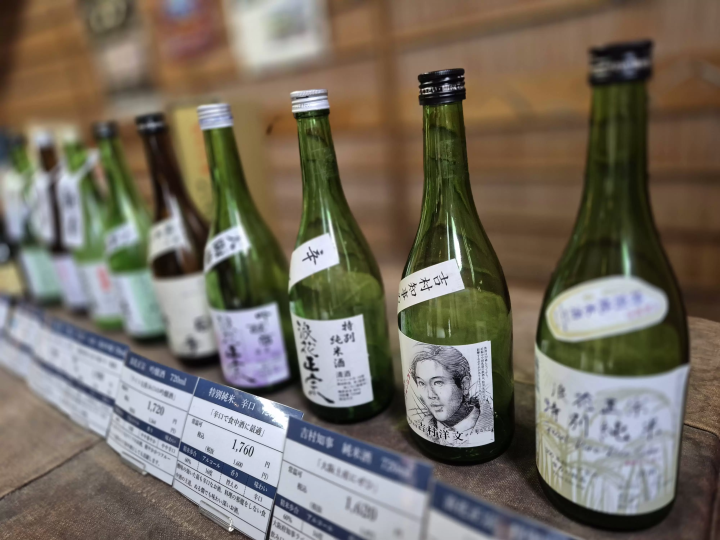
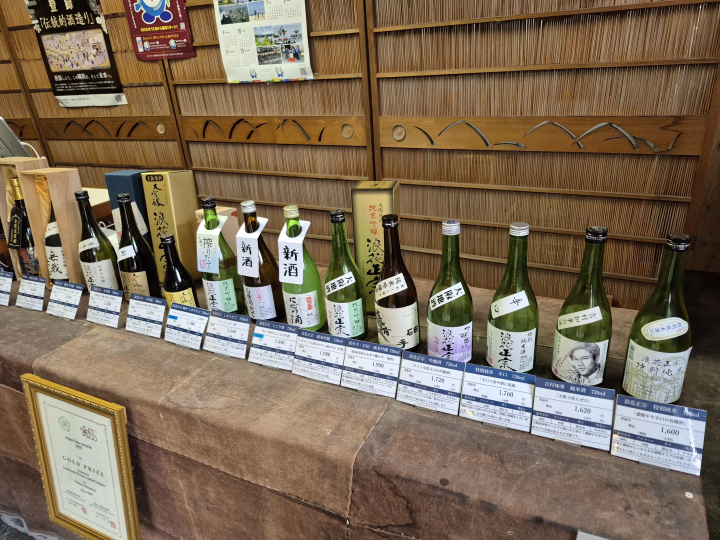
As the tour concludes in the direct sales shop, where visitors can sample the very products they witnessed being crafted, the journey comes full circle. To hold a bottle of sake here is to hold a vessel of history. It is a souvenir that carries the spirit of the Senshu region, the patience of the 10th-generation family, and the quiet dignity of a craft that has survived three centuries of change.
Whether you are a connoisseur of fine spirits or a student of Japanese history, this 300-year-old brewery offers a rare, unfiltered, and deeply moving connection to the past. It is, quite simply, one of the most authentic cultural experiences available in the Osaka area today.