

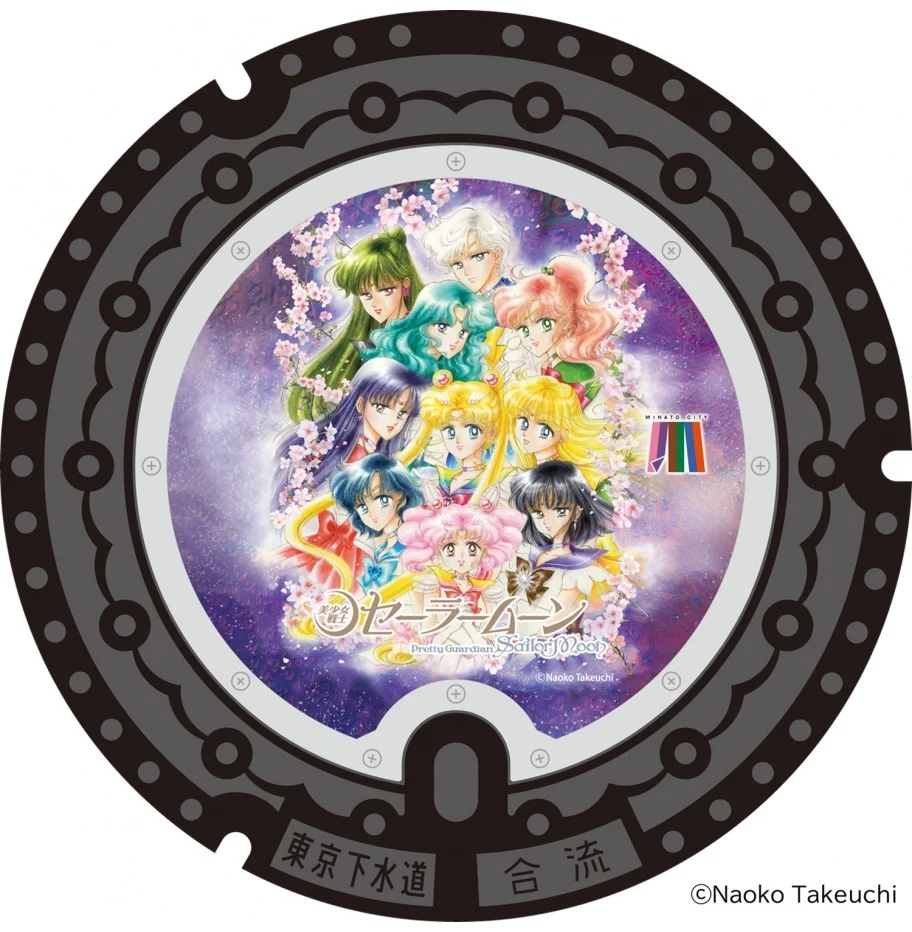
While Sailor Moon fans often find themselves transported to the silver millennium of the Moon Kingdom or the dark corners of the Negaverse, the heart of Naoko Takeuchi’s legendary franchise has always been firmly grounded in the streets of Tokyo. Specifically, Minato Ward serves as the primary backdrop for Usagi Tsukino’s transformation from a clumsy schoolgirl into the guardian of love and justice. Recognizing this deep-seated cultural connection, the Minato Ward administration has officially announced an expansion of its commemorative manhole cover project, finally giving the legendary Outer Senshi their place on the city’s map.
The Evolution of a Magical Landmark
For years, local governments across Japan have utilized "design manhole covers" to promote tourism and celebrate local cultural touchstones. Minato Ward, leveraging its status as the real-world home of the Sailor Guardians, launched its initial Sailor Moon initiative to celebrate the series’ profound influence on global pop culture.
The first phase of the project, which debuted to immense fanfare, featured five distinct designs. These initial installments highlighted the Inner Senshi—Sailors Mercury, Mars, Jupiter, and Venus—alongside the series’ iconic titular protagonist and her enigmatic partner, Tuxedo Mask. While these covers became instant pilgrimage sites for anime enthusiasts, a vocal contingent of the fandom noted a glaring omission: the absence of the powerful Outer Senshi.
As the series progressed, the lore expanded to include the enigmatic guardians of the solar system’s outer reaches: Sailors Uranus, Neptune, Pluto, and Saturn, alongside the polarizing time-traveler Sailor Chibi Moon. By omitting these characters, the initial project felt, to some, like a partial tribute. Addressing this, Minato Ward has officially unveiled two new, grand-scale designs that finally unite all ten Sailor Guardians, bringing the entire roster to the streets of Tokyo.
Chronology of the Expansion
The project’s expansion has been treated with the same sense of ceremony as a major public monument.
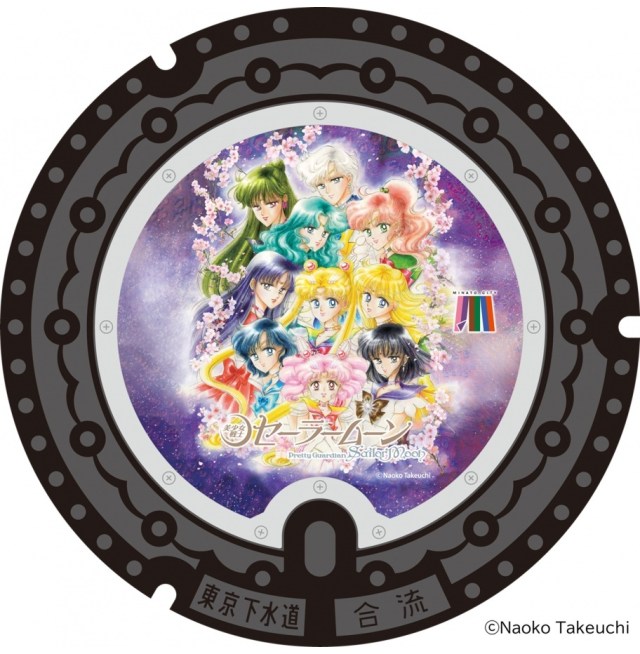
- March 2026: The first of the two new designs was installed in the bustling Roppongi district. Situated at Roppongi 7-4-2, this installation features the complete cast of the ten Sailor Senshi framed by the ethereal beauty of cherry blossoms in full bloom. The location is strategically chosen, sitting within walking distance of the Tokyo Midtown complex, a major hub for both commerce and art.
- Late May 2026: The administration announced the impending installation of the seventh and final cover of the current phase. Unlike the serene, botanical aesthetic of the Roppongi cover, this design features a vibrant, pastel-rainbow color palette.
- Ongoing: Minato Ward maintains a policy of "stealth installation" for select pieces, opting to reveal specific coordinates only after the covers are secured in the pavement. This tactic is designed to prevent construction-site congestion and manage the flow of "manhole tourists" who flock to these locations for photo opportunities.
Technical and Aesthetic Significance
The craftsmanship behind these manhole covers reflects the high standards of Japanese urban design. Each cover is not merely a utility hatch but a durable piece of public art. The new designs are particularly notable for their complex compositions; fitting ten distinct characters—each with unique costume details and signature weapons—into a circular, high-traffic surface requires a masterful approach to visual hierarchy.
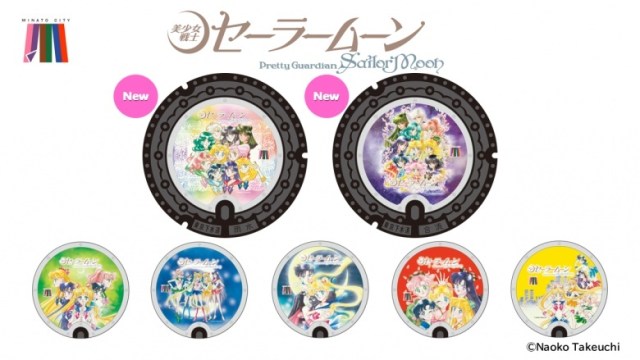
The inclusion of the Outer Senshi—specifically the stoic Sailor Pluto and the tragic, world-shaking Sailor Saturn—elevates the artistic narrative of the project. These characters represent the more mature, complex themes of the series, such as sacrifice, duty, and the cyclical nature of time. By placing them on the streets of Minato, the ward is effectively acknowledging the depth of the Sailor Moon narrative, moving beyond simple nostalgia to represent the series’ entire emotional spectrum.
Official Responses and Administrative Strategy
Minato Ward officials have framed this project as a core pillar of their "City Promotion" strategy. In a statement released via the ward’s official tourism portal, representatives noted that the Sailor Moon covers serve as a vital link between the fictional world of the anime and the tangible reality of the district.
"By integrating elements of pop culture into our essential infrastructure, we are encouraging visitors to explore areas of Minato they might otherwise bypass," a spokesperson remarked. The official Sailor Moon website, which hosts the coordinates for the project, has served as the primary nexus for information. The administration has explicitly requested that fans practice "good etiquette" when visiting these sites, reminding them that these are functional utility covers situated on active public thoroughfares.
This project is part of a broader trend in Japan, where municipalities are increasingly partnering with intellectual property holders to revitalize urban aesthetics. For example, the Pokémon manhole cover project (the "Poké Lids" initiative) has seen massive success in regions recovering from natural disasters, demonstrating that such art can provide significant economic and psychological boosts to local communities.
Implications for Tourism and Urban Identity
The expansion of the Sailor Moon manhole project has significant implications for urban planning and tourism in Tokyo.
1. Decentralized Tourism
By spreading these covers across different neighborhoods within Minato, the ward successfully disperses foot traffic. Fans visiting the cherry blossom cover in Roppongi are encouraged to walk through the neighborhood, increasing the likelihood of visits to local cafes, shops, and cultural venues.
2. Digital Pilgrimage and Social Media Engagement
The "secret" nature of the seventh cover’s location creates a sense of gamification. Fans are actively monitoring social media and official channels to be the first to "discover" the location, driving engagement for the ward’s official tourism accounts. This "treasure hunt" aspect transforms a standard city walk into an interactive experience.
3. Cultural Preservation
Anime is a cornerstone of Japan’s soft power. By immortalizing characters like Sailor Saturn and Sailor Neptune in iron and paint, Minato Ward is treating these works with the same reverence usually reserved for historical figures or traditional folklore. It signals a shift in how modern cities define their heritage—not just through historical buildings, but through the media that has shaped global perceptions of the city.
A Future for Magical Girls in the City
The current phase of the Sailor Moon manhole project appears to be a crowning achievement for fans who have followed the series since the early 1990s. The inclusion of the full cast, particularly the long-awaited Outer Senshi, marks a milestone in the "magical girl" movement’s integration into Japanese civic life.
However, the question remains: will the project continue? With the seventh cover being installed by the end of May 2026, many fans are already speculating about potential future designs, such as the inclusion of the Starlights or the various villains that have defined the series’ history.
For now, residents and tourists alike can enjoy the sight of the Sailor Guardians keeping watch over the streets of Minato. Whether one is a lifelong fan of the series or simply a pedestrian noticing the intricate, colorful metal plates underfoot, the project serves as a reminder that the magic of Sailor Moon is not confined to the screen—it is embedded in the very foundations of the city.
As Japan continues to leverage its creative industries to drive regional engagement, the Minato Ward Sailor Moon project stands as a gold standard. It is a testament to how urban environments can be transformed into living, breathing canvases that honor the narratives that bring people together from across the globe. Fans are advised to keep a close eye on the official Sailor Moon portal as the final installation date for the rainbow cover approaches, as this will likely be the most sought-after photo opportunity in the district this year.












No comments yet. Be the first to join the conversation!