

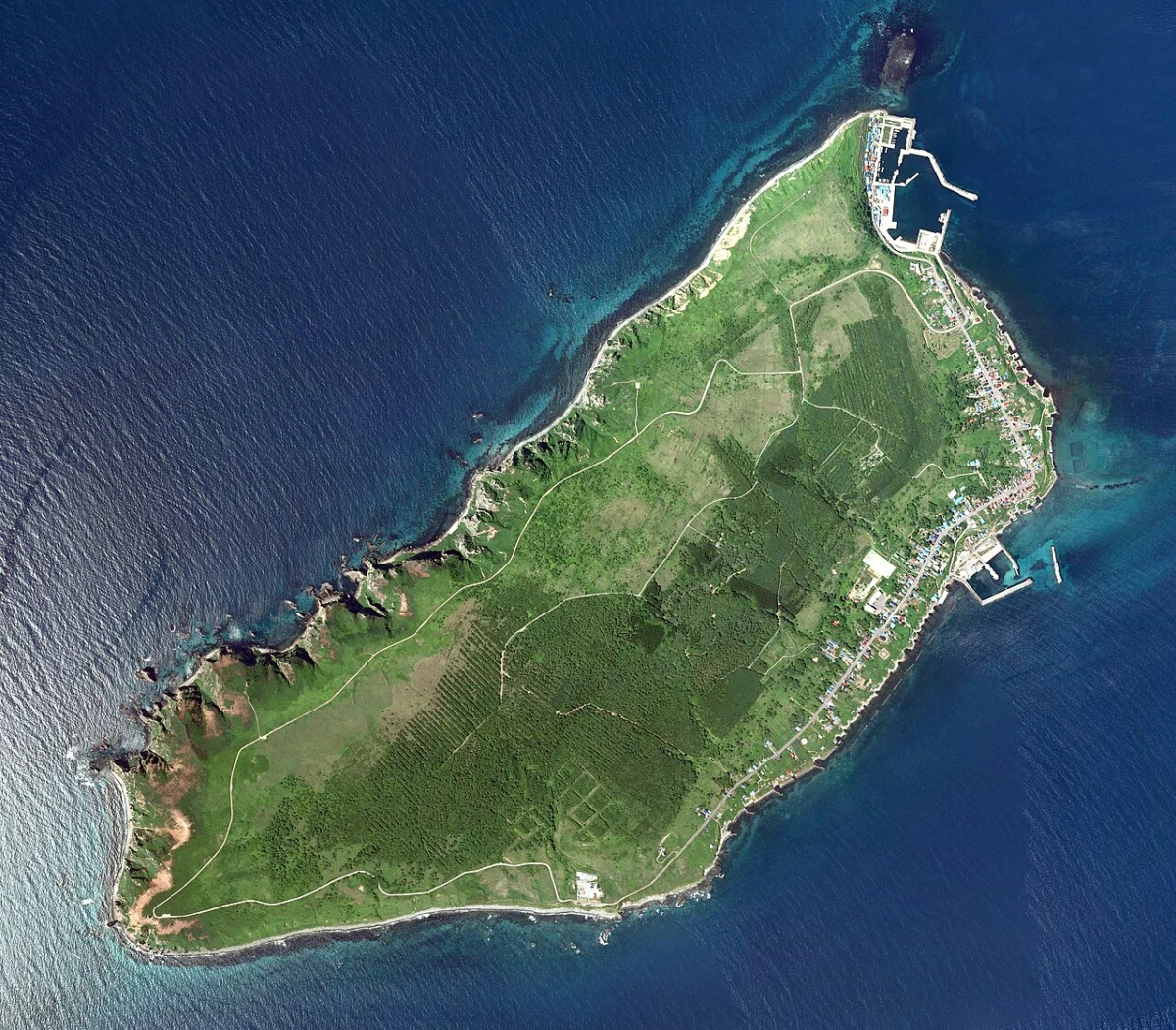
Two hundred kilometers north of Sapporo, along the rugged Japan Sea coast of Hokkaido, the small fishing town of Haboro serves as the gateway to one of the most significant, yet overlooked, ecological phenomena in the North Pacific. While the masses flock to the ski slopes of Niseko or the lavender fields of Furano, a dedicated cadre of ornithologists, nature photographers, and adventurous travelers makes the trek to the twin islands of Teuri and Yagishiri. Here, where the cold, nutrient-rich waters of the Tsushima Current collide with the continental shelf, lies the largest concentrated seabird breeding colony in Japan.
Main Facts: A Haven of Avian Life
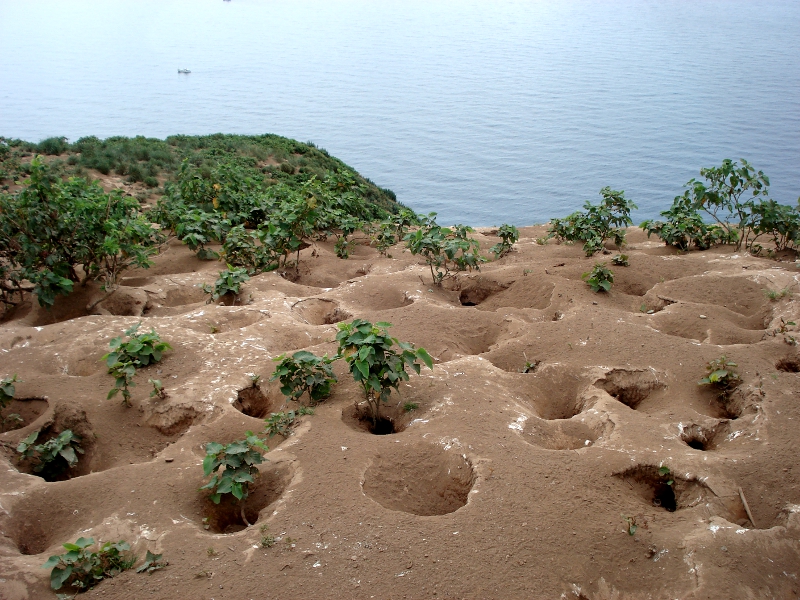
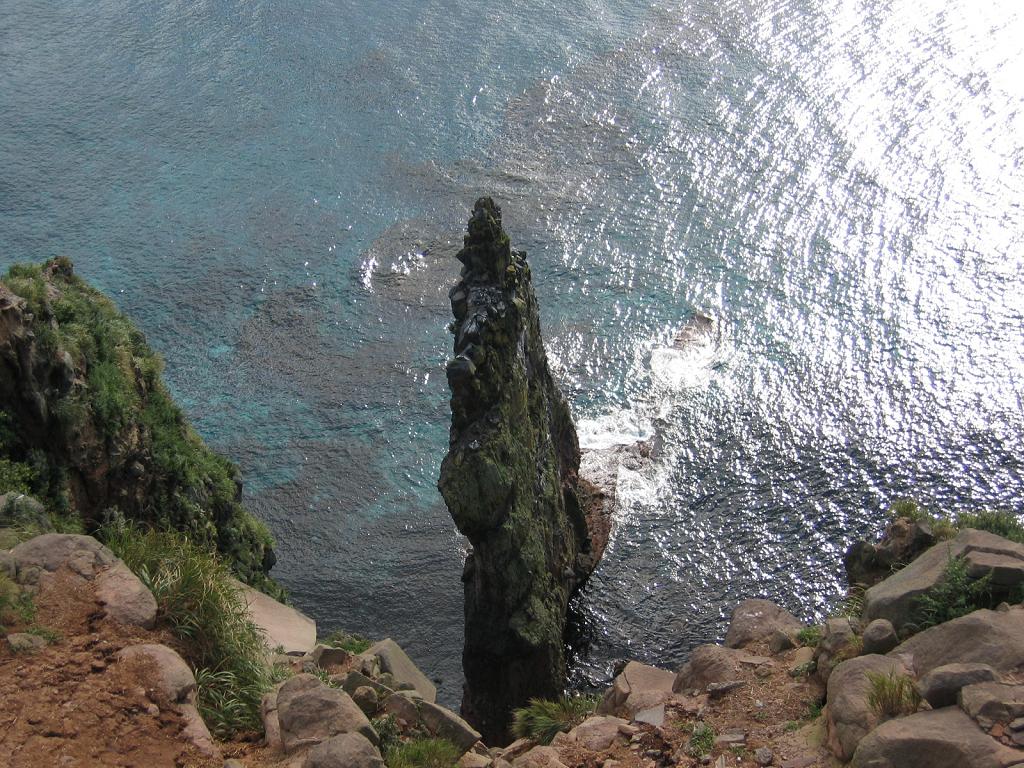
The archipelago acts as a vital sanctuary for approximately 800,000 rhinoceros auklets, which descend upon the basalt cliffs of Teuri Island each spring to nest. Beyond this dominant population, the cliffs provide a precarious but essential habitat for eight other seabird species, including common murres, pelagic cormorants, spectacled guillemots, and black-tailed gulls.
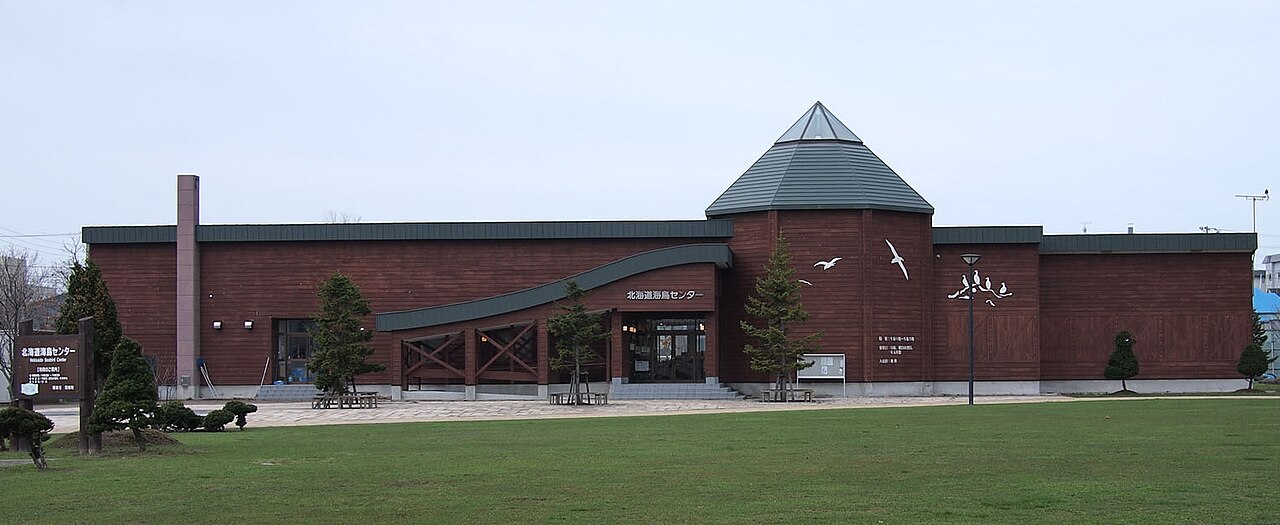
The mainland anchor for this ecosystem is the Hokkaido Seabird Center. Established in 1997 by the Ministry of the Environment, the facility functions as a dual-purpose institution: a public education museum and the operational nerve center for the protected-colony monitoring program. For those who view travel as an opportunity for deep immersion, the islands offer a rare glimpse into a "pristine" Japan, untouched by mass tourism and defined entirely by the rhythms of the sea and the nesting cycles of its winged residents.
Chronology of a Conservation Landmark
The history of this region is inextricably linked to the tension between maritime industry and environmental stewardship.
- Pre-1970s: The islands were known as a diverse nesting ground, though historical data is sparse. It was during this era that the tufted puffin population began a tragic, steady decline.
- 1970s–1980s: Intense industrial fishing practices, particularly the use of longline gear, led to significant seabird bycatch, decimating the local puffin colonies. The last confirmed breeding pair of tufted puffins was recorded in 2010, marking a somber milestone in local conservation history.
- 1997: The Hokkaido Seabird Center opened in Haboro, signaling a shift in policy from passive observation to active research and community engagement.
- 2000s–Present: The Center pioneered collaborative efforts with the local fishing fleet to mitigate bycatch. Today, the focus has shifted toward sustainable "wildlife-watching" tourism, intended to provide local economic alternatives that incentivize the protection of the birds.
Supporting Data: The Logistics of the Deep North
Accessing this remote corner of Japan requires logistical commitment. Travelers must first navigate to Haboro, a three-hour drive from Sapporo or a four-hour journey via the Chuo Bus line. From the mainland, the Haboro Enkai Ferry operates as the sole lifeline to the islands.
Island Profiles
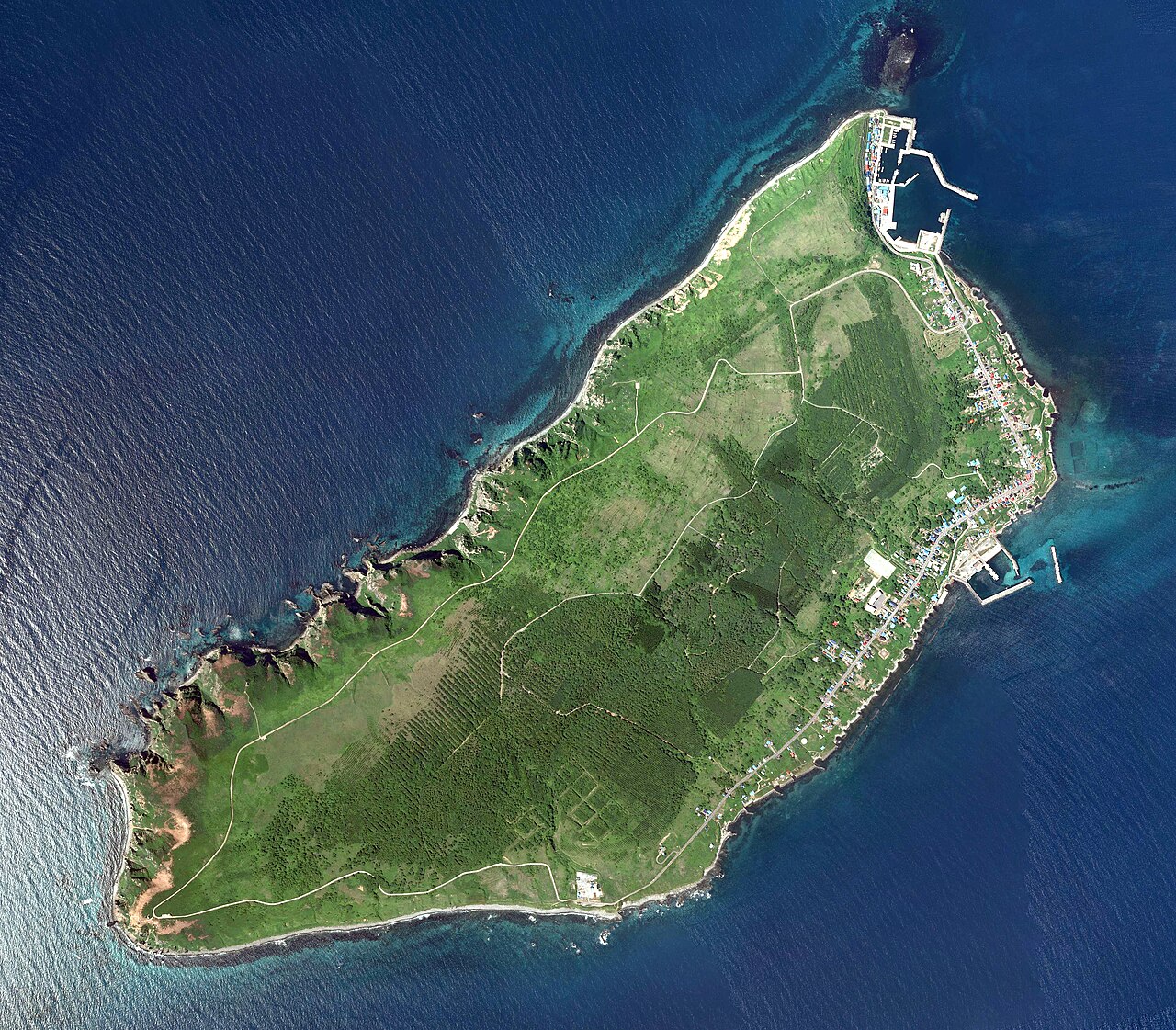
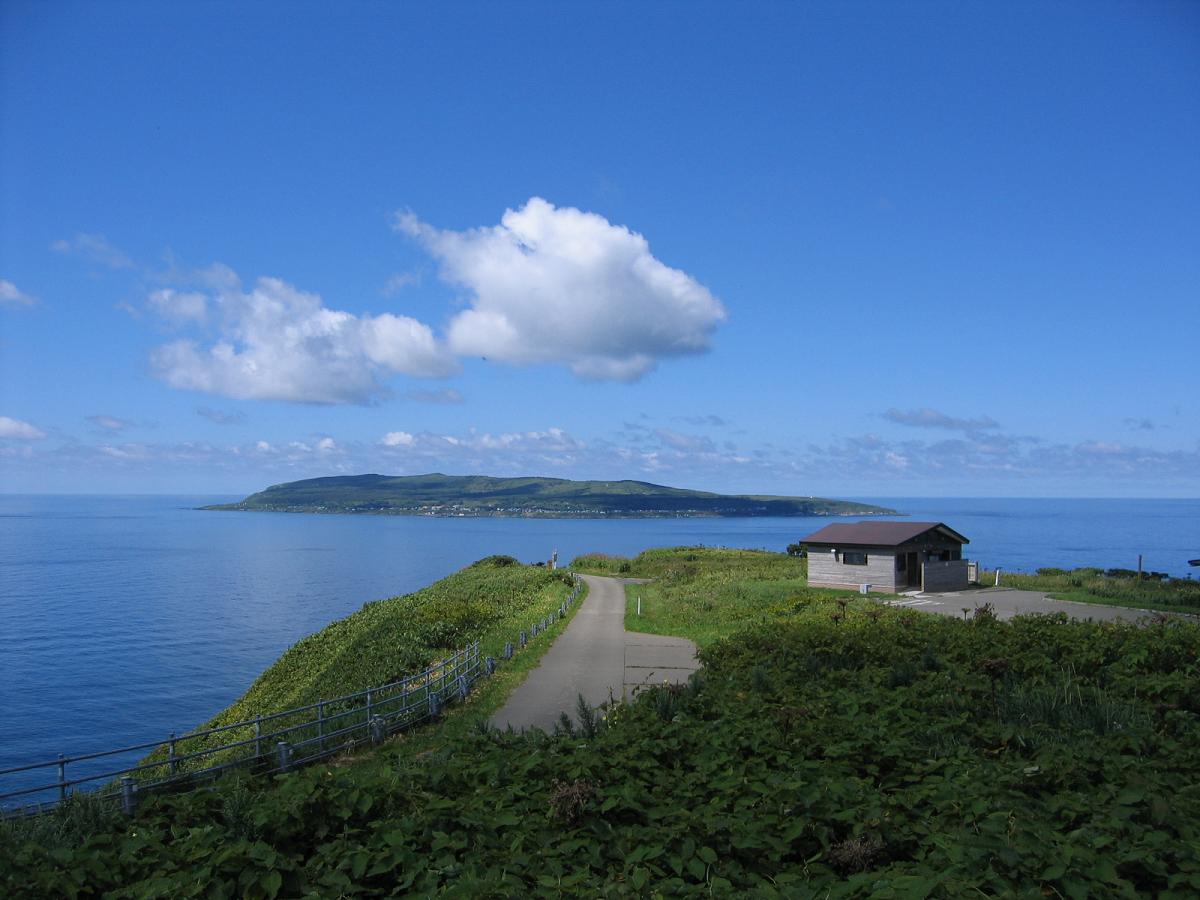
- Teuri Island: Measuring only 12km in circumference with a population of approximately 300, it is the primary destination for bird enthusiasts. Its northwestern coast features a 2km-long basalt cliff face that serves as the nesting ground for the rhinoceros auklet.
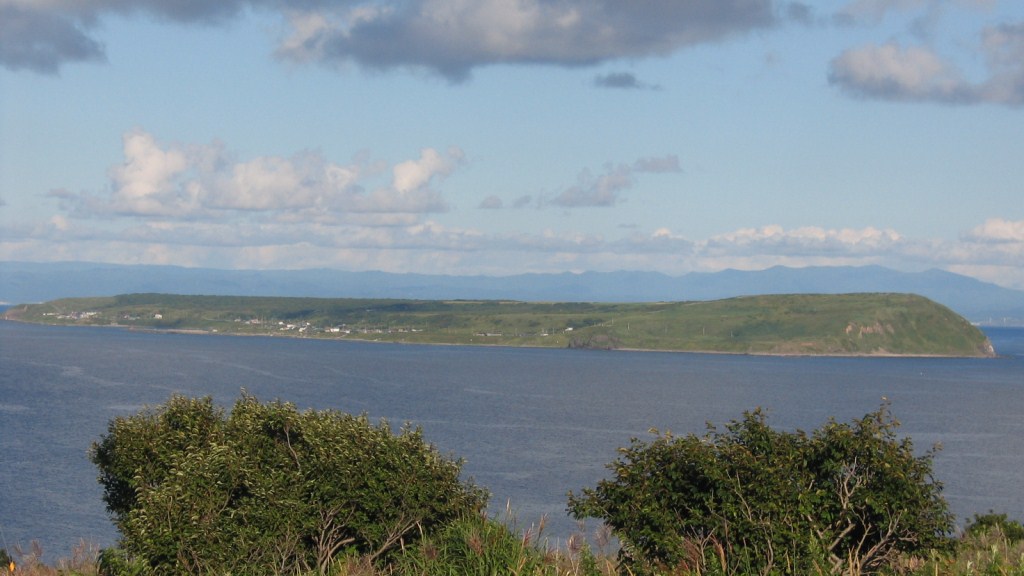
- Yagishiri Island: Located just 25 minutes from Teuri by ferry, this 7km-circumference island offers a starkly different topography. Dominated by a central primeval broadleaf forest—a protected natural monument—the island provides a glimpse of northern-latitude flora and is home to the only commercial sheep farm in Hokkaido, creating a landscape that feels more akin to the Hebrides than the Japanese archipelago.
Seasonal Dynamics
The breeding window for the rhinoceros auklet spans from mid-April to late August. For the most dramatic experience—the "dusk return"—visitors are advised to visit between late May and mid-July. During this window, the birds return from their daily fishing expeditions in synchronized, high-speed flocks, a spectacle that lasts roughly 30 to 45 minutes.
Official Perspectives: The Haboro-Seabird Nexus
The Hokkaido Seabird Center is more than a museum; it is a research facility that bridges the gap between scientific inquiry and public policy. The exhibition hall features a life-size reconstruction of a Teuri cliff-face, complete with hollow plaster nests and audio-visual loops that simulate the dawn-and-dusk activity of the colony.
According to Ministry of the Environment staff, the Center’s mission is to translate complex breeding ecology into accessible narratives for the public. The Center also documents the ongoing dialogue between the local fishing industry and conservationists. Because Haboro relies on the harvest of hokke (atka mackerel), ikura (salmon roe), and uni (sea urchin), the Seabird Center plays a crucial role in mediating the relationship between commercial fishermen and the avian population, ensuring that industry practices do not threaten the recovery of vulnerable species.
Implications: The Future of Remote-Island Tourism
The case of Teuri and Yagishiri highlights the potential and the peril of remote-island conservation. By fostering a tourism model based on high-value, low-impact visits, the region has managed to preserve a slice of wilderness that would otherwise be threatened by industrial encroachment.
The Sustainability Challenge
The reliance on ferry transport presents an inherent vulnerability. During the winter months (November to March), the cancellation rate for the Haboro Enkai Ferry ranges between 25% and 40% due to the volatile weather of the Japan Sea. This instability acts as a natural barrier to mass tourism, protecting the birds from overcrowding, but it also creates economic instability for local minshuku (guesthouses) that rely on seasonal visitors.
A Model for "Slow Travel"
For the modern traveler, Teuri and Yagishiri represent the antithesis of the "check-box" tourism often associated with major Japanese hubs. The lack of extensive English-language signage and the reliance on oral tradition for bookings—often requiring direct phone calls in Japanese—ensures that only the most dedicated travelers make the journey. This barrier to entry is, in effect, the islands’ greatest defense mechanism.
For those willing to bridge the language gap and endure the unpredictable North Sea weather, the reward is profound. Watching thousands of rhinoceros auklets navigate the twilight, returning to their burrows with silver fish in their beaks, is an experience that transcends language. It is a reminder of the raw, untamed power of nature that exists on the periphery of one of the world’s most urbanized nations.
As the global climate shifts, the monitoring efforts conducted by the Hokkaido Seabird Center will become increasingly critical. The islands are not merely a tourist destination; they are an essential barometer for the health of the North Pacific ecosystem. Protecting these basalt cliffs is not just about saving birds; it is about preserving the delicate, ancient contract between the people of the Japan Sea coast and the creatures that share their horizon.
For the intrepid traveler, a three-day detour to this remote outpost is not merely a trip—it is an investment in the preservation of one of the world’s most spectacular, and most fragile, avian wonders.












No comments yet. Be the first to join the conversation!