Lina Irawan
In an era where a single tweet can spark a brand crisis or a viral TikTok comment can ignite a sales surge, the way companies manage customer relationships is undergoing a seismic shift. Traditional Customer Relationship Management (CRM) systems—once the gold standard for organizing sales funnels and support tickets—are no longer sufficient on their own. Enter Social CRM, the strategic integration of social media data into the heart of business operations.

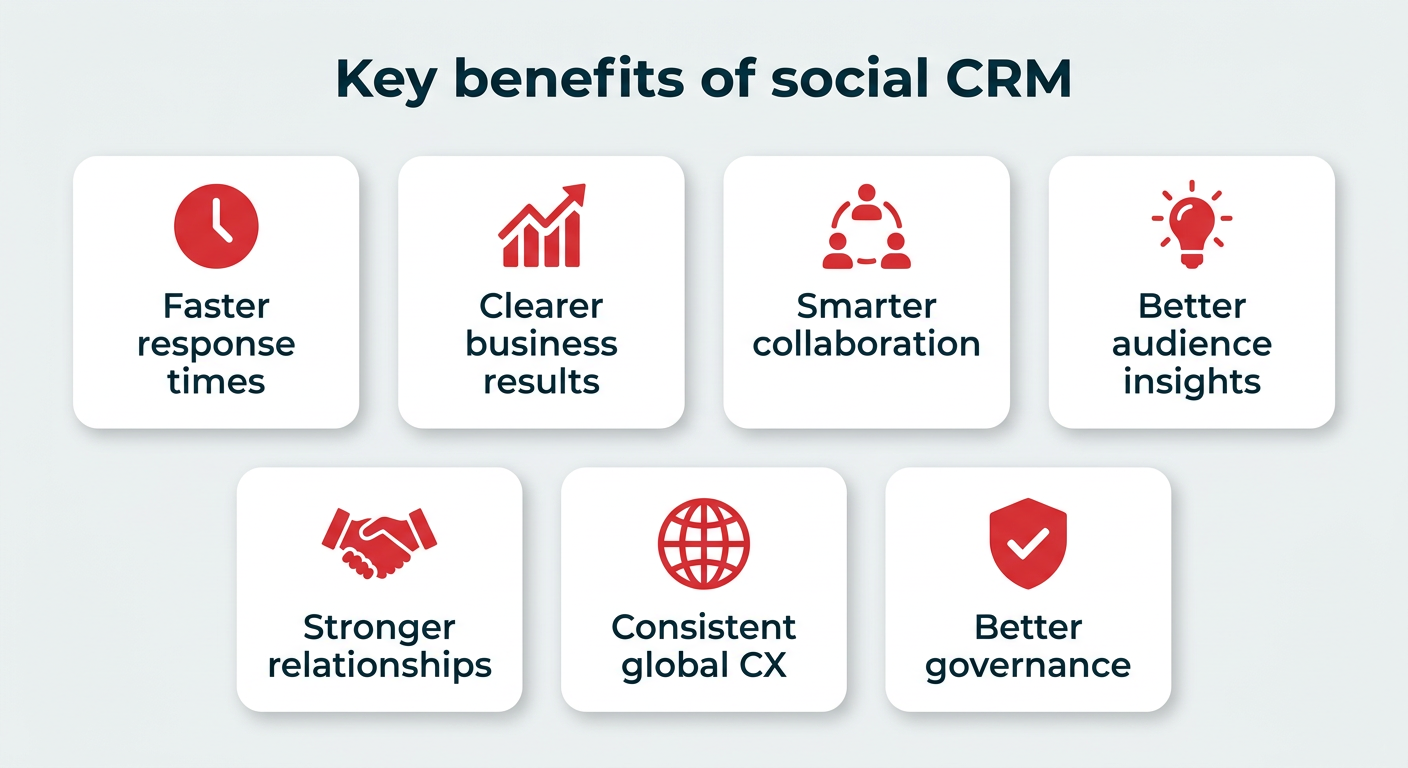
By bridging the gap between historical customer data and real-time social interaction, Social CRM provides a 360-degree view of the modern consumer. For businesses aiming to stay competitive in 2025, it is no longer optional; it is the bridge between a faceless database and a loyal community.

The Core Concept: What is Social CRM?
At its simplest, Social CRM is the evolution of traditional CRM. While traditional systems focus on "structured" data—emails, phone records, and transaction histories—Social CRM incorporates "unstructured" data: social media mentions, direct messages, comments, and sentiment analysis from platforms like LinkedIn, Instagram, and X (formerly Twitter).
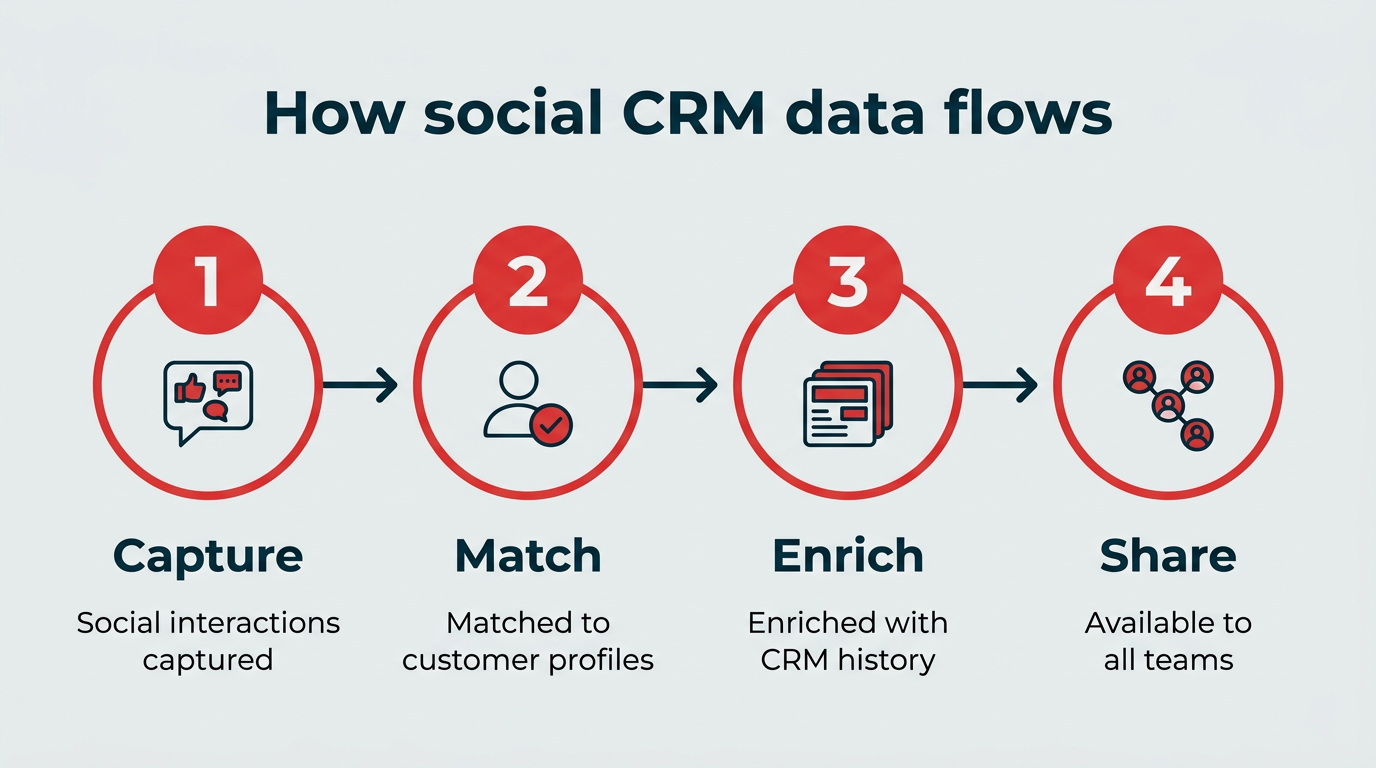
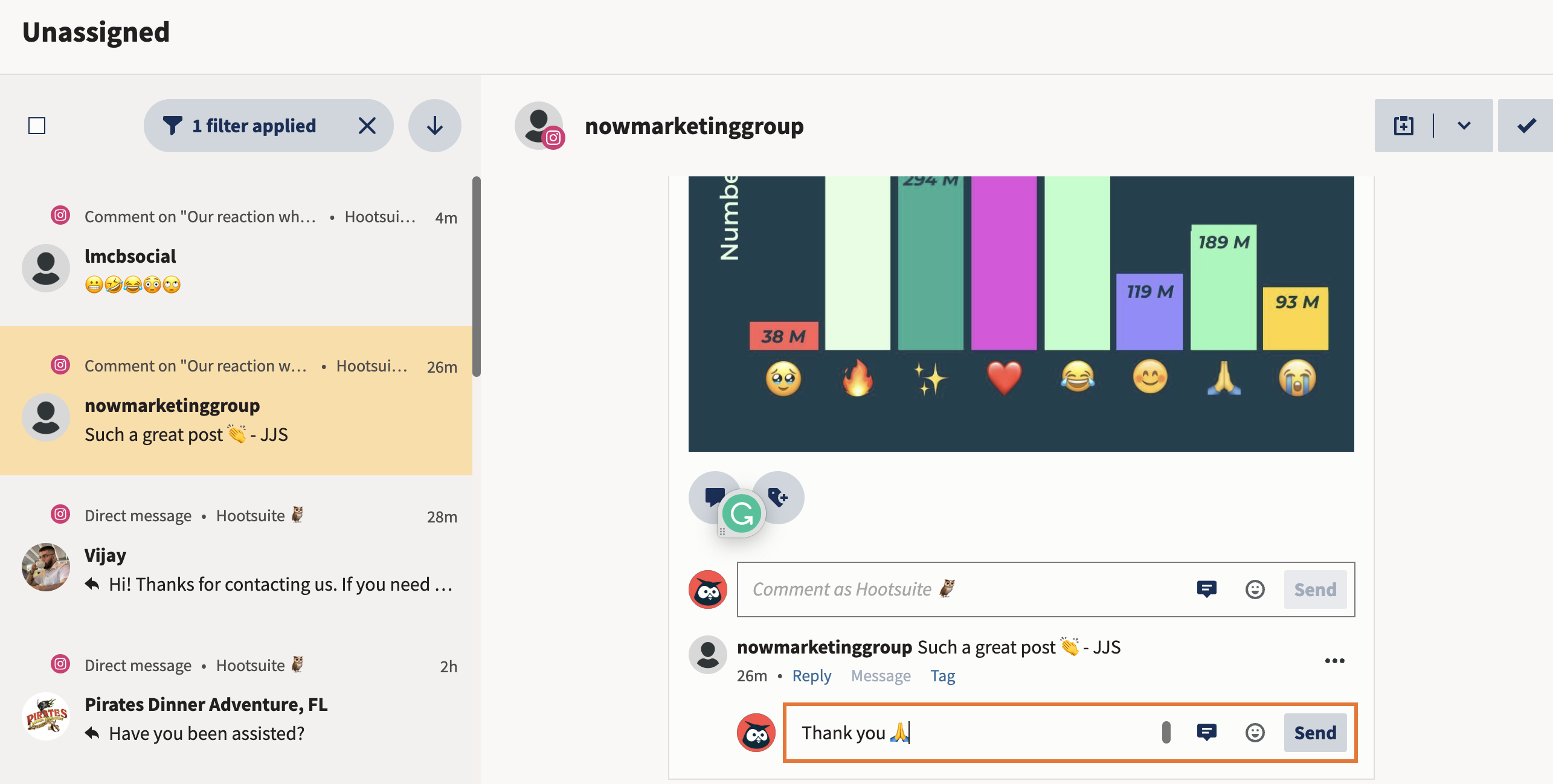
By merging these streams, customer-facing teams gain a comprehensive profile of every individual. When a support agent opens a ticket, they can instantly see if that customer has recently posted a public complaint or a positive review. This context eliminates the "who are you?" frustration, allowing for personalized, informed, and empathetic interactions.
The Shift from Reactive to Proactive
Traditional CRM was largely reactive, designed to handle support tickets after a problem occurred. Social CRM, however, is inherently proactive. It enables brands to "listen" to the digital chatter surrounding their industry, allowing them to engage with potential leads before they ever reach out to a sales department, and resolve service issues before they escalate into public PR hurdles.

The Chronology of CRM Evolution
The journey of customer management has evolved alongside the internet:
- 1980s – The Database Era: The rise of contact management software allowed businesses to keep address books and simple notes on client preferences.
- 1990s – The Birth of CRM: With the advent of cloud computing and early enterprise software, CRM systems became the backbone of sales, tracking the "linear" customer journey.
- 2000s – The Web 2.0 Disruption: As social media platforms exploded in popularity, consumers moved their conversations from call centers to public forums. Companies were left with a massive "data gap."
- 2010s – The Integration Phase: Early adopters began bridging the gap between social media management tools and internal databases, realizing that social data was as valuable as purchase history.
- 2024 and Beyond – The AI-Driven Era: Today, Social CRM utilizes Artificial Intelligence to process millions of social interactions in real-time, routing them to the correct departments and providing sentiment analysis at scale.
Supporting Data: Why the Shift is Necessary
The necessity of Social CRM is backed by compelling consumer behavior trends. According to industry research:

- The Speed Expectation: Nearly 48% of consumers expect a response to their social media inquiries within 24 hours. Failure to meet this expectation is not just a lost sale; it is a brand-damaging event.
- The Cost of Ignoring: Research indicates that 28% of consumers will actively unfollow a brand that ignores their negative comments, and 32% will unfollow brands that fail to engage with their community entirely.
- The Trust Gap: As noted by Forrester, the gap between "intended" customer experience (what companies think they are delivering) and "actual" customer experience (what users feel) is widening. Social CRM acts as a reality check, forcing brands to see themselves through the eyes of their followers.
Functional Implications: Marketing, Sales, and Support
Social CRM acts as a unifying layer across three primary departments, breaking down the silos that often plague large organizations.
1. Customer Support: The "One-View" Advantage
In a traditional setup, a customer might email support while simultaneously venting on X. Without Social CRM, these two interactions live in separate digital islands. With a unified system, agents see the full history. They can identify if a customer is a high-value account or a repeat complainant, allowing for tailored support responses that reduce churn and build long-term loyalty.
2. Sales: Social Selling and Lead Nurturing
The modern sales funnel is no longer a straight line; it is a social cycle. Sales teams can use Social CRM to identify "warm" leads—people who have interacted with brand content or asked questions publicly. By nurturing these relationships with helpful, non-intrusive social engagement, brands can convert followers into prospects, significantly shortening the traditional sales cycle.
3. Marketing: Data-Driven Content Strategy
Instead of guessing what content will resonate, marketing teams can use Social CRM data to identify trending topics and pain points. If a brand notices an uptick in questions about a specific feature, they can immediately pivot their content calendar to create educational videos or posts addressing those concerns. This relevance is the key to preventing the "unfollow" syndrome.

Strategic Implementation: A Five-Step Framework
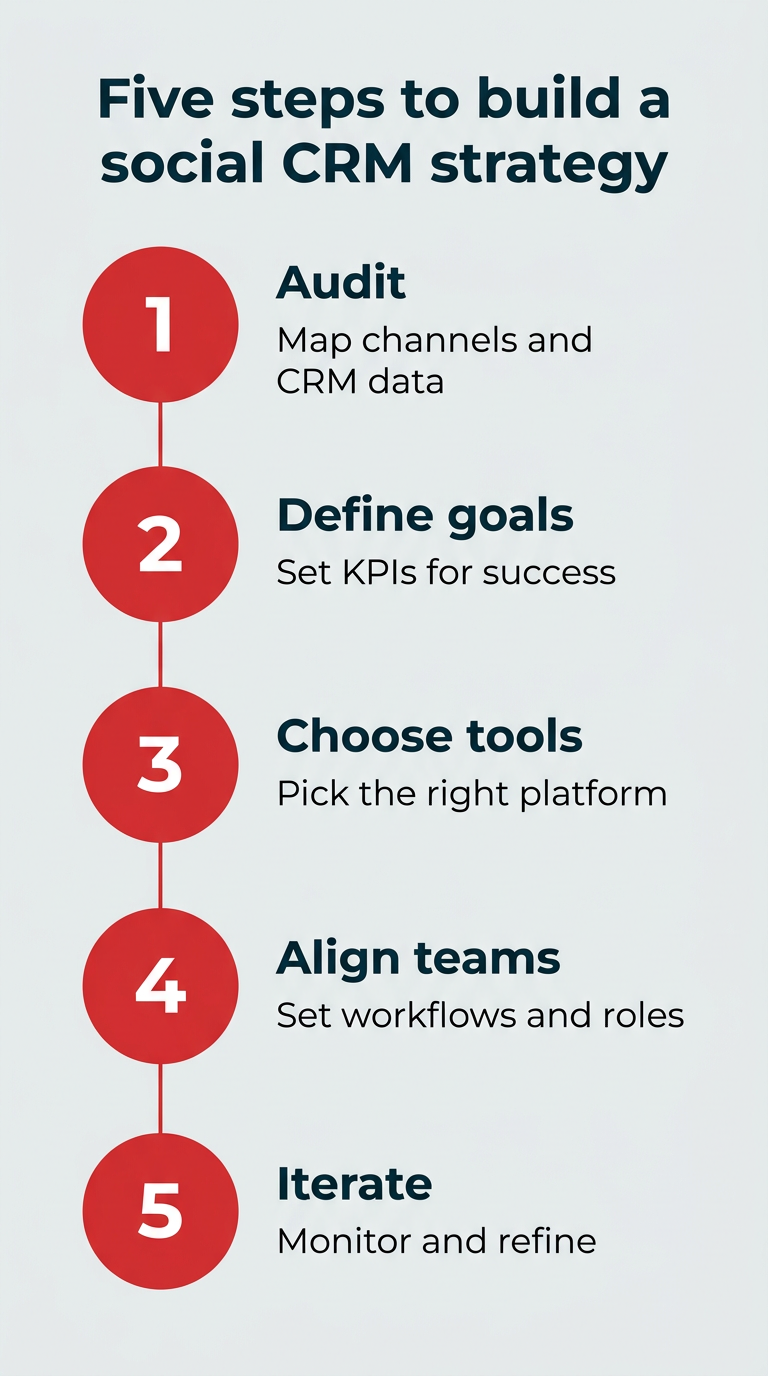
For organizations looking to deploy or optimize a Social CRM strategy, the following roadmap is essential:
- Audit the Current Landscape: Assess your current social footprint and CRM capabilities. Identify where the data silos exist.
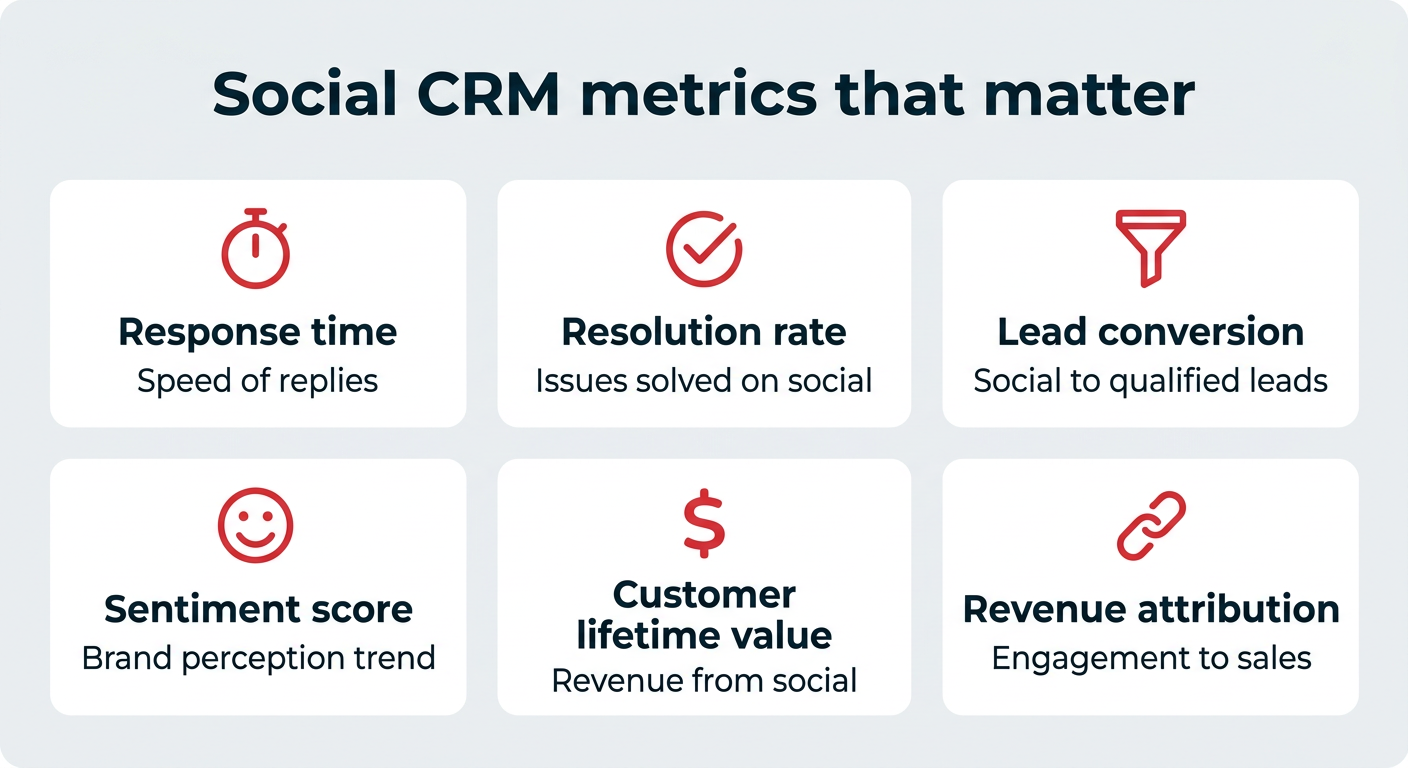
- Define KPIs: Success must be measurable. Track metrics like Average Response Time (ART), Sentiment Score, and Social-to-Lead Conversion Rate.
- Choose the Right Integration: Select tools that offer "native" integration. Platforms like Hootsuite (for management) paired with Salesforce or HubSpot (for CRM) represent the gold standard for many enterprises.
- Align Cross-Departmental Workflows: Define who owns the social interaction. Does a marketing manager handle a complaint, or is it routed to support? Clear governance prevents duplicate work and ensures consistent brand voice.
- Iterate and Optimize: Use the data gathered to refine your approach. If your social engagement is driving sales, double down on the content types that lead to those conversions.
Overcoming Implementation Challenges
While the benefits are clear, organizations must navigate common pitfalls:

- Data Overload: The volume of social media data can be overwhelming. The solution is to utilize AI-driven filtering to surface only the most critical mentions and messages to human agents.
- Adoption Friction: Getting sales, marketing, and support to use a single tool is often a cultural challenge rather than a technical one. Change management and clear documentation are as important as the software itself.
- Privacy and Compliance: With GDPR and other data regulations, businesses must be diligent about how they store and use social profile data. Ensure your chosen CRM tool is fully compliant with regional data protection laws.
The Future: A More Human-Centric Business
The primary implication of the rise of Social CRM is that business has become fundamentally more human. Consumers no longer view brands as faceless entities; they view them as participants in their digital communities.

As brands like Starbucks and KiwiCo have demonstrated, responding to a negative comment in public with a helpful, personalized solution does more to build brand equity than a thousand polished advertisements. By integrating the speed of social media with the rigor of CRM, companies are moving toward a future where every customer interaction—no matter the platform—is treated with the context, respect, and efficiency it deserves.

In the final analysis, Social CRM is not merely about tracking clicks or mentions. It is about closing the distance between the enterprise and the individual. As we look ahead, the winners in the marketplace will be those who successfully leverage their social data to show their customers that they are truly listening.


 Rifan Muazin
 Evan Lee Salim