Nana
Nana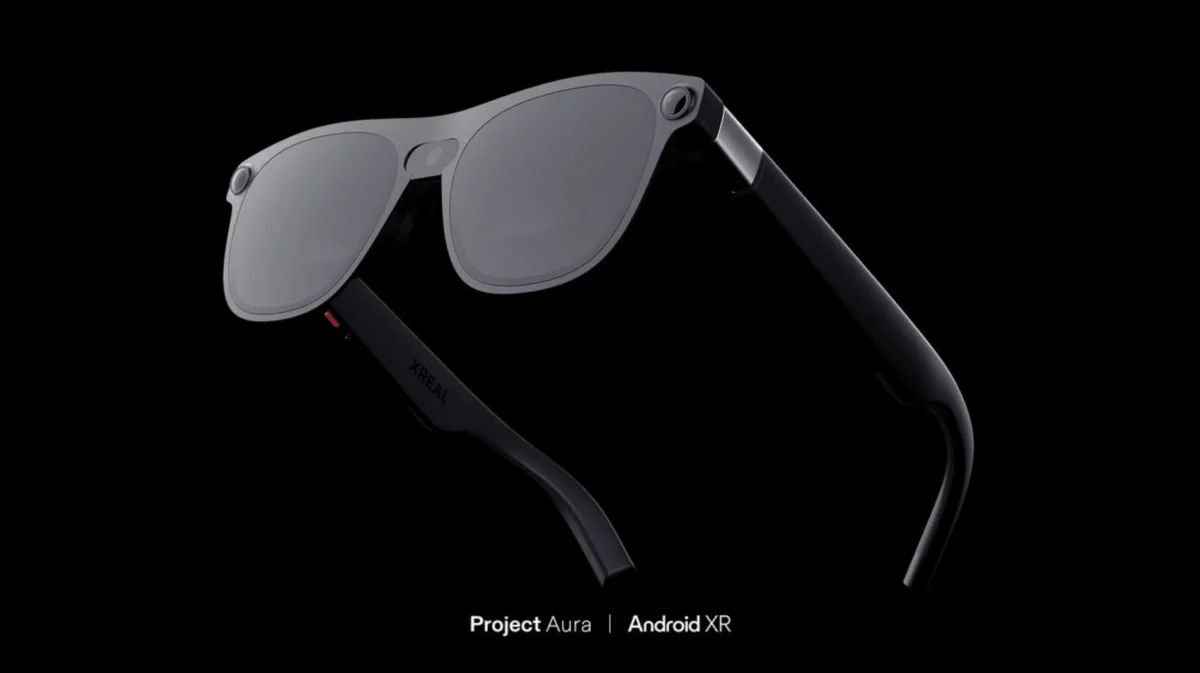
For over a decade, the promise of smart glasses has stood as the "Holy Grail" of Silicon Valley—a persistent, tantalizing dream that has captivated engineers, investors, and science fiction enthusiasts alike. The premise is seductive in its simplicity: Why remain tethered to the rectangular screens of our smartphones when we could seamlessly integrate digital information into our natural field of vision? By wearing lightweight, high-performance computing devices on our faces, the industry argues, we could unlock a new era of mobile productivity and immersive experience.
Yet, for the better part of ten years, this dream has largely functioned as a financial black hole. Despite gargantuan capital infusions and the combined R&D might of the world’s most powerful technology firms, the industry has struggled to produce a device that is both technologically viable and commercially successful. Most attempts have crashed against the rocks of the same recurring problems: bulky, uncomfortable hardware, socially awkward designs, and software ecosystems that offer little more than gimmicky utility.
However, as the industry gathers at events like Google’s I/O conference, there is a palpable sense that the tide may finally be turning. A new generation of hardware, led by firms like Xreal, suggests that we are approaching a long-awaited inflection point.
The Chronology of a "Tortured Dream"
The history of smart glasses is a graveyard of ambitious failures. From the high-profile launch and subsequent retreat of Google Glass in the early 2010s to the litany of failed AR (augmented reality) headsets, the path to the consumer’s face has been fraught with missteps.
- 2013–2015: The Early Hype Cycle: Google Glass introduced the world to the concept of "head-mounted computing," but the product was quickly stigmatized. Privacy concerns, a lack of practical software, and a "nerd-only" aesthetic relegated it to the fringes of tech enthusiast circles.
- 2016–2019: The "Winter" of AR: As the initial excitement faded, companies shifted toward enterprise-grade headsets. These devices were powerful but prohibitively expensive and physically cumbersome, failing to bridge the gap to the average consumer.
- 2020–2022: The Pandemic Pivot: During the global health crisis, interest in virtual communication tools surged. While this benefited VR headsets, it highlighted the need for lighter, more portable AR solutions that could function as mobile workstations.
- 2023–2025: The Meta Inflection: The partnership between Meta and Ray-Ban proved that consumers would wear smart glasses—if they looked like normal eyewear. While these models lack true AR displays, they set a new standard for design.
- 2026: The Hardware Convergence: Current efforts, such as Xreal’s "Project Aura," are attempting to merge the aesthetic appeal of traditional eyewear with the high-resolution processing power previously reserved for bulky headsets.
The Reality of the "Inflection Point"
The current optimism is largely fueled by the success of the Meta-Ray-Ban collaboration, which successfully navigated the "social acceptance" barrier. However, industry veterans are quick to point out that success in sales does not equate to profitability.
Meta’s Reality Labs division, which houses its metaverse and wearables efforts, continues to post multi-billion dollar losses quarterly. This stark reality serves as a sobering reminder that the hardware is only one piece of the puzzle. Chi Xu, founder and CEO of Xreal, acknowledges the difficulty of the task. "Everybody’s losing money," Xu admitted during a discussion at Google I/O. "That’s because it’s very hard, what we’re doing."
For Xu and his team, the strategy to achieve sustainability involves a three-pronged approach: hardware refinement, operating system optimization, and user interface (UI) design. "You need all the key pieces ready," Xu said. "You need the hardware ready, the operating system needs to be ready, and then you need a great user interface."
Deep Dive: Inside Xreal’s "Project Aura"
Xreal’s latest endeavor, Project Aura, represents a bold, if slightly imperfect, attempt to deliver a high-end experience in a wearable form factor. The glasses utilize embedded OLED displays, allowing users to view high-resolution video directly within the frames.
To overcome the power-to-weight ratio issue, Xreal has opted for a "puck" architecture—a phone-sized, tethered computing module that carries the heavy lifting of the processor and battery. While this tethering introduces a slight "awkwardness" to the user experience, the payoff is a significantly lighter set of glasses.
The functionality provided by this system is surprisingly robust. During demonstrations, the glasses showcased:
- Immersive Google Maps: Overlaying navigational data onto the physical world.
- Virtual Workspaces: Allowing users to set up multiple monitors in a coffee shop or on an airplane.
- Hand-Tracking Interactions: A "painting app" that allows for the creation of holographic art, as well as gaming controls that eliminate the need for physical controllers.
The promise, according to the company, is a "seamless" transition between work and play. Whether it is following a digital recipe while cooking or watching a cinematic experience on a "virtual big screen" at home, the goal is to make the technology disappear into the background of the user’s life.
Financial Realities and the Path to Profitability
Behind the flashy demos and futuristic promises lies the cold, hard math of the tech startup world. Xreal, like its competitors, is currently in the "growth at all costs" phase, but the mandate for profitability is becoming increasingly urgent.
Xu is steering his company toward a leaner financial model. By raising gross margins and aggressively trimming marketing and sales overhead, he believes the company is nearing a breakthrough. "Next year is the year when we could actually break even," he stated.
The company is also eyeing a major milestone: an IPO, expected before the end of 2026. While Xu remains tight-lipped regarding the specifics of the public offering, the move suggests a high level of confidence in the scalability of the Project Aura hardware.
Implications: A Future Beyond the Screen?
The implications of a successful rollout of smart glasses extend far beyond the tech sector. If devices like Project Aura can transition from developer-only kits to mainstream consumer products, it could signal the beginning of the end for the "screen-staring" era.
- The Productivity Shift: If professionals can carry a multi-monitor workstation in their pocket, the traditional office space may undergo a further transformation toward hyper-mobility.
- Social Dynamics: As hardware becomes thinner and more stylish, the stigma associated with "tech on the face" may vanish, leading to widespread adoption in social settings.
- The Platform War: The competition between Meta, Google, Apple, and startups like Xreal will determine who controls the "operating system of the world." Whoever wins the battle for the lens will effectively own the layer of digital information that overlays our reality.
However, the industry must still overcome the "uncanny valley" of wearable tech. Users are notoriously picky about what they place on their faces. If the device causes eye strain, heats up, or—more importantly—looks ridiculous, it will fail, regardless of the quality of the holograms.
As we look toward the remainder of 2026, the smart glasses industry stands at a critical juncture. The technology is finally maturing to the point where the promise of the last decade is technically possible. The question remains: is the world ready to stop looking down at their phones and start looking up at the world, filtered through a digital lens?
For Xreal and its peers, the answer to that question will determine whether they build the next great computing platform or simply add their names to the growing list of Silicon Valley’s most expensive, well-intentioned failures.
Disclaimer: This article contains affiliate links. When you purchase through links in our articles, we may earn a small commission. This does not affect our editorial independence or the objectivity of our reporting.


 Asep Darmawan
 Rifan Muazin