

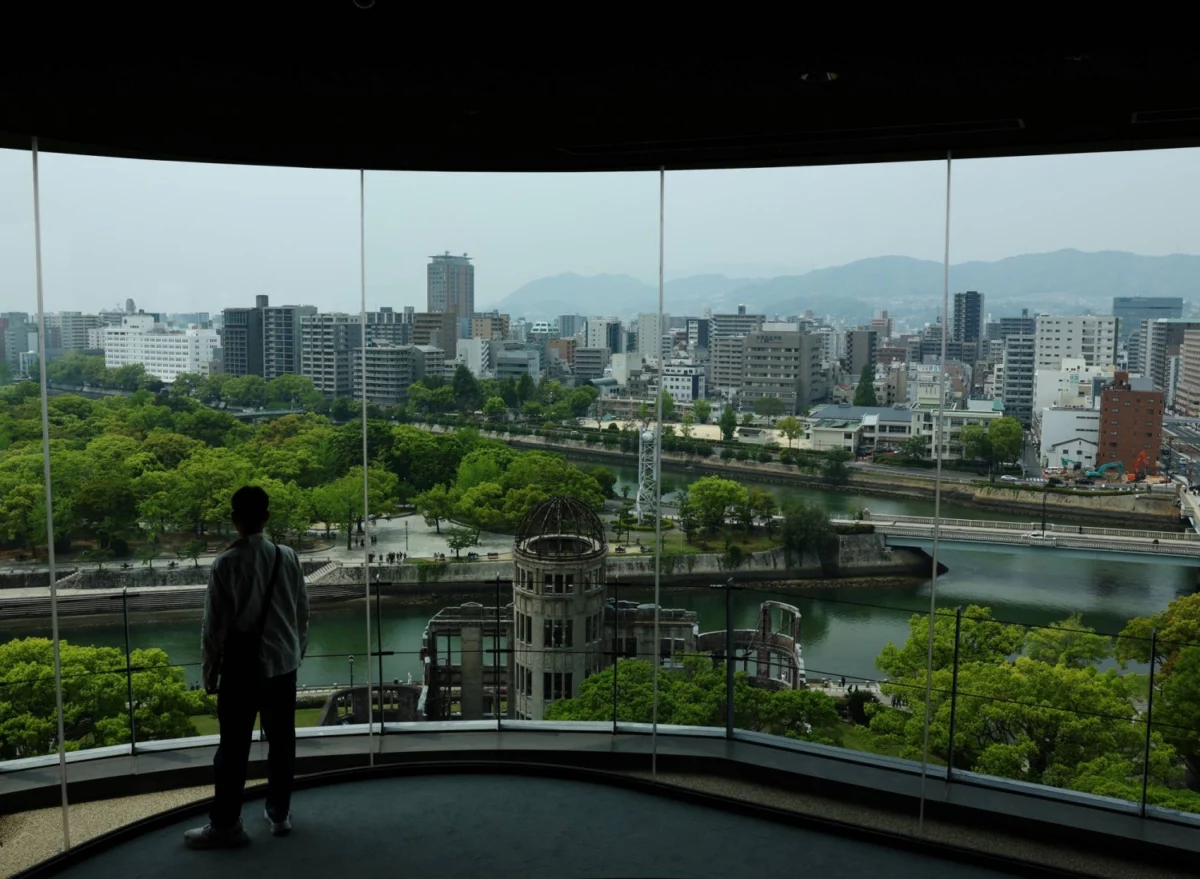
Introduction: A Solemn Milestone
The ranks of the hibakusha—the survivors of the atomic bombings of Hiroshima and Nagasaki—continue to thin with the relentless passage of time. According to data released by Japan’s Ministry of Health, Labour and Welfare on Wednesday, the number of certified survivors has plummeted to 91,105 as of the end of March 2024. This figure represents a decline of 8,025 individuals from the previous year, underscoring the accelerating urgency to document the experiences of those who witnessed the dawn of the nuclear age before their voices are silenced by time.
As the 80th anniversary of the 1945 tragedies approaches, the demographic reality is stark: the survivors, once the vibrant, vocal backbone of the global anti-nuclear movement, are entering the final chapters of their lives. With an average age now reaching 86.66, the mission to pass on their testimonies to future generations has shifted from a social goal to a race against mortality.
The Chronology of Decline: From Peak to Present
To understand the gravity of the current numbers, one must look at the historical trajectory of the survivor population. The Japanese government began the official issuance of hibakusha victim certificates in 1957, providing a structured mechanism to track and support those affected by the radiation and blast effects of the bombings.
The Peak Years
The records show a poignant arc of human endurance. In 1981, the number of certified hibakusha reached its historical peak at 372,264. For decades following the war, these survivors formed communities that demanded medical care, social recognition, and a global commitment to nuclear disarmament. However, the inexorable toll of age and the long-term health effects of radiation exposure began to take their inevitable toll.
Key Milestones in the Decline
- 2000: The population fell below the 300,000 threshold.
- 2014: The number of survivors dropped below 200,000.
- 2023: For the first time since record-keeping began, the total dipped below the 100,000 mark, settling at 99,130.
- 2024: The current figure of 91,105 confirms a trend of rapid contraction, with over 8,000 survivors passing away within a single year.
This data is not merely a statistical exercise; it represents the loss of thousands of living libraries of human suffering and resilience. Each death marks the departure of an eyewitness to the most destructive weapons ever used in conflict.
Supporting Data: Geographic Distribution and Demographic Trends
While Hiroshima and Nagasaki remain the primary centers for survivors, the dispersal of the hibakusha across Japan reflects the migration patterns of the post-war recovery era.
Regional Concentrations
As of the latest reporting, the distribution of survivors is concentrated in the prefectures most directly impacted, but also in major urban centers where survivors sought medical treatment and employment opportunities:
- Hiroshima Prefecture: Holds 33,232 survivors, the largest concentration in the country.
- Nagasaki Prefecture: Accounts for 15,582 survivors.
- Major Urban Hubs: Outside of the two targeted cities, significant populations remain in Tokyo, Osaka, and Fukuoka.
The concentration in these areas often correlates with the presence of specialized medical facilities dedicated to the treatment of radiation-related illnesses, such as leukemia and various forms of cancer that have plagued survivors for decades.
The Aging Crisis
The average age of the hibakusha has risen steadily, moving from 86.13 in the previous reporting period to 86.66 today. This aging process carries profound implications for the public health sector. As the survivors reach their late 80s and early 90s, the focus of government care has shifted from managing chronic radiation-induced illnesses to end-of-life care and palliative support.
Official Responses: A Renewed Call for Testimony
The Japanese Ministry of Health, Labour and Welfare has acknowledged that the window for gathering firsthand accounts is rapidly closing. In response to the accelerating decline, the government has intensified its efforts to digitize and preserve the oral histories of the survivors.
The 80th Anniversary Initiative
In 2025, marking the 80th anniversary of the bombings on August 6 (Hiroshima) and August 9 (Nagasaki), the ministry undertook a comprehensive campaign to seek testimonies from all living hibakusha. This marked the first such systemic effort in over three decades. Encouraged by the response, officials have confirmed that they will repeat this initiative in the coming year.
"Amid the aging of hibakusha, we want to increase opportunities to hear from them," a ministry official stated during the press briefing. The goal is to move beyond the traditional "official" history and capture the nuances of daily life, the immediate aftermath of the blasts, and the long-term psychological scars that defined the post-war experience of these individuals.
The Role of Advocacy Groups
The government’s efforts are bolstered by NGOs and historical societies in Hiroshima and Nagasaki, such as the Hiroshima Peace Memorial Museum. These organizations have been working tirelessly to bridge the gap between the aging survivors and the younger generations, utilizing modern technology—such as Virtual Reality (VR) and high-definition video interviews—to ensure that the "Hibakusha experience" is not lost to the history books.
Implications: The Legacy of the Hibakusha
The decline of the hibakusha population raises critical questions about the future of nuclear policy and the global memory of World War II.
The "Nuclear Taboo" and Post-Survivor Memory
For nearly 80 years, the hibakusha have served as the moral conscience of the world. Their presence at international forums and their advocacy for the Treaty on the Prohibition of Nuclear Weapons (TPNW) have kept the horrors of atomic warfare in the global consciousness. As the number of survivors drops, there is a legitimate concern that the "nuclear taboo"—the collective international reluctance to use atomic weapons—may weaken.
Without the living presence of those who experienced the "black rain," the skin-peeling heat, and the radiation sickness of 1945, the tragedy risks becoming a static historical event rather than a living warning. Educators and historians are currently grappling with how to translate this visceral, eyewitness experience into a digital archive that retains its emotional weight.
A Shifting Responsibility
The burden of memory is now shifting to the "second-generation" hibakusha—the children of survivors—and the dedicated researchers who have worked alongside them for decades. The challenge is to ensure that the testimony gathered by the ministry is not just archived, but integrated into global education curricula.
The decline in the number of survivors acts as a metaphorical clock. While the ministry’s efforts to collect testimonies are commendable, the ultimate test will be whether the global community continues to treat the hibakusha narrative as a foundational truth of the 21st century or allows it to fade into the abstraction of a past era.
Conclusion: The Final Witness
The drop to 91,105 survivors is a quiet, tragic milestone. Each year, the government’s announcement serves as a somber reminder of the human cost of the war’s end. As the average age continues to climb toward 90, the hibakusha remain a testament to human resilience, having spent their lives turning their trauma into a plea for a world without nuclear weapons.
The Japanese government, through its documentation efforts, is attempting to preserve the "last word" of a generation. Whether through written testimonies, video archives, or the legacy of their advocacy, the hibakusha will soon pass into history. The task for the rest of the world is to ensure that their story—the story of the survivors of the only two cities ever to face the full, unbridled fury of atomic destruction—remains the bedrock of our collective commitment to peace.
As we approach the 80th anniversary, the numbers may be fading, but the obligation to remember them remains as sharp and clear as the day the skies over Hiroshima and Nagasaki turned into fire.











