

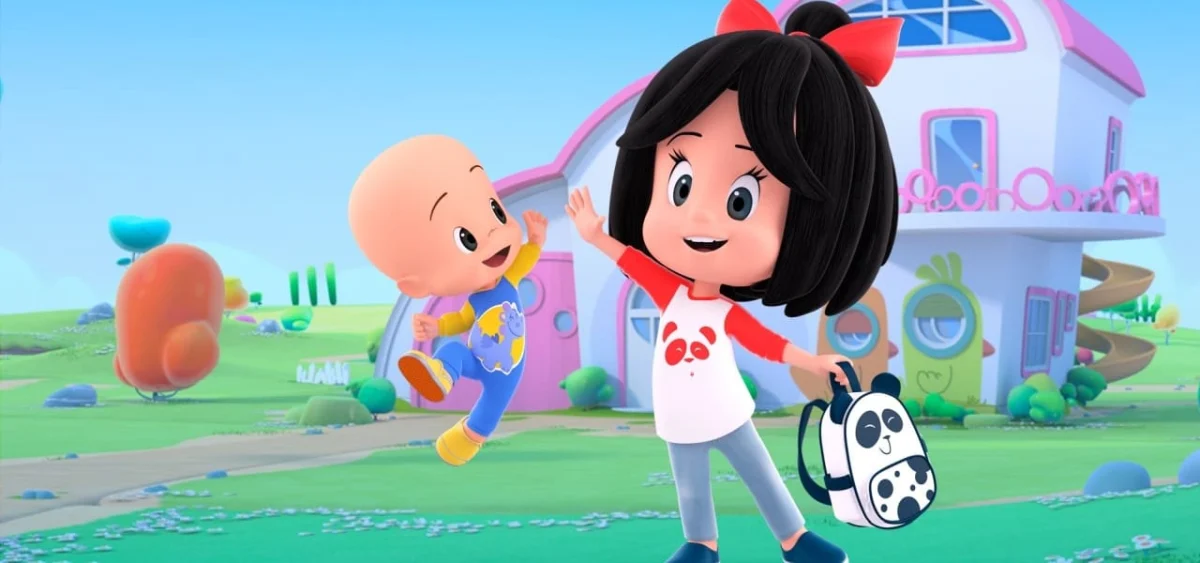
In a move that signals a seismic shift in the European animation landscape, the Oscar-winning visual effects and animation giant DNEG has officially announced its acquisition of Anima Kitchent, a premier studio based in the Canary Islands. This strategic consolidation represents more than just a corporate merger; it is a definitive endorsement of Spain’s burgeoning status as a world-class hub for digital production.
The transaction, which marks a significant expansion of DNEG’s footprint, is bolstered by a substantial €24.9 million ($28.8 million) investment from SETT, Spain’s state-backed technology investment vehicle. As the industry grapples with shifting production models and the relentless demand for high-quality intellectual property, this partnership positions the Canary Islands at the epicenter of a new, globalized animation pipeline.
The Strategic Core: Why Anima Kitchent?
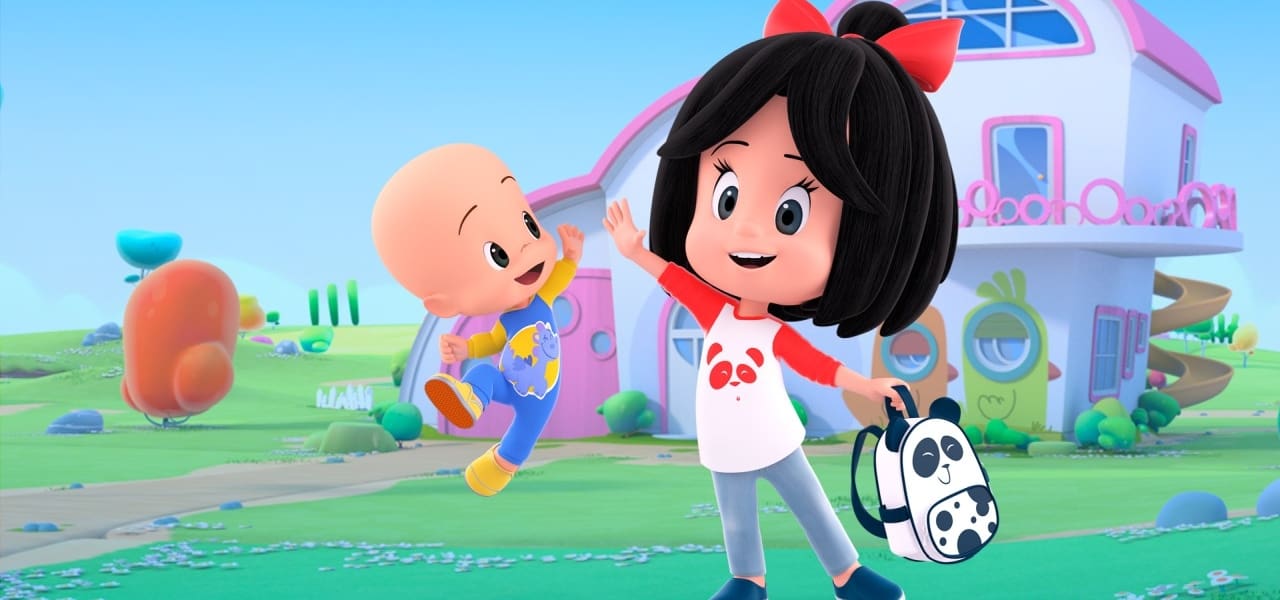
Anima Kitchent has long been regarded as one of the standout success stories within the Spanish animation ecosystem. With a robust workforce of over 170 creative professionals, the studio has carved out a lucrative niche in children’s entertainment and digital-native storytelling. Its flagship production, Cleo & Cuquín, has demonstrated the studio’s ability to build brands that resonate across borders and platforms.
For DNEG—a company renowned for its sophisticated work on blockbuster titles such as Nimona, The Garfield Movie, and Ron’s Gone Wrong—the acquisition is a calculated step toward vertical integration. By bringing Anima Kitchent under its umbrella, DNEG is not merely acquiring a service provider; it is gaining a proven pipeline for original IP development. The deal will be funneled through ReDefine Originals, DNEG’s dedicated content division, signaling a long-term commitment to owning the creative lifecycle of its projects rather than acting solely as a service-based VFX vendor.
A Chronology of Growth: The Rise of the Canary Islands Hub
To understand the magnitude of this acquisition, one must look at the decade-long trajectory of the Canary Islands as an audiovisual production center.
- 2014–2017 (The Foundational Years): Recognizing the potential for economic diversification, the Spanish government began implementing aggressive tax incentives designed to lure international production companies. This period saw the initial establishment of small-to-mid-sized service shops looking to leverage the islands’ unique geographic and fiscal advantages.
- 2018–2022 (The Scaling Phase): As international studios began to trust the quality of local talent, the region saw an influx of larger projects. Infrastructure improvements and local training programs led to a surge in the animation workforce, which today boasts approximately 2,000 skilled professionals.
- 2023–2025 (The Shift to IP): The industry began a pivot away from "work-for-hire" models. Studios like Anima Kitchent started investing heavily in their own intellectual property, moving from mere service provision to full-scale creative development.
- June 2026 (The Current Milestone): DNEG’s acquisition serves as the "coming-of-age" moment for the region. It validates that the Canary Islands possess the requisite talent, infrastructure, and institutional support to attract the world’s most prestigious animation houses.
Supporting Data: The Economics of the Archipelago
The primary driver behind this rapid growth is an exceptionally competitive fiscal environment. The Canary Islands offer some of the most attractive tax credits in Europe:
- Initial Spend Incentive: A 54% tax credit on the first €1 million of eligible production spend.
- Scaling Incentives: A 45% tax credit on subsequent spending.
- Caps: These incentives are capped at €36 million ($41.8 million) per feature film and €18 million ($20.9 million) per television episode.
When combined with the €24.9 million investment from SETT, these incentives create an environment where the "cost of entry" for high-end animation is significantly lowered, while the "ceiling for quality" is raised. This economic framework is specifically designed to facilitate the transition of smaller shops into large-scale studios. Regional officials have indicated that the DNEG-backed expansion of Anima Kitchent aims to triple or even quadruple the studio’s current headcount, with projected targets between 500 and 1,000 employees within the next few years.
Official Perspectives and Industry Implications
While the financial terms of the deal remain under wraps, the industry reaction has been overwhelmingly positive. The involvement of SETT suggests that the Spanish government views this not as a foreign takeover, but as a strategic partnership designed to "upskill" the local labor force.
The DNEG Strategy
DNEG is currently diversifying its portfolio. By embedding itself in the Canary Islands, the company is mitigating the risks associated with high-cost production hubs in North America and London. By tapping into the European workforce, DNEG gains access to a talent pool that is both highly educated and significantly more cost-effective. Furthermore, the partnership with ReDefine Originals ensures that the studio remains competitive in the streaming wars, where the demand for series and feature-length animation is at an all-time high.
The Local Impact
For the local Spanish creative community, this deal is a beacon of stability. In an era where animation studios frequently face the threat of closure due to shifting market trends, being part of a larger global entity like DNEG offers a level of security that allows for long-term creative planning. The ability to work on global projects like the upcoming Netflix production Bad Fairies while based in the Canary Islands provides local artists with world-class credentials that were previously inaccessible without relocating abroad.
.png)
Future Outlook: A New European Powerhouse
The acquisition of Anima Kitchent is unlikely to be an isolated incident. Industry analysts expect that this deal will trigger a wave of further investments from other major Hollywood players looking to optimize their production pipelines.
The "Canary Islands Model"—a blend of state-sponsored financial incentives, a growing pool of specialized talent, and a commitment to original IP—has become the blueprint for other regions in Europe. As DNEG integrates Anima Kitchent into its global workflow, the focus will likely shift toward standardizing production technologies and harmonizing workflows between the Canary Islands and DNEG’s other global hubs.
Ultimately, the marriage of DNEG’s prestige and Anima Kitchent’s regional expertise marks a transition from a local production scene to a globalized powerhouse. Whether this results in a sustained output of hit content remains to be seen, but the infrastructure and the capital are now firmly in place to make the Canary Islands a permanent, indispensable pillar of the international animation industry.
As we look toward the remainder of 2026, the global animation sector will be watching closely to see if the promised growth in headcount and output materializes. If the history of this region is any indicator, the transformation has only just begun.









No comments yet. Be the first to join the conversation!