Jia Lissa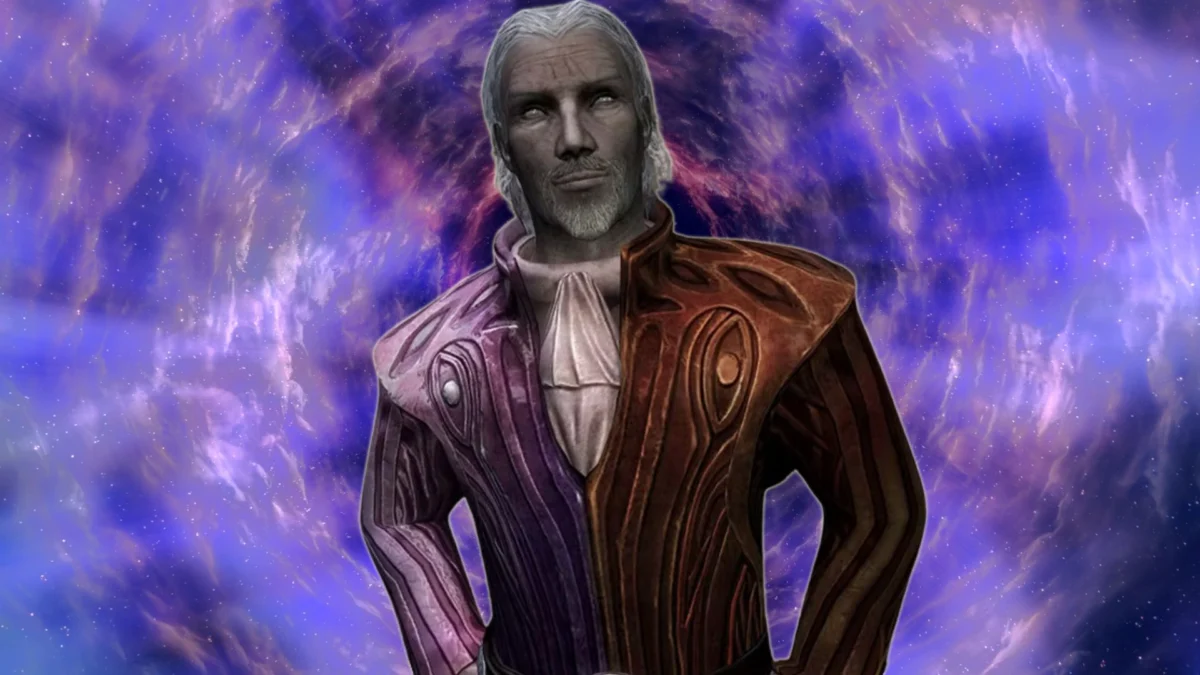
The world of The Elder Scrolls V: Skyrim is a masterpiece of environmental storytelling and emergent gameplay, but for many, it serves merely as the surface of a much deeper, more labyrinthine ocean. While players can easily spend hundreds of hours exploring the frozen peaks and cavernous dungeons of the province without ever cracking open a dusty, in-game book, doing so leaves a massive portion of the experience—the true "soul" of Tamriel—untapped.
The lore of The Elder Scrolls is notoriously dense, bordering on the metaphysical. It is a tapestry of ancient gods, fragmented realities, and political machinations that span thousands of years. When you look closer at the quests that define the Dragonborn’s journey, you realize that almost every objective is a localized ripple caused by a tsunami of historical and mythological significance.
The Architecture of Myth: Understanding Tamrielic Lore
To understand Skyrim, one must accept that the game is not just a survival tale in a harsh land; it is a late-stage chapter in a history defined by the "Godhead," the creation of Mundus, and the cyclical nature of time. Skyrim often presents these concepts through the lens of individual characters or localized conflicts, but the subtext is often grander than the game’s primary plot.
The complexity of this lore is often hidden in plain sight. For the uninitiated, the Thalmor are just arrogant high-elves, but for the lore-savvy, they are existential threats attempting to undo the very foundations of reality. The following breakdown explores ten pivotal quests where, once you understand the underlying history, the narrative shifts from a standard RPG experience to a profound exploration of fantasy mythology.

10. Impatience of a Saint: A Redemption Arc in the Soul Cairn
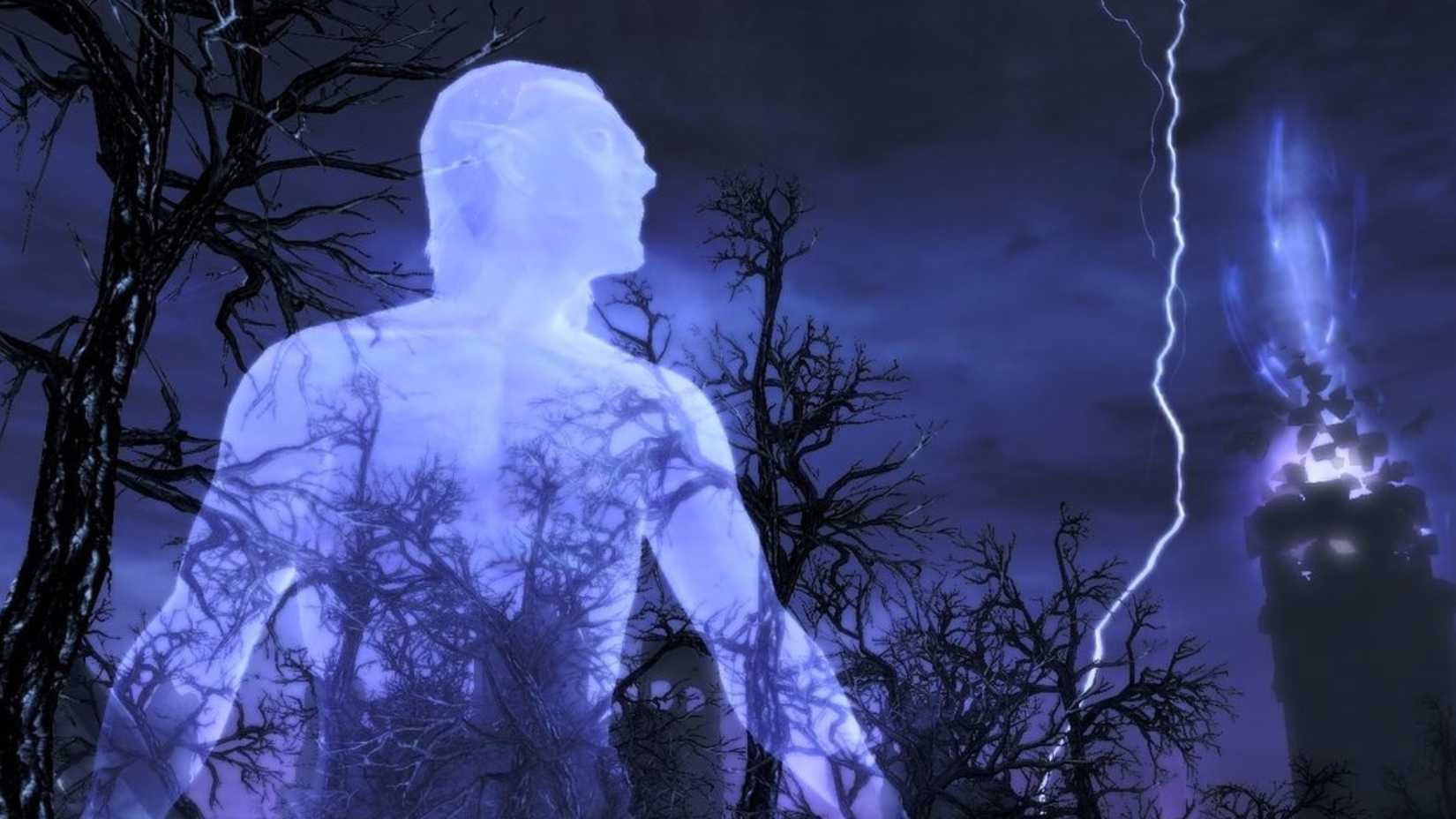
In the Dawnguard expansion, players encounter Saint Jiub in the bleak, purgatorial landscape of the Soul Cairn. For players who began their journey with The Elder Scrolls III: Morrowind, this is a moment of pure nostalgia. Jiub was the very first person the player spoke to upon arriving in Vvardenfell.
The Lore Significance
Jiub’s journey from a fellow prisoner to a saint who eradicated the cliff racer population of Morrowind is a brilliant piece of environmental storytelling. His presence in the Soul Cairn—where he is trapped after the Oblivion Crisis—serves as a poignant reminder of the price of heroism. By gathering his scattered manuscript pages, the player doesn’t just complete a fetch quest; they honor a character who bridges the gap between the third and fifth installments of the series.

9. In My Time of Need: The Geopolitics of Hammerfell
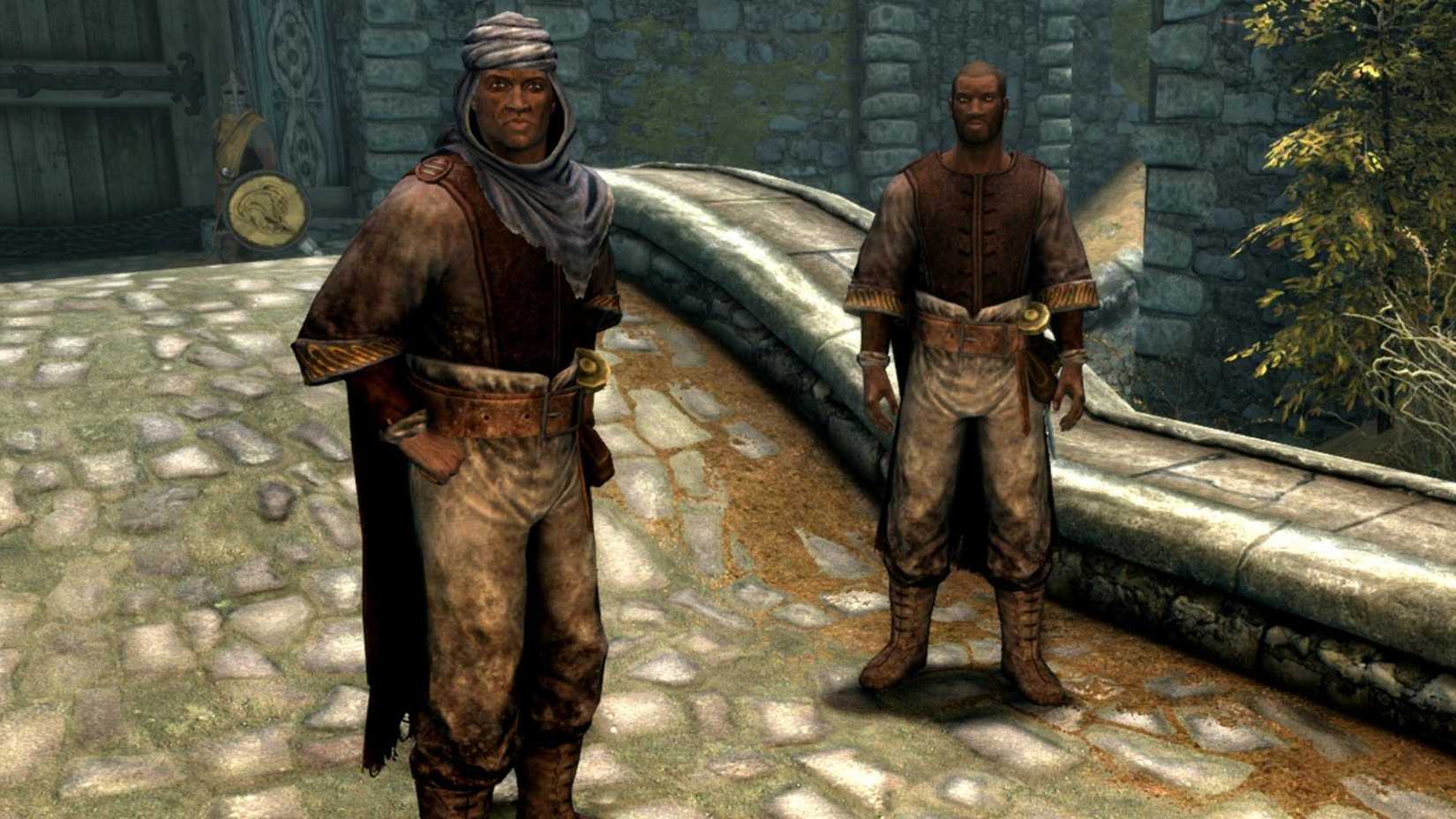
The quest involving Saadia, a seemingly humble server at The Bannered Mare, is a masterclass in subtlety. When the player is confronted by Alik’r warriors, they are thrust into a conflict that is not about Whiterun, but about the survival of the Redguard nation.
The Geopolitical Implications
Hammerfell’s decision to reject the White-Gold Concordat and secede from the Empire is one of the most important geopolitical events in the post-Oblivion era. Saadia is a focal point for this tension. Choosing her side—or turning her in—is not just a moral choice; it is a commentary on the crumbling authority of the Cyrodiilic Empire and the rising tide of nationalism in the wake of the Great War.
8. The Forsworn Conspiracy: The Markarth Affair
Markarth is a city built on the bones of the Dwemer, but its streets are also paved with the blood of the Forsworn. The questline surrounding the Reachmen is one of the most morally ambiguous narratives in the game.
The Role of Ulfric Stormcloak
Many players view the Civil War as a binary choice between the Empire and the Stormcloaks. However, the Markarth Affair reveals the brutal reality of Ulfric’s past. His history of war crimes against the Reachmen—where he essentially committed ethnic cleansing under the guise of "liberating" the city—casts a long, dark shadow over his legitimacy as a High King.
7. Joining the Stormcloaks: An Ideological Minefield
The Stormcloaks present themselves as freedom fighters for religious liberty. Yet, the lore suggests that their movement is built on an ethnonationalist foundation that is detrimental to the survival of the Empire.
The Strategic Reality
The Thalmor actively encourage the Civil War because a fractured Empire is easier to conquer. By joining the Stormcloaks, the player is arguably playing directly into the hands of the very elves they claim to hate. This realization turns the act of joining the rebellion into a tragic decision, highlighting the game’s focus on the cyclical, destructive nature of human politics.
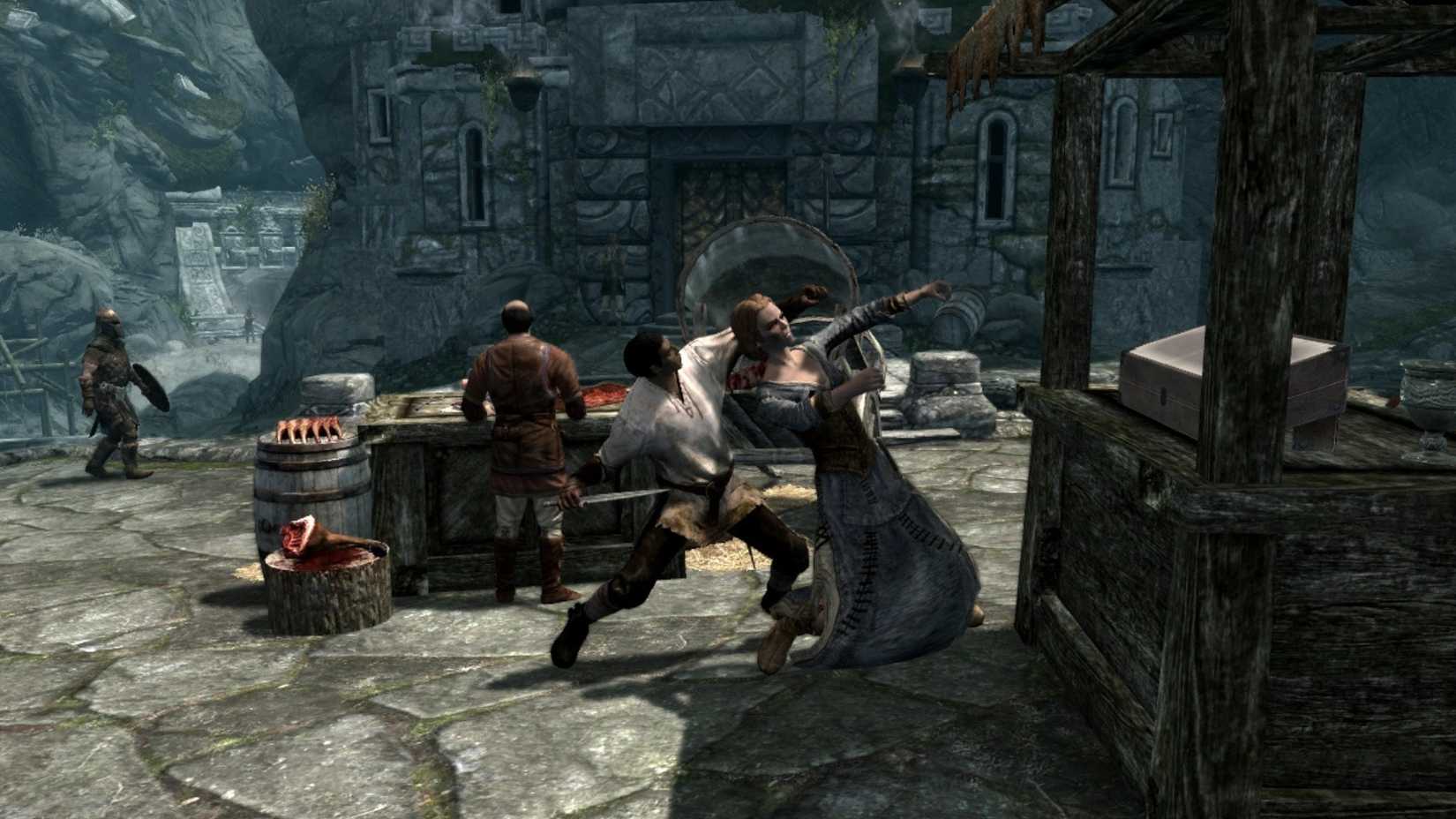
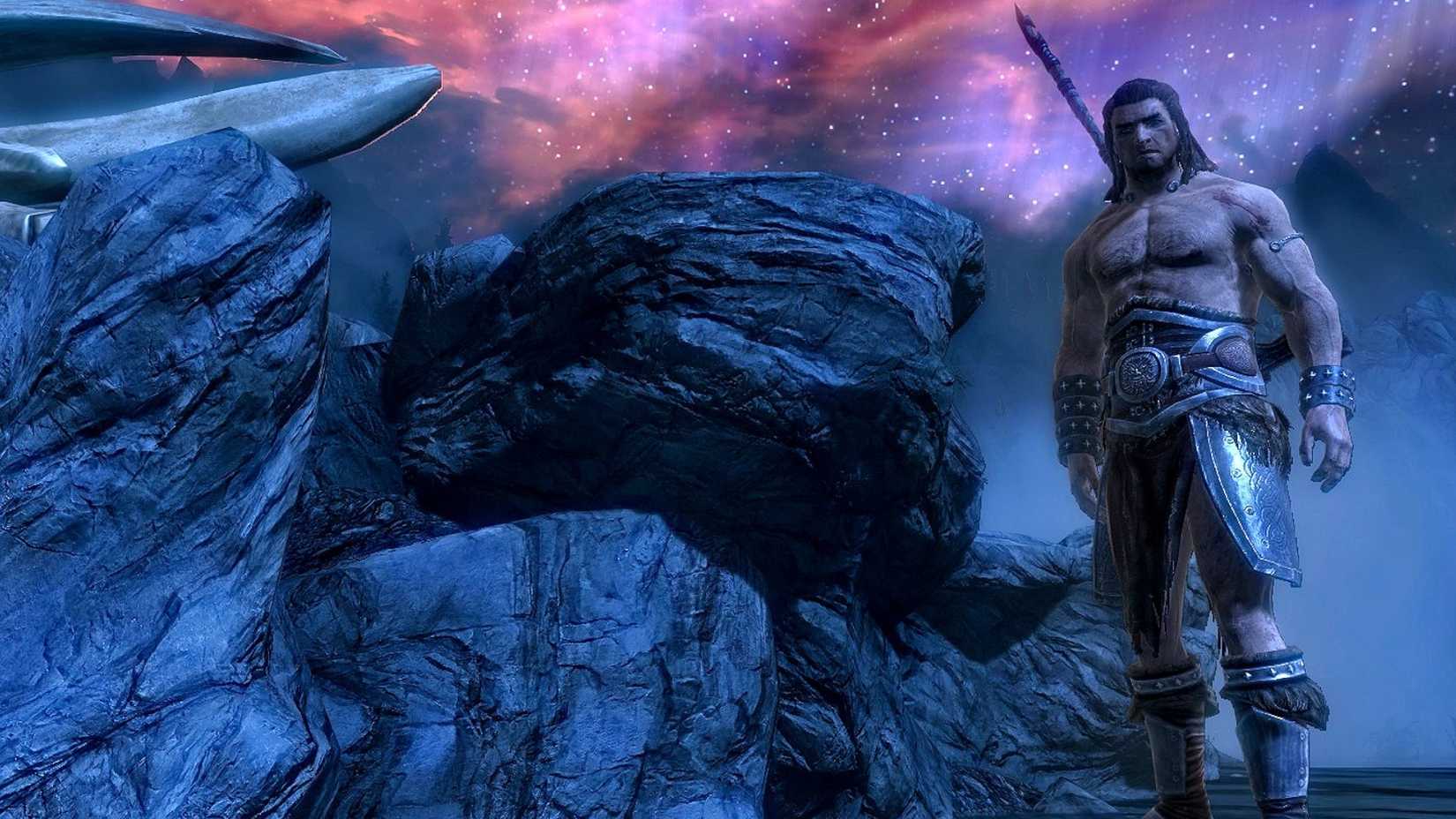
6. Sovngarde: The Hall of Valor
Entering the afterlife of the Nords is a high-fantasy climax, but its true weight lies in the identity of its architects: Shor and Tsun.
The Divinity of Shor
Shor is the Nord name for Lorkhan, the "Missing God" who tricked or convinced the other deities to create the world of Mundus. The fact that the afterlife is a physical location within Aetherius, rather than just a metaphorical concept, reinforces the idea that in the Elder Scrolls universe, the gods are not distant, abstract beings—they are tangible, active participants in the fate of mortals.
5. Unbound: The Nature of Alduin and Akatosh
The opening of Skyrim is iconic, but the identity of the antagonist, Alduin, remains one of the most debated topics in the community.
The Time-Dragon Aspect
Many scholars within the game’s lore believe that Alduin is an aspect of Akatosh, the Dragon God of Time. This creates a fascinating paradox: the dragon trying to end the world is a broken reflection of the dragon god who holds time together. This makes the conflict in Skyrim not just a battle against a monster, but a cosmic correction within the timeline of Tamriel itself.
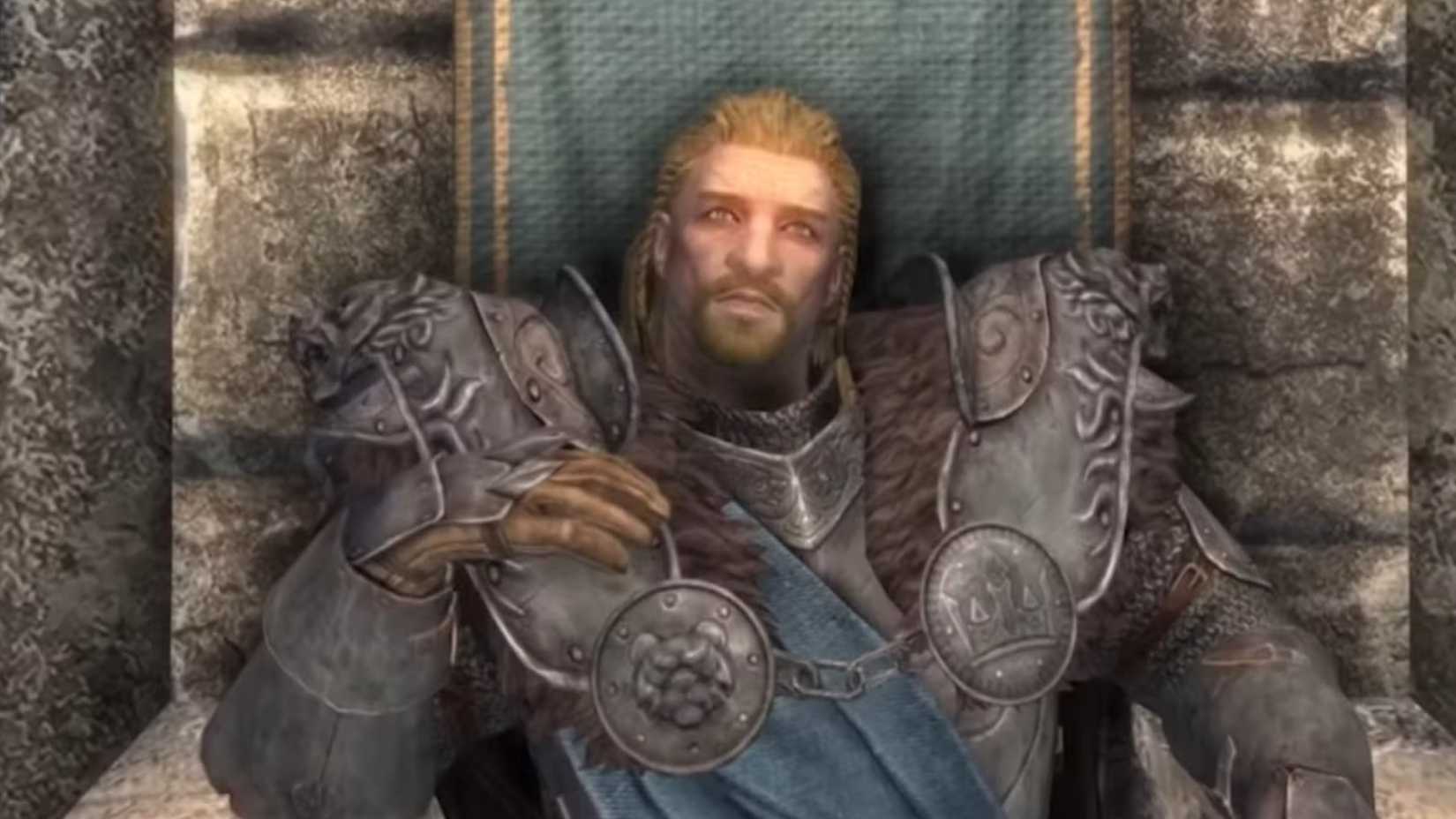
4. The Eye of Magnus: The Psijic Order’s Intervention
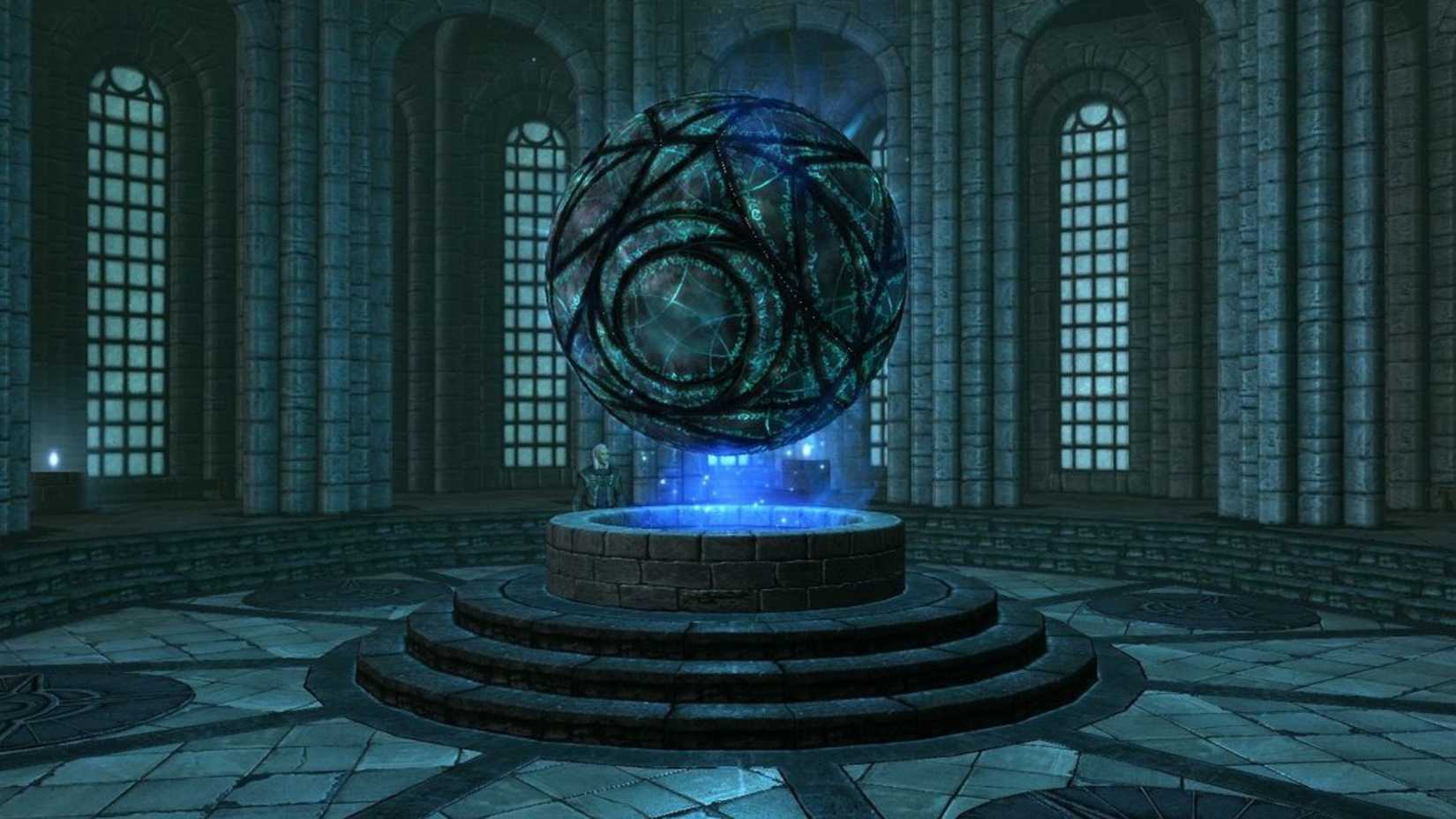
The College of Winterhold questline is often criticized for its pacing, but the introduction of the Psijic Order and the Eye of Magnus introduces some of the most powerful entities in existence.
The Significance of the Psijic Order
The Psijic Order acts as a silent monitor of the world’s magical stability. Their intervention suggests that the events at Winterhold were a "Class-5" magical emergency that threatened the stability of the local reality. The fact that this is treated as a minor side-plot by the game’s world-building speaks to the sheer scale of the mysteries hidden within the College’s walls.
3. Elder Knowledge: Fragments of Reality
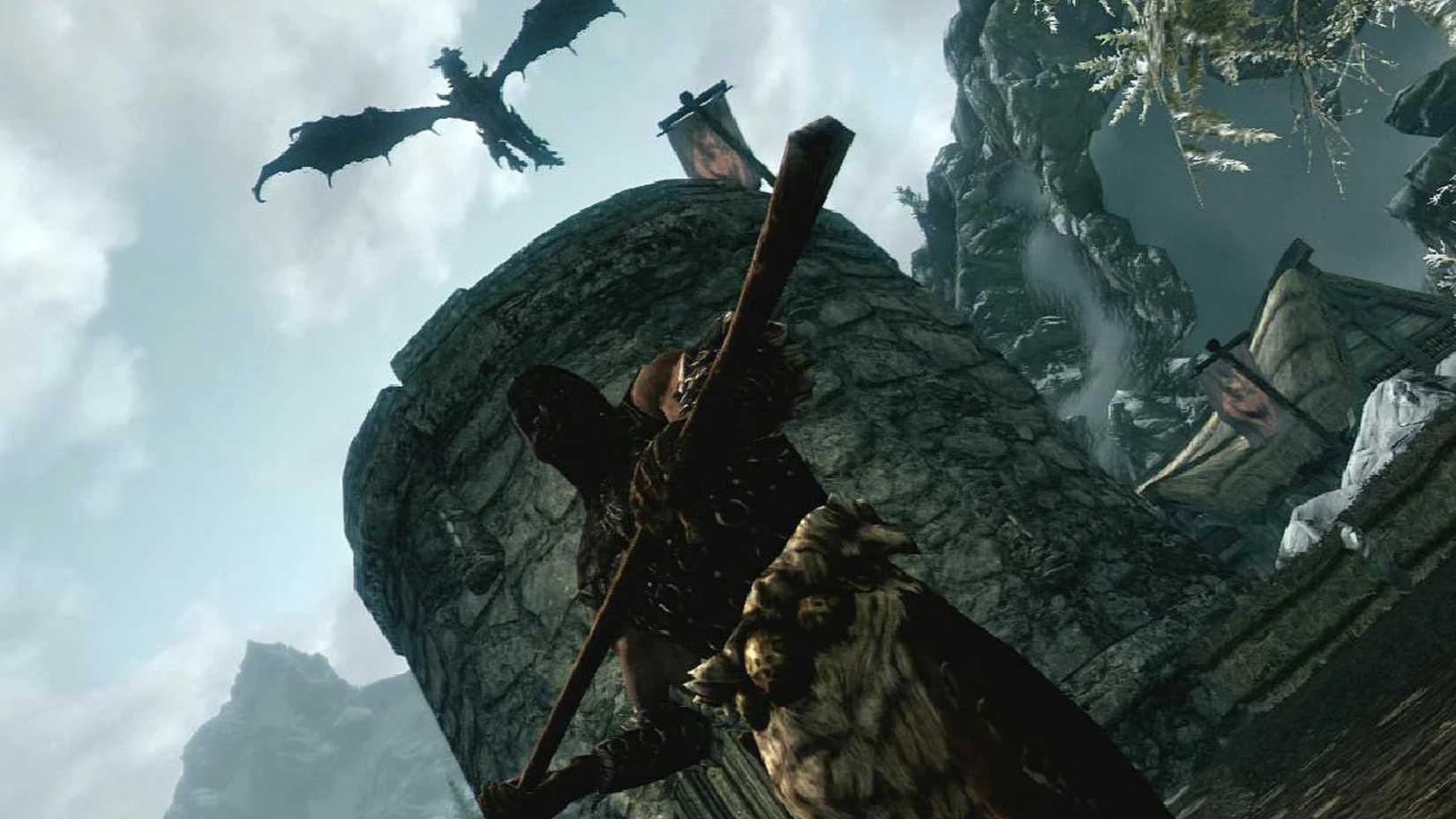
The Elder Scrolls are the series’ namesake, yet they are rarely understood. The quest Elder Knowledge is a rare opportunity to engage with these objects.
The Metaphysical Nature
The Scrolls are not books; they are reflections of the Godhead’s dreaming mind. They exist outside of time, containing all possibilities. Using one to see the past is not merely research—it is a dangerous act of tapping into the source code of reality, an act that leaves the reader permanently changed, if not blinded.
2. With Friends Like These…: The Decay of the Dark Brotherhood
The Dark Brotherhood in Skyrim is a shadow of its former self. To understand why, one must look at the collapse of the Black Hand and the loss of the Night Mother’s true influence.
A Deviant Organization
Astrid’s leadership is fundamentally illegal by the Brotherhood’s own standards. The collapse of the organization is a direct result of their shift away from the worship of Sithis and toward secular, mercenary goals. Completing this quest is the final nail in the coffin of an organization that once commanded fear across the entire continent.
1. The Mind of Madness: A Meeting of Protagonists
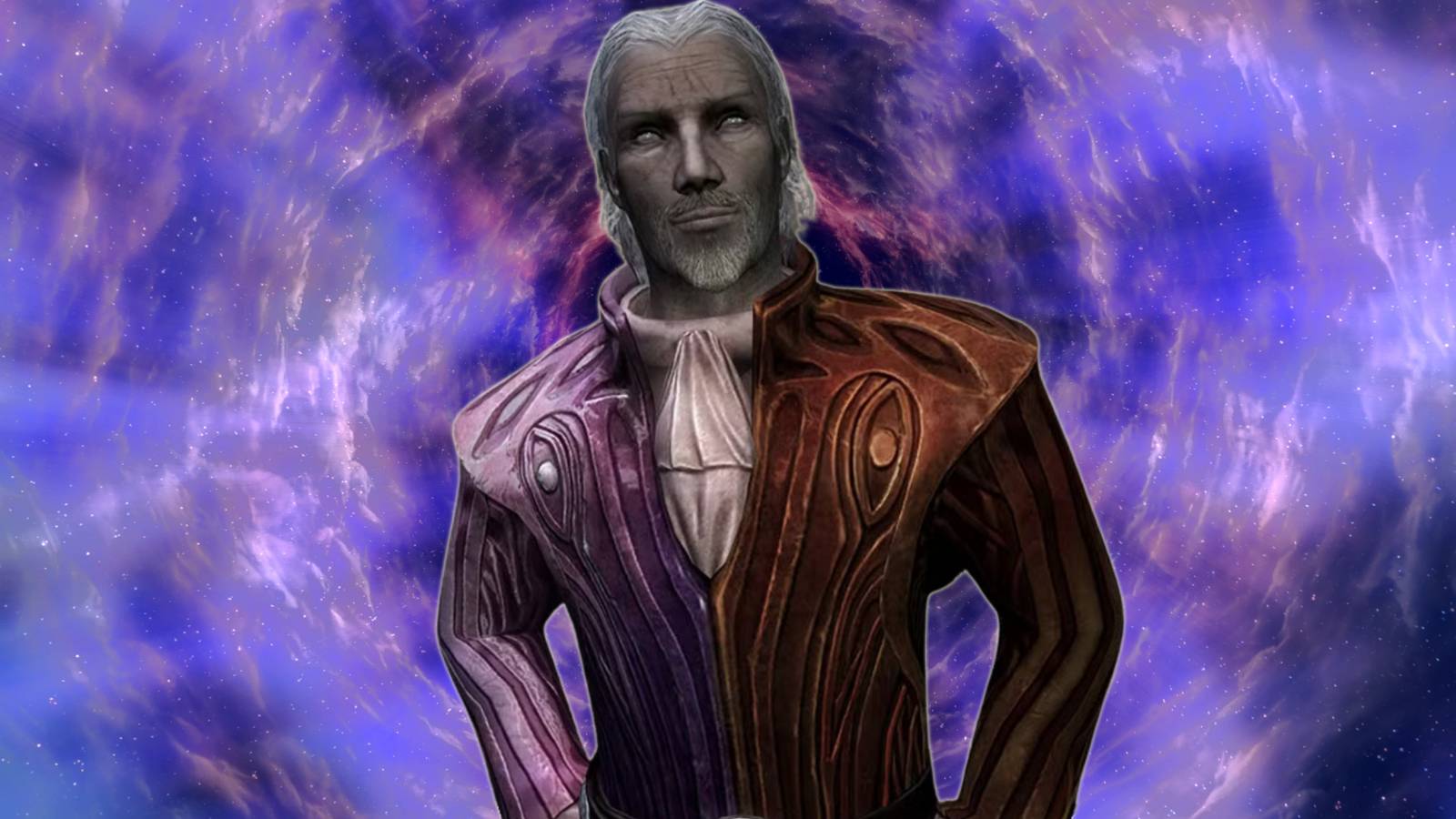
Finally, we arrive at the most meta-quest in the game. When the player enters the mind of Pelagius the Mad, they meet Sheogorath.
The Hero of Kvatch Theory
The dialogue shared by Sheogorath is filled with references to the events of The Elder Scrolls IV: Oblivion, specifically the Shivering Isles expansion. This is the strongest evidence in the series that the protagonist of Oblivion did not just die or fade away—they ascended to become the Daedric Prince of Madness. This makes The Mind of Madness not just a quirky quest, but the only instance in the series where two players-as-protagonists interact directly.
Conclusion: The Depth of the Frozen North
Skyrim is a game that rewards curiosity with layers of complexity. While the main quest provides a satisfying narrative arc, the true richness of the game is found in the connections between these specific quests and the grand, thousand-year history of Tamriel. By understanding the lore, the player ceases to be just a Dragonborn and becomes a witness to the unfolding history of a universe where gods, mortals, and madness collide in a never-ending cycle of creation and destruction. Whether it is the tragedy of the Forsworn or the cosmic horror of the Elder Scrolls, the game remains, over a decade later, a testament to the power of deep, interconnected storytelling.


 Asro
Asro
 Muslim