Azzam Bilal Chamdy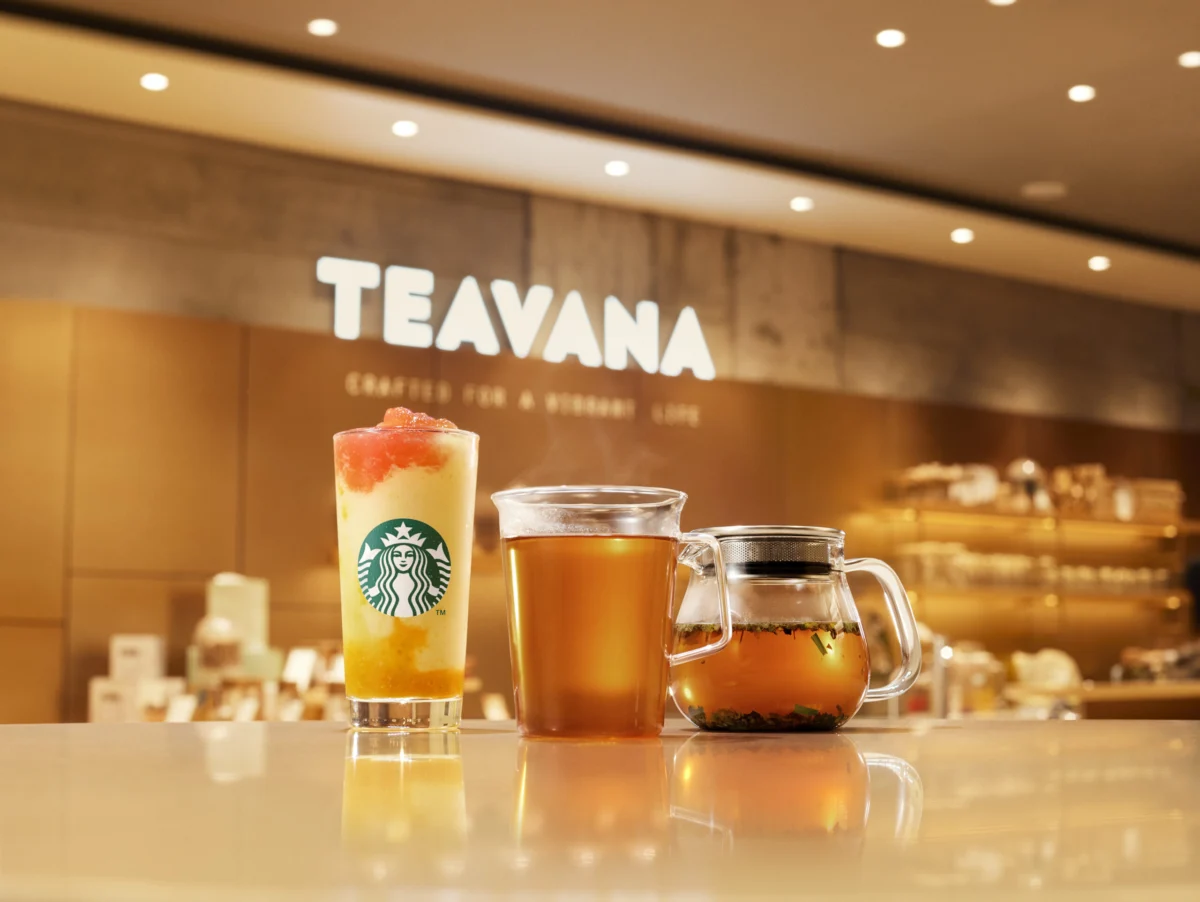
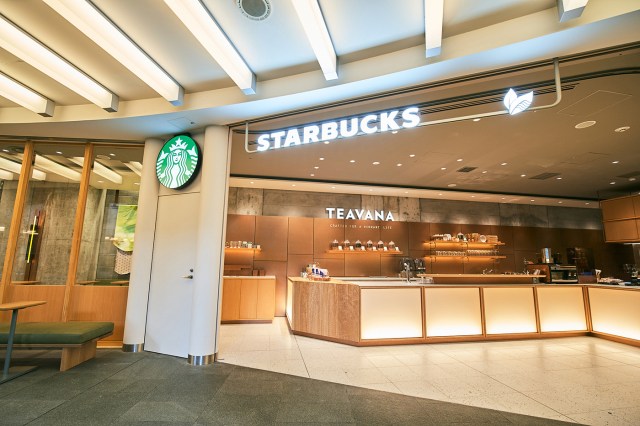
While Starbucks may have been born in the rainy streets of Seattle, its evolution within the Japanese market has consistently pushed the boundaries of what a global coffeehouse can achieve. Japan’s unique cafe culture—a blend of meticulous craftsmanship, seasonal reverence, and aesthetic perfection—has led to the birth of the Starbucks Tea & Cafe concept. With only 30 select locations across the country, these specialty branches are not just stores; they are exclusive laboratories for tea innovation. This summer, they are inviting patrons to step into an "Urban Oasis" with the launch of their most vibrant, tropical-inspired menu to date.
Main Facts: The Essence of the Urban Oasis
At the heart of this summer’s limited-edition campaign is a proprietary new Teavana blend: Pineapple Kona Pop. Moving away from the traditional coffee-forward identity of the standard Starbucks experience, this new line of beverages leans heavily into the complexity of botanical infusions.
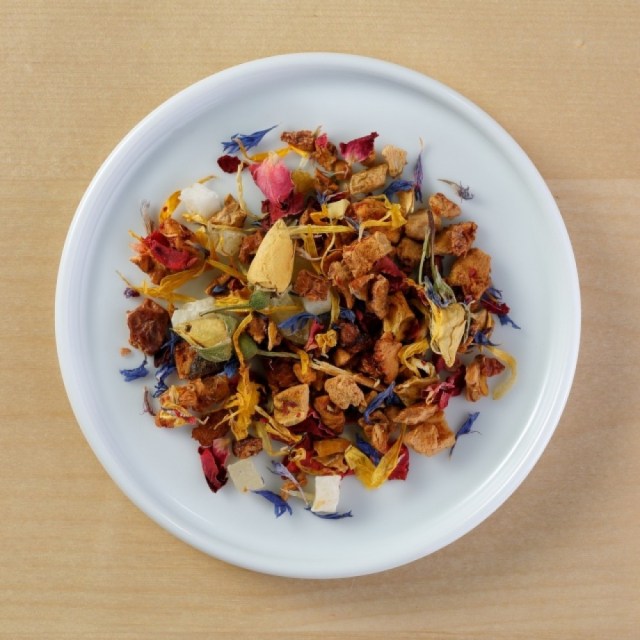
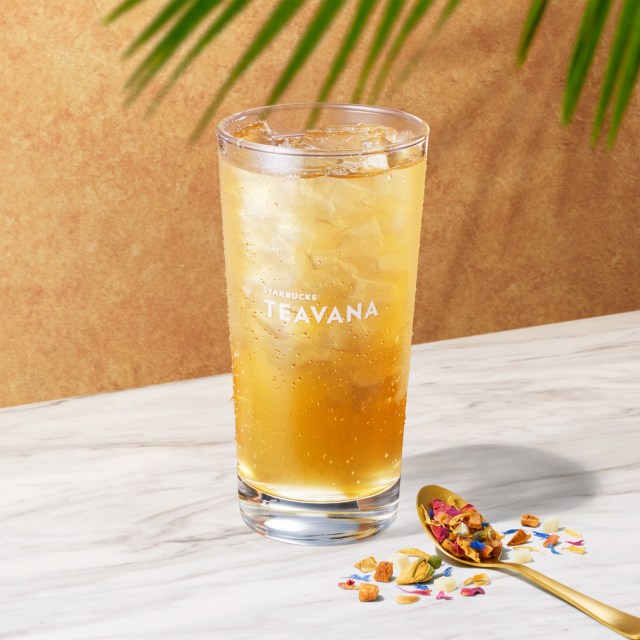
The Pineapple Kona Pop blend is a meticulously crafted medley. It features the sharp, sun-drenched sweetness of pineapple as its primary note, balanced by the mellow, familiar comfort of apple. To elevate the blend from a simple fruit tea to a sensory experience, the recipe incorporates delicate rose and marigold petals. The result is a cup that is not only thirst-quenching but deeply aromatic.
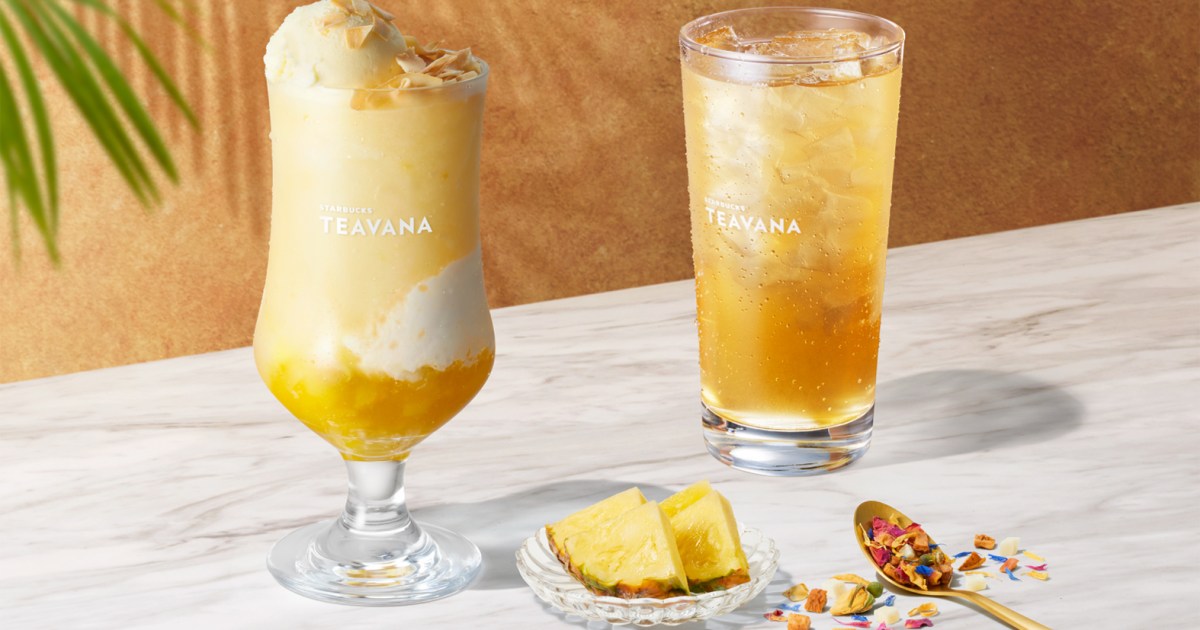
The launch, which officially began on June 17, introduces two primary ways to consume this blend:
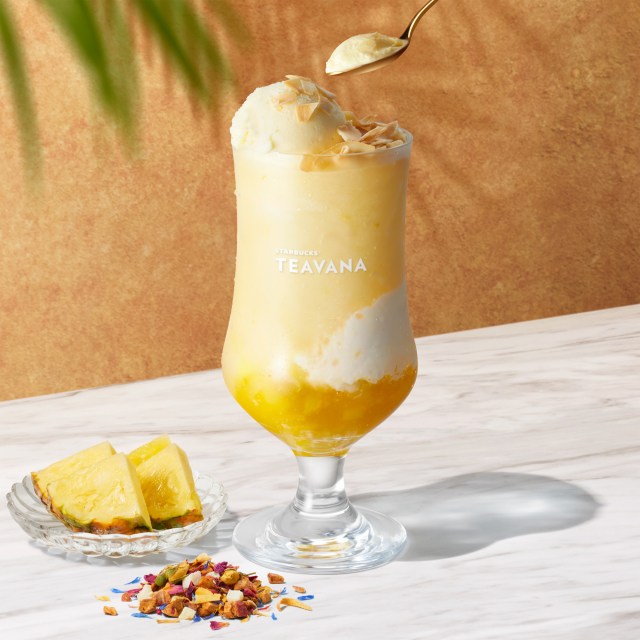
- The Pineapple & Coconut Frozen Tea Float: A multi-layered, dessert-like experience priced at 933 yen (takeout) and 950 yen (dine-in).
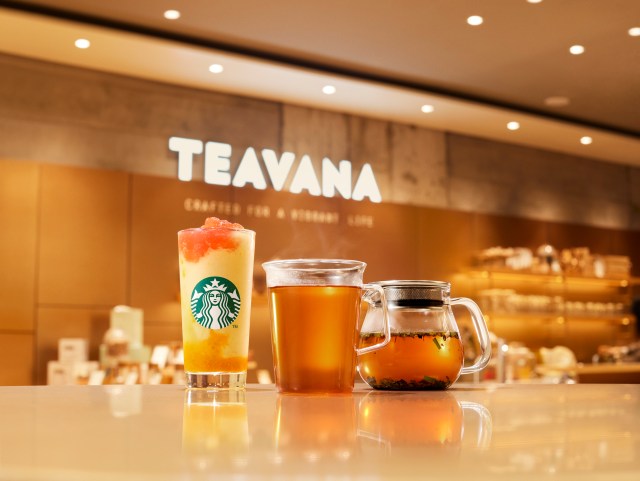
- The Craft Iced Tea Pineapple Kona Pop: A refined, purist approach to the blend, priced at 628 yen (takeout) and 640 yen (dine-in).
Chronology of the Development
The path to the "Urban Oasis" campaign was not an overnight endeavor. It represents the culmination of years of R&D within the Teavana department of Starbucks Japan.
- Pre-2023: Starbucks Japan identified a growing demographic of customers who preferred tea over coffee but felt underserved by the standard menu. This led to the pilot program of the Starbucks Tea & Cafe concept.
- 2023–2025: The chain successfully established 30 dedicated locations, focusing on tea-based beverages and "teavana" expertise. These stores served as testing grounds for non-traditional, complex flavor profiles.
- Early 2026: Product developers began experimenting with "tropical-botanical" profiles. The goal was to combat the humidity of the Japanese summer by creating a drink that felt "cooling" to the palate.
- June 2026: The finalized Pineapple Kona Pop recipe was approved. The marketing team developed the "Urban Oasis" narrative to frame the drinks as a sanctuary for city dwellers.
- June 17, 2026: The official launch of the summer menu across all 30 Tea & Cafe locations.
Supporting Data and Technical Craftsmanship
The distinction between a standard Starbucks tea and a Teavana Tea & Cafe beverage lies in the execution. For the Craft Iced Tea Pineapple Kona Pop, the process is artisanal. Baristas do not rely on pre-batched concentrates; instead, they brew the tea fresh for every single order.
The leaves are steeped and then passed through a specialized tea strainer, followed by a rapid-chilling process over ice. This technique, often referred to as "flash chilling," is critical for locking in the volatile aromatic compounds of the rose and marigold, preventing the tea from becoming bitter while ensuring the pineapple brightness remains crisp.
For the Pineapple & Coconut Frozen Tea Float, the technical challenge was structural. The drink is designed to be consumed as a "parfait in a cup."
- Base Layer: A concentrated pineapple pulp jelly mixed with orange marmalade, providing a dense, fruit-forward anchor.
- Middle Layer: The frozen Pineapple Kona Pop blended with a rich, creamy coconut base.
- Topping: A generous scoop of vanilla ice cream, garnished with dehydrated coconut chips for texture.
This structure allows the consumer to treat the drink as a multi-stage culinary experience, either by dipping into the ice cream first or by stirring the layers together to create a cohesive, creamy tropical slush.
Official Responses and Strategic Intent
Starbucks Japan has positioned this launch as a "luxury of time." In a press statement, representatives noted that the "Urban Oasis" theme is a direct response to the fast-paced, high-stress environment of modern Japanese urban life.
"We wanted to offer more than just a beverage; we wanted to offer a pause," the statement read. "By utilizing the Pineapple Kona Pop—a blend that feels like a vacation in a glass—we are providing a brief moment of respite for our customers. The exclusivity of these 30 stores allows us to maintain a level of quality and service that would be impossible to replicate in our thousands of standard locations."
The decision to sell the Pineapple Kona Pop loose-leaf tea in 80-gram boxes (2,350 yen) is also a strategic move. While the drinks are limited-edition, the tea blend itself will remain a permanent fixture in the Tea & Cafe inventory, signaling that Starbucks is looking to build a long-term "tea-at-home" culture among its most loyal fans.
Implications: The Future of Starbucks in Japan
The success of the Tea & Cafe concept has broader implications for the global Starbucks brand.
1. The Rise of the "Tea-First" Consumer
For years, Starbucks has been fighting the perception that it is purely a "coffee shop." By segregating its tea operations, the brand has effectively created a secondary, premium identity. If the "Urban Oasis" campaign performs well, it is highly likely that Starbucks will expand the Tea & Cafe concept to other major metropolitan areas in Asia, potentially creating a new tier of store that competes directly with high-end tea houses.
2. Market Segmentation as a Strategy
The sheer number of limited-edition items currently circulating in the Japanese market—including fruit gummies, muscat tea lattes, and the Banana Affogato Frappuccino—suggests that Starbucks Japan is doubling down on "hyper-local" marketing. They are not attempting to create a one-size-fits-all menu. Instead, they are tailoring products to specific consumer moods, times of day, and seasonal sensibilities.
3. Sustainability and Sourcing
The focus on botanicals like rose and marigold highlights an evolution in the supply chain. As Starbucks moves away from simple syrup-based flavorings toward more complex, natural, and botanical-based ingredients, they are setting a new standard for what "fast-casual" drinks can be. This shift is likely to influence the global supply chain, potentially increasing demand for high-quality, exotic tea components.
4. The "Exclusivity" Factor
The fact that these drinks are harder to get than most items in the Starbucks portfolio is a deliberate feature of their marketing. By limiting these offerings to 30 locations, the brand fosters a sense of "FOMO" (fear of missing out), which drives foot traffic to these specific stores and enhances the perceived value of the product. It turns a simple trip to the store into a "destination" event.
Conclusion
As the Japanese summer heat settles over the city, the "Urban Oasis" campaign serves as a timely reminder of why Starbucks remains a dominant force in the region. By respecting the traditions of tea while aggressively experimenting with modern, dessert-inspired flavors, the company has managed to capture the imagination of a discerning public.
Whether you are a casual fan seeking a refreshing pineapple treat or a tea enthusiast interested in the nuances of a freshly brewed rose-infused blend, the latest offerings at the Starbucks Tea & Cafe locations represent the pinnacle of current beverage innovation. It is a testament to the brand’s ability to adapt, evolve, and ultimately, refresh the status quo.


 Neng Nana
 Asro
Asro