

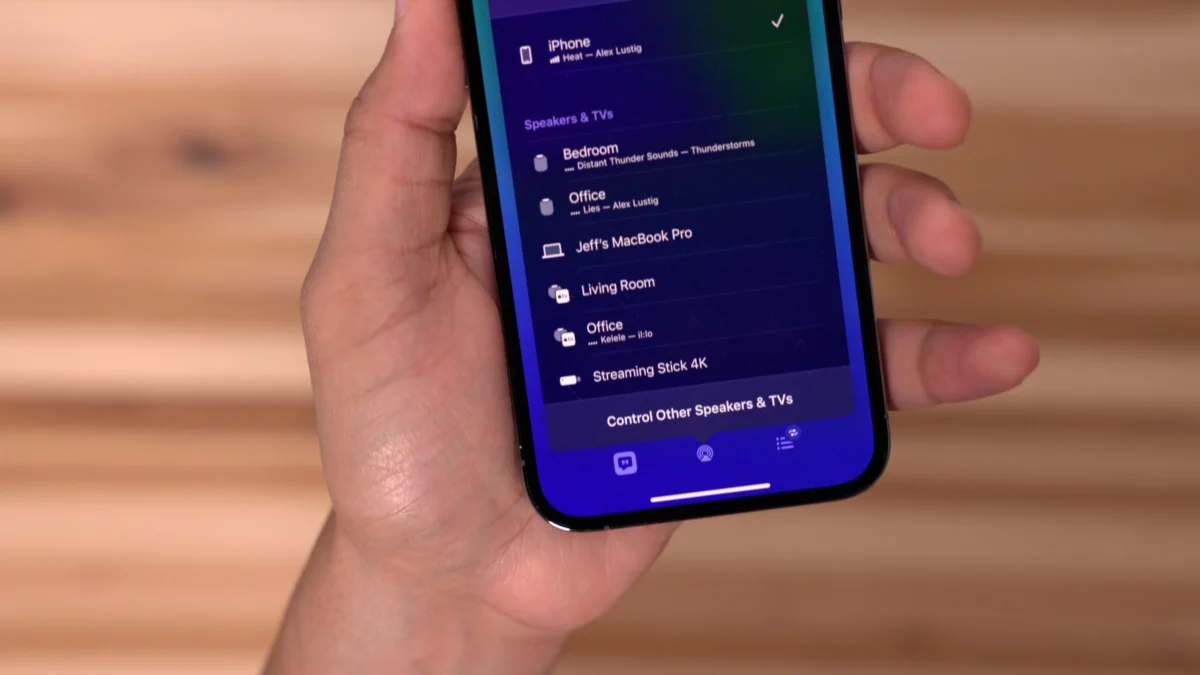
In an era of increasing regulatory scrutiny, Apple is reportedly preparing to loosen its tight grip on its proprietary wireless streaming ecosystem. As the European Union continues to press forward with the enforcement of the Digital Markets Act (DMA), new reports suggest that Apple is developing support for third-party streaming protocols at the system level within iOS 27. This move, which would allow users to replace AirPlay with alternatives like Google Cast, marks a significant shift in Apple’s walled-garden philosophy.
Main Facts: The End of the AirPlay Default
According to industry reports, most notably from Bloomberg’s Mark Gurman, Apple is proactively building native support for third-party streaming alternatives to comply with evolving EU competition laws. The core of this initiative involves allowing users to set a protocol other than Apple’s AirPlay as the default method for beaming audio, video, and photos from their iPhone or iPad to external displays and smart speakers.
For years, AirPlay has served as the exclusive, seamless "beaming" solution for Apple devices. While this provided a highly optimized and reliable experience within the Apple ecosystem, it also effectively locked out competing standards. If these reports hold true, iOS 27 will allow third-party services—most notably Google Cast—to function as native system-level protocols. This means that instead of relying on individual app implementations, a user could theoretically broadcast content system-wide using non-Apple technology, significantly lowering the barrier for entry for hardware manufacturers who have previously had to pay licensing fees or implement complex integrations to work with Apple devices.
A Chronology of Apple’s Walled Garden
To understand the magnitude of this potential change, one must look at the history of Apple’s wireless connectivity strategies.

- 2004: Apple introduces "AirTunes," allowing users to stream music from iTunes to Airport Express devices. This was the infancy of what would eventually become a dominant ecosystem.
- 2010: Apple officially rebrands the technology as "AirPlay," expanding its capabilities to include video streaming from iPhones and iPads to the Apple TV.
- 2018: The launch of AirPlay 2 introduces multi-room audio, significantly enhancing the utility of the protocol and deepening the reliance of third-party audio brands on Apple’s software licensing.
- 2022: As the European Union finalizes the Digital Markets Act, the clock begins ticking for "gatekeeper" companies to ensure their ecosystems are interoperable with competitors.
- 2024–2025: Apple begins making concessions in Europe, including allowing third-party app stores and alternative browser engines, signaling a shift in policy from outright restriction to regulated compliance.
- 2026 (Projected): With the arrival of iOS 27, Apple is expected to extend this openness to hardware streaming protocols, effectively treating "AirPlay" as an optional, rather than mandatory, system feature.
Supporting Data: Why the EU is Targeting Apple
The European Union’s Digital Markets Act is designed to curb the market power of tech giants that act as "gatekeepers." The European Commission argues that by controlling both the hardware and the software protocols, Apple limits consumer choice and stifles innovation from smaller hardware manufacturers.
Data regarding streaming protocol usage suggests that while AirPlay is dominant in the Apple ecosystem, Google Cast (Chromecast) holds a massive market share globally, particularly in the hotel and hospitality industry. By mandating—or effectively forcing—interoperability, the EU aims to ensure that a consumer’s choice of smartphone does not dictate which smart home devices or hotel televisions they can interact with.
Industry analysts note that this transition is not merely about convenience; it is about the "lock-in effect." Consumers are less likely to switch away from an iPhone if their entire home theater system relies on AirPlay. By allowing Google Cast or other protocols to operate natively at the system level, the EU hopes to reduce this switching cost, thereby increasing competition in the smart home and streaming hardware markets.
Implications: A New Frontier for Smart Home Integration
The implications of this shift are profound, both for consumers and for companies like Google, Roku, and Amazon.
The Consumer Experience
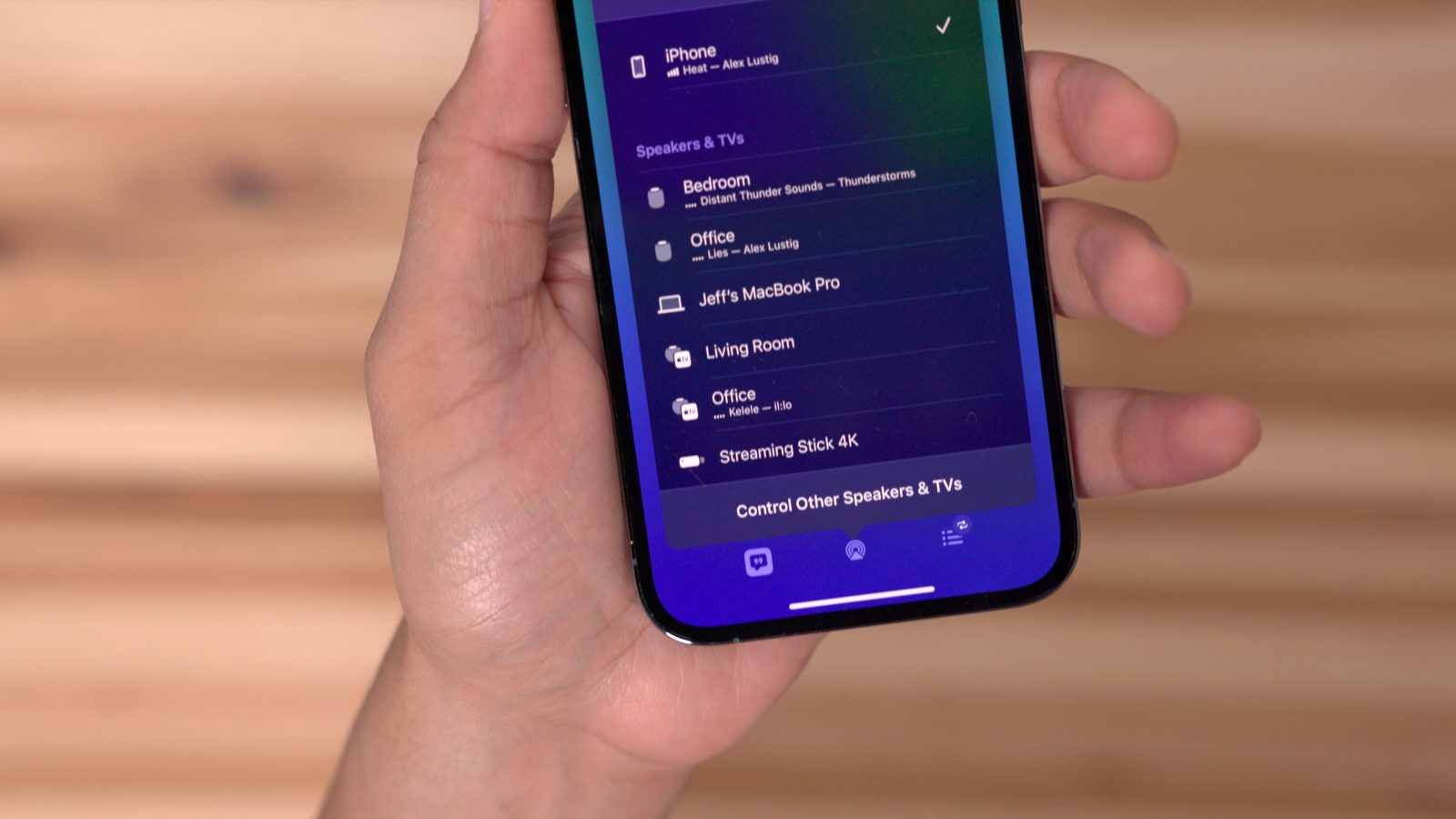
For the average user, this could resolve long-standing frustrations. Travelers often encounter hotels that provide Google Cast-enabled televisions, forcing iPhone users to struggle with limited connectivity or rely on clunky third-party apps. If iOS 27 allows native Google Cast support, the "cast" icon could appear in the system share sheet, mirroring the convenience of AirPlay. This level of native integration would be a massive quality-of-life upgrade for users who operate in mixed-device households.
The Hardware Manufacturer Landscape
For manufacturers, the pressure to include AirPlay support—which often requires specific hardware certifications and licensing agreements—may diminish. If they can offer a seamless experience using an open-source or more widely adopted protocol like Google Cast, they may no longer feel the need to pay for Apple’s certification. This could lead to a wider variety of affordable, high-quality speakers and displays that play nicely with Apple devices without requiring the "Apple Tax."
The "European Exception"
It is critical to note that, much like the introduction of third-party app stores in the EU, this feature is likely to be geofenced. Apple has a history of limiting its regulatory concessions to the specific jurisdictions that mandate them. For users in the United States, Asia, and other regions, this means the AirPlay-only status quo will likely persist. This creates a fragmented software experience, where the "global" version of iOS differs fundamentally from the "European" version.
The Future of the "System Level"
If Apple is truly conceding system-level access to third-party protocols, it raises questions about the future of AirPlay itself. Will Apple eventually allow third-party developers to build their own streaming protocols from the ground up? Could we see a future where "Spotify Connect" or "Tidal Connect" are integrated as native system-level options in iOS?

This move would be a complete reversal of Apple’s long-standing strategy of "it just works" (because we control everything). However, it is a necessary evolution. As the digital landscape becomes more litigious, the ability to pivot and adapt to international law is becoming a core competency for Silicon Valley firms.
Conclusion
The report that Apple is readying iOS 27 to support third-party streaming protocols like Google Cast serves as a reminder that even the most powerful companies are subject to the will of regulators. While the change may be limited to the European Union, it represents a crack in the foundation of Apple’s closed ecosystem.
Whether this move will lead to a more open, competitive market remains to be seen. What is certain is that the battle for control over our living rooms and our devices is intensifying. As we look toward the launch of iOS 27, users in Europe can expect a more flexible, if slightly more complex, experience, while the rest of the world watches to see if these "EU-only" features ever make the jump to a global standard.
For now, the era of AirPlay’s absolute dominance is being challenged—not by superior technology, but by the weight of international law. As Apple prepares for this transition, the tech world will be watching closely to see how the company balances its desire for total control with the reality of a world that increasingly demands open, interoperable systems.










No comments yet. Be the first to join the conversation!