Neng Nana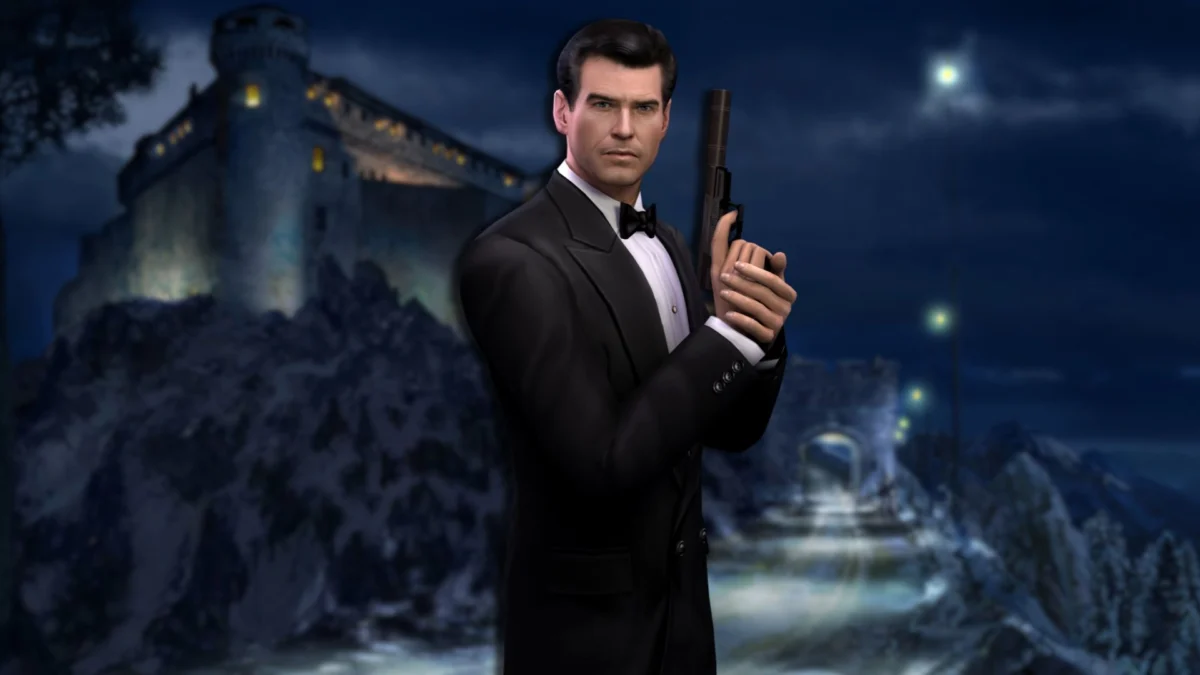
Since Ian Fleming first introduced the world to James Bond in the early 1950s, the character has served as a cultural bellwether. Fleming’s novels provided a gritty, grounded alternative to the escapism of the post-war era, establishing a blueprint of moral ambiguity and high-stakes espionage that would eventually translate across every medium of entertainment. While Bond has dominated the silver screen for over six decades, his transition to the digital realm has been a rollercoaster of technical innovation, creative risks, and legendary failures.
As we look back at the history of 007 in gaming, we find a legacy that mirrors the history of the medium itself—from the pixelated experiments of the 80s to the cinematic, multi-million dollar blockbusters of the modern era.
The Foundation: From Print to Pixels
Intellectual properties with the global reach of 007 are naturally coveted by developers. However, adapting Bond is a distinct challenge. A successful 007 game must balance three pillars: the tension of stealth, the thrill of high-speed vehicular combat, and the cinematic flair of a spy thriller. Most games have struggled to reconcile these disparate genres, but a select few have managed to capture that "cinematic magic," cementing their place in history as defining titles for their respective generations.
Chronology: The Rise and Fall of the Bond Formula
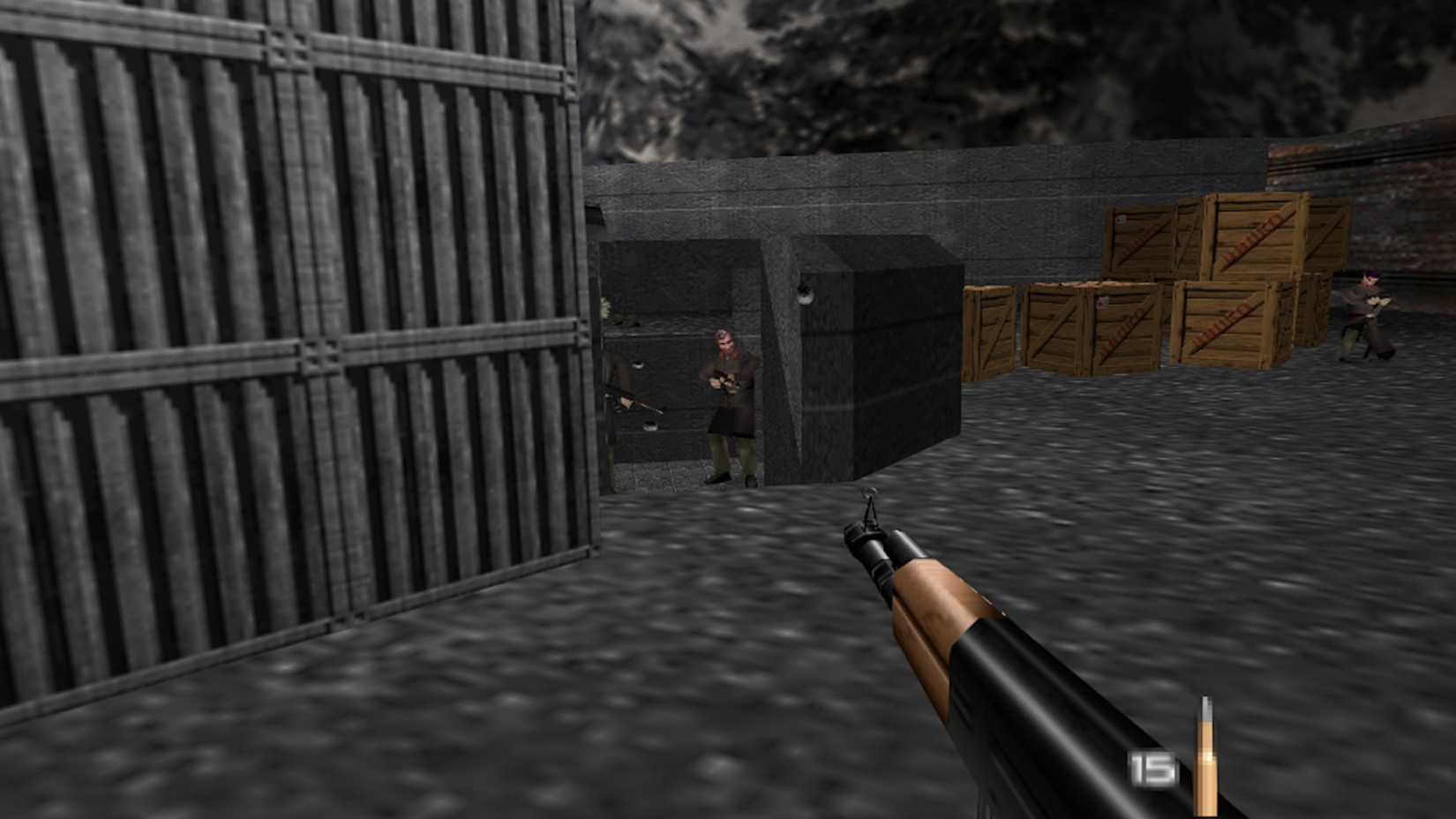
8. GoldenEye 007 (1997): The Console Shooter Revolution
It is impossible to discuss the history of Bond in games without acknowledging GoldenEye 007. Released two years after the Pierce Brosnan film, Rare’s masterpiece on the Nintendo 64 did more than just adapt a movie; it fundamentally changed how console shooters were designed. Before GoldenEye, the first-person shooter was largely considered a domain for the PC and mouse-and-keyboard precision. Rare proved that the genre could thrive on consoles, offering an immersive, level-based experience that replicated the pacing and atmosphere of the film with stunning accuracy. Even today, the game’s impact on the medium remains a standard against which all other licensed games are measured.

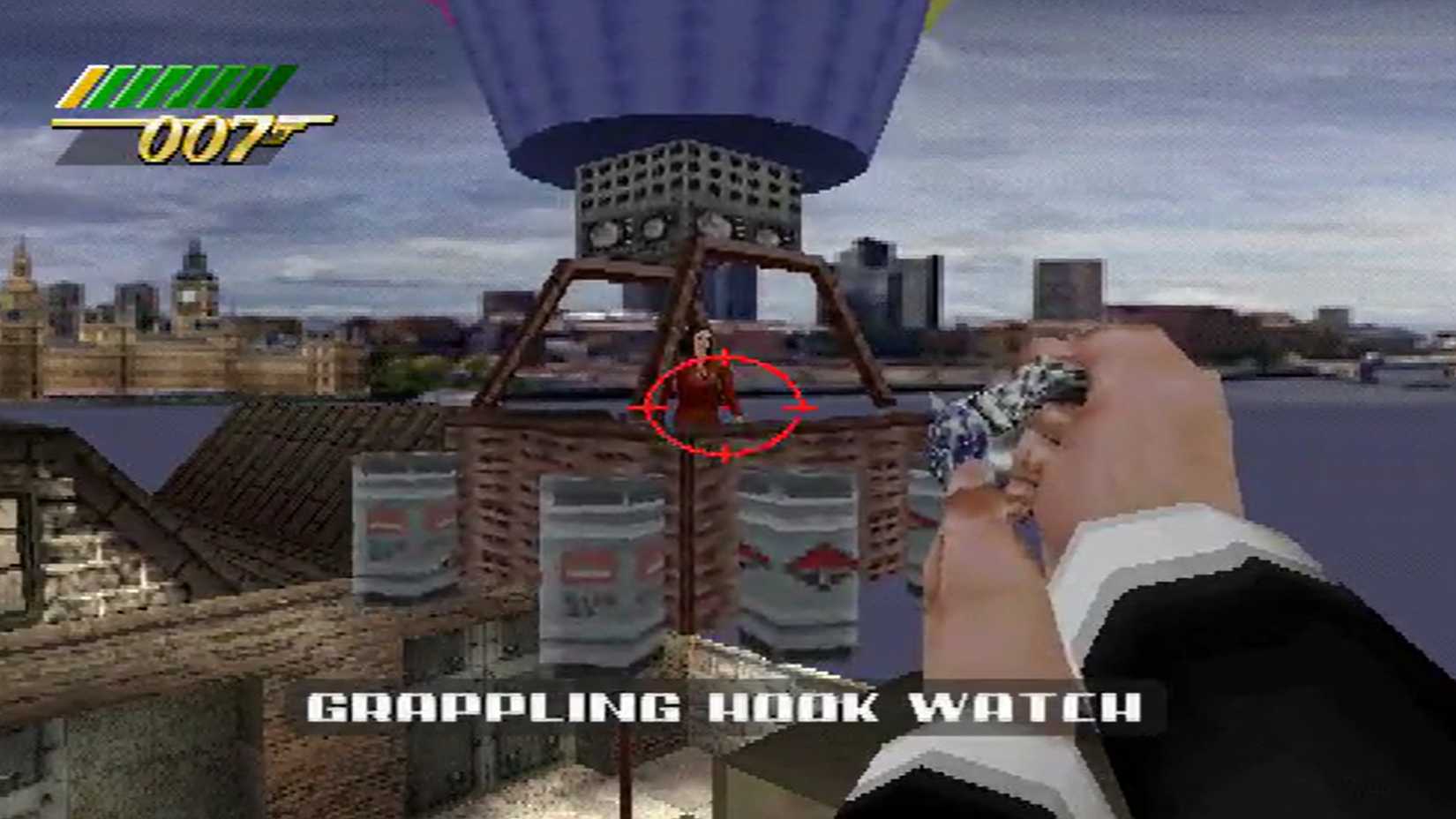
7. The World Is Not Enough (2000): An Overlooked Spectacle
Released during the awkward transition between the PlayStation 1 and the PlayStation 2, The World Is Not Enough often falls through the cracks of gaming history. Despite being developed by Black Ops Entertainment, it functioned as a spiritual successor to the design philosophies established by GoldenEye. It featured sharper visuals and a more refined gadget system that allowed players to feel like the secret agent himself. While it was overshadowed by the looming arrival of a new console generation, its compact runtime and tight, mission-based structure provided a quintessential "interactive movie" experience.
6. James Bond 007: From Russia with Love (2005): The Connery Return
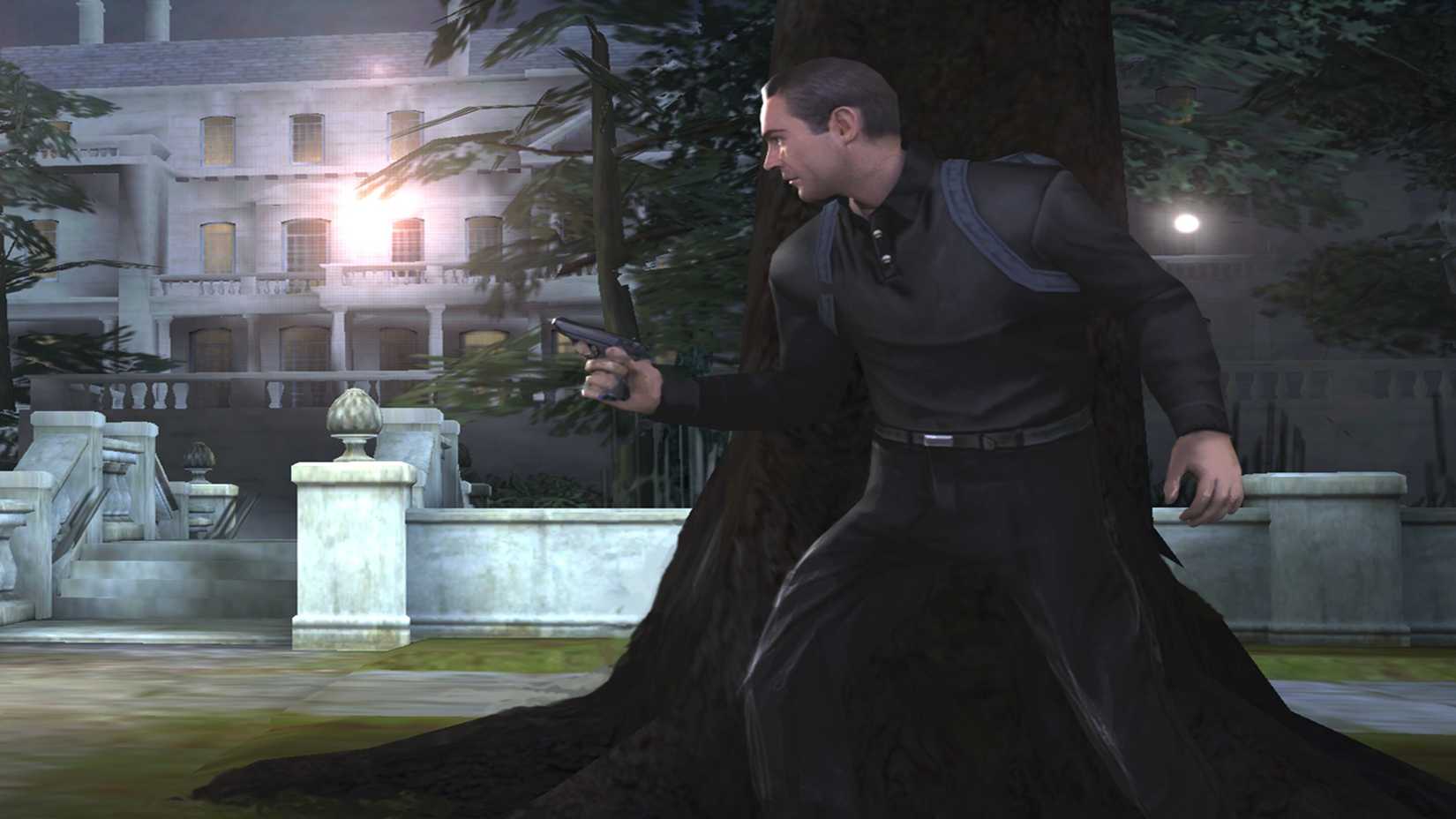
Perhaps one of the strangest, yet most rewarding, entries in the franchise was EA’s decision to adapt the 1963 classic From Russia with Love. Many fans were confused as to why a developer would look back over forty years for source material. However, the result was a triumph. The game featured the return of Sean Connery, lending his voice and likeness to the project in what would be his final performance as the character. By blending the classic aesthetic of the 60s with modern 2005 gameplay mechanics, the title stands as a unique bridge between eras.

5. James Bond 007: Blood Stone (2010): The Daniel Craig Era
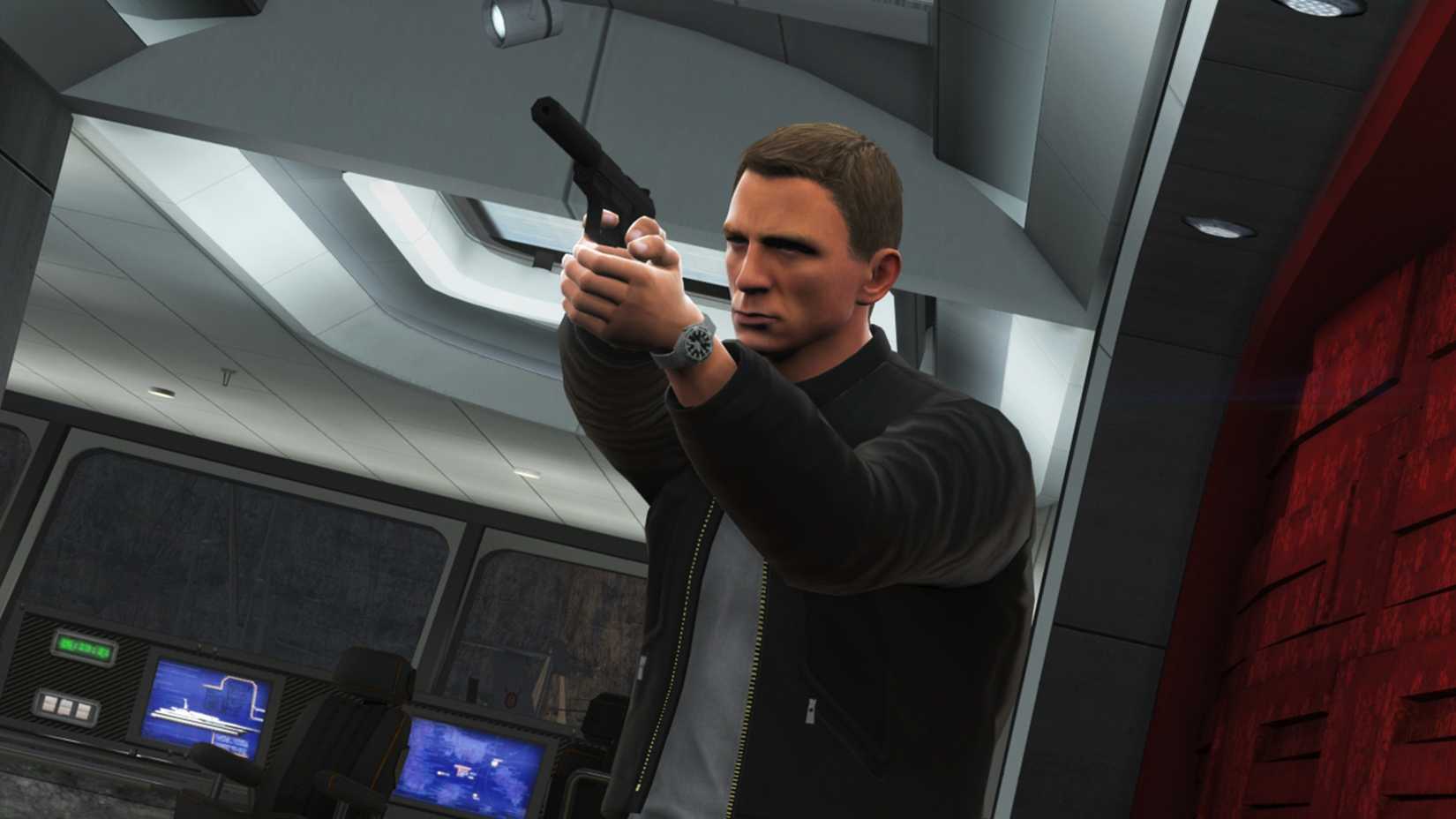
Daniel Craig’s tenure as Bond brought a raw, visceral intensity to the films that fans were desperate to see in games. Previous attempts, such as Quantum of Solace, failed to capture that specific energy. Blood Stone, developed by Bizarre Creations, finally delivered. It functioned as a no-frills, high-octane third-person action game that felt like a missing chapter from the Craig filmography. Though it arrived at a time when the market was saturated with third-person shooters, its high production values and slick combat made it a standout.
4. 007: Agent Under Fire (2001): A Surreal Success
Following their acquisition of the Bond license, Electronic Arts sought to establish their own vision of the franchise. Agent Under Fire was the result. It was a bold move, as the game featured an original story rather than a direct movie tie-in. While Pierce Brosnan’s likeness was absent, the game succeeded by focusing on the "Bond feel"—explosive set-pieces, iconic gadgets, and exotic locales. It proved that the Bond formula was strong enough to exist independently of the films.
3. James Bond 007: Nightfire (2002): A Certified Classic
If you were a gamer in the early 2000s, Nightfire was likely a staple in your collection. Utilizing the Need for Speed engine for its vehicle sections, the game offered a seamless transition between high-speed chases and intimate, tactical gunfights. It remains a high-water mark for the franchise, successfully capturing the "Bond flair" that had become synonymous with the character’s identity in the post-Brosnan era.
2. James Bond 007: Everything or Nothing (2004): The Movie Never Made
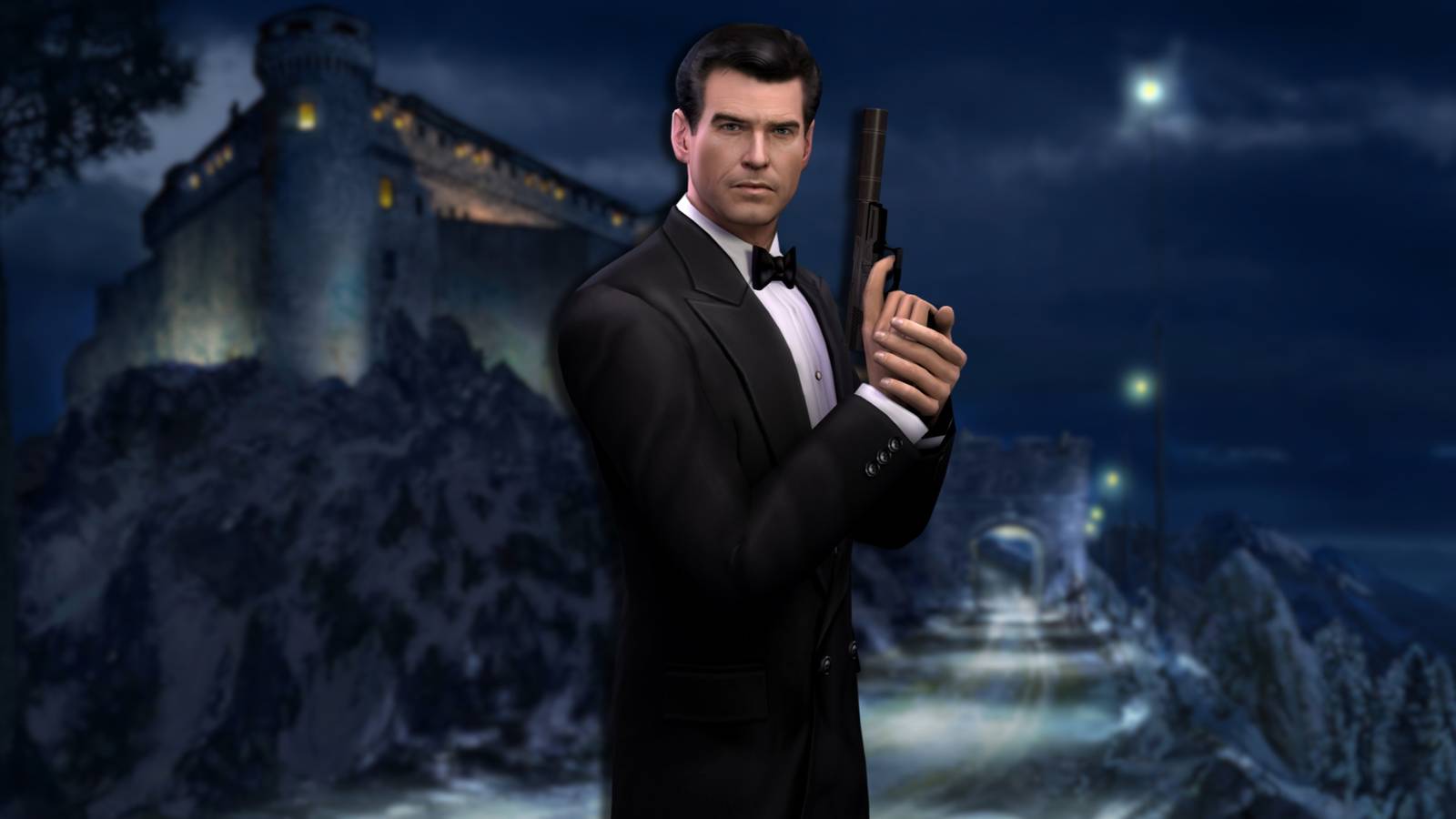
Everything or Nothing is widely regarded as the greatest Bond game ever made prior to the modern era. It was the first time Pierce Brosnan was fully involved, providing both his voice and motion capture. By shifting to a third-person perspective, EA was able to craft a cinematic experience that felt like a genuine blockbuster film. The inclusion of a title song by Mya and a star-studded cast made it a crowning achievement in interactive narrative design.
1. 007 First Light (2026): The New Vanguard
After a seven-year development cycle and a budget exceeding the production costs of several films, IO Interactive’s 007 First Light has reset the bar. Released in May 2026, the game introduces Patrick Gibson as a fresh, younger Bond. By fusing the methodical, deep-stealth mechanics of the Hitman series with the grand-scale bravado of the Bond franchise, IO Interactive has created something that is not just a great game, but a genre-defining event.
Supporting Data: The Cost of Excellence
The development of 007 First Light serves as a case study in modern industry economics. With a budget surpassing that of Casino Royale, the project reflects the massive financial risks involved in AAA licensed development.
- Development Time: 7 Years
- Genre: Action/Adventure/Stealth
- Platforms: PS5, Xbox Series X/S, Nintendo Switch 2, PC
- Critical Reception: Early reviews suggest an industry-wide consensus that IO Interactive has successfully filled the gap left by the hiatus in Bond film production.
Official Responses and Industry Implications
The success of 007 First Light has sent ripples through the industry. In a recent statement, representatives from IO Interactive noted that the primary goal was to "honor the legacy of the literary Bond while utilizing modern gameplay to push the boundaries of player agency."
Industry analysts suggest that the positive reception of the game will likely trigger a resurgence in high-budget licensed titles. The industry has seen a decline in movie-tie-in quality over the last decade, but the collaboration between established prestige developers like IO Interactive and massive IPs suggests that the "curse" of the licensed game may finally be broken.
Implications for the Future
The journey from GoldenEye 007 to 007 First Light represents the maturation of the Bond character in the gaming medium. We have moved from a time where players were content to simply "shoot the bad guys" to an era where they expect to inhabit the role of the world’s most dangerous spy, making choices that feel meaningful and navigating environments that react to their tactical decisions.
As we look toward the future, the question is no longer whether Bond can succeed in gaming, but how far the medium can push the narrative potential of the franchise. With a new generation of consoles and evolving AI-driven NPC behavior, the next decade of 007 gaming promises to be even more immersive than the last. The spy has officially returned to the field, and he is better equipped than ever before.


 Asro
Asro
 Nana Wu