

The vast expanse of the Star Trek universe has captivated audiences for over six decades, and its journey into the realm of video games began almost as early. From its nascent stages, Star Trek has been a pioneer, not just in storytelling and technological vision, but also in its early embrace of interactive entertainment. This enduring franchise has consistently aimed to immerse players directly into the heart of its interstellar adventures, striving to replicate the profound sense of exploration, discovery, and camaraderie that defines the Star Trek ethos. While many Star Trek games have offered diverse perspectives, the allure of experiencing the final frontier through a first-person lens has remained a particularly potent, albeit rare, proposition.
This article delves into the pinnacle of this immersive experience, exploring the most compelling first-person Star Trek games that have allowed players to truly step into the boots of a Starfleet officer, a formidable Klingon warrior, or a curious explorer. We will examine their unique contributions to the genre, their fidelity to the beloved franchise, and why they continue to resonate with fans and gamers alike.
The Enduring Appeal of First-Person Immersion in Star Trek
The core appeal of Star Trek lies in its exploration of humanity’s potential, its philosophical underpinnings, and its unwavering optimism in the face of the unknown. Translating this into a video game experience, particularly from a first-person perspective, offers an unparalleled opportunity for players to embody these ideals. The ability to look through the eyes of a character, to interact directly with the environment, and to feel the weight of command or the thrill of combat, creates a profound connection that third-person perspectives often struggle to achieve.
For Star Trek games, the primary objective has always been to foster a sense of genuine participation. Whether navigating the intricate duties of a starship bridge, engaging in tactical combat, or unraveling complex mysteries, the aim is to make players feel as if they are an integral part of the unfolding narrative. First-person Star Trek games, when executed with care and vision, excel at this, offering experiences that are not just played, but lived.
A Chronological Journey Through Star Trek’s First-Person Frontiers
The evolution of Star Trek video games mirrors the broader trajectory of the industry. From rudimentary arcade experiences to sophisticated simulations, the franchise has adapted and innovated. Here, we highlight some of the most significant first-person titles that have left an indelible mark on the gaming landscape.
7. Star Trek: Bridge Crew – A Fan’s Ultimate Virtual Reality Dream
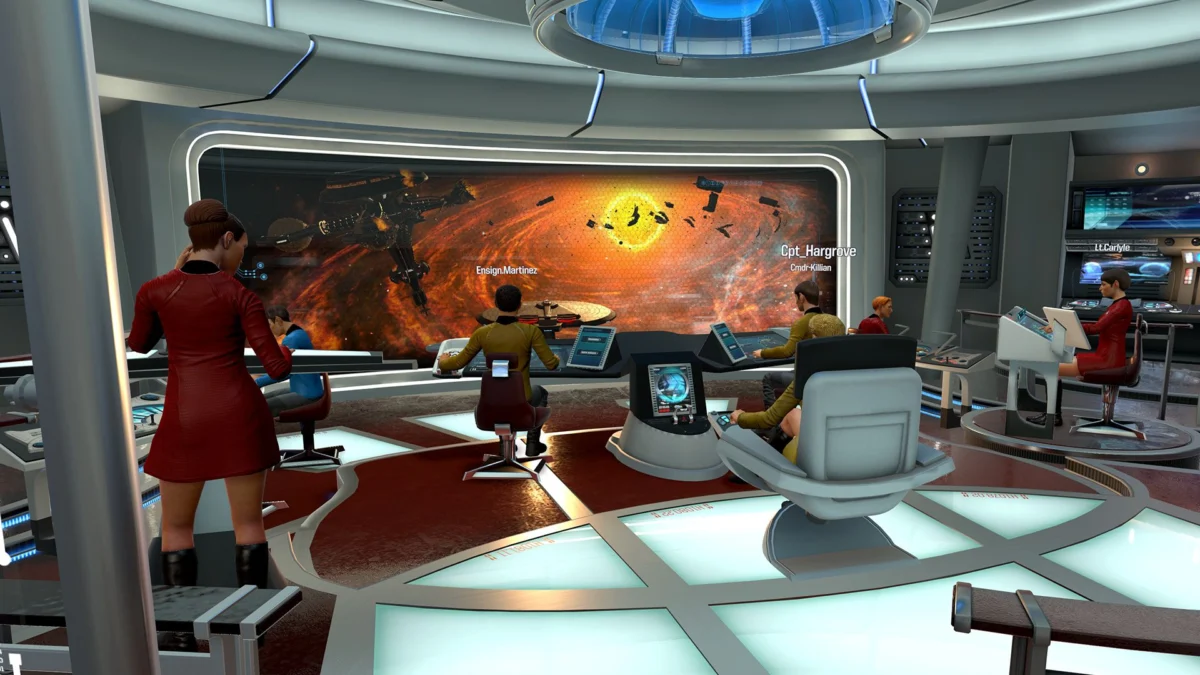
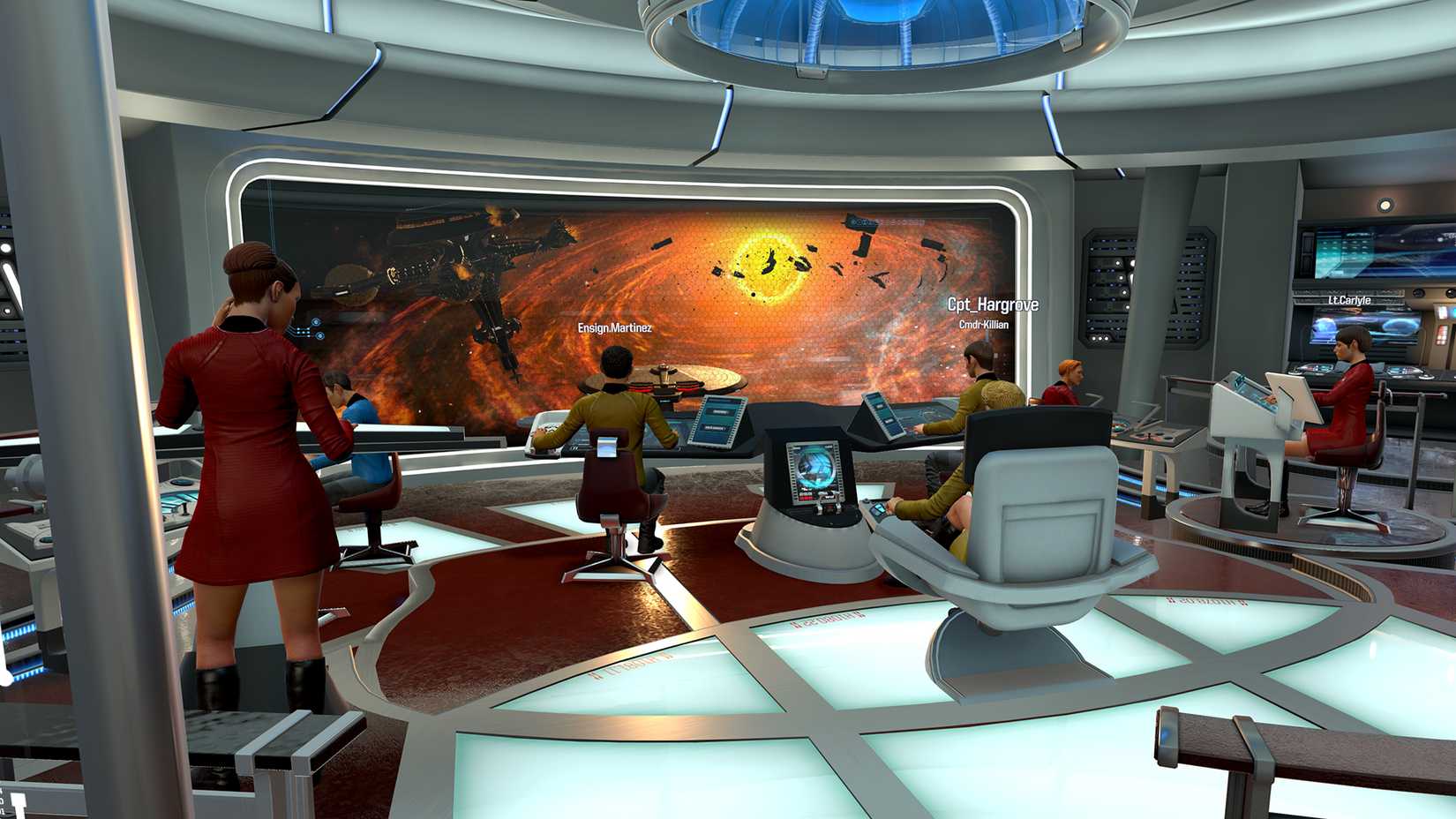
Released on May 30, 2017, Star Trek: Bridge Crew stands as a testament to the power of virtual reality in fulfilling long-held fan desires. Developed by Ubisoft, this VR-exclusive title places players directly onto the bridge of a starship, allowing them to embody key roles within a four-person crew: Captain, Tactical Officer, Engineer, or Pilot. The game cleverly leverages the immersive capabilities of VR to simulate the experience of commanding a starship, complete with critical decision-making and collaborative problem-solving.

A Star Trek Fan’s Dream Come True: The sheer immersion of Bridge Crew is its greatest strength. The ability to physically look around the bridge, interact with consoles, and communicate with your crewmates (both AI and human) creates an unparalleled sense of presence. Missions often involve responding to distress calls, exploring uncharted territories, or engaging in tactical encounters, all of which require effective teamwork and strategic coordination. The game’s fidelity to the visual and auditory aesthetics of the Star Trek universe, particularly drawing inspiration from the J.J. Abrams reboot films, further enhances the feeling of being part of a genuine Starfleet mission.
While its initial launch was tied to the reboot film continuity, the underlying mechanics and the core experience of commanding a starship are universally appealing to Star Trek fans. The potential for this title, especially with advancements in VR technology and the ongoing evolution of the Star Trek canon, remains immense. Bridge Crew is more than just a game; it’s a virtual embodiment of the Star Trek fantasy, offering a deeply engaging and memorable experience for anyone who has ever dreamed of donning a Starfleet uniform.
6. Star Trek: The Next Generation – Klingon Honor Guard: A Fierce Warrior’s Stand
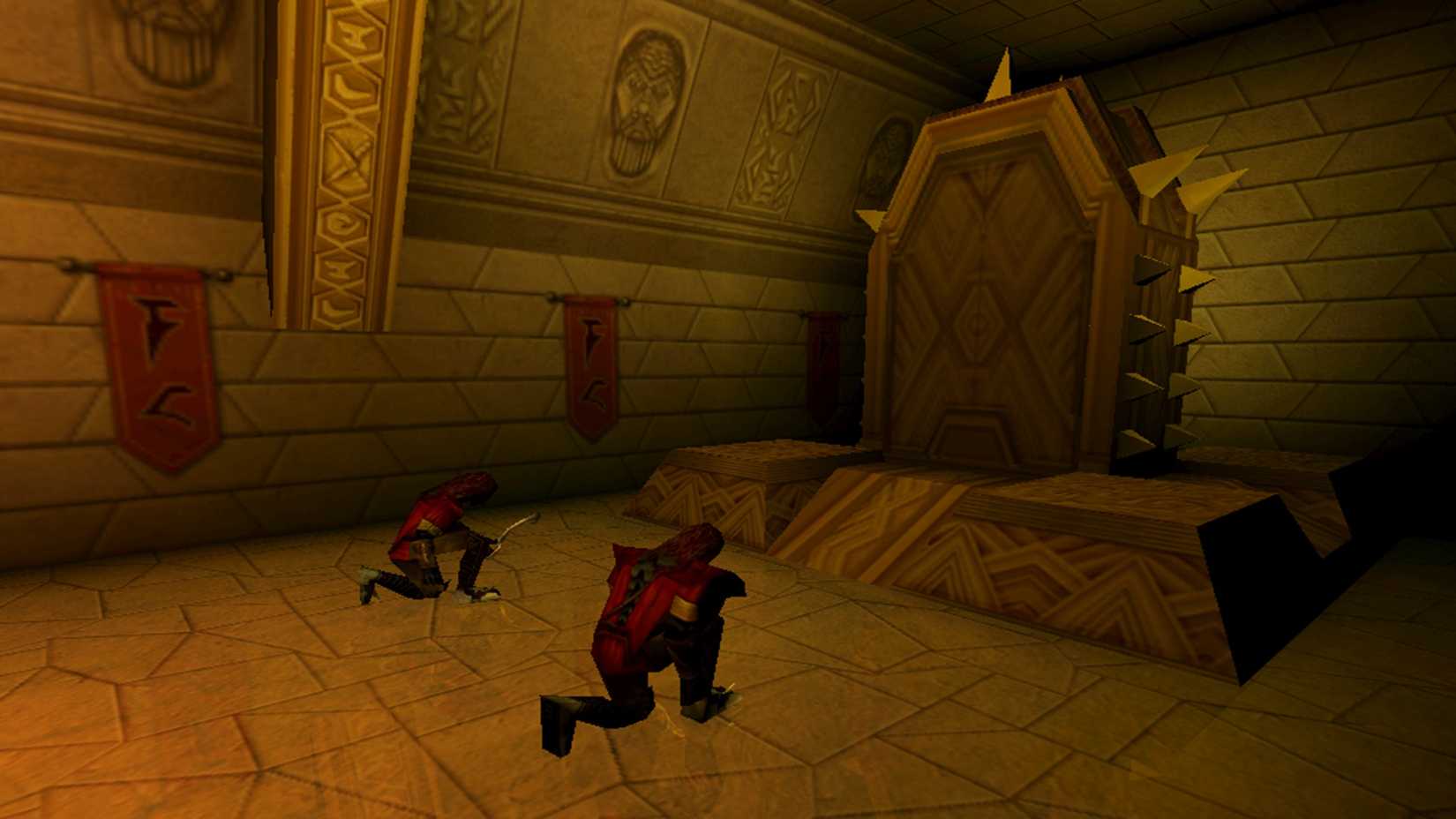
Launched on October 9, 1998, Star Trek: The Next Generation – Klingon Honor Guard offered a radical departure from the typical Starfleet-centric narratives, thrusting players into the role of a Klingon warrior. Developed for PC, this first-person shooter (FPS) capitalized on the Klingons’ warrior culture, providing a visceral and action-packed experience that explored a less-often-seen facet of the Star Trek universe.
This Game Has Honor: The premise of a Klingon-focused FPS was inherently appealing. Their warrior ethos, their complex code of honor, and their formidable combat prowess made them ideal candidates for a fast-paced shooter. Klingon Honor Guard delivered on this promise with satisfying combat mechanics and a compelling narrative that delved into the political and martial intricacies of Klingon society. The game’s developers, Redstorm Entertainment, managed to capture the brutal elegance of Klingon combat, allowing players to wield iconic weaponry and engage in intense firefights.
Despite its quality, Klingon Honor Guard unfortunately found itself overshadowed by the monumental release of Half-Life in the same year, a period that was exceptionally rich for the FPS genre. Nevertheless, the game stands as a remarkable achievement, proving that Star Trek could successfully translate into diverse gameplay styles. Its exploration of the Klingon perspective offered a unique and often overlooked dimension to the franchise’s video game legacy, and it remains a fondly remembered title for its solid gameplay and its daring thematic exploration.
5. Star Trek: Deep Space Nine – Harbinger: A Strategic Mind in a Mysterious Galaxy
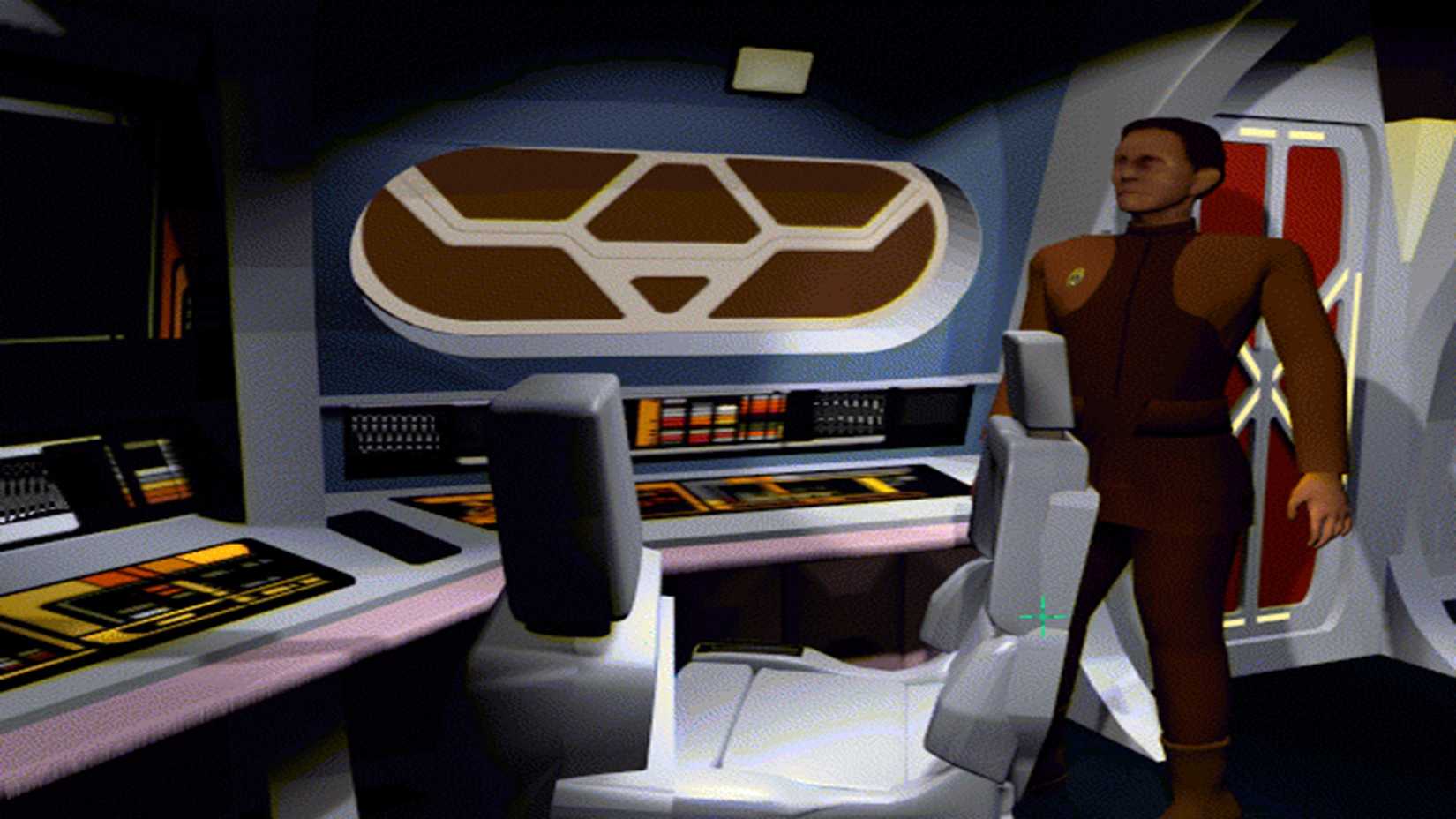
Released in 1995 for MS-DOS and PC, Star Trek: Deep Space Nine – Harbinger stands out as a unique entry in the Star Trek gaming pantheon. Developed by Viacom New Media, this title embraced the point-and-click adventure genre, offering a more cerebral and narrative-driven experience that mirrored the complex storytelling of its television inspiration.
To Boldly Point and Click: Deep Space Nine: Harbinger is a prime example of how Star Trek games can excel by focusing on narrative and character. Set during the show’s third season, the game places players in the first-person perspective as they navigate the intricacies of the titular space station. The game’s strength lies in its meticulous attention to detail, faithfully recreating the atmosphere and characters of Deep Space Nine. The inclusion of authentic music from the show and voice acting from the series’ cast further deepened the immersion, making it feel like a lost episode.
As a point-and-click adventure, Harbinger challenges players with puzzles, dialogue choices, and investigative gameplay. This approach allows for a more intimate connection with the Star Trek universe, emphasizing exploration and deduction over direct combat. The game’s success in capturing the essence of Deep Space Nine – a series known for its complex characters and exploration of moral ambiguity – solidified its place as a standout title for fans who appreciate the franchise’s more thoughtful and philosophical aspects.
4. Star Trek: Bridge Commander: Commanding the Frontier of Exploration
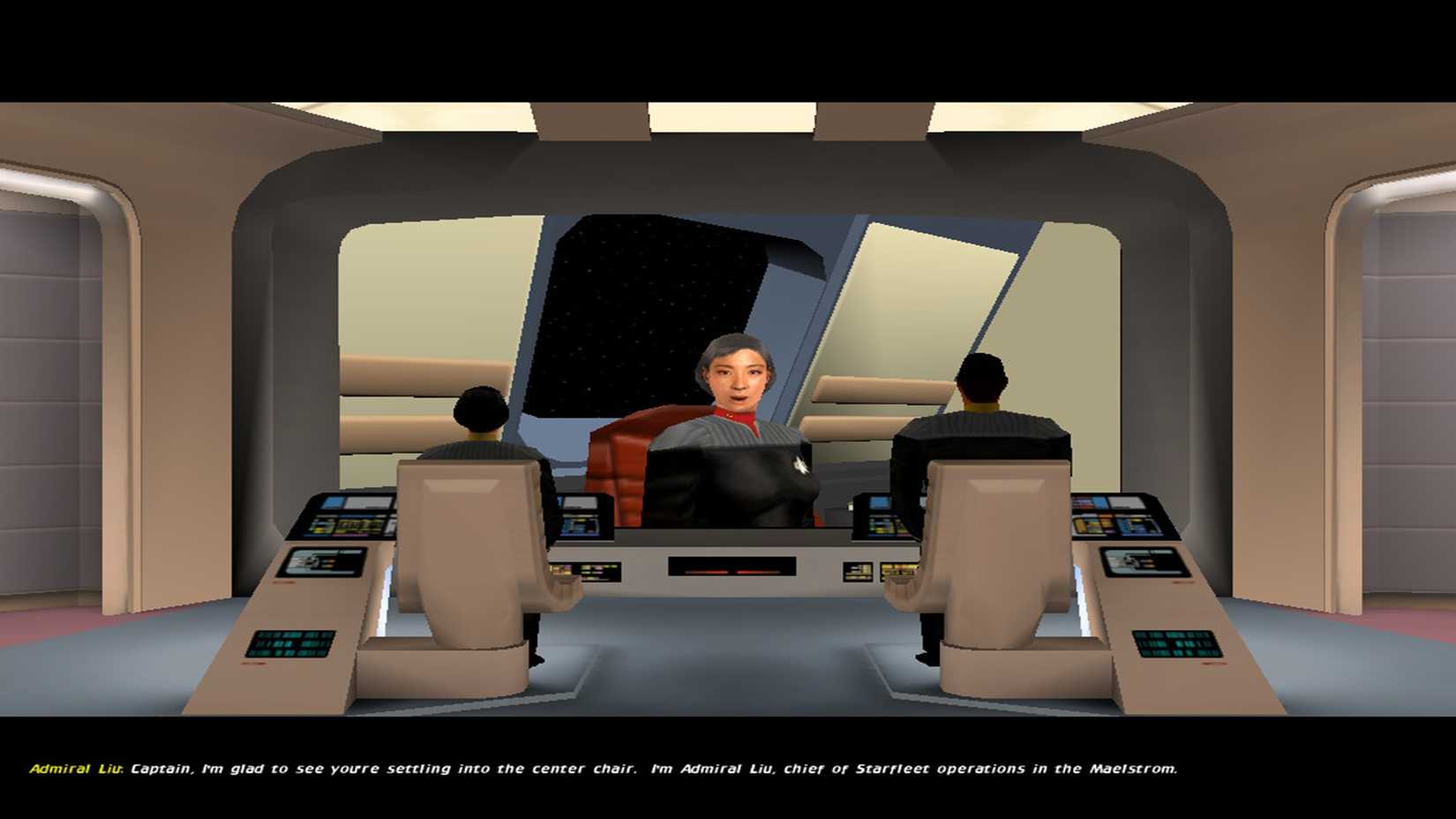
Released on February 28, 2002, for PC, Star Trek: Bridge Commander offered players the chance to step into the captain’s chair and command their own starship. Developed by Totally Games, this title was lauded for its immersive bridge simulation and its compelling narrative, which seamlessly integrated with the established Star Trek lore.
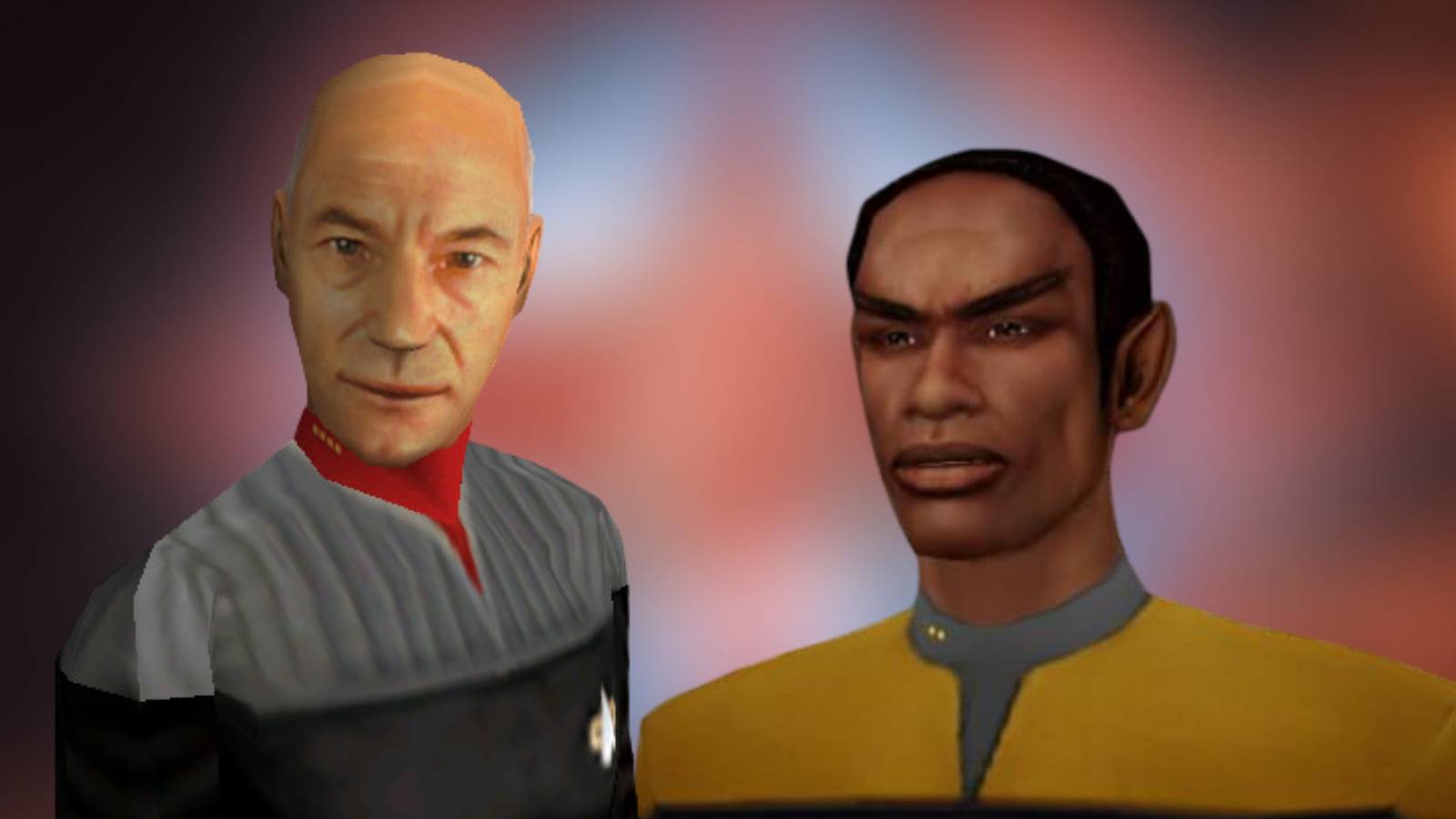
Immerse Yourself in the World of Star Trek: The game’s narrative strength was significantly boosted by the involvement of Patrick Stewart, who reprised his iconic role as Captain Jean-Luc Picard. Picard’s presence, not just as a voice actor but as a character who personally hands over command of a new starship to the player, imbues the experience with a profound sense of legacy and responsibility. Bridge Commander masterfully captures the essence of Star Trek’s adventurous spirit, placing players at the forefront of galactic exploration and diplomatic challenges.
The game’s episodic structure further enhanced the feeling of being part of a television series. Each mission felt like a self-contained episode, allowing for focused storytelling and varied objectives. The ability to issue orders to the crew, manage ship systems, and engage in strategic space combat created a dynamic and engaging gameplay loop. Bridge Commander succeeded in translating the awe and responsibility of leading a starship into an interactive format, making it a cherished title for those who yearned for a direct command experience.
3. Star Trek Generations: A Fusion of Genres in the Final Frontier
Released on May 21, 1997, for PC, Star Trek Generations was a video game tie-in to the film of the same name. Developed by Interplay Productions, this title offered a unique and ambitious blend of genres, combining first-person shooting, adventure game elements, and space combat simulation.
Make it So: The game ambitiously sought to bridge the gap between the legacy of Captain Kirk and the new era led by Captain Picard. Players initially control Picard and Data as they investigate the machinations of the villainous Soran, engaging in first-person exploration and puzzle-solving. This narrative-driven segment of the game perfectly captured the investigative and diplomatic nature often found in Star Trek.
The true innovation, however, lay in its seamless transition to space combat. Players would then pilot iconic Starfleet vessels, engaging in thrilling dogfights and strategic fleet battles. This genre fusion was a bold move, and Star Trek Generations executed it with remarkable success. The real-time inventory system and the fluid interaction with NPCs in the adventure segments contributed to a polished and engaging experience, making it a standout title that offered a comprehensive Star Trek experience.
2. Star Trek Voyager: Elite Force II – A Polished Sequel’s Galactic Scope
Launched on June 20, 2003, for PC, Star Trek Voyager: Elite Force II built upon the success of its predecessor, offering an expanded narrative and refined gameplay. Developed by Vicarious Visions, this sequel demonstrated the franchise’s continued commitment to the FPS genre.
A Stellar Sequel: While Elite Force II may not have surpassed the original in sheer groundbreaking innovation, it delivered a thoroughly enjoyable and action-packed experience. The game’s pace was relentless, mirroring the high-octane thrills of Star Trek’s cinematic outings. The single-player campaign, set after the events of Star Trek: Nemesis, broadened the scope beyond the confines of the USS Voyager, allowing for a more diverse range of missions and enemy encounters.
The game’s strength lay in its ability to maintain a sense of Star Trek’s core themes while delivering exhilarating shooter mechanics. The developers successfully balanced narrative depth with satisfying combat, creating a campaign that felt both familiar to fans and accessible to newcomers. The ambition to expand the universe beyond the Voyager’s immediate surroundings was a wise one, hinting at the potential for a more expansive and ongoing FPS franchise within the Star Trek universe.
1. Star Trek: Voyager – Elite Force: The Benchmark for First-Person Star Trek
Released on September 20, 2000, for PC and PlayStation 2, Star Trek: Voyager – Elite Force is widely regarded as a landmark title in the Star Trek gaming canon and a benchmark for first-person shooters of its era. Developed by Raven Software, this game masterfully blended compelling narrative, engaging gameplay, and authentic Star Trek flavor.
Resistance is Futile: Elite Force emerged from the thematic underpinnings of its television counterpart, Star Trek: Voyager, which explored themes of isolation, resilience, and the human spirit in the face of adversity. The game’s narrative places players in the role of a newly recruited Starfleet security officer aboard the Voyager, tasked with confronting various alien threats, including the formidable Borg.
The game’s success is multifaceted. Firstly, it delivered exceptional FPS gameplay, with tight controls, satisfying weapon feedback, and intelligent enemy AI. The weapons themselves felt powerful and distinct, from the iconic phaser to the more experimental energy weapons. Secondly, the narrative was expertly crafted, drawing heavily from the established lore and characters of Voyager, while also introducing new elements that felt organic to the universe. The voice acting was top-notch, and the overall presentation was a testament to the developers’ deep understanding and respect for the Star Trek franchise.
Furthermore, Elite Force succeeded in making players feel like genuine members of the Starfleet crew. The camaraderie with other characters, the tactical decision-making required in missions, and the overall sense of purpose resonated deeply with fans. Its impact was so profound that it established a new standard for Star Trek games, proving that the franchise could be translated into a critically acclaimed and commercially successful first-person shooter. Even today, Elite Force is lauded for its polished gameplay, immersive atmosphere, and its ability to capture the true spirit of Star Trek, making it an enduring masterpiece and a must-play for any fan.
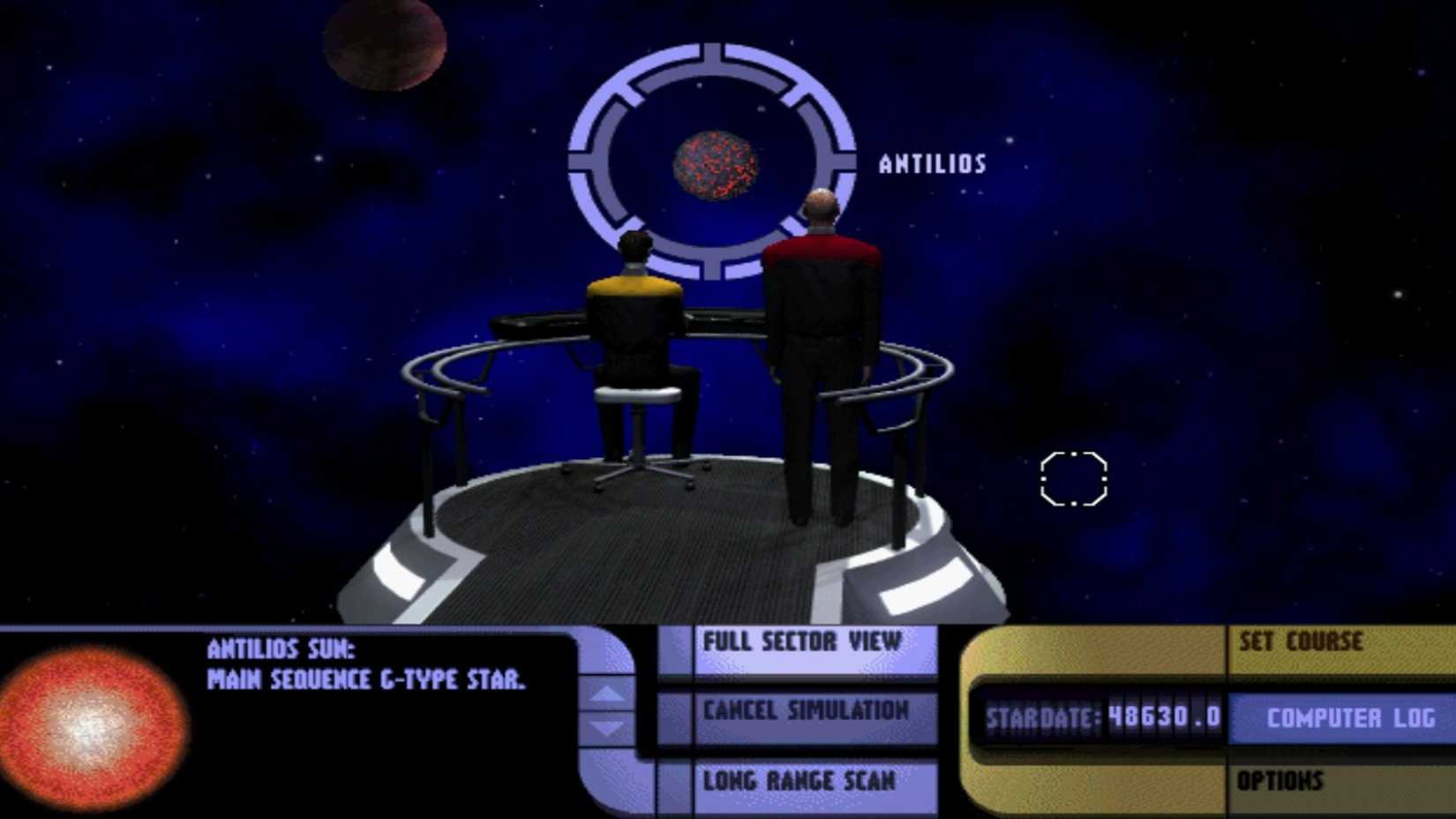
Supporting Data and Developer Insights
The success of these titles often hinged on the developers’ commitment to authenticity. Raven Software, for instance, utilized the renowned id Tech 3 engine for Elite Force, a testament to their pursuit of cutting-edge graphics and gameplay for the time. Similarly, Ubisoft’s approach with Bridge Crew showcased a deep understanding of how VR could be used to foster genuine social interaction and role-playing, key tenets of the Star Trek experience. The use of original cast members, as seen with Patrick Stewart in Bridge Commander, further bolstered the games’ credibility and appeal, providing a direct link to the beloved television shows and films.
Implications for the Future of Star Trek Gaming
The legacy of these first-person Star Trek games offers a clear roadmap for future endeavors. The persistent desire among fans for immersive, narrative-rich experiences, particularly within the FPS and VR genres, remains strong. As technology continues to advance, there is immense potential for new Star Trek titles to push the boundaries of player agency and interactive storytelling. The success of Bridge Crew underscores the viability of VR, while the enduring popularity of games like Elite Force highlights the continued demand for well-crafted single-player FPS campaigns. The Star Trek universe, with its vast lore, diverse species, and philosophical depth, provides fertile ground for developers to create truly groundbreaking interactive experiences that honor the franchise’s legacy while forging new frontiers in gaming.












No comments yet. Be the first to join the conversation!