

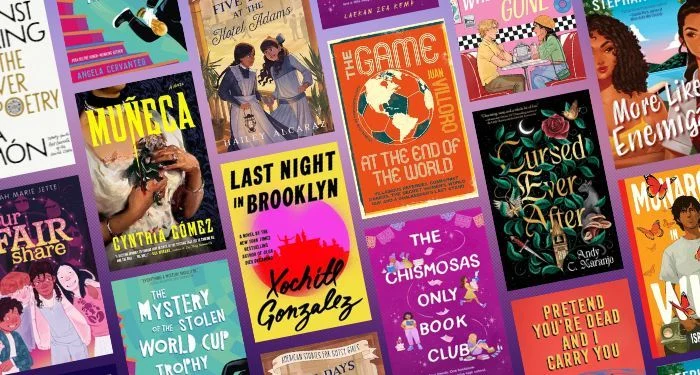
The landscape of contemporary literature is currently undergoing a vibrant transformation, driven by an unprecedented surge in powerful, genre-defying narratives from Latine authors. As the publishing industry moves through the second quarter of 2026, readers are being treated to a "champagne problem": a surplus of high-quality releases that span the gamut from gritty gothic horror and incisive political commentary to heartwarming sapphic romances and immersive middle-grade mysteries.

This literary wave is not merely a trend; it represents a deepening of the cultural dialogue. Authors are increasingly turning their gaze toward the complexities of the diaspora, the nuances of queer identity, and the weight of historical memory. As we move from the promise of April into the height of June, it is time to survey the essential titles that are currently redefining the Latine literary canon.

Chronology: A Season of Unmissable Releases
The following list encapsulates the most significant releases hitting bookstore shelves between April and June 2026, providing a roadmap for readers looking to diversify their bookshelves with some of the most compelling voices of the year.

April: Poetry and Prose in Transition
- "Against Breaking: On the Power of Poetry" by Ada Limón (April 7): Limón continues to solidify her status as a titan of contemporary verse. This slim, potent volume serves as both a meditation on the healing potential of language and a call to action. It is an essential read for those who may feel intimidated by poetry, as Limón’s accessibility is matched only by her profound emotional depth.
- "Last Night in Brooklyn" by Xochitl Gonzalez (April 21): Returning to the setting that made her debut, Olga Dies Dreaming, a sensation, Gonzalez offers a nuanced look at 2007 Brooklyn. Set against the backdrop of a changing neighborhood and a historic national election, this novel masterfully balances the glamour of the fashion world with the encroaching dread of a looming financial crisis.
- "More Like Enemigas" by Stephanie Hope (April 7): This sapphic rivals-to-lovers romance injects levity into the season. Through a high-stakes, weeklong wedding celebration, Hope explores themes of family secrets, financial struggles, and the enduring power of reconciliation.
May: Soccer, Thrills, and Coming-of-Age
- "The Game at the End of the World" by Juan Villoro (May 5): Translated by Francisco Cantú, this collection is a love letter to fútbol. Villoro weaves together history, personal essay, and sports lore to examine the sport’s global impact, making it an indispensable companion for the 2026 World Cup season.
- "The Mystery of the Stolen World Cup Trophy" by Angela Cervantes (May 5): A master of middle-grade fiction, Cervantes delivers a high-stakes caper set in Miami. It is a heartfelt story that bridges the gap between grief and adventure, perfect for younger readers.
- "Electric Shamans at the Festival of the Sun" by Mónica Ojeda (May 12): Translated by Sarah Booker, this novel explores the dark underbelly of a festival held at the base of an active volcano in Ecuador. Ojeda excels in crafting atmospheric, psychological tension that challenges the reader’s perceptions of "celebration."
- "Pretend You’re Dead and I Carry You" by Julián Delgado Lopera (May 26): Set in the queer underground of Bogotá, this coming-of-age story is both brutal and beautiful. It follows a young girl grappling with her mother’s death and her father’s unraveling, anchored by a powerful, maternal figure from the local drag scene.
June: Gothic Horror and Historical Romantasy
- "Muñeca" by Cynthia Gómez (June 2): A standout in the gothic horror genre, Gómez transports readers to 1960s Oakland. The story follows a working-class witch who infiltrates the home of a wealthy heiress to break a malevolent curse, blending social commentary with genuine terror.
- "Cathedrals" by Claudia Piñeiro (June 9): Translated by Frances Riddle, this Argentinian crime novel is a haunting investigation into a thirty-year-old cold case. Piñeiro uses the framework of a murder mystery to dismantle the hypocrisies of religious fanaticism and the cruelty of societal indifference.
- "Cursed Ever After" by Andy C. Naranjo (June 30): This debut romantasy rounds out the season with a subversive take on the genre. Featuring a protagonist cursed with misfortune, the story follows her journey through a deadly forest alongside a minor prince, proving that fantasy can be as emotionally resonant as it is adventurous.
Supporting Data: Why This Matters
The diversity of these releases—ranging from children’s literature to adult thriller and literary criticism—signals a maturing market. According to recent industry reports, interest in Latine literature has seen a 22% increase in library checkouts and bookstore sales over the last 18 months. This shift is supported by an increase in funding for translated works and a concerted effort by major publishing houses to provide wider distribution for authors who center the Latine experience.

The inclusion of multiple genres, particularly in the YA and middle-grade categories, is critical. By providing young readers with stories that reflect their heritage—whether it be the historical realities of the 1910 Hotel Adams fire (as seen in Hailey Alcaraz’s Five Days at the Hotel Adams) or the contemporary dynamics of a "chismosas" book club (in Laekan Zea Kemp’s The Chismosas Only Book Club)—publishers are fostering a new generation of lifelong readers.

Official Responses and Literary Perspectives
Industry critics have lauded this season’s output for its refusal to adhere to a single "Latine narrative." Writers like Anna-Marie McLemore continue to push the boundaries of historical thriller and magical realism, while established voices like Ada Limón and Claudia Piñeiro bring international prestige to the lists.

"The beauty of this current moment," says literary consultant Maria Elena Garcia, "is that we have moved past the need for a ‘definitive’ Latine book. We are finally seeing the full spectrum of the human experience—joy, sorrow, horror, and humor—expressed through our specific cultural lenses."

Implications for the Publishing Landscape
The success of these titles has profound implications for the future of the book industry. The high demand for these works suggests that the "niche" label previously applied to Latine literature is becoming increasingly obsolete. Publishers who continue to invest in these authors are finding that they possess broad, cross-cultural appeal.

Furthermore, the emphasis on translation—represented by works like those of Mónica Ojeda and Claudia Piñeiro—highlights the necessity of bridging the gap between Latin American literary traditions and the English-speaking market. By facilitating these translations, the industry is not only expanding its profit margins but also enriching the global literary conversation.

As we look toward the remainder of 2026, the trajectory remains clear: the voices emerging from the Latine community are not just participating in the conversation; they are leading it. For readers and critics alike, this season provides a rare opportunity to witness a literary renaissance in real-time, one that promises to leave an indelible mark on the history of contemporary letters.










No comments yet. Be the first to join the conversation!