

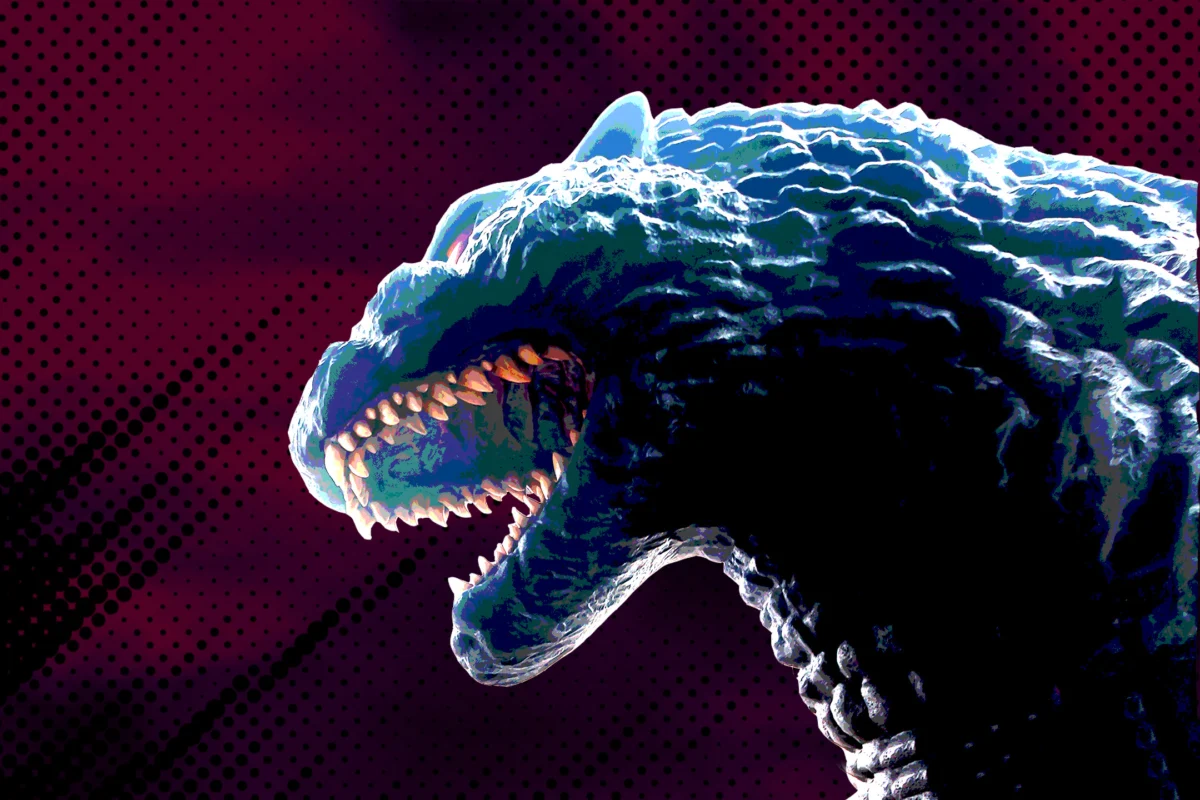
For seven decades, Godzilla has stood as the undisputed titan of cinema, a towering manifestation of nature’s fury and humanity’s greatest anxieties. While the franchise has evolved to encompass campy spectacle, heroic battles, and high-octane action, its origins are firmly rooted in the visceral, suffocating dread of the post-atomic age. As the film landscape shifts toward a renewed appreciation for atmospheric tension, IDW Publishing is set to remind audiences of this heritage with the upcoming release of The Horror of Godzilla.
The Genesis of Terror: IDW’s New Vision
Slated for release this summer, The Horror of Godzilla is more than a mere retelling of the iconic 1954 original. Written by Ethan S. Parker and Griffin Sheridan, with hauntingly detailed interior art by Tristan Jones, the comic aims to strip away the "superhero" tropes that have often defined the character in recent years. Instead, it leans into the claustrophobic, existential terror of Ishirō Honda’s foundational masterpiece.
The creative team has signaled an intent to highlight the elements that made the original film so deeply unsettling: the excruciatingly slow build-up to Godzilla’s reveal, the lingering, haunting imagery of radiation victims, and the pervasive sense of human helplessness. Early previews of the work reveal a focus on the intimate tragedies of the catastrophe. One particularly striking sequence depicts a mother clutching her two children as the monster advances, whispering, "We’ll be with your father soon." It is this focus on the human cost of the kaiju’s existence that separates the project from traditional action-oriented monster comics.
Chronology: A History of Nightmare
While the public consciousness often associates Godzilla with neon-soaked brawls, a deep dive into the franchise’s history reveals a consistent, rhythmic pulse of horror that has always lurked beneath the surface.
1. Godzilla vs. Hedorah (1971): The Advent of Body Horror
In the early 70s, the franchise took a turn into the psychedelic and the grotesque. Godzilla vs. Hedorah is often remembered for the bizarre sequence where the monster "flies," but it is arguably the most significant entry for its exploration of biological nightmare. The antagonist, a sentient smog monster, is a repulsive, shifting mass of sludge. In the climactic battle, Hedorah inflicts permanent, horrifying damage on Godzilla, melting his left eye into a sickly, jaundiced crater and exposing the skeletal structure of his hand. Because this film operates within a self-contained logic, the audience is forced to witness a wounded, disfigured god, stripped of his invulnerability and left to endure a permanent, agonizing disability.
2. Godzilla vs. Biollante (1989): The Tragedy of Science
True horror is rarely just about monsters; it is about the human intent behind them. Godzilla vs. Biollante serves as a grim meditation on the ethics of science and the denial of grief. The film introduces an artificial kaiju—a fusion of Godzilla’s cells, a rose, and the human soul of a deceased child. The monster is not a natural disaster, but a weaponized manifestation of a father’s inability to let go. The terror here is emotional; when Godzilla finally destroys Biollante, it is not a victory for mankind, but a tragic, final death for the young girl whose spirit was trapped within the beast.
3. Godzilla vs. Destoroyah (1995): Nuclear Meltdown
Intended as the final film of the Heisei era, Godzilla vs. Destoroyah returned to the franchise’s nuclear-horror roots with unflinching brutality. As Godzilla’s heart begins to reach critical mass, the audience is treated to a slow, agonizing display of nuclear body horror. We witness the King of the Monsters literally tearing himself apart from the inside. Simultaneously, the parasitic Destoroyah—a colony of mutated Precambrian organisms—reintroduces the "slasher" element to the franchise, hunting and dragging terrified civilians into the dark, leaving the grisly outcomes to the viewer’s imagination.
4. GMK: Giant Monsters All-Out Attack (2001): The Malice of the Past
In Godzilla, Mothra and King Ghidorah, the franchise subverted the "indifferent force of nature" trope. This version of Godzilla is undeniably evil—a vengeful, supernatural conduit for the spirits of those who perished in World War II. With milky-white, sightless eyes and a predatory, malicious intelligence, this Godzilla does not merely destroy property; he targets humanity with surgical, cruel intent. The destruction of a hospital in the film is presented not as an accidental byproduct of a monster fight, but as a deliberate act of spite, marking a high-water mark for the creature’s portrayal as a supernatural boogeyman.
5. Shin Godzilla (2016): Evolution as Nightmare
Hideaki Anno’s Shin Godzilla redefined the kaiju for the modern era. By utilizing CGI to create a constantly shifting, rapidly evolving biological horror, the film tapped into the dread of the unknown. The creature’s early, amphibian forms were famously unsettling, looking like raw, incomplete flesh struggling to adapt to an atmosphere it wasn’t built for. The final, haunting shot of the film—humanoid, skeletal figures emerging from the creature’s tail—suggests that Godzilla was on the verge of creating a new, hive-minded species of humans, a concept that serves as a chilling commentary on humanity’s own obsolescence.
Supporting Data: The Appeal of the Macabre
The shift back toward horror is a calculated response to the modern cinematic climate. Industry analysis suggests that audiences are increasingly seeking "elevated horror"—films that prioritize atmospheric dread and thematic weight over mindless action. By re-centering the Godzilla franchise on its roots, IDW is tapping into a market segment that has been underserved by the recent "MonsterVerse" blockbusters, which, while visually impressive, often lack the psychological weight of the 1954 original.
Statistically, the most enduring iterations of Godzilla are those that link the monster directly to the cultural anxieties of their time. The 1954 film was a direct response to the horrors of the atomic bomb. By returning to this focus on the human experience in the face of insurmountable, unnatural threats, The Horror of Godzilla aligns itself with the most critically acclaimed and enduring entries in the franchise’s history.
Official Responses and Creative Direction
The team at IDW has been vocal about their mission statement. In recent press releases, the editors noted that the goal of this project is to "restore the sense of smallness" that audiences should feel when confronting the monster. Tristan Jones, the artist for the upcoming comic, emphasized that the art style is intended to be "claustrophobic and dense," focusing on the textures of skin, radiation burns, and the crushing weight of concrete.
"We aren’t drawing a superhero comic," Jones stated. "We are drawing a disaster story where the disaster happens to have a pulse, a tail, and an atomic heart." This sentiment has been met with significant enthusiasm from the long-term fanbase, who have often expressed a desire for a return to the grittier, more grounded, and genuinely frightening depictions of the character.
Implications for the Future
The implications of this shift are profound. If The Horror of Godzilla succeeds, it could pave the way for a resurgence of "horror-kaiju" media across multiple platforms. We may see a departure from the "Godzilla as a hero" narrative that has dominated for decades, returning the character to his rightful place as an icon of fear.
Furthermore, this pivot provides a roadmap for how legacy franchises can reinvent themselves without losing their identity. By stripping away the bloat of years of increasingly complex lore and returning to the core terror of the source material, the franchise demonstrates that even a 70-year-old monster can remain relevant—and terrifying.
As summer approaches, the message from IDW is clear: Godzilla is not here to save us, and he is not here to be our friend. He is the personification of our own darkest fears, and in the silence of the city streets, he is coming for us all. Whether through the pages of a comic or the flicker of a movie screen, the King of the Monsters is ready to reclaim his throne as the master of our nightmares.












No comments yet. Be the first to join the conversation!