

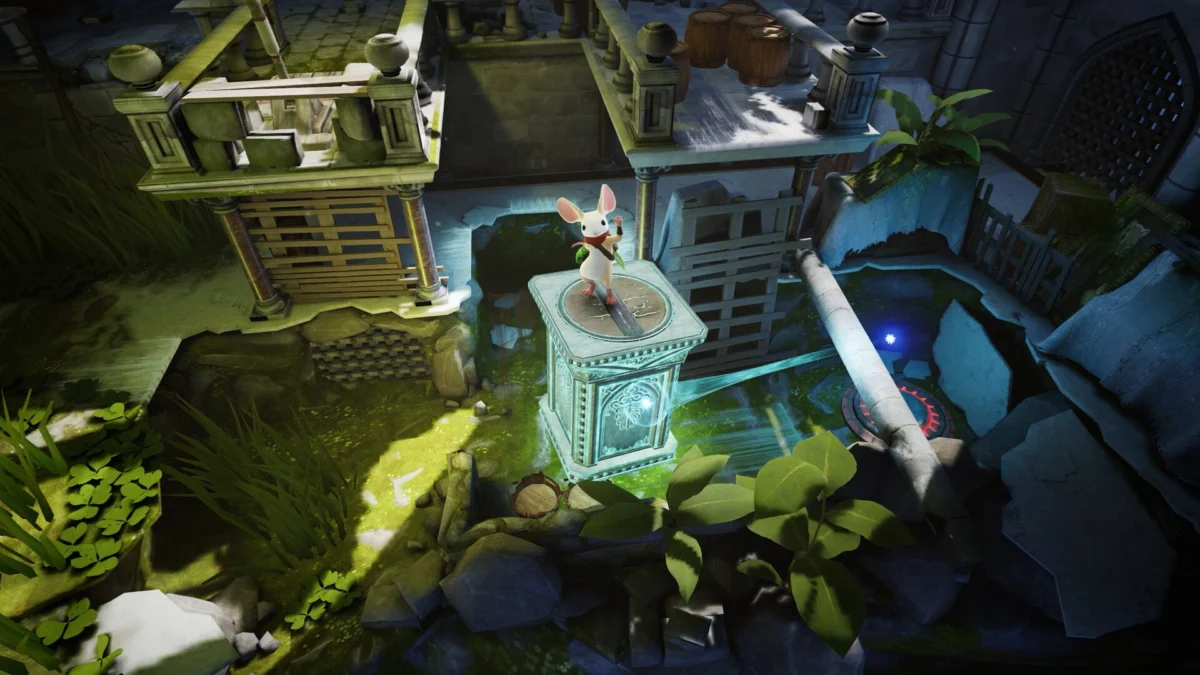
For years, the Moss series has occupied a hallowed space in the virtual reality landscape. Developed by Polyarc, the saga of Quill—a diminutive mouse with the heart of a hero—served as a definitive showcase for what VR could achieve. It wasn’t just about the novelty of looking around a dioramasque world; it was about the tactile, intimate connection between the player, acting as a giant "Reader," and the protagonist. However, this level of immersion came at the cost of accessibility. For the thousands of gamers who eschew headsets, the Moss duology remained a "must-play" that they simply could not reach.
That barrier is now being dismantled. Polyarc has officially announced Moss: The Forgotten Relic, a comprehensive reimagining of the original Moss and its acclaimed sequel, Moss: Book II, tailored specifically for non-VR platforms. Set to launch this summer, the title represents a fascinating case study in game design adaptation.
The Core Facts: A Definitive Anthology
Moss: The Forgotten Relic is not merely a "port" in the traditional sense of shrinking a VR experience into a windowed box. Polyarc describes it as a fusion—a "definitive singular adventure." By combining both Moss and Moss: Book II into one package, the developers are streamlining the narrative arc of Quill’s journey from a small-town adventurer to a legendary savior.
Key features of this transition include:
- A Unified Narrative: The two distinct chapters are stitched together into a single, cohesive campaign.
- Visual and Performance Enhancements: The game has been optimized for high-fidelity PC monitors, promising sharper textures and improved lighting models that go beyond the constraints of headset-bound rendering.
- "Smart Follow Camera": To replace the natural head-tracking of VR, Polyarc has implemented a dynamic camera system designed to maintain the cinematic quality of the original while keeping the action clear and focused for traditional display users.
- Hand-Crafted Cutscenes: Recognizing that the original 360-degree storytelling wouldn’t translate perfectly to a flat screen, the studio has implemented new, purpose-built cutscenes.
- Accessibility Options: Recognizing the varying skill levels and interests of the broader PC gaming audience, the developers have included a "Skip Combat" mode, allowing players to focus entirely on the game’s renowned environmental puzzles.
- The Twilight Garden: The full package includes the previously standalone Twilight Garden DLC, ensuring the most complete version of the Moss experience to date.
A Chronology of a VR Icon
To understand the significance of The Forgotten Relic, one must look back at the development timeline of Polyarc’s flagship series.
The Rise of Quill (2018)
When the original Moss launched in early 2018, it arrived during a period of skepticism regarding the longevity of VR. Many games were little more than tech demos. Moss bucked this trend by offering a tightly scripted, emotionally resonant action-adventure game. Its "Reader" mechanic—where the player physically interacts with the environment while guiding Quill—was praised as a masterclass in VR interaction.
The Expansion (2019–2022)
The game’s success necessitated an expansion, leading to the Twilight Garden update. This added deeper lore and more complex puzzle mechanics. By the time Moss: Book II arrived in 2022, the series was widely considered the "gold standard" for third-person VR platforming. It proved that VR could house narrative-driven experiences that rivaled traditional console giants in charm and polish.
The Pivot (2024–2025)
The announcement of The Forgotten Relic marks the start of a new era. By moving to PC, Polyarc is effectively decoupling its narrative success from its hardware constraints. This transition phase, culminating in a summer 2025 release, signals a strategic pivot by independent studios to ensure their intellectual properties reach the largest possible audience, regardless of the user’s peripheral setup.
Supporting Data: Why Accessibility Matters
The decision to bring Moss to a flat screen is backed by an undeniable market reality: the "VR barrier." According to recent market analysis from hardware and software intelligence firms, while VR adoption is growing, it remains a fraction of the total PC gaming population.
- Market Reach: By moving to traditional monitors, Moss gains access to a Steam user base of over 130 million active users, a massive jump from the millions of VR headset owners.
- Genre Longevity: Action-platformers are historically some of the most enduring genres on PC. The shift to a "Smart Follow Camera" ensures that the game competes with the likes of Ori and the Blind Forest or It Takes Two, rather than being categorized solely as a "VR experience."
- User Retention: The inclusion of "Skip Combat" features addresses a common criticism of the original games: that the combat was sometimes repetitive. By allowing players to prioritize the puzzle-solving aspects, Polyarc is catering to the specific demands of the "cozy game" demographic, a massive and highly engaged segment of the PC market.
Official Responses and Studio Vision
Polyarc’s decision has been met with a mixture of excitement and cautious curiosity from the industry. While the studio has kept specific technical details under wraps—such as the exact mechanics of the "Smart Follow Camera"—their official communications emphasize the "reimagining" aspect of the project.
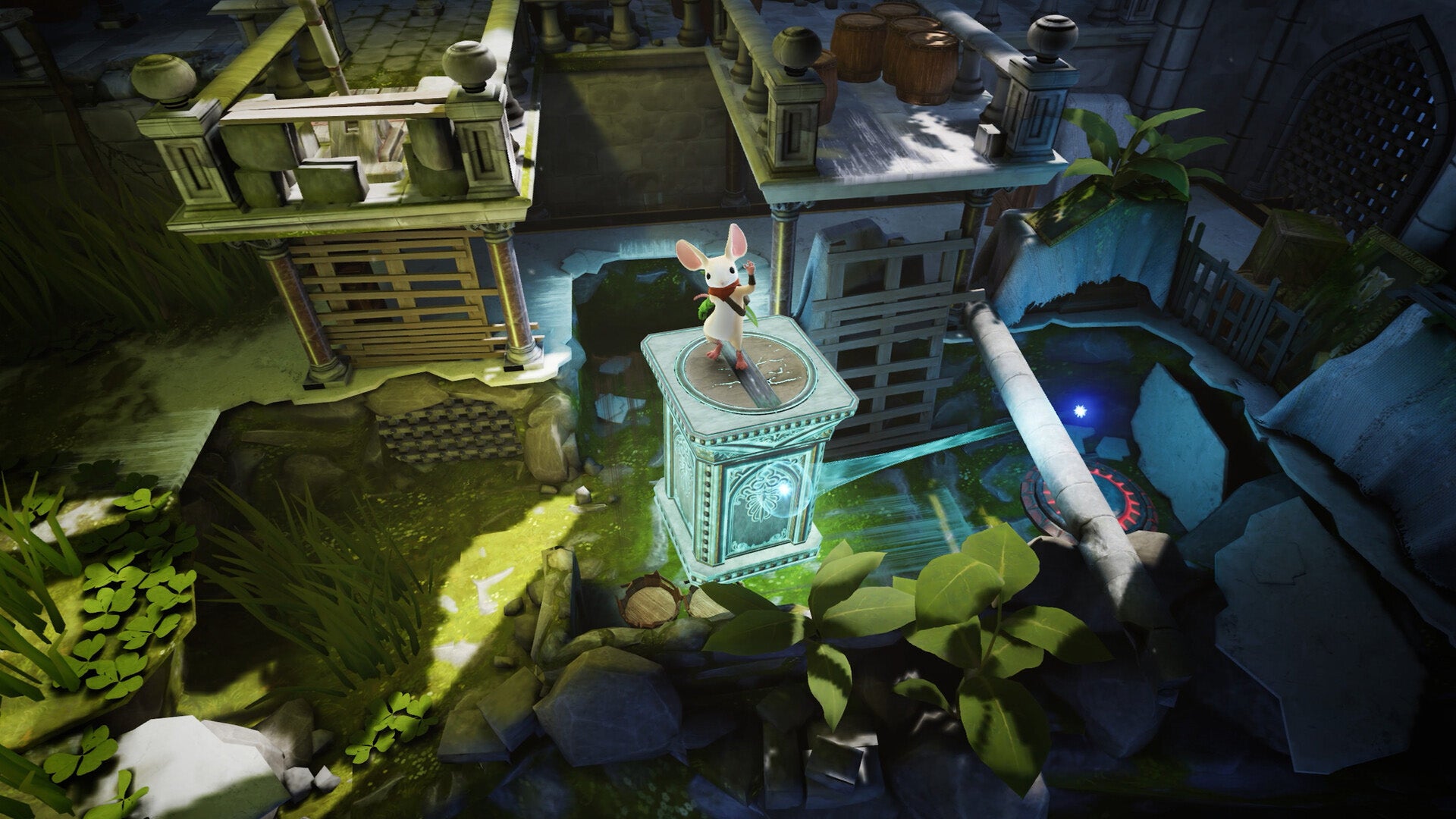
In a recent press statement, the studio emphasized that this was not a compromise, but a re-envisioning. "We wanted to ensure that the magic of Quill’s world remained intact," a studio representative noted. "The challenge was never about just moving the game to a monitor; it was about translating the feeling of being a giant in a small world to a format where you don’t have physical presence."
The move suggests that Polyarc views the Moss brand as a story first and a hardware showcase second. By removing the "VR" label, they are inviting a new audience to experience a narrative that has been unfairly gatekept by the cost of high-end hardware.
Implications: The Future of VR-to-PC Porting
The release of Moss: The Forgotten Relic poses profound questions about the future of immersive gaming.
1. The Death of the "Tech Demo" Era
For years, VR games were viewed as fragile things that would crumble if removed from their headset environment. Moss proves that strong art direction, tight level design, and a compelling narrative can survive the transition. This may encourage other VR-exclusive studios to reconsider their distribution models, potentially leading to a new wave of "VR-native" games being ported to traditional screens.
2. The "Hardware-Agnostic" Design Philosophy
If The Forgotten Relic succeeds, it sets a precedent: design for the platform, but build for the narrative. If developers begin building games with the intention that they must function on both VR and flat screens, we may see a rise in "Hybrid" games. These titles could offer VR as an optional "enhanced mode" while providing a robust, optimized experience for desktop users.
3. The Accessibility Debate
There is a segment of the VR community that feels the "soul" of Moss is lost without the physical reach-and-grab interaction. They argue that VR is not just a format, but a language. However, the counter-argument is equally strong: art should be accessible. If a game is truly a masterpiece, it should be able to transcend its hardware. The Forgotten Relic is essentially the ultimate test of this theory.
Conclusion: A New Chapter for the Mouse
As we look toward the summer launch, the industry will be watching closely. Moss: The Forgotten Relic is more than just a port; it is an experiment in cultural preservation. It asks whether a game’s heart can beat just as strongly on a flat screen as it does in a digital headset.
For those who have long wanted to join the ranks of "Readers" but were deterred by the hardware requirements, this is a welcome arrival. The mouse is finally coming home to the desktop, and if the early excitement is any indication, she is going to find a much larger, more diverse audience waiting to greet her.
Moss: The Forgotten Relic is currently available to wishlist on Steam. Its release is expected in the coming months, signaling a new chapter for both Polyarc and the fans who have been waiting to step into the world of Moss.











No comments yet. Be the first to join the conversation!