Nila Kartika Wati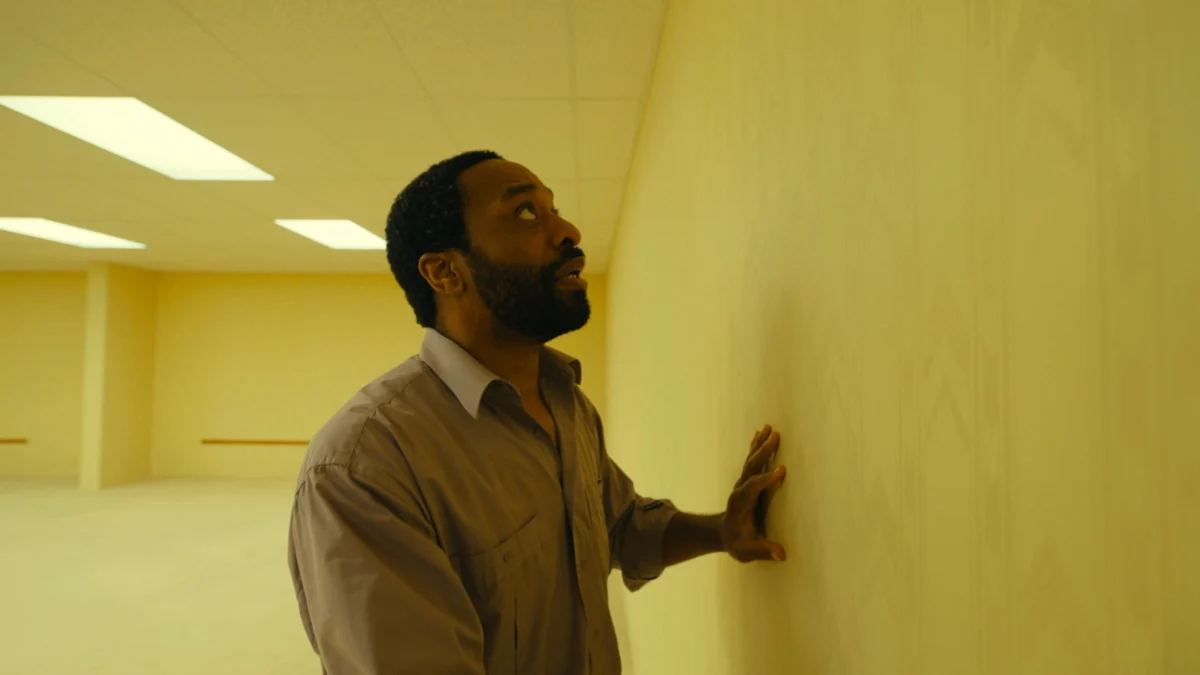
By Editorial Desk | May 27, 2026
The transition from digital obscurity to the silver screen is a perilous journey, often fraught with the risk of losing the very "lightning in a bottle" quality that made an internet project viral in the first place. When Kane Parsons—the 20-year-old wunderkind whose YouTube-based Backrooms series captivated millions with its uncanny, CG-enhanced dread—announced a feature-length collaboration with A24, expectations were stratospheric. Now, as the film prepares for its May 29, 2026, release, the verdict is in: Backrooms is a masterclass in atmospheric tension that ultimately struggles to reconcile its short-form, episodic origins with the structural demands of a feature-length narrative.
The Genesis of an Internet Legend
To understand the weight of expectation surrounding this film, one must understand the source material. The "Backrooms" is a piece of internet folklore—a "creepypasta"—that posits the existence of a liminal, infinite, and decaying office space located outside the bounds of our reality. Parsons’ YouTube adaptation elevated this concept, utilizing surreal imagery, 1990s-era nostalgia, and a haunting, monochromatic yellow aesthetic to create a visceral sense of unease.
The film serves as both an expansion and a reimagining of this lore. It pivots away from the purely abstract, choosing instead to ground its narrative in the life of Clark (Chiwetel Ejiofor), a disillusioned middle-aged man living in the 1990s. Clark’s life is defined by the banality of his suburban existence: a failing furniture store, a strained post-divorce life, and weekly therapy sessions with Mary (Renate Reinsve). When Clark discovers a literal tear in the fabric of his reality located in the basement of his warehouse, the film shifts from a character study into a psychological descent into the titular purgatory.
A Chronology of the Descent
The narrative trajectory of Backrooms can be segmented into three distinct phases, each reflecting the film’s evolution from personal drama to cosmic horror:
- The Mundane World (Acts 1-2): We are introduced to Clark’s isolation. His therapy sessions are the anchor, providing a clinical, yet frustratingly vague, context for his deteriorating mental state. The 1990s setting is rendered with meticulous care, evoking a sense of corporate rot that mirrors Clark’s internal emptiness.
- The Discovery (Act 3): The transition occurs in the bowels of "Cap’n Clark’s," his warehouse store. The discovery of the portal is handled with a restraint that is rare in modern horror; it is a quiet, almost domestic realization. Clark’s immediate attraction to the void suggests that the Backrooms are not just a place, but a reflection of his own desire to escape the crushing weight of reality.
- The Labyrinth (Act 4 and Beyond): The final act involves the recruitment of store employees Bobby (Finn Bennett) and Kat (Lukita Maxwell). Their entry into the space, complete with a period-appropriate VHS camera, serves as a homage to the found-footage aesthetic that made the original YouTube series a sensation. However, it is here that the film begins to strain against its own runtime.
The Anatomy of Atmosphere: Supporting Data and Observations
The technical proficiency of Backrooms cannot be overstated. Parsons proves he has an exceptional eye for architectural horror. The film leans heavily into the discomfort of fluorescent lighting—the "hum" of the mercury-vapor tube is treated as a character in its own right, acting as a sonic tether between the viewer and the on-screen claustrophobia.
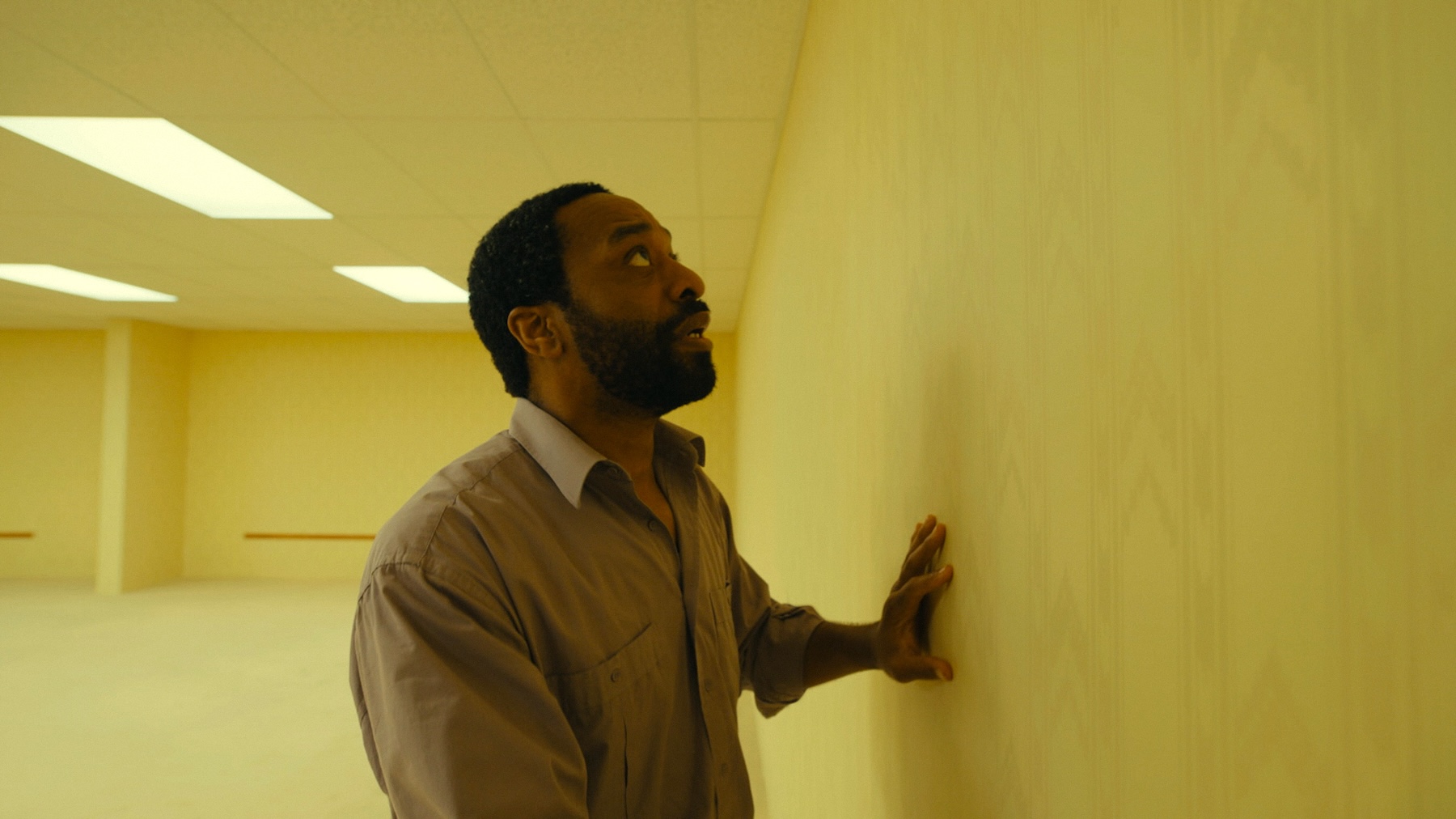
However, statistics and critical reception of similar "internet-to-cinema" adaptations suggest a recurring pattern. Much like recent video game-to-film adaptations that prioritize "Easter eggs" and lore-accuracy over narrative cohesion, Backrooms occasionally feels like a collection of vignettes stitched together by obligation. Where the nine-minute YouTube episodes thrived on abrupt, unexplained terror, the 100-minute feature requires a logic that the script, penned by Will Soodik, is hesitant to provide.
Comparative Analysis: The "Found Footage" Factor
| Element | YouTube Series (Original) | A24 Feature Film |
|---|---|---|
| Pacing | Rapid, punchy, episodic | Deliberate, atmospheric, slow-burn |
| Character Depth | Minimal (Focus on the setting) | Moderate (Focus on Clark’s internal state) |
| Visual Style | Lo-fi, digital, experimental | High-gloss, cinematic, polished |
| Narrative Goal | Immediate, visceral dread | Thematic exploration of the subconscious |
Official Responses and Creative Intent
In recent promotional interviews, Kane Parsons has addressed the challenges of scaling up his vision. "The Backrooms isn’t just about the monsters," Parsons noted. "It’s about the feeling of being somewhere you aren’t supposed to be, at a time that no longer exists."
This sentiment is echoed by the performances. Chiwetel Ejiofor brings a grounded, weary humanity to the role of Clark, preventing the film from becoming an entirely hollow visual exercise. Renate Reinsve, despite being relegated to a secondary role, provides the necessary "therapy-speak" that attempts to bridge the gap between the film’s psychological metaphors and its literal, labyrinthine horror. However, fans of the series may find the shift in tone—from the raw, amateur-led terror of the original to the polished, "prestige" horror of A24—to be a double-edged sword.
Implications for Future Digital-to-Film Adaptations
The release of Backrooms carries significant implications for the entertainment industry. As studios increasingly look to TikTok, YouTube, and other digital platforms for "pre-sold" intellectual property, the lessons learned from this project are vital:
- The Myth of Infinite Lore: The film demonstrates that a complex, internet-based "mythology" does not automatically translate into a cohesive three-act structure. Without a strong, human-centered story, the lore becomes a set of shackles rather than a foundation.
- The Aesthetic Trap: While Parsons’ visual style is undeniably arresting, the film’s reliance on "liminal spaces" eventually leads to a sense of exhaustion. The film’s refusal to explain or explore the "why" behind the Backrooms leaves the audience with a hollow, albeit beautiful, shell.
- The Danger of the Sequel Bait: The final act’s shift toward a more traditional, franchise-ready monster-horror conclusion is arguably the film’s greatest misstep. By attempting to "explain" the unexplainable through Lovecraftian spectacle, it undermines the very ambiguity that made the property famous.
Conclusion: A Beautiful, If Circular, Journey
Backrooms is a fascinating experiment that marks the arrival of a distinct new voice in horror. Kane Parsons is undoubtedly a director to watch, possessing a keen ear for sound design and an eye for the unsettling nature of the mundane. Yet, as a feature film, it struggles to escape the shadow of its own source material.
For those who view the film as a purely aesthetic experience, it is a triumph of mood and atmosphere. For those seeking a narrative that truly explores the depths of its own premise, the journey may feel like running in circles. Backrooms arrives in theaters on May 29 with the polish of a prestige horror film, but underneath the high-definition, fluorescent glow, it remains a short story trying—and sometimes failing—to fill a long-form frame. Whether this will lead to a sprawling franchise or remain a singular, ambitious curiosity remains to be seen. One thing is certain: the hum of the fluorescent lights will never feel quite the same again.

 Sagoh
Sagoh
 Nana Wu